Home Visit
 Upload






Preventive Healthcare
Atkins Diet Guide: How It Works & What to Eat
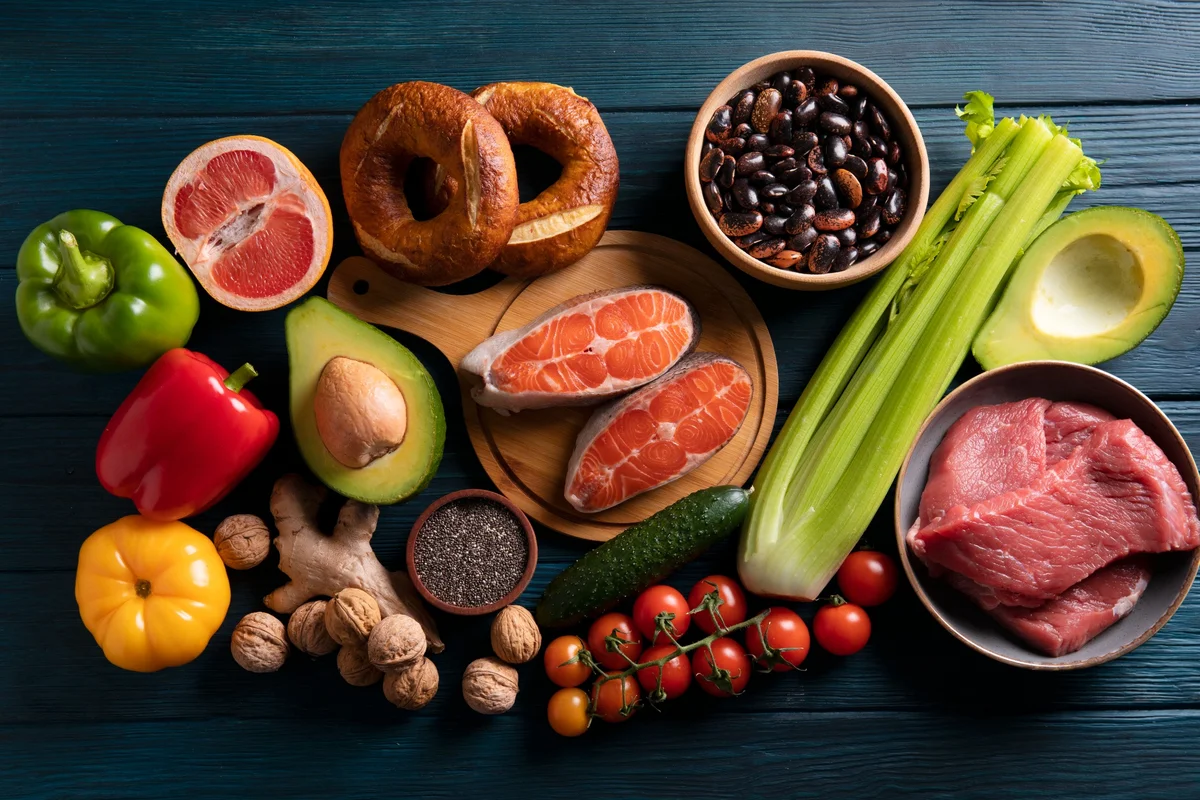
Table of Contents
- What Is the Atkins Diet?
- How the Atkins Diet Works
- Phases of the Atkins Diet
- Foods You Can Eat on the Atkins Diet
- Foods to Avoid on the Atkins Diet
- Atkins Diet Food List (Phase-Wise)
- Sample 7-Day Atkins Diet Meal Plan (Non-Veg)
- Sample 7-Day Atkins Diet Meal Plan (Veg)
- Benefits of the Atkins Diet
- Potential Side Effects & Risks
- Who Should Avoid the Atkins Diet?
- When to Consult a Doctor or Nutritionist
- Conclusion
- FAQs
The Atkins diet has helped millions achieve sustainable weight loss by transforming how your body burns fuel. This popular high-protein diet restricts carbohydrates while encouraging protein and healthy fats, creating a metabolic shift that promotes fat burning. Understanding the Atkins diet phases and meal planning strategies empowers you to make informed choices about this flexible ketogenic-style eating plan.
What Is the Atkins Diet?
The Atkins diet is a structured low-carbohydrate eating plan developed by cardiologist Dr Robert Atkins in the 1960s. This high-protein diet focuses on dramatically reducing carbohydrate intake whilst emphasising protein and fat consumption. The fundamental principle involves forcing your body to switch from using glucose to burning stored fat for energy.
The modern Atkins approach uses ‘net carbs’ — total carbohydrates minus fibre and certain sugar alcohols. This calculation allows greater flexibility with vegetables and high-fibre foods. The Atkins diet serves as an effective ketogenic diet alternative, promoting weight loss without requiring strict calorie counting whilst maintaining metabolic benefits.
How the Atkins Diet Works
The Atkins diet transforms your metabolism through several key mechanisms:
- Carbohydrate restriction triggers fat burning: Limiting carbs to 20-50 grams daily forces your body to break down stored fat for fuel
- Ketosis enhances appetite control: Fat breakdown produces ketones, which naturally suppress hunger and reduce cravings
- Protein intake preserves muscle mass: Adequate protein prevents muscle loss during weight loss, maintaining metabolic rate
- Insulin levels stabilise: Lower carb intake reduces insulin spikes, promoting fat release from cells
- Net carb tracking simplifies planning: Focusing on digestible carbs allows more vegetable consumption while maintaining benefits
This metabolic shift typically occurs within 3-5 days of starting the Atkins diet.
Phases of the Atkins Diet
The Atkins diet phases provide a structured approach to sustainable weight management:
- Induction Phase (Phase 1)
- Net carbs limited to 20 grams daily
- Duration: 2 weeks minimum
- Rapid initial weight loss and ketosis induction
- Foundation vegetables only
- Balancing Phase (Phase 2)
- Gradually increase net carbs by 5 grams weekly
- Add nuts, seeds, and berries
- Continue until you are within 10 pounds (about 4–5 kg) of your goal weight
- Fine-Tuning Phase (Phase 3)
- Increase carbs by 10 grams weekly
- Add fruits and whole grains sparingly
- Find personal carb tolerance level
- Maintenance Phase (Phase 4)
- Maintain discovered carb threshold
- Lifelong healthy eating pattern
- Typically 50-100 grams net carbs daily
Foods You Can Eat on the Atkins Diet
Atkins diet foods emphasise nutrient-dense, minimally processed options:
- Protein Sources:
- Beef, lamb, pork, and poultry
- Fish and seafood (salmon, tuna, sardines)
- Eggs and cheese
- Tofu and tempeh
- Low-Carb Vegetables:
- Leafy greens (spinach, lettuce, kale)
- Cruciferous vegetables (broccoli, cauliflower)
- Asparagus, courgettes, and green beans
- Mushrooms, peppers, and cucumber
- Healthy Fats:
- Olive oil and avocado oil
- Nuts and seeds
- Avocados
- Butter and coconut oil
Foods to Avoid on the Atkins Diet
These high-carb foods should be eliminated or severely limited:
- Grains and starches: Bread, pasta, rice, potatoes, and cereals
- Sugary foods: Sweets, biscuits, cakes, and fizzy drinks
- High-sugar fruits: Bananas, grapes, and tropical fruits
- Legumes: Beans, lentils, and chickpeas (except small amounts in later phases)
- Processed foods: Items containing added sugars or refined carbs
Atkins Diet Food List (Phase-Wise)
|
Phase |
Allowed Foods |
Net Carbs |
|
1 |
Protein, fats, foundation vegetables |
20g |
|
2 |
Add nuts, seeds, berries |
25-50g |
|
3 |
Add more fruits, vegetables |
50-80g |
|
4 |
Maintain personal tolerance |
50-100g |
Sample 7-Day Atkins Diet Meal Plan (Non-Veg)
|
Day |
Breakfast |
Lunch |
Dinner |
|
1 |
Scrambled eggs with spinach |
Grilled chicken salad |
Salmon with broccoli |
|
2 |
Avocado and bacon |
Tuna lettuce wraps |
Beef stir-fry |
|
3 |
Cheese omelette |
Chicken soup |
Pork chops with asparagus |
|
4 |
Greek yoghurt (from Phase 2 onward) |
Prawn salad |
Lamb with courgettes |
|
5 |
Eggs with mushrooms |
Turkey roll-ups |
Fish with green beans |
|
6 |
Protein smoothie |
Chicken Caesar salad |
Steak with cauliflower |
|
7 |
Bacon and eggs |
Cobb salad |
Roast chicken with vegetables |
Sample 7-Day Atkins Diet Meal Plan (Veg)
|
Day |
Breakfast |
Lunch |
Dinner |
|
1 |
Paneer bhurji (olive oil, spices) |
Stir-fried broccoli, capsicum & tofu |
Palak paneer (no cream/flour) |
|
2 |
Greek yoghurt with chia seeds |
Cabbage sabzi with grilled paneer |
Zucchini noodles with pesto |
|
3 |
Mushroom & cheese omelette (egg optional) |
Cauliflower rice with paneer curry |
Sautéed spinach & tofu |
|
4 |
Almond flour pancake (unsweetened) |
Bhindi stir-fry with paneer |
Creamy mushroom soup |
|
5 |
Cottage cheese with flaxseeds |
Lettuce wraps with paneer tikka |
Vegetable stir-fry with tofu |
|
6 |
Cheese cubes & walnuts |
Palak tofu |
Stuffed capsicum with paneer |
|
7 |
Avocado & paneer bowl |
Cauliflower pulao (no grains) |
Low-carb vegetable curry with tofu |
Notes:
- Use healthy fats (olive oil, butter, ghee in moderation)
- Avoid grains, sugar, potatoes, and high-carb fruits
- Adjust portions based on your Atkins phase
Benefits of the Atkins Diet
Research highlights several potential Atkins diet benefits, particularly when followed correctly and with balanced food choices:
- Rapid initial weight loss: Low carbohydrate intake shifts the body toward fat-burning, leading to quicker early weight loss—often greater than that seen with traditional low-fat diets during the first six months.
- Improved blood sugar control: Reducing carbs helps stabilise blood glucose levels, making the diet useful for people with type 2 diabetes or prediabetes under medical guidance.
- Better cholesterol profile: Many individuals see an increase in HDL (“good”) cholesterol along with lower triglyceride levels, both markers of improved heart health.
- Reduced appetite: Higher protein and fat intake promotes satiety, which naturally lowers hunger and reduces overall calorie consumption.
- Enhanced mental clarity: During ketosis, some people report better focus and sustained energy due to steadier blood sugar and ketone-based brain fuel.
Potential Side Effects & Risks
During the initial phase of the Atkins diet, your body transitions from using carbohydrates to fat as its primary energy source. This metabolic transition can lead to temporary side effects, especially in the first one to two weeks:
- “Keto flu”: Many people experience fatigue, headaches, dizziness, or irritability as carbohydrate intake drops and the body adapts to ketosis.
- Digestive changes: Reduced fibre intake may cause constipation, while others may notice diarrhoea as gut bacteria adjust to a new eating pattern.
- Bad breath: The production of ketones, particularly acetone, can lead to temporary halitosis.
- Nutrient deficiencies: Limiting fruits, whole grains, and vegetables may increase the risk of vitamin and mineral shortfalls if food choices are not carefully planned.
- Dehydration: Reduced carbohydrate intake increases water and electrolyte loss, making hydration and mineral balance essential to prevent weakness or cramps
Long-Term Safety Concerns
While short-term studies show promising results, long-term safety of the Atkins diet requires careful consideration. Some research suggests potential cardiovascular risks from excessive saturated fat intake, particularly from processed meats. However, when emphasising lean proteins, fish, and healthy fats, the Atkins diet can be part of a heart-healthy lifestyle. Regular monitoring of cholesterol levels and kidney function ensures safety during extended adherence.
Who Should Avoid the Atkins Diet?
Certain individuals should exercise caution or avoid this high-protein diet:
- Pregnant or breastfeeding women: Increased nutritional needs require careful planning
- People with kidney disease: High protein intake may strain compromised kidneys
- Those with gallbladder problems: Rapid weight loss can trigger gallstone formation
- Individuals with eating disorders: Restrictive nature may exacerbate unhealthy relationships with food
- Children and adolescents: Growing bodies require balanced nutrition
When to Consult a Doctor or Nutritionist
Medical supervision enhances Atkins diet success and safety. Consult healthcare professionals before starting if you have diabetes, heart disease, or take medications. Regular check-ups monitor blood sugar, cholesterol, and kidney function. A registered dietitian can personalise your Atkins meal plan, ensuring nutritional adequacy while maximising the Atkins diet benefits. This professional guidance proves especially valuable for managing the transition between Atkins diet phases.
Conclusion
Findings from the ICMR-INDIAB study, which assessed dietary patterns across India, show that many Indian diets remain heavily skewed towards refined carbohydrates, with relatively low protein intake. This imbalance is closely linked to a higher risk of obesity, prediabetes, and type 2 diabetes.
While adopting a strict Atkins-style regimen may not suit everyone, the core takeaway is clear: reducing reliance on refined carbs and increasing high-quality protein can be beneficial for metabolic health. Even modest shifts — such as replacing refined grains with whole foods, improving protein intake, and limiting added sugars — can improve metabolic health, align well with both Atkins principles and contemporary Indian nutrition research.
At Metropolis Healthcare, we support your health journey with comprehensive diagnostic services spanning over 4,000 tests and profiles. Our extensive network of more than 220 laboratories and over 10,000 touchpoints across India ensures convenient access to essential health monitoring. Whether tracking cholesterol levels, blood sugar, or nutritional markers during your Atkins diet journey, our home sample collection service brings accurate diagnostics to your doorstep.
FAQs
Is the Atkins diet good for weight loss?
Yes. The Atkins diet can effectively promote weight loss by reducing appetite and encouraging fat burning. Studies consistently show greater initial weight loss compared to low-fat diets, with many people losing 1-2 pounds weekly during early phases.
How much weight can you lose on the Atkins diet?
Weight loss varies individually, but most people lose 5-10 pounds during the first two weeks, primarily from water weight. Subsequent fat loss typically averages 1-2 pounds weekly, with total losses of 20-50 pounds common over 6-12 months.
What foods are allowed on the Atkins diet?
The Atkins diet emphasises protein sources like meat, fish, and eggs, along with low-carb vegetables and healthy fats. Later phases gradually reintroduce nuts, berries, and limited whole grains whilst maintaining carbohydrate restrictions.
Is the Atkins diet safe long-term?
Current research suggests the Atkins diet can be safe long-term when emphasising quality protein sources and adequate vegetables. However, regular medical monitoring ensures optimal health outcomes and addresses any emerging concerns.
How is Atkins different from keto?
While both are low-carb approaches, the Atkins diet phases allow gradual carbohydrate reintroduction, making it a flexible ketogenic diet alternative. Keto maintains strict carb limits indefinitely, whilst Atkins adapts to individual tolerance levels.
Can diabetics follow the Atkins diet?
Many diabetics benefit from the Atkins diet's blood sugar control effects. However, medication adjustments may be necessary as carbohydrate restriction can significantly lower glucose levels. Always consult your doctor before starting.
Can you eat fruit on the Atkins diet?
Limited fruits are introduced during Phase 2, starting with berries. Higher-carb fruits like bananas remain restricted until later phases, and portions must fit within your daily carb allowance.
What are the side effects of the Atkins diet?
Common initial side effects include fatigue, headaches, and digestive changes as your body adapts. These typically resolve within one week as ketosis stabilises and your metabolism adjusts to fat burning.
References
- https://www.mayoclinic.org/healthy-lifestyle/weight-loss/in-depth/atkins-diet/art-20048485
- https://www.webmd.com/diet/atkins-diet-what-it-is
- https://www.ndtv.com/food/are-indians-eating-wrong-icmr-finds-protein-deficiency-and-high-carb-intake-across-states-9424438