Home Visit
 Upload






Preventive Healthcare
Wilms Tumor: Symptoms, Causes, Diagnosis & Treatment
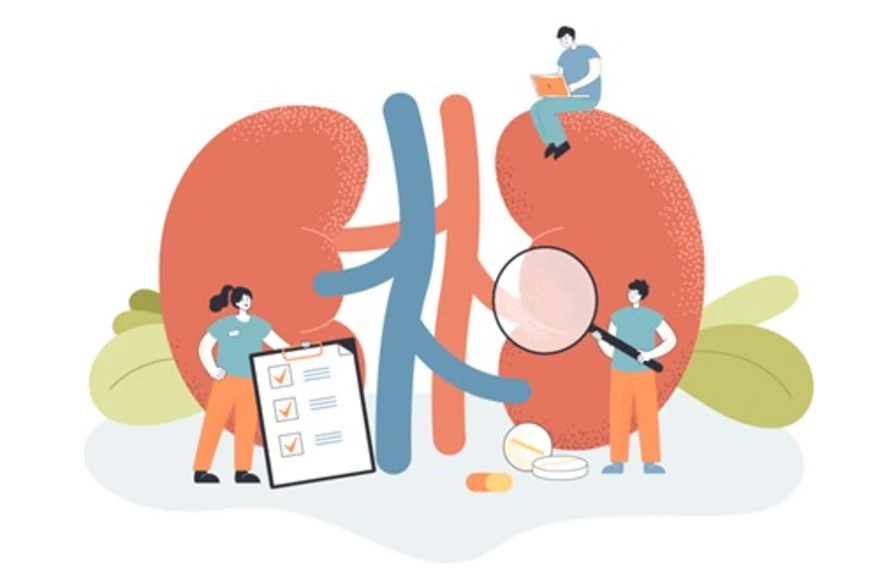
Table of Contents
- What Is Wilms Tumor?
- Wilms Tumor vs. Other Kidney Tumors
- Symptoms of Wilms Tumor
- Causes of Wilms Tumor
- Risk Factors for Wilms Tumor
- Diagnosis of Wilms Tumor
- Staging of Wilms Tumor
- Treatment Options for Wilms Tumor
- Potential Complications of Treatment
- Prognosis and Survival Rates
- Prevention and Genetic Counselling
- Living with Wilms Tumor: Support and Care
- When to See a Doctor
- Conclusion
- FAQs
- References
What Is Wilms Tumor?
Wilms Tumor (nephroblastoma) is a malignant kidney Tumor that primarily affects young children, typically under the age of 5 years, though it can occur at any age in childhood. It develops from immature kidney cells and usually appears as a single mass within one kidney. In about 5–10% of cases, both kidneys are affected (bilateral Wilms Tumor) at diagnosis. The Tumor can grow rapidly but usually responds well to multidisciplinary treatment, especially when detected at an early stage.
As a parent, discovering an abdominal lump in your child's tummy can be alarming. Understanding the signs, causes, and treatment options for Wilms Tumor can help you navigate this challenging time and make informed decisions about your child's care.
Wilms Tumor vs. Other Kidney Tumors
|
Feature |
Wilms Tumor (Nephroblastoma) |
Other Childhood Kidney Tumors (e.g., Clear Cell Sarcoma, Rhabdoid Tumor) |
|
Age Group |
Mainly children <5 years |
It can affect older children. |
|
Commonality |
Most common paediatric kidney cancer |
Much rarer |
|
Symptoms |
Abdominal lump in a child, pain, and blood in the urine |
Similar, but may include bone pain (clear cell sarcoma), rapid progression (rhabdoid) |
|
Prognosis |
Generally favourable if detected early |
Often less favourable; higher risk of recurrence or metastasis |
|
Treatment Approach |
Surgery, chemotherapy for Wilms Tumor, and sometimes radiation |
Similar, but may require more intensive therapy |
|
Genetic Links |
Often present (e.g., WT1 gene) |
Less commonly associated |
Symptoms of Wilms Tumor
As a parent, being aware of the potential signs of Wilms Tumor can help you seek prompt medical attention. Here are some common and severe Wilms Tumor symptoms to watch out for:
Common Symptoms in Children
- Abdominal lump or swelling
- Abdominal pain
- Blood in urine (haematuria)
- Fever
- Loss of appetite
- High blood pressure (hypertension), may result from increased renin production by the Tumor
- Nausea or vomiting
- Constipation
Severe Symptoms
- Severe abdominal pain
- Shortness of breath (if Tumor spreads to lungs)
- Severe high blood pressure
- Unexplained weight loss
If you notice any of these Wilms Tumor symptoms in your child, especially an abdominal lump, it's important to consult your doctor promptly for further evaluation.
Causes of Wilms Tumor
The exact cause of Wilms Tumor remains unknown, but most cases are thought to stem from genetic mutations that disrupt normal kidney cell development. While the majority of Wilms Tumors occur sporadically, certain inherited syndromes can increase a child's risk.
Potential Wilms Tumor causes include:
- Genetic mutations that affect kidney development, most commonly involving the WT1, WT2, or WTX genes
- Inherited conditions (e.g., WAGR syndrome, Denys-Drash syndrome, Beckwith-Wiedemann syndrome)
- Abnormal kidney formation before birth
- Family history of Wilms Tumor
Risk Factors for Wilms Tumor
Some factors that may elevate a child's risk of developing Wilms Tumor include:
- Family history of Wilms Tumor
- African-American ethnicity (higher incidence)
- Certain congenital or genetic syndromes, such as WAGR syndrome, Denys-Drash syndrome, or Beckwith-Wiedemann syndrome
- Congenital anomalies of the kidney, urinary tract, or genitals
- Cryptorchidism (undescended testis in boys)
- Aniridia (absence of iris in the eye)
Diagnosis of Wilms Tumor
1. Physical Examination
If a Wilms Tumor is suspected, the doctor will thoroughly examine your child's abdomen for any mass, swelling, or tenderness. They will also measure blood pressure, as Wilms Tumor can sometimes cause hypertension. The exam involves reviewing symptoms and medical history to guide further testing.
2. Imaging Tests
- Abdominal ultrasound
- CT scan (computed tomography)
- MRI (magnetic resonance imaging)
- Chest X-ray (to check for spread to lungs)
3. Blood and Urine Tests
- Kidney function tests
- Liver function tests
- Complete blood count (CBC)
- Urinalysis (to detect blood or abnormal cells)
4. Biopsy
In most cases, diagnosis and treatment begin with surgical removal (nephrectomy) of the Tumor for both diagnosis and staging. Preoperative biopsies are avoided unless imaging suggests bilateral or atypical lesions. Biopsies may be considered in unusual situations, such as bilateral Tumors or an uncertain diagnosis.
Staging of Wilms Tumor
|
Stage |
Description |
|
Stage I |
Tumor confined to the kidney, completely removed surgically. |
|
Stage II |
Tumor extends beyond the kidney but can be fully removed; no lymph node involvement. |
|
Stage III |
Residual Tumor remains in the abdomen due to positive lymph nodes, Tumor spillage, peritoneal implants, or incomplete resection. |
|
Stage IV |
Tumor has spread to distant organs, most commonly the lungs and liver, and less frequently to bones or brain. |
|
Stage V |
The Tumor involves both kidneys at diagnosis. |
Treatment Options for Wilms Tumor
Wilms Tumor treatment typically involves a combination of surgery, chemotherapy, and sometimes radiation therapy, depending on the stage and specific characteristics of the Tumor.
1. Surgery (Nephrectomy)
Surgery is usually the first step in treatment, aiming to remove the affected kidney (radical nephrectomy) or, in select cases, only the Tumor (partial nephrectomy). Lymph nodes are also sampled for staging. For Tumors in both kidneys, a kidney-sparing approach may be considered to preserve kidney function.
2. Chemotherapy
Chemotherapy for Wilms Tumor is given before and/or after surgery to shrink the Tumor, eliminate remaining cancer cells, and reduce the risk of recurrence. Commonly used chemotherapy drugs include vincristine, dactinomycin, and doxorubicin, with regimens tailored based on Tumor stage and histology.
3. Radiation Therapy
Radiation therapy is used for Stage III–IV disease, residual Tumor, or unfavourable histology, and is carefully planned to minimise long-term side effects, recurrent Tumors, or when the cancer has spread beyond the kidney.
4. Targeted Therapy
In rare cases, targeted therapies may be used, especially for high-risk or relapsed Wilms Tumors. However, standard treatment remains surgery, chemotherapy, and radiation.
Potential Complications of Treatment
While Wilms Tumor treatment is generally effective, it's important to be aware of potential complications, such as:
- Infection or bleeding related to surgery
- Loss of kidney function
- Side effects from chemotherapy (nausea, hair loss, and immune suppression)
- Growth or developmental delays, especially following abdominal or spinal radiation in very young children
- Secondary cancers (rare)
- Liver complications (e.g., veno-occlusive disease)
Work closely with your child's medical team to monitor for and manage any complications that may arise.
Prognosis and Survival Rates
According to ICMR, the outlook for children under 15 diagnosed with Wilms Tumor is often very encouraging. 5-year survival rates in developed countries exceed 90%, due to early detection and coordinated care. In India and other developing countries, achieving such outcomes is a little challenging, with reported survival rates ranging from 50% to 85%. It highlights the importance of timely diagnosis and comprehensive treatment.
|
Stage |
Overall Disease-Free Survival |
|
Stage I |
81% |
|
Stage II |
75% |
|
Stage III |
42% |
|
Stage IV |
50% |
|
Favourable Histology (overall) |
69% |
Prevention and Genetic Counselling
Currently, there are no direct ways to prevent Wilms Tumor, as most cases occur sporadically due to genetic mutations during development. However, for children with a family history or known genetic syndromes, Genetic counselling is strongly recommended for families with syndromic features or bilateral disease. High-risk children may benefit from regular abdominal ultrasound screening every 3–4 months until age 8 years.
Living with Wilms Tumor: Support and Care
Navigating a Wilms Tumor diagnosis and treatment can be a little overwhelming. However, it can be well-treated and managed for better outcomes and peace of mind for families. Here are some key aspects of support and care:
- Ongoing follow-up with the oncology team
- Monitoring kidney function
- Emotional support (counselling, support groups)
- Nutritional and lifestyle guidance
- Education and school support
- Physical activity as tolerated
- Support for siblings and family members
When to See a Doctor
If you notice any of the following signs or symptoms in your child, schedule an appointment with their paediatrician:
- Noticeable abdominal lump or swelling
- Persistent abdominal pain
- Blood in urine
- Unexplained fever or weight loss
- Difficulty urinating or changes in urinary habits
- High blood pressure
Conclusion
Facing a Wilms Tumor diagnosis in your child can be concerning, but remember, you are not alone in this journey. Lean on your medical team, family, friends, and community resources for the support you need.
If you have concerns about your child's health or need reliable diagnostic services, such as blood tests, imaging studies, or pathology-based evaluations, consider exploring Metropolis Healthcare. With a network of over 220 advanced diagnostic laboratories and 4600 service centres across India, Metropolis offers accurate pathology testing and convenient at-home sample collection by certified technicians. Our commitment to delivering accurate and reliable results with personalised care can empower you in prioritising your child's health during such difficult times.
FAQs
1. What is the first sign of Wilms Tumor?
The most common first sign of Wilms Tumor is a painless swelling or lump in the abdomen, which may be felt by a parent or during a routine exam. Other early symptoms can include abdominal pain, fever, and blood in the urine. If you notice any of these signs, promptly consult your child's doctor.
2. Is Wilms Tumor hereditary?
Most cases of Wilms Tumor are not hereditary, but a small percentage are associated with genetic syndromes or family history. If a child has one of the genetic syndromes or a family history of Wilms Tumor, their risk is higher. Genetic counselling can help assess individual risk and guide appropriate screening measures.
3. What is the survival rate for Wilms Tumor?
Overall, the 5-year survival rate exceeds 90% for children with favourable histology and stages I-II of Wilms Tumor. Early detection and appropriate treatment are key factors in achieving the best outcomes.
4. Can a Wilms Tumor come back after treatment?
Recurrence is possible, particularly in higher-stage or unfavourable histology Tumors. Long-term monitoring is essential for early detection of recurrence. If the cancer does return, treatment options may include surgery, chemotherapy, radiation, or a combination of these approaches.
5. What age group is most affected by Wilms Tumor?
Wilms Tumor primarily affects children under 5 years old, with the highest incidence between ages 3 and 4. However, it can occur at any age in childhood. Rarely, a Wilms Tumor may be diagnosed in older children, teenagers, or adults.
References
- https://www.icmr.gov.in/icmrobject/custom_data/pdf/resource-guidelines/PEDIATRIC_LYMPHOMAS_AND_SOLID_TUMORS_0.pdf
- https://my.clevelandclinic.org/health/diseases/23259-wilms-tumor
- https://www.cancer.org/cancer/types/wilms-tumor/detection-diagnosis-staging/staging.html
- https://www.cancer.org/cancer/types/wilms-tumor/about/key-statistics.html