Home Visit
 Upload






Preventive Healthcare
Onychomycosis (Nail Fungus): Symptoms, Causes & Treatment
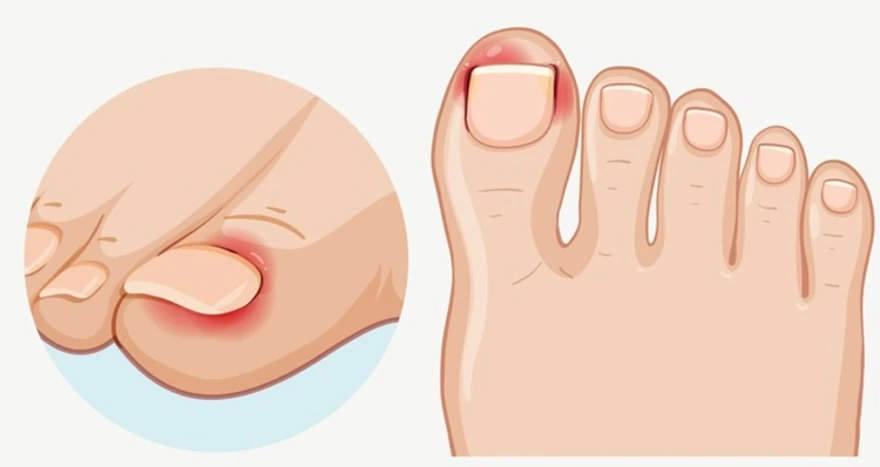
Table of Contents
- What Is Onychomycosis?
- Types of Onychomycosis
- Symptoms of Nail Fungus
- Causes of Onychomycosis
- Risk Factors for Developing Nail Fungus
- Diagnosis of Nail Fungus
- Treatment Options for Onychomycosis
- Complications if Left Untreated
- Prevention Tips for Nail Fungus
- When to See a Doctor
- Conclusion
- FAQs
- References
Onychomycosis, commonly known as nail fungus, is a widespread fungal infection that affects millions of people worldwide. While not life-threatening, this condition can cause discomfort and embarrassment and sometimes lead to more serious complications if left untreated. Understanding the symptoms, causes, and available treatment options is crucial for effectively managing onychomycosis and maintaining healthy nails.
What Is Onychomycosis?
Onychomycosis is a fungal infection that affects the nail plate, nail bed, or both. It is caused by various types of fungi, including dermatophytes, yeasts, and non-dermatophyte moulds. These fungi thrive in warm, moist environments and can invade the nail through small cracks or breaks in the skin surrounding the nail. Once the fungus takes hold, it can cause progressive changes to the nail's appearance and structure.
Types of Onychomycosis
Distal Subungual Onychomycosis
Distal subungual onychomycosis is the most common type of nail fungus. It typically begins at the tip of the nail and spreads underneath, causing the nail to become thickened, discoloured, and Mild lifting at the nail edge. This type of infection is often associated with the fungus Trichophyton rubrum.
White Superficial Onychomycosis
White superficial onychomycosis appears as white spots or patches on the surface of the nail. Over time, these patches may become powdery and cause the nail to become brittle. This type of infection is less common and usually affects the toenails.
Proximal Subungual Onychomycosis
Proximal subungual onychomycosis is a rare form of nail fungus that starts at the base of the nail, near the cuticle, and progresses outward. This type of infection is more often seen in individuals with weakened immune systems, such as those with HIV or undergoing chemotherapy.
Candidal Onychomycosis
Candidal onychomycosis is caused by yeasts, primarily Candida species. It more frequently affects the fingernails and is commonly associated with chronic paronychia and frequent water exposure; it can also occur in immunocompromised individuals.
Symptoms of Nail Fungus
The symptoms of onychomycosis can vary depending on the severity of the infection. Some common signs include:
Mild Symptoms
- Discolouration of the nail (white, yellow, or brown spots)
- Thickening of the nail
- Brittle or crumbly nail edges
- Distorted nail shape
- Mild foul odour
- Ridges or an irregular surface texture
- Mild lifting at the nail edge
Severe Symptoms
- Significant thickening of the nail, making it difficult to trim
- Pain or discomfort, especially when wearing shoes
- Separation of the nail from the nail bed (onycholysis)
- Debris buildup under the nail
- Secondary bacterial or yeast infections
- Ingrown toenails
Causes of Onychomycosis
Several onychomycosis causes can lead to the development of nail fungus, including:
- Dermatophytes (e.g., Trichophyton rubrum)
- Yeasts (e.g., Candida species)
- Non-dermatophyte moulds (e.g., Aspergillus, Fusarium)
- Spread from skin infections (e.g., athlete's foot)
- Nail trauma
- Chronic exposure to moisture
- Pressure from ill-fitting shoes
Risk Factors for Developing Nail Fungus
Certain individuals may be more susceptible to developing onychomycosis. Some common risk factors include:
- Older age
- Male gender
- Diabetes
- Immunocompromised status (e.g., HIV, cancer)
- Circulatory problems
- Frequent exposure to moist environments (e.g., public showers, pools)
- History of athlete's foot
- Pre-existing nail disorders (e.g., nail dystrophy, psoriasis)
- Excessive perspiration
- Family history of onychomycosis or tinea pedis
- Use of artificial nails
Diagnosis of Nail Fungus
If you suspect you have nail fungus, it is essential to consult a healthcare provider for an accurate diagnosis. The following steps may be involved in diagnosing onychomycosis:
- Clinical examination of the nail for characteristic signs.
- Microscopic evaluation of nail scrapings for fungal elements.
- Fungal culture to identify the specific pathogen.
- Polymerase Chain Reaction (PCR) testing for rapid and precise fungal identification.
- Ruling out other potential causes (e.g., trauma, psoriasis, eczema, lichen planus, and other nail dystrophies),
Treatment Options for Onychomycosis
Oral Antifungal Medications
Oral antifungal drugs, such as terbinafine and itraconazole, are considered the most effective treatment for onychomycosis. These medications are typically taken for about 6 weeks for fingernails and about 12 weeks for toenails (e.g., terbinafine 250 mg daily; itraconazole continuous or pulse regimens). Nails then take several months to grow out and look normal. However, oral antifungals may cause side effects and are not suitable for everyone, especially those with liver disease or certain drug interactions.
Topical Treatments
Prescription and over-the-counter antifungal creams, solutions, or lacquers can be applied directly to the affected nail. While less effective than oral medications, topical treatments can be useful for mild infections or when oral therapy is contraindicated. Consistent application over several months is required for optimal results.
Laser Therapy
Laser treatment for onychomycosis uses focused light to target and destroy fungal organisms in the nail. Laser devices target nail fungus but evidence for durable cure is limited and results are variable. They may improve nail appearance in some patients; multiple sessions are often needed and costs are typically out-of-pocket.
Surgical Nail Removal
In severe or unresponsive cases, surgical removal of the infected nail may be considered. This can be done permanently or temporarily, often followed by antifungal therapy to treat the underlying infection.
Home Remedies and Supportive Care
In addition to medical treatments, there are several steps you can take at home to support the healing process and prevent the spread of nail fungus.
As per ICMR guidelines, supportive care measures that help treatment and reduce spread include:
- Keep nails dry and clean.
- Trim and thin thickened nails.
- Disinfect nail grooming tools regularly.
- Use antifungal powders or sprays.
- Wear breathable footwear and socks.
- Avoid nail polish and artificial nails during treatment.
Complications if Left Untreated
If onychomycosis is left untreated, it can worsen and lead to various complications. The infection may spread to other nails or surrounding skin, causing persistent pain and discomfort. In severe cases, the thickened nails can make walking or wearing shoes difficult. Additionally, untreated nail fungus can increase the risk of secondary bacterial infections, particularly in individuals with diabetes or weakened immune systems.
Some potential complications of untreated onychomycosis include:
- Chronic pain and discomfort.
- Impaired ability to walk or wear shoes.
- Secondary bacterial or yeast infections.
- Spread to other nails or surrounding skin.
- Permanent nail damage or loss.
- Cellulitis or other serious infections (especially in at-risk populations).
Prevention Tips for Nail Fungus
Preventing nail fungus is always better than treating it. Here are some tips to help reduce your risk of developing onychomycosis:
- Keep nails dry and clean.
- Wear shower shoes in public areas.
- Trim nails straight across and file down thickened areas.
- Avoid sharing nail grooming tools or footwear.
- Change socks regularly and use moisture-wicking materials.
- Disinfect shoes and socks frequently.
- Avoid prolonged exposure to damp environments.
- Choose breathable shoes and avoid tight footwear.
- Treat athlete's foot promptly.
When to See a Doctor
If you notice any signs of nail fungus or have concerns about your nail health, it is essential to consult a healthcare provider. Some situations that warrant a doctor's visit include:
- Nail changes that persist or worsen
- Pain, redness, or swelling around the nail
- Difficulty walking or performing daily activities
- History of diabetes or immune deficiency
- Concern about nail appearance or spread to other nails
- Home treatments that are ineffective after several weeks
Conclusion
Onychomycosis, or nail fungus, is a common condition that can cause significant discomfort and embarrassment if left untreated. If you suspect you have onychomycosis, don't hesitate to consult a healthcare provider for an accurate diagnosis and personalised treatment plan.
At Metropolis Healthcare, we understand the importance of accessible and reliable diagnostic services. Our team of qualified technicians offers convenient home sample collection and accurate results, processed in our state-of-the-art NABL-accredited labs. With NABL-accredited processes, stringent internal quality controls, and participation in external quality-assurance programs, you can count on accurate results and convenient care to stay on top of your health.
FAQs
What is the fastest way to cure toenail fungus?
The most effective treatment for many cases is a prescribed oral antifungal. There is no truly “fast” cure because nails grow slowly; adherence and foot-skin care are key. Topical agents can work for mild disease; laser has limited, variable evidence.
Can nail fungus go away on its own?
Onychomycosis rarely resolves without treatment. In most cases, the infection will persist or worsen over time if left untreated. While mild infections may remain primarily cosmetic, spontaneous clearance of the fungus is uncommon. Seeking prompt treatment can help you prevent the spread of the infection and minimise the risk of complications.
Is toenail fungus contagious?
Toenail fungus is not highly contagious, but it can be transmitted through direct and prolonged contact with an infected person or shared surfaces. Practising good hygiene, such as avoiding sharing nail grooming tools and wearing protective footwear in public areas, can help you reduce the risk of transmission.
How long does it take to treat onychomycosis?
The duration of treatment for onychomycosis varies depending on the location and severity of the infection. Drug therapy typically lasts 6 weeks for fingernails and 12 weeks for toenails; full cosmetic normalization may take 4–6 months for fingernails and 9–18 months for toenails as the nail grows out.
What happens if nail fungus is left untreated?
If nail fungus is left untreated, it can spread to other nails or surrounding skin. Also, thickened nails can make walking or wearing shoes painful and difficult. If nail fungus is left untreated, it can spread to other nails or surrounding skin. Thickened nails may make walking or wearing shoes painful, and people with diabetes or immune compromise are at higher risk for secondary bacterial infections (e.g., cellulitis).
References
- https://www.mayoclinic.org/diseases-conditions/nail-fungus/symptoms-causes/syc-20353294
- https://emedicine.medscape.com/article/1105828-overview?form=fpf
- https://www.aad.org/public/diseases/a-z/nail-fungus-overview
- https://www.nhs.uk/conditions/fungal-nail-infection/