Home Visit
 Upload






Preventive Healthcare
Vitamin E Capsule Benefits: Skin Glow, Hair Growth & Immunity
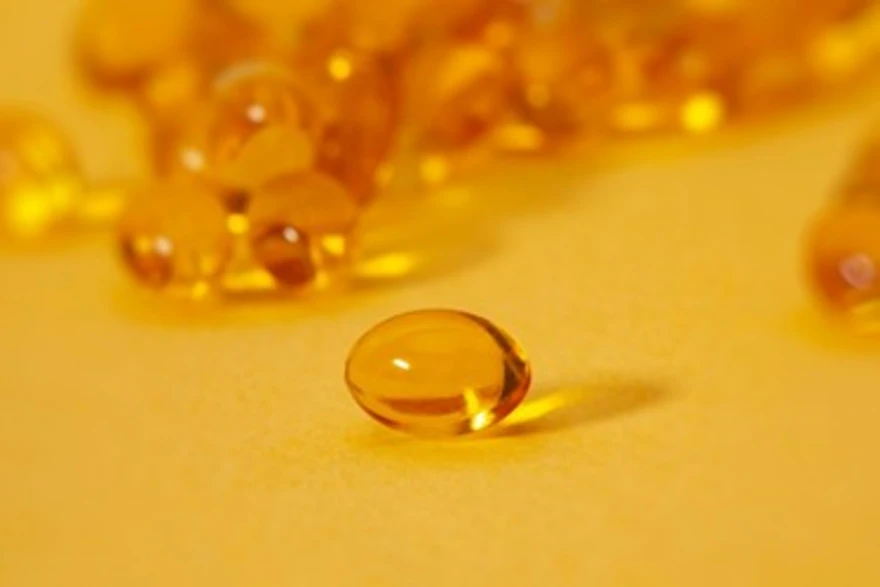
Table of Contents
What Are Vitamin E Capsules?
Vitamin E capsules contain tocopherols and tocotrienols — two naturally occurring forms of vitamin E that function as fat-soluble antioxidants. These compounds protect the cell membranes, reduce oxidative stress, and enhance the body’s natural repair mechanisms.
They are available as soft gel capsules filled with vitamin E oil, which can be taken orally or applied topically. The oil is usually extracted from vegetable oils like sunflower, wheat germ, or safflower oil.
The capsule works in two ways:
- Internally: When taken orally, it supports healthy blood vessels, enhances antioxidant protection, strengthens immunity, and aids cell repair.
- Externally: When applied to the skin or scalp, vitamin E oil helps improve hydration, supports healing of minor dryness or irritation, and enhances skin softness.
Benefits of Vitamin E Capsules
1. Enhances Skin Health and Glow
Vitamin E capsules are well-known for their ability to nourish the skin deeply. They act as natural moisturisers by forming a protective layer that locks in moisture, making the skin soft, supple, and hydrated. Their antioxidant action helps prevent damage from UV exposure and pollution, reducing the appearance of fine lines and dark spots.
2. Reduces Signs of Ageing
Regular topical use of vitamin E oil supports skin barrier repair and may aid cell renewal, helping improve texture and reduce dryness-related fine lines. It also protects skin lipids from oxidation, which slows down premature ageing.
3. Supports Hair Growth and Strength
Vitamin E supports scalp health by reducing oxidative stress and maintaining circulation, which may help nourish hair follicles. This leads to stronger roots, reduced fall, faster growth and overall hair nourishment. It also balances scalp oil production, preventing dandruff and dryness.
4. Prevents Hair Damage and Split Ends
By reducing oxidative stress and free radical damage, vitamin E protects hair strands from environmental damage. It forms a natural barrier on hair cuticles, keeping them shiny and smooth.
5. Boosts Immunity
As a potent antioxidant, vitamin E strengthens the immune system by supporting the function of T-cells and other immune responses. This helps the body defend against infections and promotes faster healing.
6. Improves Heart Health
Vitamin E helps prevent oxidation of LDL cholesterol, which may contribute to reduced plaque formation risk. This promotes better cardiovascular health and reduces the likelihood of heart disease.
7. Enhances Eye and Brain Health
Vitamin E supplements may help slow progression of age-related macular degeneration and support brain cell integrity, though evidence on cognitive improvement remains mixed.
8. Aids in Wound Healing
Vitamin E supports tissue repair and regeneration. Applying it to minor wounds or scars may aid healing in some individuals, though results vary and allergic reactions are possible.
9. Balances Hormones and Supports Reproductive Health
Vitamin E contributes to hormone regulation and may support reproductive health; some studies suggest benefits for premenstrual symptom relief.
10. Promotes Overall Cellular Health
By reducing oxidative stress, vitamin E ensures the optimal function of cells, aiding in growth, repair, and overall vitality.
How to Use Vitamin E Capsules
Topical Use for Skin
- Direct Application: Pierce one capsule and extract the oil. Apply a few drops to your face or dry skin areas before bedtime. Gently massage it into your skin for 5–10 minutes. Wash it off the next morning for a healthy glow.
- As a Moisturiser Add-on: Add 2–3 drops of vitamin E oil to your regular moisturiser or serum. This helps enhance hydration and improve texture.
- Scar and Stretch Mark Treatment: Regular massage with vitamin E oil helps fade acne scars, surgical marks, or stretch marks by improving collagen elasticity.
- DIY Face Masks: Mix the capsule oil with natural ingredients like aloe vera, honey, or rose water for brightening and anti-ageing face masks.
- Scalp Massage: Mix vitamin E capsule oil with carrier oils like coconut, almond, or olive oil. Massage your scalp thoroughly to improve circulation and strengthen hair roots.
- Hair Conditioning Mask: Combine vitamin E oil with yoghurt or egg white and apply it to your hair for 20 minutes before rinsing. This deeply nourishes and softens hair.
- Leave-in Conditioner: Add a few drops of vitamin E oil to your conditioner to make hair shinier and frizz-free.
Oral Supplementation
- Dosage: Take one capsule (usually 100–200 IU) daily after a meal, as vitamin E is fat-soluble and absorbs best with dietary fats.
- With Doctor’s Advice: Always consult your physician before starting supplements, especially if you’re on medication or have chronic health conditions.
Recommended Daily Intake
According to the National Institutes of Health (NIH), the amount of vitamin E you need each day depends on your age and life stage.
The average daily recommended amounts are:
- Birth to 6 months: 4 mg
- Infants (7–12 months): 5 mg
- Children (1–3 years): 6 mg
- Children (4–8 years): 7 mg
- Children (9–13 years): 11 mg
- Teens (14–18 years): 15 mg
- Adults: 15 mg
- Pregnant teens and women: 15 mg
- Breastfeeding teens and women: 19 mg
These recommended values ensure optimal antioxidant protection and support for growth, immunity, and overall health at every stage of life.
Natural food sources include almonds, sunflower seeds, spinach, avocados, and olive oil. While supplements can help in deficiency cases, obtaining nutrients from a balanced diet is always preferred.
Potential Side Effects & Risks
Although generally safe, excessive intake of vitamin E can cause side effects such as:
- Nausea, stomach cramps, or diarrhoea
- Headaches and blurred vision
- Fatigue and muscle weakness
- Increased risk of bleeding due to reduced vitamin K absorption
- Allergic skin reactions when used topically (rare cases)
Avoid exceeding 1,000 mg (≈1,500 IU) daily from supplements, as excessive intake can interfere with vitamin K function and increase bleeding risk.
Diagnostic Test Related to Vitamin E
If you suspect a deficiency or are considering supplementation, these tests can help:
- Vitamin E (Tocopherol) Blood Test: Measures vitamin E concentration in the blood.
- Lipid Profile Test: Evaluates fat absorption efficiency, as vitamin E is fat-soluble.
- Liver Function Test: Checks how well your body metabolises fat-soluble vitamins.
- Complete Blood Count (CBC): Helps assess overall health and detect related issues.
- Vitamin Profile: A complete vitamin check of your body.
Who Should Avoid Vitamin E Medication?
Certain individuals should avoid or limit vitamin E supplementation, including:
- People with bleeding disorders or on blood thinners like warfarin.
- Individuals with vitamin K deficiency or liver disease.
- Pregnant and breastfeeding women should consult a healthcare professional before use.
- People with heart disease, diabetes, or hypertension, as high doses may interact with medications.
When to See a Doctor
Consult your doctor if you experience:
- Dizziness, fatigue, or vision problems after taking supplements.
- Skin irritation after topical application.
- Signs of internal bleeding, such as nosebleeds or bruising.
- If you are on long-term medication, discuss vitamin E use with your doctor, as it may interact with certain drugs.
Conclusion
Vitamin E capsules are a great addition to your wellness routine, enhancing skin glow, hair strength, immunity, and heart health. Like all supplements, they should be used responsibly and in moderation.
Add vitamin E-rich foods such as almonds, sunflower seeds, spinach, and avocados to your diet, or take supplements under your doctor’s guidance. Regular use, along with a balanced lifestyle, promotes lasting vitality.
Stay on top of your health with Metropolis Healthcare, offering 4000+ tests, full body checkups, speciality vitamin testing, and home sample collection across 10,000+ touchpoints. Enjoy quick turnaround, accurate results, and easy booking via website, call, app, or WhatsApp for complete convenience and care.
FAQs
What if I take vitamin E capsules daily?
TTaking vitamin E capsules daily within recommended limits supports cell health, immunity, and antioxidant protection. However, overuse can lead to toxicity, so medical guidance is essential.
Is a vitamin E capsule good for our face?
Yes. Vitamin E capsules benefit your skin. Applying vitamin E oil on your face helps lighten dark spots, improve skin elasticity, and reduce wrinkles. It’s best used at night to allow better absorption.
How long does it take for vitamin E to work?
Results vary by individual. Visible improvements in skin or hair typically appear within 4–6 weeks of consistent use, while internal benefits take longer.
What are vitamin E capsules good for?
They are excellent for improving skin glow, enhancing hair strength, boosting immunity, and protecting the heart and brain from oxidative stress.
What happens if I take too much vitamin E?
Excessive vitamin E can cause nausea, fatigue, or internal bleeding due to reduced blood clotting. Stop use and consult your doctor immediately if symptoms appear.
References
- https://ods.od.nih.gov/factsheets/VitaminE-Consumer/
- https://www.mayoclinic.org/drugs-supplements-vitamin-e/art-20364144
- https://www.nhs.uk/conditions/vitamins-and-minerals/vitamin-e/
- https://www.webmd.com/vitamins/ai/ingredientmono-954/vitamin-e