Home Visit
 Upload






Preventive Healthcare
H. Pylori Infection: Symptoms, Testing And Treatment
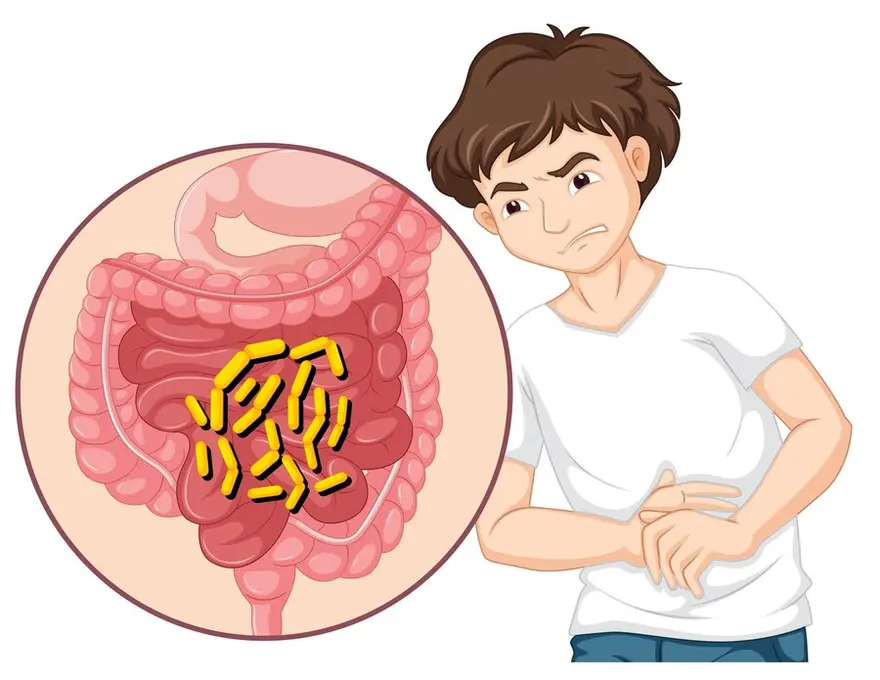
Table of Contents
- What Is H. Pylori Infection?
- How H. Pylori Affects Your Stomach
- What Causes H. Pylori Infection?
- Risk Factors For H. Pylori Infection
- H. Pylori Infection Symptoms
- Warning Signs You Should Not Ignore
- Complications Of Untreated H. Pylori
- How Is H. Pylori Diagnosed?
- H. Pylori Treatment Options
- How Long Does H. Pylori Treatment Take?
- Why Follow-Up Testing Matters
- Diet And Self-Care During Recovery
- Can H. Pylori Infection Be Prevented?
- When Should You See A Doctor?
- FAQs
- The Bottom Line
- References
If you have ongoing stomach discomfort, bloating, or a burning pain that does not seem to settle, you may wonder if H. pylori could be the reason. H. pylori, or Helicobacter pylori, is a common bacterial infection that affects the stomach lining. Many people carry it without knowing it.
Even when it does not cause obvious symptoms, H. pylori infection can irritate your stomach over time. In some people, it can lead to gastritis, peptic ulcer disease, and a higher risk of gastric cancer. The good news is that doctors can diagnose it with simple tests, and treatment is usually effective when you follow it carefully.
What Is H. Pylori Infection?
Helicobacter pylori is a type of bacteria that infects the lining of your stomach. It is one of the most common chronic bacterial infections in the world. Many people are exposed to it during childhood, especially in places where sanitation and access to clean water may be limited.
Most people with H. pylori do not develop symptoms. However, the bacteria can stay in the stomach for years if it is not treated. Over time, this may contribute to inflammation and other gastrointestinal diseases that affect your digestive comfort and long-term stomach health.
How H. Pylori Affects Your Stomach
Your stomach normally has a protective lining that shields it from acid. H. pylori weakens this protection. The bacteria produce substances that help them survive in the acidic stomach environment and settle into the stomach lining.
Once there, they can trigger irritation and chronic inflammation. This may lead to gastritis, which is inflammation of the stomach lining. In some cases, the damage becomes deeper and causes peptic ulcer disease, with sores in the stomach or the first part of the small intestine.
Long-standing infection can also increase the risk of gastric cancer in a small number of people. This does not mean everyone with H. pylori will develop cancer, but it is one reason doctors take the infection seriously.
What Causes H. Pylori Infection?
H. pylori infection usually spreads from person to person. It may pass through saliva or through contact with vomit or stool from an infected person. It can also spread through contaminated food, water, or surfaces.
This is why the infection is more common in settings with overcrowding, poor sanitation, or an unreliable supply of safe drinking water. Many people first get the infection in childhood and may not know they have it until symptoms appear later.
Risk Factors For H. Pylori Infection
Your risk of getting H. pylori may be higher if you:
- Live in crowded conditions
- Do not have regular access to clean water
- Live in or have lived in areas with poor sanitation
- Share utensils or food in settings where hygiene is poor
- Have close household contact with someone who has the infection
These factors do not guarantee infection, but they can increase exposure.
H. Pylori Infection Symptoms
Many people have no symptoms at all. When H. pylori symptoms do appear, they are often linked to gastritis or peptic ulcer disease.
Common H. pylori infection symptoms include:
- Burning or aching pain in your upper abdomen
- Pain that feels worse when your stomach is empty
- Bloating
- Frequent burping
- Nausea
- Vomiting
- Loss of appetite
- Unexplained weight loss
- Feeling full quickly after eating a small amount
Some people describe the pain as dull, nagging, or worse at night. If you notice ongoing symptoms, it is sensible to speak to your doctor rather than ignore them.
Warning Signs You Should Not Ignore
Some symptoms need urgent medical attention. Seek medical help promptly if you have:
- Black, tarry stools
- Vomit with blood or a coffee-ground appearance
- Sudden, severe stomach pain
- Trouble swallowing
- Unusual dizziness, fainting, or extreme weakness
These can be signs of bleeding or another serious complication.
Complications Of Untreated H. Pylori
Untreated H. pylori can lead to several problems.
Gastritis
This is ongoing inflammation of the stomach lining. It can cause pain, nausea, bloating, and indigestion.
Peptic Ulcer Disease
H. pylori is a major cause of peptic ulcer disease. Ulcers can develop in the stomach or duodenum and may cause burning pain, nausea, or bleeding.
Bleeding, Perforation, Or Blockage
A severe ulcer can bleed, create a hole in the stomach wall, or block food from moving out of the stomach. These are medical emergencies.
Increased Risk Of Gastric Cancer
Long-term infection is a known risk factor for gastric cancer. Your risk may be higher if you also have a strong family history or other stomach conditions. This is one reason why proper testing and H. pylori treatment matter.
How Is H. Pylori Diagnosed?
If your doctor suspects H. pylori, they will choose the most suitable test based on your symptoms, medical history, age, and whether they suspect an ulcer or another complication.
Because many gastrointestinal diseases can cause similar symptoms, testing is important. It helps confirm whether Helicobacter pylori is the cause of your problem.
Urea Breath Test
This is one of the most common and reliable non-invasive tests. You swallow a substance containing urea, and if H. pylori is present, the bacteria break it down in a way that can be detected in your breath.
Doctors often use this test to diagnose active infection. It may also be used after treatment to check if the infection has cleared.
Stool Antigen Test
This test checks your stool for proteins linked to H. pylori. It is another useful way to detect an active infection.
It may also be used after treatment to confirm that the bacteria is gone.
Blood Test
A blood test looks for antibodies against H. pylori. It can show that your body has been exposed to the bacteria, but it may not reliably tell whether you still have an active infection.
Because of this, blood testing is often less useful than breath or stool tests when the goal is to confirm current infection.
Upper Endoscopy And Biopsy
If you have alarm symptoms, severe pain, bleeding, or a higher risk of complications, your doctor may advise an upper endoscopy. During this procedure, they look inside your oesophagus, stomach, and duodenum with a thin flexible tube.
They may take a small tissue sample, called a biopsy, to look for inflammation, ulcers, or H. pylori. This approach can also help assess more serious stomach problems.
H. Pylori Treatment Options
H. pylori treatment usually involves a combination of medicines for about 14 days. Your doctor may prescribe:
- Two or more antibiotics to kill the bacteria
- A proton pump inhibitor to reduce stomach acid
- Sometimes bismuth, which helps protect the stomach lining and supports treatment
You may hear terms such as triple therapy or quadruple therapy. The exact combination depends on your medical history, any medicine allergies, and local antibiotic resistance patterns.
It is very important to complete the full course, even if you start to feel better earlier. Stopping treatment too soon may allow the infection to remain and can make it harder to treat later.
How Long Does H. Pylori Treatment Take?
Most treatment courses last around 14 days. However, your symptoms may take longer to improve, especially if you also have gastritis or peptic ulcer disease.
Your stomach lining needs time to heal, so symptom relief may continue gradually even after the bacteria has been treated.
Why Follow-Up Testing Matters
After treatment, your doctor may advise a breath test or stool antigen test to make sure the infection is truly gone. This is an important step because symptoms alone cannot confirm cure.
If symptoms continue, follow-up testing can also help your doctor decide whether you need a different treatment plan or evaluation for other gastrointestinal diseases.
Diet And Self-Care During Recovery
Food does not cause H. pylori, but some foods and drinks may worsen irritation while your stomach heals.
You may find it helpful to limit:
- Very spicy foods
- Highly acidic foods if they trigger discomfort
- Alcohol
- Excess caffeine
- Very greasy or heavy meals
Try eating simple, balanced meals and notice which foods worsen your symptoms. It is also wise to avoid smoking if you smoke, because it can slow healing.
Home remedies may ease discomfort for some people, but they do not replace proper H. pylori treatment. If you have a confirmed infection, medicines are usually needed to clear it.
Can H. Pylori Infection Be Prevented?
You cannot prevent every case, but simple hygiene habits can lower your risk.
You can help protect yourself by:
- Washing your hands well after using the toilet and before eating
- Drinking safe, clean water
- Making sure food is prepared hygienically
- Avoiding sharing utensils, especially in unhygienic settings
These steps are also helpful for reducing the spread of other gastrointestinal diseases.
When Should You See A Doctor?
You should speak to your doctor if you have:
- Ongoing upper abdominal pain
- Repeated bloating, nausea, or indigestion
- Suspected ulcer symptoms
- Unexplained weight loss or poor appetite
- A family history of stomach cancer
- Symptoms that continue after treatment
Do not delay medical care if you notice black stools, vomiting blood, or severe pain.
FAQs
What Is The Best Way To Treat H. Pylori?
The best approach is the one your doctor prescribes based on your needs. In most cases, H. pylori treatment includes a combination of antibiotics and acid-reducing medicine, and sometimes bismuth. Taking the full course exactly as advised is very important.
Can H. Pylori Infection Go Away On Its Own?
It can persist for years if it is not treated. Even if your symptoms improve for a while, the bacteria may still be present. That is why confirmed infection usually needs medical treatment.
Is H. Pylori Linked To Stomach Cancer?
Yes. H. pylori is a known risk factor for gastric cancer. Most people with the infection will not develop cancer, but the association is well recognised. Timely diagnosis and treatment may help lower long-term risk.
How Long Does It Take To Treat H. Pylori Infection?
Treatment often lasts about 14 days. Your doctor may then recommend follow-up testing after a suitable interval to confirm the infection has cleared.
Is H. Pylori Contagious?
Yes, it can spread from person to person, especially through poor hygiene, contaminated food or water, or close contact with saliva, vomit, or stool.
Which Test Is Best For Detecting H. Pylori?
For active infection, the urea breath test and stool antigen test are commonly preferred because they can identify current infection. The best test for you depends on your symptoms and medical history.
The Bottom Line
H. pylori infection is common, and in many cases it is treatable. If you have ongoing stomach discomfort, H. pylori symptoms, or signs of peptic ulcer disease, do not ignore them. The right test can help identify the cause, and the right treatment can help your stomach heal.
If your doctor advises testing, timely diagnosis can make a real difference, especially when the goal is to prevent complications such as bleeding ulcers or reduce long-term gastric cancer risk.
For trusted diagnostic support, you can explore Metropolis Healthcare’s services for doctor-advised tests and health checkups. With NABL and CAP-accredited labs, 4,000+ tests, expert pathology support, and convenient booking options including home sample collection where applicable, Metropolis helps make diagnostic care simpler and more accessible. You can also read more wellness and disease education articles on the Metropolis website to stay informed about your health.
References
- Malfertheiner P, Camargo MC, El-Omar E, Liou JM, Peek R, Schulz C, Smith SI, Suerbaum S. Helicobacter pylori infection. Nat Rev Dis Primers. 2023;9(1):19. PMID: 37081005.
- Chey WD, Abraham NS, Bhatia SJ, et al. ACG Clinical Guideline: Treatment of Helicobacter pylori Infection. Am J Gastroenterol. 2024;119(9):1730-1753. PMID: 39626064.
- MedlinePlus. Helicobacter Pylori Tests. U.S. National Library of Medicine. 2023.
- Mayo Clinic. Helicobacter pylori infection: Symptoms and Causes. 2025.
- Mayo Clinic. Helicobacter pylori infection: Diagnosis and Treatment. 2025.
- National Institute of Diabetes and Digestive and Kidney Diseases. Diagnosis of Peptic Ulcers and H. pylori Testing. 2025.
- Metropolis Healthcare. H. Pylori Antigen Detection Stool Test Information, Home Diagnostic Services, and Brand Information. 2026.