Home Visit
 Upload






Preventive Healthcare
Grand Mal Seizure (Tonic-Clonic): Causes, What Happens & Emergency Response
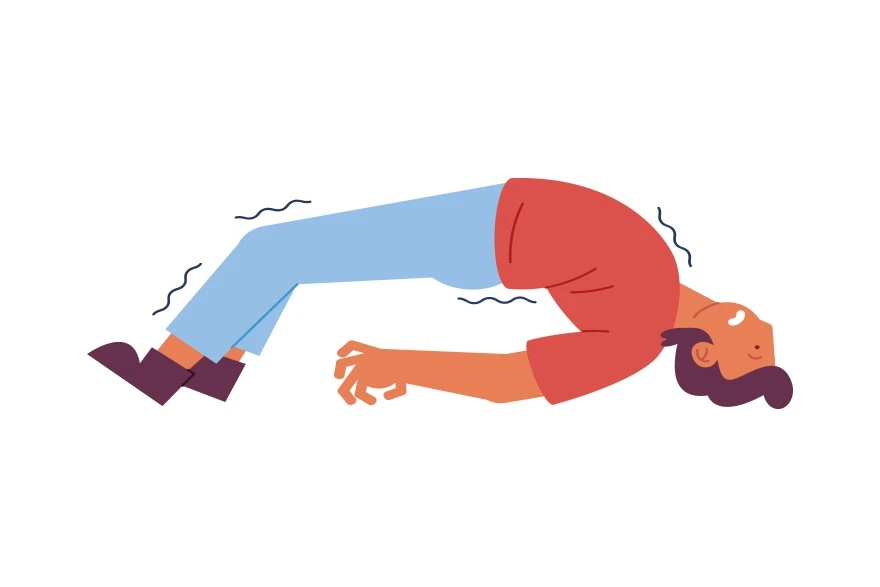
Table of Contents
- What Is a Grand Mal Seizure (Tonic-Clonic Seizure)?
- What Happens During a Grand Mal Seizure?
- Symptoms of Grand Mal Seizures
- Causes of Grand Mal Seizures
- Triggers for Grand Mal Seizures
- How Grand Mal Seizures Are Diagnosed
- Grand Mal Seizure Treatment Options
- Emergency Response: What to Do During a Grand Mal Seizure
- Complications of Grand Mal Seizures
- Living With Tonic-Clonic Seizures
- When to See a Doctor
- Conclusion
- FAQs
What Is a Grand Mal Seizure (Tonic-Clonic Seizure)?
A tonic-clonic seizure is a generalized seizure that occurs when abnormal electrical activity spreads throughout the entire brain. According to the CDC, the term "grand mal" seizure was historically used to describe these events. Unlike focal seizures, which affect only specific brain regions, this type of seizure involves widespread disruption of normal brain function, causing complete loss of consciousness and violent muscle contractions.
The term "tonic-clonic" describes the two distinct seizure stages that characterise this condition. During the tonic phase, muscles become rigid and stiff, while the clonic phase involves rhythmic jerking movements. These seizures represent a serious neurological event that requires immediate attention and proper emergency response.
What Happens During a Grand Mal Seizure?
- Sudden onset: The person loses consciousness immediately as abnormal electrical activity begins
- Tonic phase begins: All muscles become rigid and stiff, lasting 10–20 seconds
- Vocal cry: Air forced past vocal cords creates a loud cry, groan, or yell
- Body collapse: Muscle rigidity causes the person to fall suddenly
- Breathing difficulty: Chest muscles may restrict normal breathing patterns
- Clonic phase starts: Rhythmic jerking movements begin in arms and legs
- Convulsive movements: Limbs jerk rapidly, bending and relaxing repeatedly
- Gradual slowing: Jerking movements decrease in intensity over 1–2 minutes
- Seizure ends: Convulsions stop completely
- Recovery phase: Person remains unconscious, often sleeping deeply often accompanied by loud snoring
Symptoms of Grand Mal Seizures
• Sudden loss of consciousness and awareness
• Rigid muscle stiffness throughout the body
• Violent jerking or convulsive movements of arms and legs
• Loud cry or groan at seizure onset
• Tongue or cheek biting, potentially causing bloody saliva
• Bluing of skin or lips due to breathing difficulties
• Loss of bladder or bowel control during the episode
• Severe confusion and disorientation after the seizure
• Exhaustion and sleepiness following the episode
• Headaches and muscle soreness post-seizure
• Temporary speech difficulties or memory problems
Causes of Grand Mal Seizures
Tonic-clonic seizure causes primarily stem from epilepsy, a neurological condition characterized by recurrent, unprovoked seizures. However, grand mal seizures can also occur in people without epilepsy when triggered by specific medical conditions or circumstances such as:
• Brain injuries from trauma or accidents
• Stroke or other cerebrovascular events
• Brain tumours or structural abnormalities
• Infections affecting the brain, such as meningitis
• Metabolic imbalances, including low blood sugar
• High fever, particularly in children
• Genetic predisposition to epilepsy
• Alcohol withdrawal or drug toxicity
Triggers for Grand Mal Seizures
• Sleep deprivation or irregular sleep patterns
• High stress levels and strong emotional situations
• Hormonal changes, including menstrual cycle fluctuations
• Strenuous physical exercise or overexertion
• Flashing lights or loud music (photosensitive epilepsy)
• Missing doses of anti-seizure medications
• Excessive alcohol consumption or withdrawal
• Certain medications that lower seizure threshold
• Illness, fever, or dehydration
• Extreme temperatures or weather changes
How Grand Mal Seizures Are Diagnosed
- Detailed medical history: Gathering information about the seizure event, frequency, and potential triggers
- Eyewitness accounts: Collecting descriptions from people who observed the seizure
- Physical examination: Conducting thorough neurological assessments
- Trigger identification: Investigating environmental or physiological factors
- Laboratory testing: Checking blood chemistry, medication levels, and metabolic function
- Neuroimaging studies: Using MRI or CT scans to visualize brain structure
- EEG monitoring: Recording electrical brain activity to confirm diagnosis
Tests for Grand Mal Seizure
• Electroencephalogram (EEG): Records brain electrical activity showing characteristic seizure patterns
• MRI scanning: Provides detailed brain images revealing structural abnormalities
• CT scanning: Creates cross-sectional brain images detecting tumours or bleeding
• Blood tests: Used to evaluate autoimmune causes (Autoimmune Epilepsy Profile, Autoimmune Encephalitis Panel), monitor anti-seizure drug levels (Phenobarbitone, Levetiracetam, Carbamazepine/Tegretol Serum), and detect infections (Complete Blood Count)
• Lumbar puncture: Examines cerebrospinal fluid if infection is suspected
• Video monitoring: Captures seizure activity simultaneously with EEG recordings
Grand Mal Seizure Treatment Options
• Anti-seizure medications are the first-line treatment for most patients with tonic-clonic seizures
• Emergency medications for ongoing or prolonged seizure episodes
• Surgical interventions for medication-resistant cases
• Nerve stimulation therapies (such as vagus nerve stimulation or responsive neurostimulation) for medication-resistant cases
• Lifestyle modifications and trigger identification
Anti-Seizure Medications (ASMs)
• First-generation medications: Phenytoin, phenobarbital, and valproic acid
• Second-generation medications: Levetiracetam, lamotrigine, and lacosamide with fewer side effects
• Third-generation medications: Newest agents with improved tolerability profiles
• Combination therapy: Multiple medications used together for better control
Emergency Medications
• Benzodiazepines: Lorazepam, diazepam, or midazolam are used for rapid seizure cessation in medical settings
• Intranasal midazolam: Quick absorption through nasal membranes
• Intramuscular injections: Alternative when oral medications aren't possible
• Rectal diazepam: Emergency option when intravenous access is unavailable
Surgery & Nerve Stimulation Treatments
For medication-resistant epilepsy, surgical options may be considered. Resective surgery removes specific brain tissue causing seizures, while vagus nerve stimulation uses implanted devices sending electrical impulses to reduce seizure frequency. These treatments require comprehensive evaluation at specialised epilepsy centres to determine candidacy and potential benefits.
Lifestyle Management & Prevention
• Maintain consistent sleep schedules and adequate rest
• Identify and avoid personal seizure triggers
• Take medications exactly as prescribed without missing doses
• Limit alcohol consumption and avoid recreational drugs
• Manage stress through relaxation techniques and regular exercise
• Wear medical alert identification for emergency situations
Emergency Response: What to Do During a Grand Mal Seizure
- Stay calm: Keep composed to provide effective assistance
- Ensure safety: Move dangerous objects away from the person
- Cushion the head: Place something soft under their head if possible
- Turn sideways: Position the person on their side to prevent choking
- Time the seizure: Note when convulsions begin and end
- Don't restrain: Never hold down or restrict movement
- Clear the airway: Ensure nothing blocks breathing passages
- Stay present: Remain with the person until they fully recover
- Provide comfort: Speak calmly and reassuringly as consciousness returns
When NOT to Intervene
• Never put anything in the person's mouth during a seizure
• Don't try to hold them down or stop their movements
• Avoid giving food, water, or medications during the episode
• Don't perform mouth-to-mouth resuscitation unless breathing stops completely
When to Call Emergency Services
• The seizure lasts longer than 5 minutes
• Multiple seizures occur without full recovery between episodes
• The person has difficulty breathing after the seizure ends
• Serious injury occurs during the seizure
• This is the person's first known seizure
• The person has diabetes, heart disease, or is pregnant
Complications of Grand Mal Seizures
• Physical injuries from falls or violent movements during seizure stages
• Tongue or cheek biting causing oral trauma
• Breathing difficulties or temporary oxygen deprivation
• Status epilepticus - prolonged seizures requiring emergency treatment
• Sudden unexpected death in epilepsy (SUDEP) - rare but serious risk
• Psychological impact including anxiety, depression, and social isolation
• Medication side effects from anti-seizure treatments
• Cognitive effects from frequent or severe seizures
Living With Tonic-Clonic Seizures
• Develop comprehensive seizure management plans with healthcare providers
• Maintain detailed seizure diaries to identify patterns and triggers
• Build strong support networks with family, friends, and epilepsy communities
• Educate those around you about proper seizure response
• Explore assistive technologies for seizure detection and alerts
Safety Precautions
• Install safety equipment in bathrooms and bedrooms
• Avoid swimming alone or engaging in high-risk activities
• Consider seizure alert devices for independence and safety
• Modify home and work environments to reduce injury risks
• Always carry medical identification and emergency contact information
Support & Monitoring
• Regular follow-up appointments with neurologists or epileptologists
• Periodic blood tests to monitor medication levels and side effects
• EEG monitoring to assess seizure control and treatment effectiveness
• Support groups for people with epilepsy and their families
• Educational resources about living well with seizure disorders
When to See a Doctor
• You experience your first seizure or suspect you've had one
• Seizure patterns change in frequency, duration, or characteristics
• New symptoms develop or existing ones worsen
• Medication side effects become problematic or concerning
• You're planning pregnancy or experiencing hormonal changes
• Work, school, or daily activities become significantly impacted
• You have questions about driving, employment, or lifestyle restrictions
Conclusion
Understanding tonic-clonic seizures empowers you to respond effectively during emergencies and support loved ones living with epilepsy. Recognizing grand mal seizure symptoms, knowing appropriate emergency responses, and understanding available tonic-clonic seizure treatments form the foundation of effective seizure management.
Whether you're supporting someone with epilepsy or seeking information for yourself, remember that proper diagnosis and ongoing medical care significantly improve outcomes. Modern anti-seizure medications and comprehensive treatment approaches help many people achieve long-term seizure control and maintain fulfilling, independent lives.
At Metropolis Healthcare, we understand the importance of accurate diagnosis in managing neurological conditions. Our comprehensive portfolio of over 4,000 tests includes specialised panels for neurological disorders, supported by a robust network of 220+ laboratories across India. With convenient home sample collection services available through 10,000+ touchpoints nationwide, accessing precise diagnostics has never been easier.
FAQs
What causes a grand mal seizure?
Grand mal seizures result from abnormal electrical activity in the brain, commonly caused by epilepsy, head injuries, infections, or metabolic imbalances.
What is the difference between grand mal and focal seizures?
Grand mal seizures affect the entire brain causing complete unconsciousness, while focal seizures begin in specific brain regions allowing partial awareness.
Can you stop a grand mal seizure?
You cannot stop a seizure once it begins, but emergency medications like benzodiazepines can help terminate prolonged seizures in medical settings.
How long does a tonic-clonic seizure last?
Most tonic-clonic seizures last 1-3 minutes, with the tonic phase lasting 10–20 seconds and clonic phase continuing for 1-2 minutes typically.
Can stress cause tonic-clonic seizures?
Yes, extreme stress and emotional upheaval can trigger tonic-clonic seizures in people with epilepsy by disrupting normal brain electrical activity patterns.
Are grand mal seizures dangerous?
While frightening, most grand mal seizures resolve safely, though prolonged seizures or frequent episodes require immediate medical attention.
What happens to the brain during a grand mal seizure?
Abnormal electrical activity spreads throughout the brain, disrupting normal communication between nerve cells and causing widespread neurological symptoms.
References
1. https://my.clevelandclinic.org/health/diseases/22788-tonic-clonic-grand-mal-seizure
2. https://www.cdc.gov/epilepsy/about/types-of-seizures.html
3. https://www.ncbi.nlm.nih.gov/books/NBK554496/
4. https://ufhealth.org/conditions-and-treatments/generalized-tonic-clonic-seizure
5. https://www.hopkinsmedicine.org/health/conditions-and-diseases/epilepsy/tonic-clonic-grand-mal-seizures