Home Visit
 Upload






Preventive Healthcare
Oligodendroglioma: Understanding This Brain Tumour & What to Expect
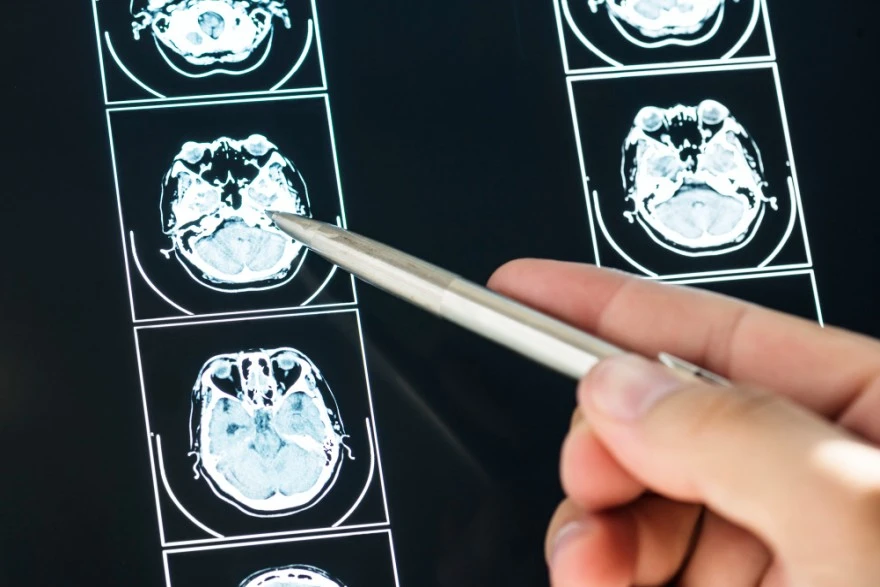
Table of Contents
- What is Oligodendroglioma?
- Types of Oligodendroglioma (Grade 2 & Grade 3)
- Causes and Risk Factors of Oligodendroglioma
- Oligodendroglioma Diagnosis
- Oligodendroglioma Treatment Options
- Life Expectancy & Survival Rate in Oligodendroglioma
- Living With Oligodendroglioma
- Complications of Oligodendroglioma
- When to See a Doctor
- Prevention & Risk Reduction Tips
- Conclusion
- FAQs
What is Oligodendroglioma?
Oligodendroglioma is a specific type of brain tumour that originates from oligodendrocytes, the cells responsible for creating myelin sheaths that insulate nerve fibres in your brain. These tumours typically develop in the cerebral hemispheres, most commonly affecting the frontal and temporal lobes. Unlike many other brain tumour types, oligodendroglioma tends to grow slowly, which means symptoms may develop gradually over months or even years.
The slow-growing nature of oligodendroglioma often means that people live with subtle symptoms for extended periods before seeking medical attention. For instance, you might experience occasional seizures that you initially dismiss as stress-related episodes or mild cognitive changes that seem like normal ageing. This gradual onset can make oligodendroglioma diagnosis challenging, as symptoms often mimic other neurological conditions.
What makes oligodendroglioma unique among brain tumour types is its cellular origin and growth pattern. These tumours arise from the brain's supportive tissue rather than nerve cells themselves, which influences both their behaviour and treatment response.
Types of Oligodendroglioma (Grade 2 & Grade 3)
• Grade 2 (Low-Grade) Oligodendroglioma: These tumours grow slowly and have a more favourable prognosis. Grade 2 oligodendrogliomas may remain stable for years, allowing many people to maintain normal daily activities. However, they require regular monitoring, as they can transform into higher-grade tumours over time.
• Grade 3 (Anaplastic or High-Grade) Oligodendroglioma: These tumours grow more rapidly and require more aggressive treatment. Grade 3 oligodendrogliomas often present with more severe symptoms of oligodendroglioma and may cause significant neurological changes more quickly than their lower-grade counterparts.
Causes and Risk Factors of Oligodendroglioma
Understanding oligodendroglioma causes remains an active area of medical research, with scientists continuing to investigate the complex factors that contribute to tumour development. Unlike some cancers with clearly identified risk factors, oligodendroglioma causes appear to involve genetic mutations that occur spontaneously rather than from environmental exposures or lifestyle choices.
Research has identified key genetic alterations associated with oligodendroglioma, particularly in the IDH1 and IDH2 (isocitrate dehydrogenase) genes. These genetic alterations appear to play a crucial role in how the tumour develops and responds to treatment. Oligodendrogliomas with IDH mutations often have better treatment responses and improved long-term outcomes.
Several characteristics are associated with oligodendroglioma development:
• Adult age (most commonly diagnosed in adults aged 35–44, according to the National Cancer Institute)
• Genetic mutations, especially IDH1 and IDH2 alterations
• Rare familial clustering reported in isolated cases
• No established preventable environmental risk factors
• No consistent link to radiation or chemical exposures has been established
How Oligodendroglioma Develops in the Brain
Oligodendroglioma begins when oligodendrocytes, the cells that maintain the myelin coating around your nerve fibres, undergo genetic changes that cause them to multiply abnormally. These transformed cells accumulate in your brain's white matter, typically within the cerebral hemispheres, creating a mass that gradually increases in size.
As the tumour grows, it can press against surrounding healthy brain tissue and interfere with normal electrical signals between neurons. The slow growth pattern characteristic of most oligodendrogliomas means your brain often compensates initially, which explains why symptoms of oligodendroglioma may remain absent for considerable periods. However, as the mass continues expanding, it eventually disrupts normal brain function and increases intracranial pressure, leading to the neurological signs that prompt medical evaluation.
Oligodendroglioma Diagnosis
- Detailed Medical History: Your doctor will ask about symptoms of oligodendroglioma such as seizures, headaches, cognitive changes, or focal neurological problems, along with their duration and progression.
- Comprehensive Neurological Examination: This assessment evaluates your cognitive function, motor control, sensory perception, reflexes, and coordination to identify areas of brain dysfunction.
- Advanced Brain Imaging: An MRI brain scan provides detailed visualization of your brain tissue, revealing the tumour's location, size, and characteristics that help distinguish oligodendroglioma from other brain tumour types.
- Molecular and Genetic Testing: Laboratory analysis identifies specific mutations like IDH changes and 1p/19q co-deletion, which are crucial for confirming oligodendroglioma diagnosis and determining your prognosis.
- Tissue Biopsy or Surgical Sampling: In most cases, obtaining a tissue sample through biopsy or surgery allows pathologists to examine the tumour cells under a microscope and confirm the diagnosis definitively.
Tests for Oligodendroglioma
• Magnetic Resonance Imaging (MRI): This primary imaging method provides the most detailed pictures of brain tissue and helps identify characteristic features of oligodendroglioma
• Computed Tomography (CT) Scan: CT imaging can reveal calcifications within the tumour, which occur frequently in oligodendrogliomas
• Positron Emission Tomography (PET) Scan: This advanced imaging technique helps assess tumour activity and metabolism
• Neurological Function Tests: Comprehensive assessments of memory, language, motor function, and other cognitive abilities
• Fundoscopic Examination: Eye examination to check for signs of increased pressure within the skull
• Genetic and Molecular Analysis: Laboratory testing of tumor tissue (e.g., Brain Tumor Panels 1 & 2, IHC Panels, Glioma Basic or Advanced Panels) to identify IDH mutations and other genetic markers
• Blood Tests: Health assessments (such as Cancer Marker Profile - Brain & Pituitary) to evaluate your overall condition before treatment
Oligodendroglioma Treatment Options
Oligodendroglioma treatment approaches depend on multiple factors, including tumour grade, location, size, and your overall health status.
• Surgical Resection: The primary treatment approach involves removing as much tumour tissue as possible while preserving important brain functions. Complete surgical removal offers the best long-term outcomes when safely achievable.
• Radiation Therapy: External beam radiation targets any remaining tumour cells after surgery, particularly important for higher-grade oligodendrogliomas or when complete surgical removal isn't possible.
• Chemotherapy: Some medications like temozolomide and PCV chemotherapy regimen (procarbazine, lomustine [CCNU], and vincristine) can effectively treat oligodendroglioma, especially tumours with specific genetic characteristics. Many patients respond well to combination chemotherapy regimens.
• Active Surveillance: For slow-growing grade 2 tumours in certain locations, careful monitoring with regular MRI brain scans may be appropriate before beginning active treatment.
• Combination Approaches: Most treatment plans integrate multiple methods to maximize effectiveness while minimizing side effects.
• Clinical Trial Participation: Access to innovative treatments through research studies may provide additional options for eligible patients.
Life Expectancy & Survival Rate in Oligodendroglioma
Oligodendroglioma prognosis varies significantly based on individual factors, but many patients achieve excellent long-term outcomes. Grade 2 oligodendroglioma typically has a more favourable prognosis, with many patients living normal lifespans when appropriate treatment is provided. Grade 3 oligodendroglioma generally requires more aggressive treatment but still offers hope for positive outcomes.
Patients with IDH-mutated oligodendrogliomas often experience better treatment responses and longer survival times compared to those without these genetic changes. The presence of favourable molecular markers, particularly IDH mutations combined with 1p/19q co-deletion, significantly improves prognosis and treatment response. These genetic features indicate tumours that respond better to chemotherapy and radiation therapy, leading to improved survival statistics.
Factors Affecting Prognosis
• Tumour Grade: Lower-grade tumours generally offer better long-term outcomes than higher-grade variants
• Genetic Profile: IDH mutations and other molecular markers often indicate more favourable prognosis
• Age at Diagnosis: Younger patients often experience better treatment responses and longer survival outcomes
• Extent of Surgical Removal: Complete or near-complete tumour resection generally leads to improved outcomes
• Treatment Response: How well the tumour responds to radiation and chemotherapy significantly influences long-term results
• Overall Health Status: Your general physical condition affects treatment tolerance and recovery
• Tumour Location: Some brain locations allow for more complete surgical removal than others
Living With Oligodendroglioma
• Regular Medical Follow-up: Consistent monitoring with your healthcare team ensures early detection of any changes and appropriate treatment adjustments
• Symptom Management: Working with specialists to address seizures, headaches, cognitive changes, or other symptoms that may develop
• Lifestyle Adaptations: Making practical adjustments to daily routines that accommodate any functional changes while maintaining independence
• Support System Development: Building strong relationships with family, friends, and support groups who understand your journey
• Vocational Considerations: Exploring workplace accommodations or vocational rehabilitation if required
• Emotional Well-being: Addressing anxiety, depression, or other emotional responses through counselling or support services
Managing Symptoms
• Seizure Control: Anti-epileptic medications can effectively prevent or reduce seizure frequency, with regular monitoring to optimise medication choices
• Headache Relief: Comprehensive pain management strategies combining medications with relaxation techniques and lifestyle modifications
• Cognitive Support: Neuropsychological rehabilitation helps address memory problems, concentration difficulties, and executive function challenges
• Physical Therapy: Targeted exercises to maintain strength, coordination, and balance while addressing any motor difficulties
• Speech and Language Therapy: Professional support for communication challenges that may arise from tumour location or treatment effects
• Occupational Therapy: Practical strategies to maintain independence with daily activities and workplace functions
Supportive Care Options
• Neuropsychological Services: Detailed assessment and targeted interventions for cognitive and behavioural changes
• Mental Health Support: Professional counselling to address emotional challenges related to diagnosis and treatment
• Pain Management: Specialised services for persistent headaches or other pain-related symptoms
• Rehabilitation Programs: Comprehensive approaches addressing physical, cognitive, and functional recovery goals
• Nutritional Guidance: Expert advice on maintaining optimal nutrition during treatment and recovery
• Palliative Care: This specialised medical care focuses on improving quality of life and managing symptoms, complementing your primary treatment
Complications of Oligodendroglioma
While oligodendroglioma generally has a more favourable outlook than many brain tumour types, potential complications can arise from both the tumour itself and its treatment. Tumour-related complications may include seizures, which affect a significant percentage of oligodendroglioma patients and often represent the first symptom.
Progressive neurological deficits can develop as the tumour grows, potentially affecting movement, sensation, speech, or cognitive function depending on the tumour's location. Increased intracranial pressure may occur with larger tumours, leading to headaches, vision changes, or balance problems.
Treatment-related complications vary depending on the specific therapies used. Surgical complications might include temporary swelling, infection, or neurological changes, though modern neurosurgical techniques have significantly reduced these risks. Radiation therapy can occasionally cause cognitive changes or increase the risk of developing other brain tumours years later. Chemotherapy may cause fatigue, nausea, or blood count changes that require careful monitoring.
When to See a Doctor
• New-Onset Seizures: Any unexplained seizure activity, especially in adults, warrants immediate medical evaluation
• Progressive Headaches: Headaches that worsen over time, change in character, or don't respond to usual treatments require medical assessment
• Cognitive Changes: Noticeable problems with memory, concentration, language, or thinking skills that persist or worsen
• Personality or Behavioural Changes: Significant alterations in mood, behaviour, or personality that concern family members
• Neurological Symptoms: New weakness, numbness, vision problems, or coordination difficulties
• Persistent Nausea and Vomiting: Especially when accompanied by headaches or vision changes
Prevention & Risk Reduction Tips
• Maintain Regular Exercise: Physical activity supports overall brain health and may help manage treatment-related fatigue and mood changes
• Follow a Balanced Diet: Good nutrition supports your immune system and helps your body cope with treatment demands
• Prioritise Quality Sleep: Adequate rest is essential for brain function and may help reduce seizure risk
• Manage Stress Effectively: Chronic stress can worsen symptoms and affect treatment outcomes, so develop healthy coping strategies
• Avoid Excessive Alcohol: Alcohol can interact with seizure medications and may worsen cognitive symptoms
• Stay Mentally Active: Engaging in challenging cognitive activities may help maintain mental sharpness despite treatment effects
• Maintain Social Connections: Strong relationships provide emotional support and may contribute to better outcomes
Conclusion
Understanding oligodendroglioma empowers you to navigate this diagnosis with knowledge and confidence. This brain tumour, whilst serious, often responds well to treatment, particularly when it contains favourable genetic markers like IDH mutations and 1p/19q co-deletion. The slow-growing nature of most oligodendrogliomas provides time for you and your medical team to develop comprehensive treatment strategies tailored to your specific situation.
Your prognosis depends on multiple factors, including tumour grade, molecular characteristics, and your overall health, but maintaining hope whilst staying informed about your condition serves you well throughout your journey.
The key to successful oligodendroglioma management lies in early accurate diagnosis, comprehensive treatment planning, and ongoing monitoring.
At Metropolis Healthcare, we understand the importance of accurate, timely diagnostic testing in managing complex conditions like oligodendroglioma. Our comprehensive portfolio of more than 4,000 tests includes specialised panels for neurological conditions and genetic testing that can support your medical team's diagnostic efforts. With our network of over 220 laboratories and 4,600 service centres spanning more than 10,000 touchpoints across India, we make accessing essential diagnostic services convenient and reliable. Our home sample collection service ensures you can access necessary tests and follow-up monitoring from the comfort of your home, allowing you to focus on your treatment and recovery.
FAQs
What causes oligodendroglioma?
Oligodendroglioma causes involve genetic mutations, particularly IDH gene alterations, that occur spontaneously rather than from known environmental factors or lifestyle choices.
Is oligodendroglioma curable?
Many oligodendrogliomas, especially grade 2 tumours with favourable genetic features, can achieve long-term remission or cure through appropriate treatment, including surgery, radiation, and chemotherapy.
What is the life expectancy for oligodendroglioma?
Life expectancy varies widely based on tumour grade and genetic factors. Low-grade oligodendrogliomas often allow survival for 10-20 years or more with treatment.
Is oligodendroglioma cancerous?
Yes, oligodendroglioma is a type of brain cancer, though it typically grows more slowly than other malignant brain tumour types and responds better to treatment.
Can oligodendroglioma come back after treatment?
Oligodendroglioma can recur after treatment, which is why regular MRI brain scans and follow-up appointments with your healthcare team are essential for monitoring.
How fast does oligodendroglioma grow?
Growth rates vary significantly. Low-grade oligodendrogliomas typically grow slowly over years, while higher-grade tumours may progress more rapidly, requiring prompt treatment intervention.
What is the difference between glioma and oligodendroglioma?
Oligodendroglioma is actually a specific type of glioma. Gliomas include various brain tumour types, whilst oligodendroglioma specifically develops from oligodendrocyte cells.
References
1. https://my.clevelandclinic.org/health/diseases/21191-oligodendroglioma
2. https://www.ncbi.nlm.nih.gov/books/NBK559184/
3. https://www.mayoclinic.org/diseases-conditions/oligodendroglioma/symptoms-causes/syc-20576736
4. https://www.cancer.gov/rare-brain-spine-tumor/tumors/oligodendroglioma
5. https://www.frontiersin.org/journals/molecular-neuroscience/articles/10.3389/fnmol.2021.722396/full
6. https://www.abta.org/tumor_types/oligodendroglioma/