Home Visit
 Upload






Preventive Healthcare
Mesothelioma: Causes, Symptoms & What You Need to Know
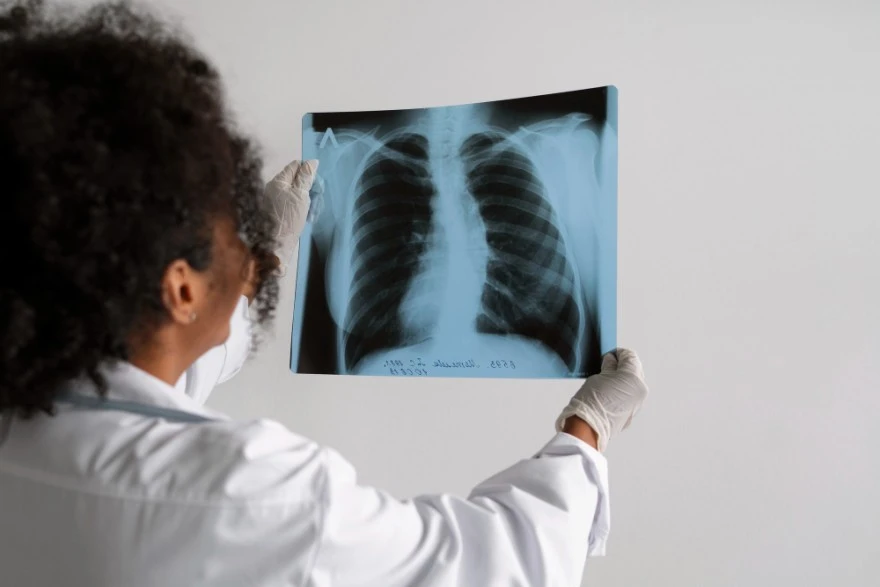
Table of Contents
- What is Mesothelioma?
- Types of Mesothelioma
- Mesothelioma Causes: Primary & Secondary Factors
- Symptoms of Mesothelioma
- When to See a Doctor
- How Mesothelioma is Diagnosed
- Mesothelioma Treatment Options
- Mesothelioma Prognosis & Survival Outlook
- Prevention of Mesothelioma
- Living With Mesothelioma
- Conclusion: Key Takeaways About Mesothelioma
- FAQs
What is Mesothelioma?
Malignant mesothelioma is a rare, aggressive cancer arising from the mesothelial cells lining the pleura, peritoneum, pericardium, or tunica vaginalis, the thin, protective membrane surrounding your internal organs. The mesothelium consists of two protective layers: one directly surrounding organs and another forming a protective sac around chest and abdominal organs.
When mesothelioma develops, these specialized mesothelial cells invade surrounding tissues and may spread to distant organs, causing significant health challenges. The disease's aggressive nature and tendency for late-stage diagnosis make early recognition crucial.
Types of Mesothelioma
• Pleural mesothelioma: The most common type, accounting for 70-80% of all cases, developing in the pleura (lung lining)
• Peritoneal mesothelioma: The second most common form, occurring in the peritoneum (abdominal cavity lining)
• Pericardial mesothelioma: A rare type affecting the pericardium (lining of the heart (pericardium))
• Testicular mesothelioma: The rarest form, developing in the tunica vaginalis (testicle covering membrane)
Mesothelioma is classified histologically as epithelioid (most common, better prognosis), sarcomatoid (more aggressive), or biphasic (mixed type), which influences treatment planning and prognosis expectations.
Mesothelioma Causes: Primary & Secondary Factors
Asbestos exposure accounts for over 80% of all mesothelioma cases, especially from amphibole-type asbestos (notably crocidolite and amosite), a group of naturally occurring fibrous minerals widely used in construction and manufacturing throughout the 20th century. When asbestos-containing materials become disturbed, they release microscopic fibres into the air.
These tiny fibres, when inhaled or swallowed, lodge in the mesothelium and cause inflammation and cellular damage over time. Workers in construction, shipbuilding, military service, and manufacturing industries face the highest occupational risk. Family members and household contacts may be affected through para-occupational (secondary) asbestos exposure occurs when fibres are brought home on contaminated clothing, hair, or equipment.
One striking feature of mesothelioma is its exceptionally long latency period. According to the National Organisation of Rare Disorders, symptoms may not appear until 30-50 years after initial asbestos exposure.
Symptoms of Mesothelioma
• Persistent shortness of breath or difficulty breathing during routine activities
• Chronic chest pain that worsens over time
• Ongoing cough that doesn't respond to typical treatments
• Night sweats and unexplained fever lasting several weeks
• Pleural effusion (fluid accumulation around the lungs) causing breathing difficulties
• Difficulty swallowing as the disease progresses
• Abdominal pain and swelling in peritoneal cases
• Unusual lumps or tissue masses under the skin
• Persistent fatigue and weakness without clear cause
In severe cases, additional mesothelioma symptoms may include blood clots (including pulmonary embolism), jaundice, and low blood sugar.
When to See a Doctor
• History of asbestos exposure at work, military service, or environmental contact
• Persistent chest pain or shortness of breath lasting more than a few weeks
• Chronic cough with chest discomfort that doesn't improve with standard treatments
• Night sweats, fever, or unexplained fatigue persisting for extended periods
• Fluid accumulation around lungs (pleural effusion) without clear cause
• Family history of mesothelioma or household asbestos exposure
• Abdominal swelling, pain, or digestive problems combined with asbestos exposure history
How Mesothelioma is Diagnosed
- Medical history and physical examination: Detailed review of occupational and environmental exposure (especially asbestos) followed by a thorough physical assessment
- Imaging tests: X-rays, CT scans, or MRI scans to visualise affected areas and detect tumours or abnormalities
- Fluid analysis: Extraction and microscopic examination of fluid samples to check for cancer cells
- Biopsy: Tissue sample removal and pathological examination to confirm mesothelioma cells and determine cell type
- Staging: Additional tests to determine cancer extent and spread for treatment planning
Tests for Mesothelioma
• Chest X-ray: Basic imaging to detect lung and chest cavity abnormalities
• CT (computed tomography) scan: Provides detailed cross-sectional images to identify tumours and assess disease extent
• MRI (magnetic resonance imaging): Magnetic field imaging for soft tissue evaluation
• PET (positron emission tomography) scan: Radioactive tracers identifying cancer activity areas
• Cytology – Pleural fluid by conventional method: Helps diagnose pleural effusions of infectious, malignant, or inflammatory origin
• Lung Marker Profile Test: Detects biomarkers associated with lung diseases
• Calretinin IHC: Helps identify mesothelial tumours and distinguish them from adenocarcinomas
Mesothelioma Treatment Options
• Surgery: Removal of cancer and affected tissue, potentially including organ lining or entire organs
• Chemotherapy: Specialized medicines to shrink or kill cancer cells, administered orally or intravenously
• Radiation therapy: High-energy rays directed at cancer cells to destroy them and prevent growth
• Immunotherapy: Medicines boosting immune system recognition and fighting of cancer cells
• Targeted therapy: Drugs blocking specific molecular pathways in cancer cell growth and spread
• Multimodal therapy: Combination approaches using surgery, chemotherapy, and radiation together
Mesothelioma Prognosis & Survival Outlook
The prognosis for mesothelioma varies significantly depending on multiple factors, though it's generally considered serious due to often advanced-stage diagnosis. Early-stage detection typically offers better treatment outcomes and longer survival times.
However, the disease's long latency period and nonspecific early symptoms mean many patients receive diagnoses at advanced stages when treatment options become more limited.
Factors Affecting Prognosis
• Stage at diagnosis: Earlier detection generally improves prognosis
• Mesothelioma types: Epithelioid cell type typically responds better to treatment
• Age and overall health: Younger, healthier patients often have better outcomes
• Treatment response: Individual response to chemotherapy and other therapies varies
• Location of cancer: Pleural and peritoneal mesotheliomas have different prognoses
Life Expectancy
Life expectancy with mesothelioma depends on numerous individual factors, including disease stage, treatment response, and overall health. While this rare cancer presents significant challenges, advances in mesothelioma treatment continue improving outcomes for many patients. Some individuals with early-stage disease and good overall health may live several years beyond diagnosis, especially with aggressive multimodal therapy.
Prevention of Mesothelioma
• Occupational safety: Use proper protective equipment in high-risk industries
• Home renovation caution: Test older buildings for asbestos before disturbing materials
• Professional removal: Hire certified professionals for asbestos abatement
• Family protection: Change clothes and shower after potential exposure to prevent secondary contamination
• Environmental awareness: Stay informed about asbestos in your community
• Regular health monitoring: Schedule check-ups if you have asbestos exposure history
Living With Mesothelioma
Receiving a mesothelioma diagnosis brings significant challenges, but many patients maintain meaningful lives while managing their condition. Working closely with your healthcare team, family, and support networks helps navigate treatment decisions and daily management strategies. Focus on maintaining your best possible quality of life through symptom management, nutritional support, and emotional well-being.
Managing Symptoms Daily
• Pain management: Work with healthcare providers to develop effective pain control plans
• Breathing techniques: Learn respiratory exercises to improve lung function
• Energy conservation: Plan activities around energy levels and rest periods
• Medication adherence: Follow prescribed treatment regimens consistently
Nutrition & Lifestyle Support
• Balanced nutrition: Maintain adequate protein and calorie intake to support healing
• Hydration: Drink plenty of fluids unless otherwise directed
• Gentle exercise: Engage in appropriate physical activity as tolerated
• Stress management: Practice relaxation techniques and seek emotional support
Support Groups & Resources
Connecting with others facing similar challenges provides valuable emotional support and practical advice. Many hospitals and cancer centres offer support groups specifically for rare cancer patients. Online communities also provide platforms for sharing experiences and accessing resources.
Conclusion: Key Takeaways About Mesothelioma
Mesothelioma is a rare cancer requiring prompt medical attention and comprehensive care. Understanding mesothelioma causes, primarily asbestos exposure, helps you recognise potential risks and seek appropriate evaluation. Early recognition of mesothelioma symptoms, including persistent chest pain, shortness of breath, and chronic cough, can lead to timelier diagnosis and potentially better outcomes.
While this rare cancer presents significant challenges, advances in mesothelioma treatment continue improving patient outcomes. The key lies in working closely with experienced healthcare professionals who understand the complexities of different mesothelioma types and can develop personalised treatment approaches.
At Metropolis Healthcare, we understand the importance of accurate, timely diagnostics in managing complex health conditions. Our comprehensive portfolio of over 4,000 specialised tests includes advanced diagnostic panels for cancer detection and monitoring. Through our extensive network of 220+ laboratories and 4,600+ service centres spanning 10,000+ touchpoints across India, We bring reliable diagnostic services directly to your doorstep through our convenient home sample collection service.
FAQs
What is usually the first sign of mesothelioma?
Persistent chest pain and shortness of breath are typically the earliest symptoms of mesothelioma that prompt medical evaluation.
Can mesothelioma be cured?
Mesothelioma currently has no definitive cure, but treatments like surgery, chemotherapy, immunotherapy, and radiation can extend survival, reduce symptoms, and slow progression, especially when diagnosed at an early stage.
Is mesothelioma always caused by asbestos?
While asbestos exposure causes most mesothelioma cases, rare instances occur without known asbestos contact.
How long can someone live with mesothelioma?
Although mesothelioma prognosis differs widely, many patients live roughly one to two years after diagnosis, yet survival can extend further depending on disease stage, treatment options, and overall health status.
How is mesothelioma different from lung cancer?
Mesothelioma develops in the lining of the lungs, not the lung tissue itself. It spreads differently, responds to different treatments, and is strongly linked to asbestos, unlike many lung cancers.
Who is at highest risk of mesothelioma?
Workers in the construction, shipbuilding, military, and manufacturing industries face the highest risk due to occupational asbestos exposure.
How fast does mesothelioma progress?
Mesothelioma typically progresses slowly at first, developing over decades after exposure. Once symptoms appear, it can advance rapidly, with tumour growth and spread accelerating without timely treatment.
References
1. https://my.clevelandclinic.org/health/diseases/22432-mesothelioma
2. https://rarediseases.org/rare-diseases/mesothelioma/
3. https://www.cdc.gov/mesothelioma/about/index.html
4. https://www.healthdirect.gov.au/mesothelioma
5. https://www.lung.org/lung-health-diseases/lung-disease-lookup/mesothelioma/learn-about-mesothelioma
6. https://www.nhs.uk/conditions/mesothelioma/