Home Visit
 Upload






Preventive Healthcare
Medulloblastoma: Childhood Brain Cancer – Symptoms, Treatments & Outlook
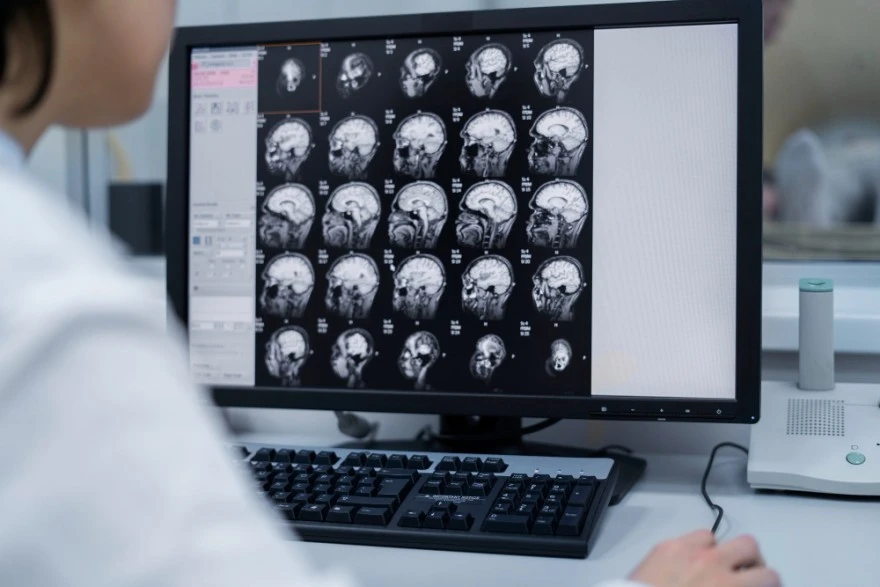
Table of Contents
- What Is Medulloblastoma?
- Causes and Risk Factors of Medulloblastoma
- Symptoms of Medulloblastoma
- Diagnosis of Medulloblastoma
- Diagnostic and Imaging Methods for Detecting Medulloblastoma
- Treatment Options for Medulloblastoma
- Surgical Treatment for Medulloblastoma
- Radiation and Chemotherapy
- Outlook and Prognosis of Medulloblastoma
- Long-Term and Late Effects of Medulloblastoma Treatment
- Life After Medulloblastoma
- Conclusion
- FAQs
What Is Medulloblastoma?
Medulloblastoma is a WHO Grade 4 embryonal tumour of the cerebellum that primarily affects children, most commonly between ages 3 and 8 years. It arises from neural progenitor (granule cell precursor) cells of the cerebellum, typically in the midline region (vermis) near the fourth ventricle. The tumour's rapid growth pattern often leads to cerebrospinal fluid blockage, causing increased pressure within the brain.
The 2021 WHO CNS Classification recognises four molecular subgroups — WNT-activated, SHH-activated, Group 3, and Group 4 — which replace the older histologic-only system (classic, desmoplastic/nodular, large cell/anaplastic). These molecular types better predict prognosis and treatment response. Early diagnosis with contrast-enhanced MRI of the brain and spine allows accurate tumour characterisation, staging, and treatment planning.
Causes and Risk Factors of Medulloblastoma
- Hereditary cancer syndromes: Approximately 5% of cases link to genetic conditions like Gorlin syndrome and Li-Fraumeni syndrome
- Age-related vulnerability: Children under 5 years show the highest incidence rates at 10 cases per million annually
- Genetic mutations: Genetic alterations linked to risk or prognosis include MYC and MYCN amplification, TP53 mutation (especially in SHH subgroup), and germline variants in PTCH1, SUFU, and TP53
- Gorlin syndrome connection: Children with Gorlin (nevoid basal cell carcinoma) syndrome carrying PTCH1 or SUFU variants have a higher risk of developing SHH-activated medulloblastoma, usually before age 3
- Li-Fraumeni syndrome impact: Children with Li-Fraumeni syndrome (TP53 germline mutation) are predisposed to medulloblastoma, especially the SHH-activated subtype
Symptoms of Medulloblastoma
- Persistent headaches that worsen over time, particularly in the morning
- Frequent vomiting and nausea without apparent cause
- Balance problems and unsteady walking due to cerebellar involvement
- Double vision or visual disturbances indicating neurological pressure
- Extreme fatigue and decreased energy levels
- Coordination difficulties affecting fine motor skills
- Head enlargement in infants (macrocephaly)
- Hearing problems or facial weakness if brainstem involvement occurs
These symptoms typically develop within 2-3 months before diagnosis. Parents often notice their child becoming increasingly clumsy or experiencing difficulty with previously mastered activities like riding bicycles or writing.
Diagnosis of Medulloblastoma
Diagnosing medulloblastoma requires comprehensive evaluation combining clinical assessment with advanced imaging studies. The diagnostic process begins with detailed medical history and neurological examination to identify concerning symptoms and physical signs. Healthcare providers assess coordination, reflexes, and cognitive function to determine neurological impact.
Following initial evaluation, imaging studies provide crucial diagnostic information. Diagnosis is usually made within days to a week after imaging, as hydrocephalus and raised intracranial pressure often require urgent surgical intervention whilst addressing urgent symptoms like hydrocephalus. Definitive diagnosis requires tissue analysis through surgical biopsy or tumour removal, enabling pathologists to confirm medulloblastoma and determine molecular subgroup classification.
Diagnostic and Imaging Methods for Detecting Medulloblastoma
- Medulloblastoma MRI scanning: Primary imaging method providing detailed brain and spinal cord visualisation
- Medulloblastoma radiology assessment: Comprehensive imaging evaluation including CT scans for bone involvement
- Spinal cord imaging: Essential for detecting metastatic spread along the spinal column
- Cerebrospinal fluid analysis: Cerebrospinal fluid (CSF) cytology: Performed 10–14 days after surgery to detect tumour cell dissemination (avoid early postoperative lumbar puncture due to herniation risk)
- Molecular genetic testing: Advanced profiling determining specific tumour subgroup
- Pathological examination: Microscopic tissue analysis confirming diagnosis
Treatment Options for Medulloblastoma
Contemporary medulloblastoma treatment employs multimodal approaches combining multiple therapeutic strategies:
- Surgical resection: Maximum safe tumour removal whilst preserving neurological function
- Radiation therapy: Craniospinal irradiation (CSI) treats microscopic tumour cells across the brain and spinal cord. Standard-risk patients receive 23.4 Gy; high-risk patients receive ~36 Gy, followed by a posterior fossa or tumour-bed boost
- Chemotherapy protocols: Chemotherapy regimens typically include cisplatin, vincristine, and cyclophosphamide (or lomustine), administered concurrently with or following radiation, tailored to risk level
- Risk-stratified treatment: Personalised therapy intensity based on prognostic factors
- Molecular-targeted therapy: Treatment approaches tailored to specific tumour subgroups
Treatment selection depends on multiple factors including patient age, tumour location, molecular characteristics, and disease spread. Younger children often receive modified protocols to minimise long-term developmental effects.
Surgical Treatment for Medulloblastoma
Surgery is the first step in treating medulloblastoma and aims to remove as much of the tumour as safely possible. The approach is planned based on the tumour’s location to protect vital brain functions. The procedure usually takes 4–6 hours, and recovery includes close monitoring. Surgeons may also place a shunt if hydrocephalus is present. Post-operative care focuses on neurological recovery and managing complications such as temporary cerebellar mutism.
Radiation and Chemotherapy
Following surgical recovery, most children proceed to adjuvant therapies combining radiation and chemotherapy. Craniospinal radiation delivers targeted doses throughout the brain and spinal cord, preventing metastatic spread whilst minimising healthy tissue exposure. Modern modalities such as proton beam therapy or intensity-modulated radiotherapy (IMRT) minimise damage to surrounding tissues, reducing long-term neurocognitive and endocrine side effects., reducing long-term side effects.
Chemotherapy regimens typically include multiple drugs administered over several months. Treatment protocols are carefully adjusted based on patient response and tolerance, ensuring optimal therapeutic benefit whilst managing side effects.
Outlook and Prognosis of Medulloblastoma
Prognosis depends on molecular subgroup and clinical risk: WNT-activated tumours have >90% 5-year survival, SHH-activated (non-TP53-mutant) around 75–80%, Group 4 about 75%, and Group 3 about 50–60%, with current five-year survival rates reaching 80% for standard-risk patients. Several factors influence prognosis including patient age, extent of surgical resection, presence of metastatic spread, and molecular characteristics. Children older than 3 years generally experience better outcomes due to ability to receive full-dose radiation therapy. Early detection and prompt treatment initiation remain crucial for optimal results.
Long-Term and Late Effects of Medulloblastoma Treatment
- Neurocognitive changes: Attention, executive function, and processing speed may be affected; early neuropsychological assessment is essential
- Growth and hormone issues: Possible growth hormone deficiency or early puberty
- Hearing and vision problems: Treatment-related sensory impairments
- Secondary malignancy risk: Small but real risk of therapy-related leukaemia or secondary CNS tumours after craniospinal radiation
- Social and emotional challenges: Adjustment difficulties requiring psychological support
Life After Medulloblastoma
With modern multimodal therapy, many survivors achieve long-term remission and return to full schooling and social life, though multidisciplinary follow-up remains essential, pursuing education, careers, and relationships successfully. Rehabilitation services including physiotherapy, occupational therapy, and educational support help children regain skills and adapt to any lasting effects. Family support and counselling play vital roles in emotional recovery and adjustment.
Survivors benefit from structured follow-up care monitoring for recurrence and late effects. Many children return to school within months of treatment completion, though some require educational accommodations. Support groups connect families with others sharing similar experiences, providing valuable emotional and practical guidance throughout the journey.
Conclusion
Medulloblastoma presents significant challenges, but advances in treatment have dramatically improved outcomes for affected children. The combination of expert medical care, family support, and comprehensive rehabilitation services offers hope for positive long-term outcomes.
At Metropolis Healthcare, we understand the critical importance of accurate diagnostic testing in managing complex conditions like medulloblastoma. Our advanced molecular and genetic testing panels support precise tumour classification — including WNT/SHH pathway markers, MYC/MYCN amplification, and TP53 status — critical for treatment planning. As India’s trusted diagnostics brand, we offer NABL & CAP accredited labs across 28 states and 7 union territories across the country, making diagnosis simple, accessible, and trustworthy.
FAQs
What are the early signs of medulloblastoma?
Early medulloblastoma symptoms include persistent morning headaches, frequent vomiting, balance problems, and coordination difficulties. Parents often notice their child becoming increasingly clumsy or experiencing double vision. These symptoms typically develop gradually over 2-3 months before diagnosis.
Can medulloblastoma be cured?
Yes, medulloblastoma can be cured in many cases. The combination of surgery, radiation, and chemotherapy has significantly improved cure rates compared to historical treatments, offering genuine hope for affected families.
How is medulloblastoma diagnosed?
Medulloblastoma diagnosis involves comprehensive evaluation, including detailed medical history, neurological examination, and advanced imaging studies.
What is the survival rate for medulloblastoma?
Medulloblastoma survival rates vary by risk group and molecular subtype. Standard-risk patients achieve over 80% five-year survival, whilst high-risk cases show 50-70% rates.
Can a child live a normal life after medulloblastoma treatment?
Many medulloblastoma survivors lead fulfilling, productive lives after treatment completion. While some may experience long-term effects requiring ongoing support, comprehensive rehabilitation services help children adapt and thrive. Regular follow-up care, educational accommodations when needed, and family support contribute to successful long-term adjustment and quality of life.
References
• https://pubmed.ncbi.nlm.nih.gov/32271463/
• https://www.cancer.gov/rare-brain-spine-tumor/tumors/medulloblastoma
• https://www.mayoclinic.org/diseases-conditions/medulloblastoma/symptoms-causes/syc-20579268
• https://my.clevelandclinic.org/health/diseases/22591-medulloblastoma