Home Visit
 Upload






Preventive Healthcare
What Do Braces Mean? Definition & Medical Facts
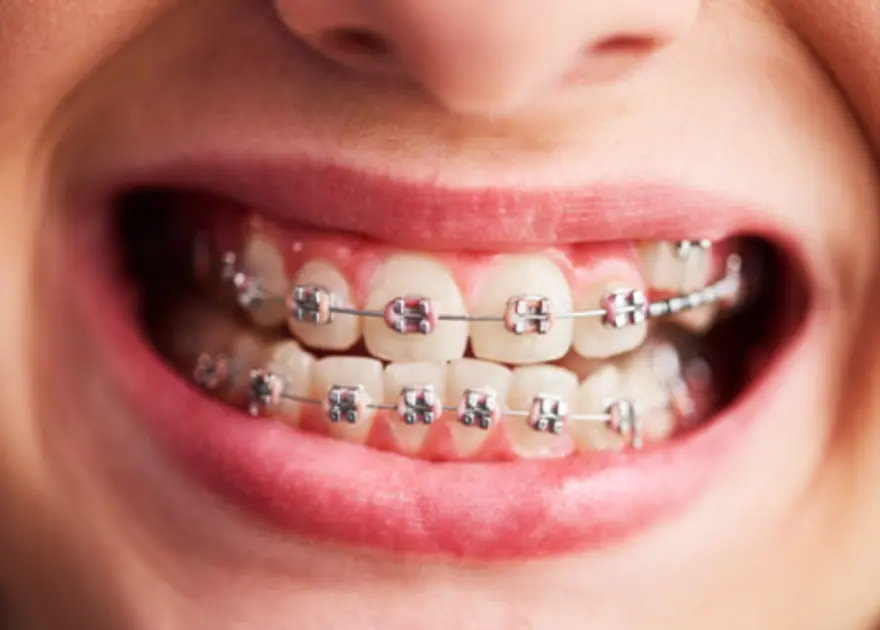
Table of Contents
- What Are Braces?
- How Braces Work
- Types of Braces
- What Are the Benefits of Braces?
- Who Needs Braces?
- Braces Treatment Process
- How Long Do You Need to Wear Braces?
- Possible Side Effects of Braces
- Costs and Payment Options for Braces
- Braces Care and Maintenance
- How to Handle Braces Pain and Discomfort
- Braces for Adults: Is It Too Late?
- Conclusion
- FAQs
What Are Braces?
Braces are sophisticated dental appliances specifically designed to straighten crooked teeth, close gaps, and correct misaligned bites gradually over time. The purpose of braces extends beyond cosmetic improvement—they function as medical devices that correct bite alignment issues and improve oral health.
These orthodontic tools consist of brackets bonded to individual teeth, connected by archwires that apply gentle, continuous pressure to guide tooth movement. This controlled force gradually moves teeth into their proper positions through a biological process called bone remodeling. Your jaw bone adapts to accommodate the new tooth positions, creating permanent structural changes that improve both appearance and function.
How Braces Work
The science behind braces involves several key components working together systematically:
- Brackets are carefully bonded to each tooth using special dental adhesive
- Archwires thread through the brackets, creating the primary force system
- Elastic bands or ligatures hold the wire securely in place
- Controlled pressure from the wire stimulates cellular activity in surrounding bone tissue
- Bone remodeling allows teeth to gradually shift into their new positions
- Regular adjustments maintain optimal pressure levels throughout treatment
- Additional components like rubber bands may address specific bite corrections
Types of Braces
According to the American Association of Orthodontists (AAO), modern orthodontic care provides different types of braces for the teeth, each designed with specific advantages.
- Traditional metal braces feature stainless steel brackets and wires, providing reliable results for complex cases
- Ceramic braces use tooth-coloured or clear brackets that blend naturally with your smile
- Self-ligating braces incorporate built-in clips instead of elastic bands, reducing friction and appointment frequency
- Lingual braces attach to the back surfaces of teeth, remaining completely hidden from view
- Clear aligners represent the most popular invisible braces option, using removable plastic trays
- Designer braces allow children to personalize their treatment with colored bands or decorative brackets
- Custom-fit braces are individually designed using advanced digital technology
What Are the Benefits of Braces?
Teeth braces offer comprehensive benefits that extend far beyond aesthetic improvements. Properly aligned teeth are easier to clean, lowering the risk of tooth decay, gum disease, and long-term tooth loss. Studies show that orthodontic treatment can improve speech clarity, chewing efficiency, and even reduce jaw pain caused by misalignment.
The psychological benefits are equally important. Research indicates that people with straight teeth experience increased self-confidence and improved social interactions. Professional opportunities may also expand, as studies suggest that attractive smiles positively influence first impressions and career prospects.
Long-term health advantages include reduced abnormal tooth wear, decreased risk of dental trauma, and improved overall oral hygiene. Many patients report better sleep quality after correcting bite problems that previously caused jaw tension or breathing difficulties.
Who Needs Braces?
Determining whether you need braces involves evaluating several orthodontic conditions. Common indicators include visibly crooked or crowded teeth, gaps between teeth, overbites, underbites, crossbites, or difficulty chewing and speaking properly.
Early orthodontic evaluation is recommended around age seven, when permanent teeth begin emerging. However, adults increasingly seek treatment, with technological advances making invisible braces and other discreet options more appealing.
Braces Treatment Process
The orthodontic journey follows a structured approach ensuring optimal results:
- Initial consultation includes comprehensive examination, X-rays, clinical photographs, and digital impressions
- Treatment planning involves creating a customised approach tailored to your specific needs
- Bracket placement requires carefully bonding attachments to each tooth surface
- Archwire insertion establishes the initial force system for tooth movement
- Regular adjustments occur every 4-8 weeks to monitor progress and modify forces
- Additional appliances may be introduced for complex bite corrections
- Brace removal celebrates achieving your treatment goals
- Retainer fitting maintains results and prevents teeth from shifting back
How Long Do You Need to Wear Braces?
Treatment duration varies significantly based on case complexity, patient age, and chosen brace type. Most patients wear teeth braces for 18-36 months, though some cases require shorter or longer periods. Adults may need slightly extended treatment due to denser bone tissue, but invisible braces and other modern options make the process more manageable.
Factors influencing treatment time include the severity of misalignment, patient compliance with care instructions, and biological response rates. Simple spacing issues might resolve within 12 months, while complex bite corrections could require 3-4 years. Your orthodontist will provide realistic timelines based on your specific situation.
Remember that wearing retainers after brace removal is crucial for maintaining results. This retention phase prevents teeth from gradually shifting back to their original positions.
Possible Side Effects of Braces
Understanding potential challenges helps you prepare for treatment:
- Temporary discomfort typically occurs after initial placement and subsequent adjustments
- Mouth irritation from brackets may cause sores on cheeks and lips initially
- Increased decay risk develops if oral hygiene practices become inadequate
- Eating restrictions limit consumption of hard, sticky, or chewy foods
- Root resorption rarely occurs but involves slight shortening of tooth roots
- Enamel demineralisation creates white spots if teeth aren't cleaned properly
- Allergic reactions to metal components affect very few patients
Costs and Payment Options for Braces
The investment in orthodontic treatment varies considerably based on location, complexity, and chosen brace type. Traditional metal braces typically cost between ₹25,000–₹70,000 in India, while ceramic and invisible braces may cost more.
Ceramic braces are typically more expensive, ranging from ₹40,000–₹1,10,000. Invisible braces (clear aligners, such as Invisalign) usually range from ₹60,000 up to ₹2,50,000 or more, but average between ₹70,000–₹1,20,000 for many cases.
Many dental insurance plans partially cover orthodontic treatment, especially for children. Payment plans, healthcare financing options, and flexible spending accounts can help manage costs. Some orthodontists offer family discounts when treating multiple children simultaneously.
Braces Care and Maintenance
Proper care ensures successful treatment and prevents complications:
- Brush thoroughly after every meal using fluoride toothpaste and soft-bristled brushes
- Floss daily with special orthodontic flossers or water irrigation devices
- Avoid problematic foods including sticky candies, hard nuts, and chewy substances
- Attend all appointments for timely adjustments and progress monitoring
- Wear protective mouthguards during sports activities
- Check regularly for loose brackets or protruding wires requiring attention
- Use orthodontic wax to cover sharp areas causing irritation
Brushing teeth with braces requires extra time and attention, but maintaining excellent hygiene prevents problems that could extend treatment duration.
How to Handle Braces Pain and Discomfort
Managing initial discomfort and adjustment periods effectively:
- Take over-the-counter pain relievers as directed by your orthodontist
- Apply orthodontic wax to brackets or wires causing mouth irritation
- Rinse with warm salt water to soothe tender areas and promote healing
- Eat soft foods for several days after each adjustment
- Use cold compresses externally to reduce swelling and soreness
- Maintain gentle oral hygiene while tissues adapt to new appliances
Most discomfort subsides within 3-5 days as your mouth adjusts to changes. Contact your orthodontist if pain persists or worsens unexpectedly.
Braces for Adults: Is It Too Late?
Adult orthodontic treatment has become increasingly common and successful. It may take slightly longer due to mature bone density, but invisible braces and other discreet orthodontic options make the process more comfortable and socially acceptable. Many adults report that improved confidence and oral health justify any temporary inconvenience.
Conclusion
From traditional appliances to discreet invisible options, understanding your dental condition and any underlying health factors helps ensure you select the most effective treatment with confidence. This is where timely diagnostics play an important role.
Metropolis Healthcare supports your journey with comprehensive pathology testing that can help assess overall health markers your orthodontist may consider before or during treatment, such as vitamin levels, bone health indicators, or infection risks. With a network of over 220 laboratories, 4,600 service centres, and convenient home sample collection, Metropolis makes it easier to stay informed and proactive about your health as you move toward your best smile.
FAQs
How do I know if I need braces?
Common indicators include crooked or crowded teeth, gaps, bite problems, difficulty chewing, or jaw pain. Your dentist can provide an initial assessment and refer you to an orthodontic specialist if needed.
Are braces painful?
Braces usually cause mild discomfort rather than severe pain. Initial placement and periodic adjustments may create soreness lasting 2-4 days. Over-the-counter pain medications and soft foods usually provide adequate relief during adjustment periods.
How much do braces cost on average?
Treatment costs vary significantly based on complexity and location. In India, traditional braces typically range from ₹25,000–₹70,000, while invisible braces may cost more.
Can you wear braces if you have crowns or fillings?
Yes, existing dental work doesn't prevent orthodontic treatment. Your orthodontist may use special bonding techniques or alternative attachment methods for crowned teeth.
How often should braces be adjusted?
Most patients require adjustments every 4-8 weeks throughout active treatment. These appointments monitor progress, replace wires, and modify forces as teeth move into desired positions. Consistent attendance ensures optimal results within projected timeframes.