Home Visit
 Upload






Preventive Healthcare
Neurofibroma: What It Is, When to Get It Checked & Possible Treatments
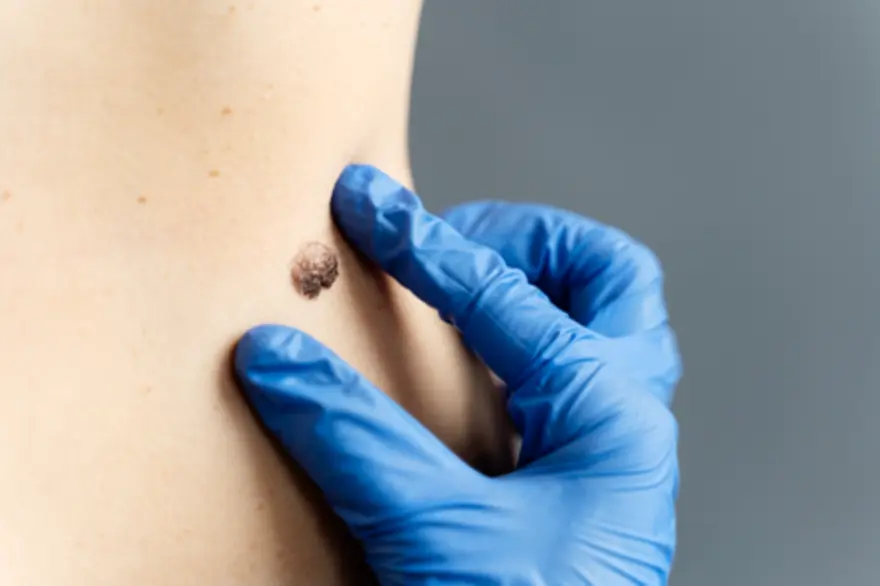
Table of Contents
- What is Neurofibroma?
- Types of Neurofibromas
- Causes and Risk Factors
- Symptoms of Neurofibroma
- How is Neurofibroma Diagnosed?
- Diagnostic and Imaging Tests for Detecting Neurofibroma
- When to Get a Neurofibroma Checked?
- Treatment Options for Neurofibromas
- Living with Neurofibromas
- Complications of Neurofibromas
- Conclusion
- FAQs
What is Neurofibroma?
Neurofibroma is a benign tumour that develops from the protective sheath of peripheral nerves. These soft, usually painless growths can appear anywhere on your body where nerves are present. A neurofibroma typically feels like a small, moveable bump beneath the skin, ranging from a few millimeters to several centimeters in size.
Most neurofibromas occur as isolated growths but they can also develop as part of Neurofibromatosis Type 1 (NF1), a genetic condition affecting approximately 1 in 3,000 people globally, according to the National Cancer Institute. When multiple neurofibromas appear together, they often indicate an underlying genetic disorder requiring specialised medical attention.
Types of Neurofibromas
Understanding the different types of neurofibroma helps in recognizing symptoms and determining appropriate treatment approaches:
- Localised (cutaneous) neurofibroma: The most common type, appearing as small, soft bumps on or just beneath the skin surface
- Plexiform neurofibroma: Larger, more complex tumors that grow along multiple nerve bundles and can affect deeper tissues
- Diffuse neurofibroma: Poorly defined growths that spread within skin and subcutaneous tissue, creating plaque-like thickening
- Subcutaneous neurofibroma: Located below the skin, presenting as firm, sometimes tender nodules
- Deep nodular neurofibroma: Involves deeper tissues and can affect internal organs
Causes and Risk Factors
Neurofibromas primarily result from mutations in the NF1 gene located on chromosome 17. This gene normally produces neurofibromin, a protein that regulates cell growth and prevents tumour formation. When the gene malfunctions, cells can multiply uncontrollably, leading to neurofibroma development.
The main risk factor is having a parent with neurofibromatosis type 1, as the condition follows an autosomal dominant inheritance pattern. This means children of affected parents have a 50% chance of inheriting the condition. However, approximately half of all NF1 cases occur spontaneously without family history, resulting from new genetic mutations.
Age also influences neurofibroma development, with most symptoms appearing during childhood or adolescence. Environmental factors don't typically contribute to neurofibroma formation, unlike some other tumour types.
Symptoms of Neurofibroma
- Soft, painless lumps on or under the skin that feel moveable when touched
- Skin-coloured or slightly brown nodules ranging from small bumps to larger growths
- Tenderness or pain, particularly with deeper subcutaneous types
- Numbness, tingling, or weakness if the tumour compresses nearby nerves
- Café-au-lait spots (flat, light brown patches) often accompanying multiple neurofibromas
- Freckling in unusual areas like armpits or groin regions
Large plexiform neurofibromas may cause more significant symptoms, including disfigurement, functional problems, or complications affecting internal organs. These require immediate medical attention due to their potential impact on vital structures.
How is Neurofibroma Diagnosed?
Neurofibroma diagnosis follows a systematic approach to ensure accurate identification:
- Medical history and physical examination: Your doctor reviews symptoms, family history, and conducts a thorough skin and neurological assessment
- Assessment for neurofibromatosis features: Checking for characteristic signs like café-au-lait spots, freckling patterns, and family history of similar conditions
- Imaging studies: MRI or CT scans help visualize deeper tumors and their relationship to surrounding structures
- Tissue biopsy: A sample may be taken to confirm the diagnosis and rule out malignant transformation
- Genetic testing: NF1 gene analysis when neurofibromatosis type 1 is suspected
Diagnostic and Imaging Tests for Detecting Neurofibroma
- Neurofibromatosis Type 1 (NF1) Gene Panel: Detects specific genetic mutations confirming inherited forms of the condition
- Cell-free DNA testing: An emerging molecular diagnostic approach useful in specific cases
- Histopathological Examination: Tru-Cut biopsy (CT/USG-guided) or core needle biopsy is used to examine tissue samples under a microscope
- CT Scan: Assesses deeper tumors and their relationship to surrounding tissues and internal organs
- PET Scan: Helps differentiate benign neurofibromas from potentially malignant transformations
- MRI: Provides detailed imaging of nerve involvement, particularly useful for plexiform neurofibromas affecting internal organs
When to Get a Neurofibroma Checked?
You should consult a healthcare provider if you notice any new lumps growing rapidly or changing in appearance. Pain, tenderness, or neurological symptoms like numbness or weakness warrant immediate evaluation.
If you have a family history of neurofibromatosis or notice multiple skin growths accompanied by café-au-lait spots, early medical assessment is crucial. Changes in existing neurofibromas, such as sudden growth, increased firmness, or new pain, may indicate malignant transformation and require urgent attention.
Treatment Options for Neurofibromas
- Observation (watchful waiting): Appropriate for small, asymptomatic neurofibromas that aren't growing or causing problems
- Surgical removal: Primary treatment for symptomatic, growing, or cosmetically concerning tumors
- MEK inhibitors: Targeted medications like selumetinib, particularly effective for plexiform neurofibromas in children with NF1
- Pain management: Medications and therapies to control chronic discomfort
- Physical therapy: Rehabilitation for nerve-related functional impairments
- Laser therapy: Suitable for select superficial lesions
Surgical Treatment for Neurofibromas
Surgery remains the primary treatment for problematic neurofibromas causing pain, functional impairment, or cosmetic concerns. Complete surgical removal often provides definitive treatment for localised neurofibromas, with excellent outcomes and low recurrence rates.
Plexiform neurofibromas present greater surgical challenges due to their complex growth patterns and involvement with multiple nerve bundles. Complete removal may not be possible when tumors involve critical structures or internal organs. In such cases, debulking procedures can reduce tumour size and alleviate symptoms while preserving nerve function.
Surgical risks include nerve damage, infection, scarring, and potential recurrence. Your surgeon will discuss these considerations and help determine whether surgery offers the best outcome for your specific situation.
Non-Surgical Treatment Options
- Regular monitoring: Scheduled follow-ups to track tumour growth and symptom changes
- MEK inhibitors: Targeted therapy that may shrink plexiform neurofibromas and reduce associated symptoms
- Pain management strategies: Comprehensive approaches including medications, physiotherapy, and lifestyle modifications
- Physical therapy: Exercises and techniques to maintain function when neurofibromas affect mobility
- Supportive care: Psychological support and counseling for coping with chronic conditions
Living with Neurofibromas
Most people with isolated neurofibromas lead normal, active lives with minimal impact on daily activities. However, multiple neurofibromas or those affecting internal organs may require ongoing medical management and lifestyle adaptations.
Maintaining overall health through proper nutrition, regular exercise, and stress management supports your body's natural healing processes and may help prevent complications.
Complications of Neurofibromas
While most neurofibromas remain benign throughout life, potential complications require awareness and monitoring. The most serious complication involves malignant transformation into malignant peripheral nerve sheath tumors (MPNST), occurring in approximately 8–13% of individuals with Neurofibromatosis Type 1 (NF1). Plexiform neurofibromas carry higher cancer risks, particularly when they grow rapidly or become painful.
Neurofibromas affecting internal organs can cause compression of vital structures, leading to breathing difficulties, digestive problems, or other organ-specific complications. Regular monitoring helps detect these issues early when treatment options remain most effective.
Can Neurofibromas Be Prevented?
Unfortunately, neurofibromas cannot be prevented, as they typically result from genetic mutations occurring either spontaneously or through inheritance. However, early detection and appropriate management can prevent many complications and improve long-term outcomes.
Conclusion
When it comes to neurofibromas, taking charge of your health starts with understanding the meaning of neurofibroma and recognizing when professional medical evaluation becomes necessary.
At Metropolis Healthcare, we support your health journey with comprehensive diagnostic services spanning over 4,000 tests and profiles. Our network of 220+ laboratories and 4,600+ service centres ensures convenient access to accurate neurofibroma diagnosis and genetic testing. With home sample collection available across 10,000+ touchpoints throughout India, you can access reliable diagnostic services from the comfort of your home.
FAQs
What are the symptoms of neurofibroma?
Neurofibroma symptoms typically include soft, painless lumps under the skin that feel moveable when touched. Depending on location and size, you might experience tenderness, numbness, or weakness. People with neurofibromatosis type 1 often develop café-au-lait spots and freckling in unusual areas like armpits or groin regions.
How is neurofibroma diagnosed?
Neurofibroma diagnosis involves comprehensive medical evaluation including physical examination, family genetic assessment, and imaging studies like MRI or CT scans. Tissue biopsy may also be necessary.
When should I be concerned about a neurofibroma?
You should seek medical attention if any lump grows rapidly, becomes painful, or causes neurological symptoms like numbness or weakness. Multiple skin growths, especially with café-au-lait spots or family history of neurofibromatosis, warrant prompt evaluation to rule out genetic conditions.
Is surgery the only treatment for neurofibroma?
Surgery is not the only treatment option for neurofibroma. Many small, asymptomatic tumors require only observation. MEK inhibitors offer promising results for plexiform neurofibromas, whilst pain management and physical therapy address symptom control.