Home Visit
 Upload






Preventive Healthcare
DHT Blocker Foods: 12 Natural Ways to Support Hair Growth & Prevent Hair Loss
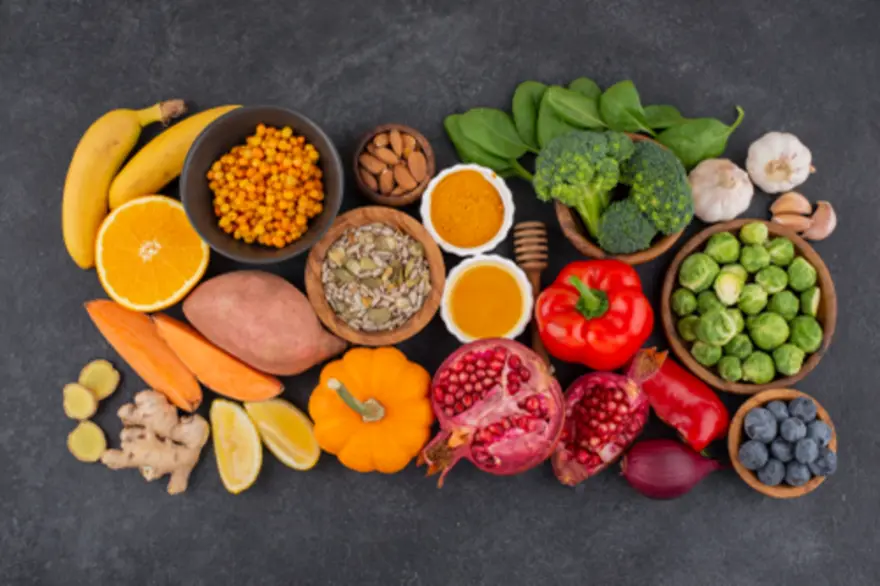
Table of Contents
- What is DHT and Why Does It Cause Hair Loss?
- How DHT Blocker Food Works: Mechanism of 5-Alpha-Reductase Inhibition
- Factors That Increase DHT and Hair Loss Risk Globally
- How Nutrition and Diet Shape Hair Health and DHT Levels
- Top 12 DHT Blocker Foods You Can Eat Every Day
- How to Incorporate DHT Blocker Foods Into Your Daily Diet
- Regional & Seasonal Adaptations: Using Local Foods as DHT Blocker Foods Worldwide
- Lifestyle and Hair-Care Habits That Boost the Effect of DHT Blocker Foods
- When DHT Blocker Foods Alone Aren't Enough – Other Interventions
- Safety, Side-Effects and Cautions When Targeting DHT With Diet
- Measuring Progress: How to Know if Your DHT Blocker Food Strategy is Working
- Summary: Why DHT Blocker Foods Matter for Hair Growth & Preventing Hair Loss
What is DHT and Why Does It Cause Hair Loss?
Dihydrotestosterone (DHT) is a potent hormone derived from testosterone through the action of an enzyme called 5-alpha-reductase. In genetically predisposed individuals, DHT binds to receptors on hair follicles, disrupting their normal growth cycle and causing significant changes to hair health.
When DHT attaches to hair follicles, it shortens the growth phase while prolonging the resting and shedding phases. This process leads to progressively thinner, weaker hair that falls out more quickly than it can regenerate.
Over time, DHT causes follicles to shrink through a process called follicular miniaturization, resulting in the characteristic pattern of hair thinning seen in androgenetic alopecia. Understanding this mechanism helps explain why targeting DHT through dietary interventions can be an effective strategy for supporting hair health naturally.
How DHT Blocker Food Works: Mechanism of 5-Alpha-Reductase Inhibition
The best DHT blocker food options contain specific nutrients and bioactive compounds that can inhibit 5-alpha-reductase activity, the key enzyme responsible for converting testosterone to DHT. By reducing this conversion process, these foods help lower DHT levels at the hair follicular level, potentially slowing miniaturization and hair loss.
Certain natural compounds found in DHT blocker food sources can also modulate androgen receptor activity or influence cellular signalling pathways that support healthy hair growth. These mechanisms work synergistically to create an environment more conducive to maintaining strong, resilient hair follicles.
The effectiveness of any DHT blocker food strategy depends on consistent consumption and combining multiple beneficial nutrients rather than relying on single ingredients.
Factors That Increase DHT and Hair Loss Risk Globally
A study by Endotext, an evidence-based clinical reference, notes that hair loss affects approximately 50% of people over age 50, with many cases linked to elevated dihydrotestosterone (DHT) levels. The factors that elevate DHT levels and increase hair loss risk in both men and women include:
- Genetic predisposition: Family history of androgenetic alopecia significantly increases risk
- Age advancement: DHT sensitivity typically increases with advancing years
- Male biological sex: Men experience higher rates of DHT-driven hair loss
- Hormonal imbalances: Elevated testosterone or DHT levels accelerate follicle damage
- High 5-alpha-reductase activity: Elevated enzyme levels increase DHT conversion
- Environmental factors: Poor diet, chronic stress, and sedentary lifestyle
- Medical conditions: Polycystic ovary syndrome in women, prostate issues in men
- Obesity and metabolic syndrome: These conditions alter hormonal balance
- Anabolic steroid use: Artificial hormones dramatically increase DHT production
How Nutrition and Diet Shape Hair Health and DHT Levels
Diet directly influences your body's hormonal environment, including DHT production levels. Nutrients such as zinc, vitamin B6, and specific plant polyphenols can effectively modulate 5-alpha-reductase activity, naturally reducing DHT synthesis throughout the body.
A balanced diet rich in antioxidants, anti-inflammatory compounds, and essential fatty acids supports overall hair follicle health by protecting against oxidative stress and inflammation that may worsen hair loss. Chronic nutrient deficiencies, excessive processed food consumption, or high saturated fat intake can exacerbate hormonal imbalances, potentially increasing DHT-driven hair loss risk.
The relationship between nutrition and hair health extends beyond DHT regulation to encompass comprehensive follicle support, scalp circulation, and cellular repair mechanisms.
Top 12 DHT Blocker Foods You Can Eat Every Day
If you want to naturally support hair growth and reduce excess DHT, adding certain nutrient-rich foods to your daily meals can help create a healthier scalp environment. Here's your essential DHT blocker food list for daily consumption:
- Pumpkin seeds: Rich in zinc, a natural 5-alpha-reductase inhibitor that may slow DHT conversion
- Green tea: Contains EGCG (epigallocatechin 3-gallate), a potent antioxidant shown to inhibit DHT formation
- Coconut oil: Rich in lauric acid, which may help reduce DHT binding at the hair follicles and support a healthier scalp environment
- Turmeric: Curcumin helps modulate androgen activity and reduce inflammation around hair follicles
- Spinach: Packed with magnesium and antioxidants that support follicle strength and nutrient absorption
- Tomatoes: High in lycopene, which may help lower DHT levels and protect cells from oxidative stress
- Carrots: Provide beta-carotene to maintain a healthy scalp and support sebum balance
- Walnuts: A strong source of omega-3 fatty acids and polyphenols that nourish hair and reduce inflammation
- Edamame (soybeans): Contains isoflavones that may naturally block DHT activity
- Berries: Loaded with antioxidants that help combat inflammation linked to hair thinning
- Avocado: Supplies healthy fats and phytosterols, which may reduce DHT absorption
- Flaxseeds: Rich in lignans and omega-3s that support hormonal balance and overall scalp health
Incorporating these foods into your daily diet can complement your overall hair-care routine and provide natural nutritional support for stronger, healthier-looking hair.
How to Incorporate DHT Blocker Foods Into Your Daily Diet
Making the best DHT blocker food choices part of your routine requires strategic planning:
- Add pumpkin seeds as snacks or salad toppings for convenient zinc intake
- Brew green tea daily to replace sugary beverages and boost EGCG consumption
- Cook with turmeric in curries, soups, or add to smoothies for anti-inflammatory benefits
- Include spinach in salads, omelettes, and breakfast smoothies regularly
- Snack on walnuts or use them as oatmeal toppings for omega-3 support
- Blend berries into smoothies or enjoy them as healthy dessert alternatives
- Use avocado in salads, sandwiches, or as a nutritious spread
- Sprinkle flaxseeds on cereals, yoghurt, or blend into daily smoothies
Regional & Seasonal Adaptations: Using Local Foods as DHT Blocker Foods Worldwide
Many DHT-blocking nutrients occur naturally in regionally accessible foods, allowing effective adaptation to local dietary patterns. Asian cuisines feature green tea and soy-based products extensively, while Mediterranean diets emphasize tomatoes, olive oil, and nuts as dietary staples.
Seasonal eating strategies can optimize hair-supporting nutrient intake by incorporating fresh berries during summer months, leafy greens in spring, and root vegetables throughout autumn and winter. Local adaptation ensures your DHT blocker food strategy remains sustainable, culturally relevant, and economically viable long-term.
This flexibility allows people worldwide to access effective hair loss prevention through familiar, locally available ingredients rather than expensive imported supplements.
Lifestyle and Hair-Care Habits That Boost the Effect of DHT Blocker Foods
Maximising your DHT blocker food strategy requires complementary lifestyle approaches:
- Maintain balanced nutrition emphasising whole foods whilst limiting processed sugars and saturated fats
- Exercise regularly to support optimal hormonal balance and circulation
- Manage stress effectively through mindfulness, yoga, or meditation practices
- Practice gentle hair care by avoiding harsh chemicals, excessive heat styling, and tight hairstyles
- Prioritise adequate sleep to optimise hormonal recovery and cellular repair
- Avoid smoking and limit alcohol consumption for better nutrient absorption
- Consult healthcare providers before starting concentrated supplements or dramatic dietary changes
When DHT Blocker Foods Alone Aren't Enough – Other Interventions
For individuals experiencing significant or rapidly progressing hair loss, dietary changes alone may prove insufficient. Medical interventions such as prescription 5-alpha-reductase inhibitors, minoxidil applications, low-level laser therapy, or hair transplantation procedures may become necessary for optimal results.
These treatments directly target DHT production, support active hair regrowth, or restore lost hair through surgical intervention. Combining the best DHT blocker food strategies with appropriate medical treatments often provides the most comprehensive approach for moderate to severe androgenetic alopecia cases.
Professional dermatological evaluation can help determine whether dietary interventions alone will meet your specific hair loss management goals.
Safety, Side-Effects and Cautions When Targeting DHT With Diet
Most DHT blocker food options remain safe when consumed as part of balanced dietary patterns, but concentrated supplements may cause adverse effects including gastrointestinal upset, headaches, or medication interactions. Excessive intake of certain nutrients, particularly zinc, can lead to toxicity symptoms.
Always consult qualified healthcare providers before starting new supplement regimens, especially if you have underlying health conditions or take prescription medications. Pregnant women should practice moderation and maintain a varied diet rather than focusing excessively on specific DHT-blocking compounds.
Monitor your body's response to dietary changes and adjust intake accordingly based on tolerance and effectiveness.
Measuring Progress: How to Know if Your DHT Blocker Food Strategy is Working
Track these indicators to assess effectiveness:
- Monitor reduced hair shedding and slower thinning over several months of consistent dietary changes
- Observe potential regrowth or increased hair density in previously affected scalp areas
- Document progress photographically at regular intervals for objective visual comparison
- Note improvements in scalp health including reduced dryness, irritation, or inflammation
- Schedule periodic dermatology evaluations for professional assessment and guidance
- Consider blood hormone testing if recommended by your healthcare provider for objective measurement
Summary: Why DHT Blocker Foods Matter for Hair Growth & Preventing Hair Loss
DHT blocker food strategies offer natural, accessible, and generally safe approaches to supporting hair health and reducing DHT-driven hair loss risk. By integrating the best DHT blocker food options into your daily nutrition, you can promote hormonal balance, protect hair follicles, and potentially slow androgenetic alopecia progression.
Whilst dietary interventions may not replace medical treatments for severe cases, they form essential foundations for long-term hair and scalp health. The best foods to grow hair work synergistically with proper hair care, stress management, and overall wellness practices.
At Metropolis Healthcare, we support your health journey with comprehensive diagnostic services. Our extensive network of over 220 laboratories and 4,600+ service centres ensures convenient access to hormone level testing and nutritional assessments. With our home sample collection service spanning 10,000+ touchpoints across India, you can monitor your progress comfortably while receiving accurate, reliable results through our user-friendly Metropolis Healthcare app.