Home Visit
 Upload






Preventive Healthcare
Iritis: Eye Inflammation Causes, Symptoms & How It’s Treated
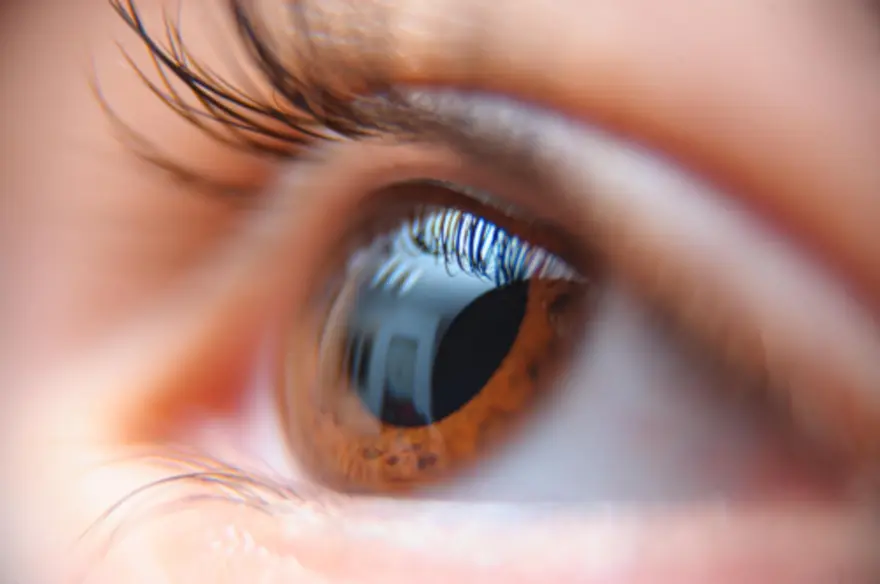
Table of Contents
- What is Iritis?
- How Iritis Affects the Eye
- Iritis Symptoms You Should Not Ignore
- Common Causes of Iritis
- Risk Factors for Iritis
- When to Seek Urgent Medical Help for Iritis
- Diagnosis: How Doctors Confirm Iritis
- Tests for Iritis
- Iritis Treatment Options
- Iritis Treatment: What to Expect During Recovery
- Is Iritis a Recurring Condition?
- Home Care Tips for Managing Iritis Symptoms
- Complications if Iritis is Left Untreated
- Iritis in Autoimmune Diseases
- How Long Does Iritis Last?
- Prevention: Can You Reduce the Risk of Iritis?
- Conclusion
- FAQs
What is Iritis?
Iritis, medically known as anterior uveitis, is an inflammatory condition affecting the iris—the colored ring of tissue surrounding the pupil, responsible for regulating light entry into the eye. When iritis develops, the iris becomes swollen and irritated, disrupting normal eye function and causing considerable discomfort.
According to a study published in the Indian Journal of Ophthalmology, the prevalence of uveitis—of which iritis is a subtype—is estimated at approximately 730 cases per 100,000 people in India. Recognising iritis symptoms early and seeking prompt treatment is crucial for preventing severe complications.
How Iritis Affects the Eye
Iritis triggers an inflammatory response in the anterior chamber—the front section of your eye containing the iris. This inflammation causes white blood cells to accumulate in this space, leading to swelling and irritation of the iris tissue. Inflammation interferes with the iris muscles, sometimes causing the pupil to become constricted (miosis) or irregularly shaped.
The swelling interferes with light regulation and fluid drainage within the eye, often increasing intraocular pressure. Without timely treatment, persistent inflammation can lead to adhesions (posterior synechiae) between the iris and lens, potentially causing long-term vision impairment. Additionally, untreated iritis may extend beyond the iris to affect the vitreous, retina, and cornea, potentially causing macular oedema, cataracts, and band keratopathy.
Iritis Symptoms You Should Not Ignore
- Severe eye pain: Deep aching or sharp sensations, especially when the eye is exposed to bright light (photophobia).
- Extreme light sensitivity (photophobia): Makes routine tasks in bright environments challenging.
- Eye redness: Especially noticeable around the iris area.
- Blurred or cloudy vision: Affecting your ability to see clearly.
- Vision loss: Decreased visual acuity requiring immediate attention.
- Irregular pupil: Unusually small or strangely shaped pupil.
- Associated headaches: Often accompany the eye discomfort.
- General eye achiness: Persistent discomfort in the affected eye.
Common Causes of Iritis
Understanding iritis causes helps identify risk factors and prevent future episodes:
- Eye trauma: Blunt force injuries, penetrating wounds, or burns are among the leading causes of traumatic iritis.
- Viral infections: Herpes simplex virus, shingles, and cold sores commonly cause iritis.
- Bacterial infections: Including Lyme disease, tuberculosis, toxoplasmosis, and syphilis.
- Autoimmune diseases: Conditions like ankylosing spondylitis, rheumatoid arthritis, multiple sclerosis, and inflammatory bowel disease.
- Juvenile idiopathic arthritis: One of the more common iritis causes in children.
- Genetic predisposition: The HLA-B27 gene marker significantly increases susceptibility to autoimmune-associated iritis.
- Idiopathic causes: Most iritis cases have no identifiable underlying cause.
Risk Factors for Iritis
- HLA-B27 genetic marker: Associated with increased risk of recurrent and autoimmune-related iritis.
- Existing autoimmune conditions: Such as ankylosing spondylitis or rheumatoid arthritis.
- Previous eye trauma: History of injury or surgery.
- Past iritis episodes: Recurrent or chronic inflammation.
- Herpes virus infections: HSV or varicella-zoster virus exposure.
- Juvenile idiopathic arthritis: Particularly in children.
- Infectious disease exposure: Such as Lyme disease or tuberculosis.
- Demographic factors: Certain populations show higher prevalence rates.
When to Seek Urgent Medical Help for Iritis
- Sudden, severe eye pain: That worsens with bright light exposure.
- Significant eye redness: Particularly around the iris.
- Rapid vision changes: Blurred vision or sudden vision loss.
- Pupil abnormalities: Unusually small or irregularly shaped pupil.
- Rapid symptom onset: Developing over hours or days.
- Accompanying headaches: With eye discomfort.
- Inability to reach a regular eye doctor: Visit an emergency room immediately.
- Persistent symptoms: Despite over-the-counter pain relief measures.
Diagnosis: How Doctors Confirm Iritis
Healthcare providers use several methods for accurate iritis diagnosis:
- Comprehensive eye examination: Including visual acuity assessment and eye pressure measurement.
- Slit-lamp biomicroscopy: A specialized microscope exam that visualizes inflammatory cells and flare in the anterior chamber.
- Pupil assessment: Evaluating size, shape, and light response.
- Intraocular pressure measurement: Tonometry to check for elevated pressure.
- Medical history review: Discussing recent infections, injuries, and autoimmune conditions.
- Additional testing: Blood tests, imaging studies, or specialist referrals when indicated.
Tests for Iritis
- Slit-lamp examination: To directly visualise inflammatory cells in the anterior chamber
- Visual acuity testing: To check how clearly you can see at different distances
- Tonometry: Measures intraocular pressure to rule out associated glaucoma
- Dilated eye examination: Allows detailed evaluation of internal eye structures
- HLA-B27 test: Detects genetic predisposition linked to autoimmune-associated iritis.
- CBC (Complete Blood Count) Test, ESR Automated Blood Test, CRP Test: To detect general inflammation
- Rheumatoid Factor (RF) Test, ANA (Antinuclear Antibody) Test: To evaluate for autoimmune diseases such as rheumatoid arthritis or juvenile idiopathic arthritis
- Imaging studies: Ocular ultrasound or orbital MRI may be performed if posterior involvement or systemic disease is suspected.
Iritis Treatment Options
- Corticosteroid eye drops: First-line treatment reducing iris inflammation.
- Oral corticosteroids: For severe cases requiring systemic anti-inflammatory therapy.
- Dilating eye drops (cycloplegic agents): Reduce pain by relaxing ciliary muscles.
- NSAIDs: Topical or oral non-steroidal anti-inflammatory drugs may be used as adjunct therapy in mild or residual inflammation.
- Immunosuppressive medications: For chronic or recurrent autoimmune-related iritis.
- Underlying condition treatment: Antibiotics for infections, autoimmune disease management.
Iritis Treatment: What to Expect During Recovery
Most patients begin noticing symptom improvement within 24–48 hours of initiating corticosteroid eye drops. Most patients experience significant pain relief and reduced light sensitivity within the first few days. Complete healing usually occurs within 2-6 weeks, depending on severity and underlying causes.
During recovery, you'll need regular follow-up appointments to monitor progress and adjust medications. Your doctor will gradually taper corticosteroid drops to prevent rebound inflammation while ensuring complete healing.
Is Iritis a Recurring Condition?
Iritis can indeed be a recurring condition, particularly in individuals with underlying autoimmune diseases or genetic predispositions like the HLA-B27 marker. Studies indicate that approximately 50% of patients experience at least one recurrence within five years. Recurrent episodes often follow similar patterns to the initial occurrence, though they may become less severe with proper management.
Home Care Tips for Managing Iritis Symptoms
- Wear sunglasses: Protect eyes from bright light reduces photophobia.
- Use prescribed medications consistently: Follow your doctor's dosing schedule exactly.
- Apply cool compresses: Gentle cooling may relieve discomfort and decrease inflammation.
- Avoid eye rubbing: Prevent additional irritation and potential injury.
- Rest your eyes: Limit screen time and reading during acute episodes.
- Maintain good hygiene: Wash your hands before touching the eye area.
Complications if Iritis is Left Untreated
- Cataracts
- Secondary glaucoma
- Posterior synechiae
- Corneal scarring (keratouveitis)
- Macular oedema
- Iris atrophy
- Festooned (irregularly bordered) pupil
- Optic neuropathy
- Vitreous haemorrhage (associated with intermediate, posterior, or panuveitis)
- Permanent vision loss
Iritis in Autoimmune Diseases
Approximately 20% of iritis cases are linked to autoimmune disorders such as ankylosing spondylitis, rheumatoid arthritis, or inflammatory bowel disease, particularly ankylosing spondylitis, rheumatoid arthritis, and inflammatory bowel disease. Patients with these conditions require regular eye examinations, as iritis may develop before other symptoms of the underlying disease become apparent. The HLA-B27 genetic marker, present in 8% of the population, increases the risk of both autoimmune disease and iritis.
How Long Does Iritis Last?
Acute iritis typically lasts 2-6 weeks with proper treatment, though mild symptoms may persist for several additional weeks. Chronic iritis—defined as inflammation lasting more than three months—requires more aggressive treatment and extended follow-up. Recurrent episodes often follow similar timelines but may respond more quickly to treatment due to early recognition and prompt intervention.
Prevention: Can You Reduce the Risk of Iritis?
- Protect your eyes: Wear safety glasses during sports or hazardous activities.
- Manage autoimmune conditions: Follow prescribed treatments for underlying diseases.
- Practice good hygiene: Reduce infection risk by washing your hands properly.
- Regular eye examinations: Particularly important for high-risk individuals.
- Prompt infection treatment: Address viral or bacterial infections quickly.
- Avoid eye trauma: Take precautions during potentially dangerous activities.
Conclusion
Iritis is a potentially vision-threatening condition that requires prompt medical evaluation and treatment. At Metropolis Healthcare, we support your eye health journey with comprehensive diagnostic testing. Our network of over 220 laboratories and 4,600+ service centres ensures convenient access to essential blood tests that help identify underlying conditions associated with iritis. From HLA-B27 genetic testing to inflammatory markers, our home sample collection service brings reliable diagnostics directly to your doorstep through our 10,000+ touchpoints across India.
FAQs
Is iritis an emergency?
Yes, iritis requires urgent medical attention. The sudden onset of severe eye pain, light sensitivity, and vision changes indicates inflammation that can quickly lead to serious complications, including permanent vision loss if left untreated.
Can iritis cause blindness?
Untreated iritis can cause permanent vision loss. Complications include secondary glaucoma, cataracts, corneal scarring, and macular oedema. However, with prompt diagnosis and appropriate treatment, most patients recover completely.
How is iritis different from conjunctivitis?
Iritis affects the iris inside the eye, causing deep eye pain and severe light sensitivity, while conjunctivitis affects the outer eye surface, typically causing itching and discharge. Iritis symptoms are generally more severe and require immediate medical attention.
Can stress trigger iritis flare-ups?
While stress doesn't directly cause iritis, it can potentially trigger flare-ups in individuals with autoimmune conditions associated with recurrent iritis episodes.
Is iritis contagious?
Iritis itself is not contagious and cannot spread from person to person. However, if an underlying infection, such as herpes simplex virus, causes the iritis, that infection may be transmissible.
How quickly does iritis respond to treatment?
Most patients notice improvement in pain and light sensitivity within 24-48 hours, while complete healing usually takes 2-6 weeks, depending on severity and underlying causes.