Home Visit
 Upload






Preventive Healthcare
Home Remedies for Stomach Pain: What Works & When to See a Doctor
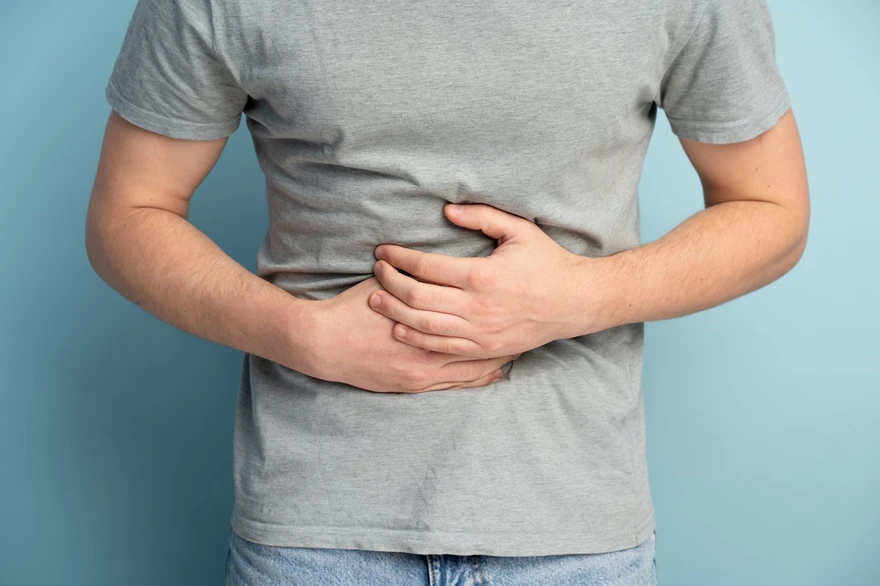
Table of Contents
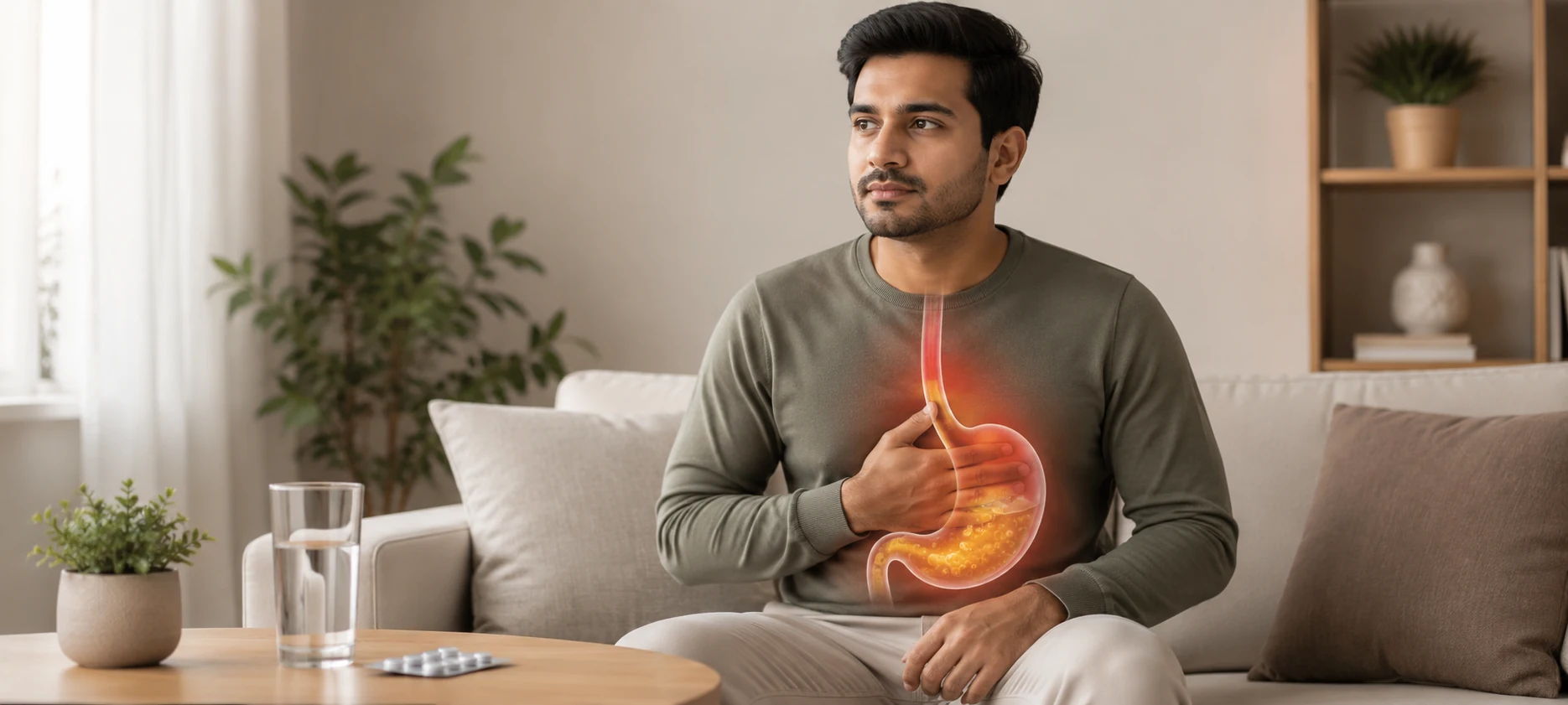
Stomach pain can catch you off guard — a dull ache after a heavy meal, sudden cramps that make you pause, or a bloated feeling that just won’t ease. In those moments, what you need most is comfort, clarity, and a few trusted ways to feel better. This guide walks you through simple, home remedies for stomach pain that are safe, effective, and easy to follow. You’ll also learn how to ease bloating, prevent future flare-ups, and recognise when it’s time to reach out to a doctor. Most stomach aches are temporary and manageable, and with the right care, relief is often just a few gentle steps away.
Common Causes of Stomach Pain
Stomach pain can arise from many everyday causes, ranging from something as simple as eating too quickly to conditions that need medical attention. Understanding what’s behind your pain helps you respond calmly and choose the right remedy.
- Indigestion, gastritis, or acid reflux (after heavy, spicy, fatty, or late-night meals)
When stomach acid irritates the lining or digestion slows, it may cause burning, bloating, or nausea. Avoiding trigger foods, eating smaller meals, and staying upright after eating can help. - Trapped gas and constipation (often with bloating or cramping)
Gas buildup or sluggish bowel movement stretches the intestines, leading to sharp, crampy pain and a feeling of fullness. Gentle walking, warm fluids, and fibre-rich foods support natural relief. - Gastroenteritis (“stomach bug”) with diarrhoea or vomiting
Often viral, this usually self-limited infection inflames the gut and leads to cramps, nausea, and watery stools. Staying hydrated is key. - Period pain (cramps) or ovulation pain
Hormonal shifts in the menstrual cycle can trigger lower abdominal cramps, which may radiate to the back in some individuals. Heat therapy and rest usually help. - Food intolerances (e.g., lactose), overeating, excess caffeine or alcohol
Certain foods or drinks can irritate the stomach lining or cause fermentation, leading to gas, nausea, or bloating. Identifying and limiting your triggers can prevent recurrence. - Stress and anxiety (gut–brain axis triggers cramping and urgency)
Emotional stress directly affects gut movement and sensitivity, resulting in abdominal tightness or sudden bowel urgency. Relaxation, mindfulness, or slow breathing can ease such functional discomfort. - Less common but serious causes
Serious conditions such as appendicitis, gallstones, peptic ulcer disease, urinary or kidney infections, hernias, bowel obstruction, or even cardiac disease can present with abdominal pain. A doctor should always evaluate severe, persistent, or unexplained pain.
Stomach pain is your body’s way of asking for attention — sometimes rest, sometimes treatment. The good news is that most mild episodes settle with home care, hydration, and gentle dietary adjustments.
Home Remedies for Stomach Pain
Stomach pain can be unsettling, but most mild aches ease with rest, care, and simple natural remedies. Warm fluids, light meals, and gentle movement often help your body recover naturally. If the pain is severe, persistent, or accompanied by worrying symptoms, don’t hesitate to seek medical advice — relief begins with the right care.
1) Hydration and oral rehydration (especially with diarrhoea/vomiting)
- Take small, frequent sips of water, clear soup, or an oral rehydration solution (ORS).
- For gastroenteritis-type illness, plain fluids + oral rehydration solution help replace lost salts and water, easing cramps and dizziness.
- If you feel nauseated, try room-temperature fluids in tiny sips.
2) Light, gut-friendly foods
- Choose gentle, easy-to-digest foods: soft rice/khichdi, bananas, curd/yoghurt (if tolerated), toast, oats, dal, steamed vegetables.
- Avoid heavy, fried, very spicy foods until you’re fully better.
- Probiotic yogurt or curd may support the gut microbiome after a gastrointestinal infection, but begin only when nausea/vomiting has subsidedce after a “stomach bug”.
3) Heat therapy (for cramps, gas, or period pain)
- A warm water bag/heating pad on the abdomen for 15–20 minutes can relax muscle spasm and ease cramping.
4) Ginger and peppermint (traditional, supportive options)
- Ginger tea/infusion may help with nausea and functional dyspepsia.
- Peppermint tea/capsules may relieve gas and cramping in some people.
- Avoid peppermint if you have reflux, as it can relax the lower oesophageal sphincter.
5) Positioning and gentle movement
- Your position can help: lying on the left side may reduce reflux, and a brief gentle walk may relieve trapped gas.
6) Fibre and fluids (for constipation-type pain)
- Add soluble fiber (oats, certain fruits, psyllium) gradually, along with adequate water.
- If needed, consult a pharmacist or physician about short-term use of fibre supplements or mild laxatives..
7) Over-the-counter (OTC) support—used sensibly
- Antacids or alginates may help acid-type discomfort; simethicone can relieve gas; oral rehydration salts (ORS) help in diarrhoea; paracetamol may be used for pain or fever.
- Avoid NSAIDs like ibuprofen if you suspect gastritis/ulcer or have kidney issues—check with a doctor first.
8) What to avoid during acute episodes
- Alcohol, very spicy/fried food, large meals, excessive caffeine, and smoking—each can prolong or worsen symptoms.
- With diarrhoea, avoid sugary fizzy drinks and undiluted juices.
9) How to get rid of a stomach ache fast
- Rest the gut (small sips + light foods), apply a heat pack for 15–20 minutes, take a short walk, use OTC antacid/simethicone if appropriate, and get some sleep.
- If pain escalates, repeatedly wakes you from sleep, or persists beyond 24–48 hours, shift from self-care to medical evaluation.
10) Bloating remedies (trapped wind or meal-related bloating)
- Eat slowly, avoid gulping air (no straws, less fizzy drinks, fewer chewing-gum sessions).
- Trial smaller, more frequent meals; reduce beans/cabbage/onions short-term.
- Consider peppermint tea/capsules (unless reflux), gentle yoga/child’s pose.
- Keep a brief food/symptom diary to identify triggers.
Lifestyle Changes to Prevent Stomach Pain
Small daily habits can make a big difference in keeping your digestive system healthy and preventing recurring abdominal pain or indigestion. These adjustments are easy to follow and create lasting comfort for your stomach.
- Regular meal timings
Eating at consistent intervals helps regulate stomach acid and prevents overeating. Smaller, steady meals throughout the day reduce the risk of acid reflux and heavy, late-night indigestion. - Mindful eating
Slow down while you eat. Chew food thoroughly, stop when you feel comfortably full, and avoid lying down for at least 2–3 hours after dinner. This allows proper digestion and reduces acid backflow. - Cut back on triggers
Limit alcohol, caffeine, and ultra-processed or very spicy foods that irritate your stomach lining. If you smoke, consider quitting — nicotine can weaken the muscle between your oesophagus and stomach, worsening reflux. - Movement matters
Gentle daily activities, like a 20–30-minute walk, support gut motility, reduce bloating, and relieve mild constipation. Regular exercise also helps manage stress — a common digestive trigger. - Stress tools
Your mind and stomach are closely linked through the gut–brain axis. Simple habits like deep breathing, journaling, meditation, or mindful breaks throughout the day can ease tension and support smoother digestion. - Hygiene and food safety
Preventing infection starts with clean habits: wash hands before eating, cook food thoroughly, and store it safely — keeping hot foods hot and cold foods cold. These small steps greatly reduce the risk of stomach infections or foodborne illness. - Balanced diet for long-term gut health
The ICMR recommends a balanced diet rich in whole grains, pulses, fruits, vegetables, nuts, and curd/yoghurt to support digestive wellness and immunity.
Staying hydrated and including fibre-rich foods daily keeps your gut active and resilient, reducing the likelihood of recurring stomach pain or bloating.
When to See a Doctor
Most cases of stomach pain are mild and respond well to rest, fluids, and simple home care. However, some symptoms signal something more serious that needs timely medical attention. Listening to your body and not delaying care can prevent complications and speed up recovery.
Abdominal pain accompanied by vomiting, fever, or persistent loss of appetite should never be ignored, as these may indicate infection, inflammation, or obstruction. Seek prompt medical help if you experience any of the following:
- Pain that is severe, sudden in onset, worsening over time, or persists beyond 48 hours despite self-care.
- Repeated vomiting, blood in vomit, or black/tarry stools may indicate bleeding in the digestive tract.
- High fever, signs of dehydration, or inability to keep fluids down.
- Unintentional weight loss or persistent loss of appetite suggests an underlying chronic condition.
- Pain with chest discomfort, breathlessness, or fainting, which could point to cardiac or systemic causes.
- New abdominal pain during pregnancy or in very young or elderly individuals, where early evaluation is vital.
- Persistent bloating, trouble swallowing, yellowing of the skin or eyes (jaundice), or changes in stool colour and frequency.
Conclusion
You can often achieve stomach pain relief at home with a calm, stepwise approach: hydrate (ORS if you’re losing fluids), eat light, use a heat pack, rest, and avoid triggers. For natural remedies for stomach ache, ginger/peppermint and posture tweaks can help some people; so can simple stomach ache remedies such as simethicone or antacids used appropriately. If your pain persists, worsens, or you spot any red flags—switch from self-care to professional care without delay.
Should your doctors advise tests (for example, to assess infection, inflammation, or intolerances), you can book home sample collection with Metropolis Healthcare—India’s trusted diagnostics network offering 4,000+ tests and a wide network of collection centres and home-collection services across India, supported by over 100 laboratories.
FAQs About Stomach Pain
What can I take at home for stomach pain?
- Fluids/ORS (with diarrhoea or vomiting)
- Light foods (rice, curd, bananas, toast, dal, oats)
- Heat pack for cramps
- Antacids/alginate for acid-type pain; simethicone for gas
- Paracetamol for pain/fever (avoid NSAIDs if gastritis/ulcer risk)
- Peppermint or ginger tea (avoid peppermint if reflux)
How long does stomach pain usually last?
Most simple indigestion or “stomach bug”-type pains ease within 24–48 hours with rest, fluids, and light eating. If not, or if it worsens, seek medical advice.
Can stress cause stomach pain?
Yes. The gut–brain axis is sensitive to stress, which can increase acid, alter motility, and trigger cramping or urgency. Stress-management routines (breathing, short walks, sleep hygiene) often help.
Is it safe to use heat or herbal remedies for stomach pain?
Heat packs are generally safe if used for short periods over clothing (to avoid burns). Ginger and peppermint are commonly used; however, avoid peppermint if you have reflux, and check for interactions if you’re on regular medication or pregnant—when in doubt, ask your doctor.
When should I go to the doctor for stomach pain?
If pain is severe, persistent, or accompanied by red flags (vomiting blood, black stools, high fever, dehydration, pregnancy, weight loss, chest pain, or new pain in older age), you should seek medical care promptly.
References
- https://cdn.who.int/media/docs/default-source/2021-dha-docs/pnadk428.pdf - World Health Organization
- https://www.who.int/publications/i/item/WHO-FCH-CAH-06.1 - World Health Organization
- https://www.nin.res.in/downloads/DietaryGuidelinesforNINwebsite.pdf ICMR - National Institute of Nutrition
- https://www.icmr.gov.in/icmrobject/uploads/STWs/1725952338_paediatrics_diarrhea.pdf - Indian Council of Medical Research
- https://www.nhs.uk/symptoms/stomach-ache/nhs.uk
- https://www.worldgastroenterology.org/guidelines/acute-diarrhea/acute-diarrhea-english