Home Visit
 Upload






Preventive Healthcare
STD vs UTI: Key Differences in Symptoms, Causes, and Treatment

Table of Contents
- What Is an STD (Sexually Transmitted Disease)?
- What Is a UTI (Urinary Tract Infection)?
- STD vs UTI: Key Differences
- Symptoms of STD vs UTI
- Causes and Risk Factors of STD vs UTI
- Can STDs Be Mistaken for UTIs?
- Diagnostic Tests for STD vs UTI
- How STD and UTI Are Diagnosed
- Treatment Options for STD vs UTI
- Complications of Untreated STD vs UTI
- Prevention Tips for STD and UTI
- When to See a Doctor
- Key Takeaways
- FAQs About STD vs UTI
- Take Your Health Seriously, Starting Today
- References
A burning sensation when you urinate. The urgent need to go, again and again. Discomfort in your lower abdomen. These symptoms are uncomfortable, and they can also be confusing, because both urinary tract infections and sexually transmitted diseases can produce them.
If you are not sure whether what you are experiencing is a UTI or an STD, you are not alone. The two conditions share several symptoms, which can make self-diagnosis unreliable. Understanding the differences, and knowing when to get tested, is the most important thing you can do for your health.
What Is an STD (Sexually Transmitted Disease)?
An STD, or sexually transmitted disease, is an infection transmitted from one person to another through sexual contact, including vaginal, anal, and oral sex. Some STDs can also be passed through close skin-to-skin contact or, in certain cases, through shared needles or from mother to child during childbirth or breastfeeding.
STDs can be caused by bacteria, viruses, or parasites. Common examples include chlamydia, gonorrhoea, syphilis, herpes, HIV, HPV, and trichomoniasis. What makes STDs particularly difficult to detect is that many of them cause no noticeable symptoms, especially in the early stages. A person can carry and transmit an STD without realising it.
Left untreated, STDs can progress and cause serious long-term complications, including damage to reproductive organs, increased risk of certain cancers, and in some cases, life-threatening illness. Early detection through regular testing is essential.
What Is a UTI (Urinary Tract Infection)?
A UTI, or urinary tract infection, is a bacterial infection that occurs anywhere along the urinary tract, which includes the urethra, bladder, ureters, and kidneys. The most common type is a bladder infection, also known as cystitis.
The most frequent cause of a UTI is the bacterium Escherichia coli (E. coli), which is naturally present in the digestive tract. When bacteria migrate from the skin or anal area into the urethra, they can travel upward and cause an infection.
UTIs are significantly more common in women than in men. This is due to anatomy. The female urethra is shorter and located closer to the anus, giving bacteria a shorter path to reach the bladder. It is estimated that nearly half of all women will experience at least one UTI during their lifetime. Men can develop UTIs too, though it is less common and often associated with an underlying condition.
Unlike STDs, UTIs are generally not sexually transmitted. However, sexual activity can increase the risk of developing one, particularly in women.
STD vs UTI: Key Differences
Understanding UTI causes vs STD causes helps clarify the distinction between the two conditions.
|
Feature |
UTI |
STD |
|
Cause |
Bacteria (most commonly E. coli) |
Bacteria, viruses, or parasites |
|
Transmission |
Usually non-sexual (hygiene, anatomy) |
Sexual contact, skin-to-skin, or blood |
|
Primary location |
Urinary tract |
Genitals, reproductive organs, bloodstream |
|
Painful urination |
Yes |
Yes (in some cases) |
|
Discharge |
Rarely |
Often |
|
Sores or blisters |
No |
Yes (in some types) |
|
Asymptomatic |
Less commonly |
Very often |
|
Transmission to partners |
Generally not |
Yes |
The most critical difference is transmission. STDs are passed from person to person through sexual or close physical contact. UTIs typically develop from bacteria already present in or near the body, not from another person.
Symptoms of STD vs UTI
Several urinary tract infection symptoms overlap with those of STDs, which is where much of the confusion originates.
Symptoms common to both UTIs and STDs:
- Painful or burning urination (dysuria)
- Increased frequency of urination
- Pelvic pain or discomfort
- Foul-smelling or cloudy urine
- Unusual discharge (more common with STDs but can appear with UTIs)
Symptoms more specific to UTIs:
- Strong, persistent urge to urinate even when the bladder is empty
- Pressure or cramping in the lower abdomen
- Blood in the urine
- Fever, chills, nausea, or back pain (when the infection has reached the kidneys)
Symptoms more specific to STDs:
- Blisters, sores, ulcers, or warts around the genitals, anus, or mouth
- Rash in the genital area or elsewhere on the body
- Unusual genital discharge, particularly with an abnormal colour or odour
- Pain during sexual intercourse
- Bleeding or spotting between menstrual periods
- Swollen lymph nodes, particularly in the groin
- Sore throat (linked to oral STDs)
If your symptoms extend beyond urinary discomfort and include any of the STD-specific signs listed above, it is important to seek medical advice without delay.
Causes and Risk Factors of STD vs UTI
UTI causes and risk factors:
- Bacteria entering the urethra, most commonly E. coli
- Female anatomy, which makes the bladder more accessible to bacteria
- Sexual activity, which can push bacteria toward the urethra
- Use of certain contraceptives such as diaphragms or spermicides
- Menopause, which causes hormonal changes that affect the urinary tract
- Urinary catheters or recent urinary procedures
- A weakened immune system
STD causes and risk factors:
- Unprotected sexual contact with an infected partner
- Multiple sexual partners
- Not using barrier methods such as condoms consistently
- Sharing needles or injection equipment
- Having a previous STD, which can increase susceptibility to others
- Skin-to-skin contact with someone carrying herpes or HPV
Can STDs Be Mistaken for UTIs?
Yes, and this happens more frequently than most people realise. Research published by the American Society for Microbiology found that a significant proportion of patients with sexually transmitted infections were initially misdiagnosed as having a UTI. This is a genuine concern for two reasons.
First, it means that a person may receive antibiotics intended for a UTI when the real problem is an STD. This does not treat the underlying infection and can contribute to antibiotic resistance over time. Second, an undiagnosed STD can continue to progress silently, eventually causing more serious damage to reproductive health and other organ systems.
Certain STDs are particularly likely to mimic a UTI. Chlamydia and gonorrhoea can both cause painful urination, urinary frequency, and pelvic discomfort, which are all classic urinary tract infection symptoms. Trichomoniasis can produce similar discomfort along with unusual discharge. Herpes, particularly during a first outbreak, can make urination very painful.
This overlap is exactly why testing matters. Symptoms alone cannot tell you which condition you have. Only a proper diagnostic test can confirm the cause and point you toward the correct treatment.
Diagnostic Tests for STD vs UTI
Different infections require different types of tests. Here is an overview of the main diagnostic approaches:
For UTIs:
- Urine dipstick test: A quick test that checks for signs of infection such as white blood cells, bacteria, or blood in the urine
- Urine culture: A more detailed test that identifies the specific bacteria responsible, which helps guide antibiotic selection
For STDs:
- Urine test: Can detect certain bacterial STDs like chlamydia and gonorrhoea
- Swab tests: Samples taken from the genitals, throat, or rectum to detect bacterial or viral pathogens
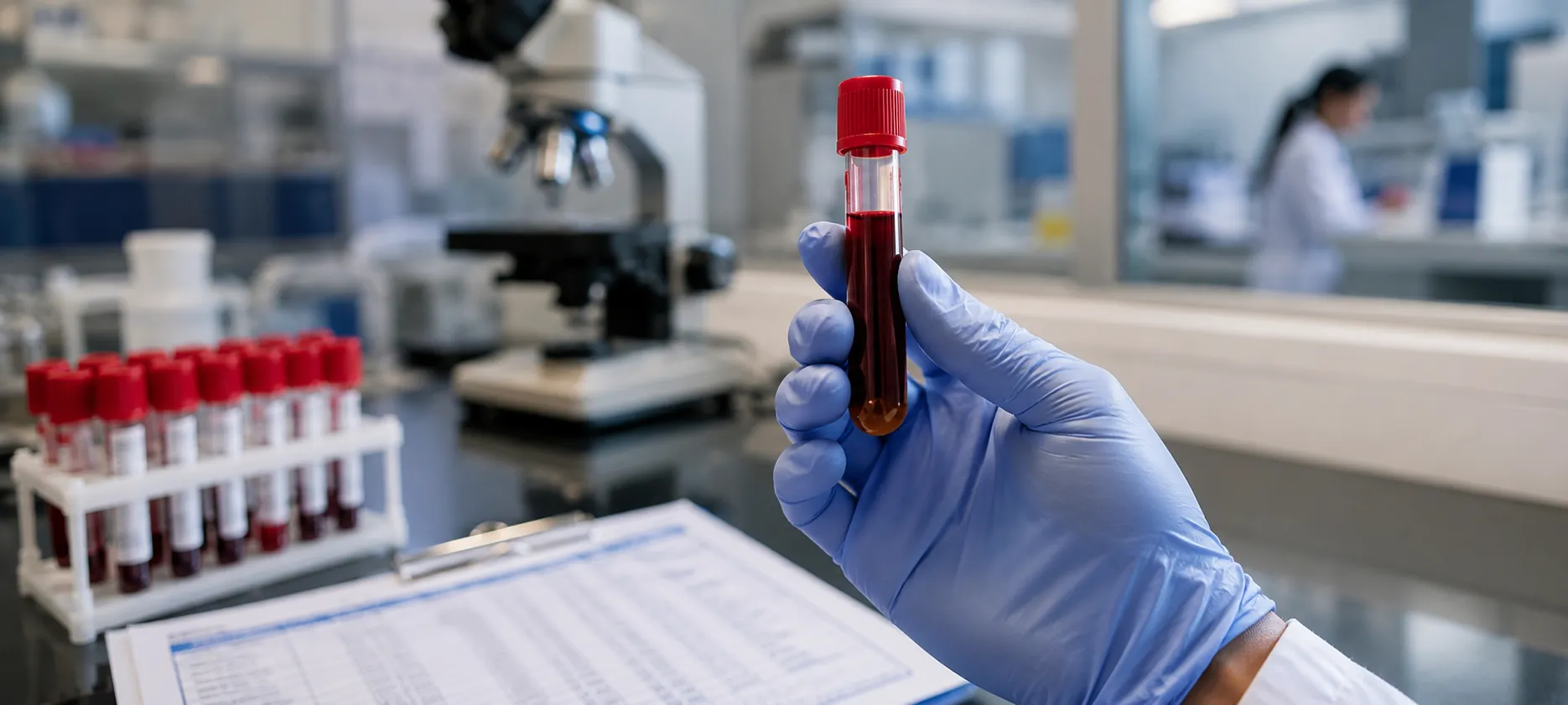
- Blood tests: Used to diagnose HIV, syphilis, herpes, and hepatitis B and C
- Physical examination: A doctor may identify sores, warts, or rashes during examination to support diagnosis
It is worth noting that there is no single STD test that screens for everything. Your doctor will advise which tests are appropriate based on your symptoms, sexual history, and risk factors.
How STD and UTI Are Diagnosed
When you visit a healthcare provider with urinary symptoms, they will begin by asking about your symptoms, how long you have had them, your medical history, and, where relevant, your sexual history. This conversation is confidential and helps determine which tests are most appropriate.
For a suspected UTI, a urine sample is typically the first step. The sample is analysed in a laboratory for the presence of bacteria and signs of infection.
For suspected STDs, your provider may collect swabs from the affected area, request a blood sample, or both. In some cases, a urine test can detect certain STDs at the same time as UTI screening.
If your UTI symptoms do not resolve with standard antibiotic treatment, or if they keep recurring, your doctor may consider whether an undetected STD could be the underlying cause and recommend further testing.
Treatment Options for STD vs UTI
UTI treatment:
UTIs caused by bacteria are treated with antibiotics. The course of treatment is usually short, often just three to seven days, though kidney infections may require a longer course and, in some cases, hospital treatment. Drinking plenty of water helps flush bacteria from the urinary tract. It is essential to complete the full course of antibiotics even if symptoms improve early, to prevent the infection from returning.
STD treatment:
Treatment for STDs depends on the type of infection involved.
Bacterial STDs such as chlamydia, gonorrhoea, and syphilis are treated with antibiotics. When caught early, these infections are fully curable. However, it is important that all recent partners are informed so they can be tested and treated too.
Viral STDs such as herpes, HIV, and HPV are not curable in the same way, but they are very manageable. Antiviral medications reduce symptoms, lower the viral load in the body, and significantly reduce the risk of transmission to partners. People living with HIV, for example, can lead full and healthy lives with appropriate antiretroviral therapy.
Parasitic infections such as trichomoniasis are treated with specific antiparasitic medications, typically prescribed as a short oral course.
After treatment for any STD, retesting is often recommended to confirm the infection has cleared.
Complications of Untreated STD vs UTI
Leaving either condition untreated carries real risks.
Complications of an untreated UTI:
- Spread of infection from the bladder to the kidneys (pyelonephritis), which is more serious and harder to treat
- Recurrent UTIs that become increasingly difficult to manage
- In rare cases, the infection can enter the bloodstream, leading to a severe condition called urosepsis
Complications of an untreated STD:
- Pelvic inflammatory disease, which can cause chronic pelvic pain and significantly increase the risk of infertility
- Increased risk of certain cancers, including cervical cancer linked to high-risk HPV strains
- Transmission to sexual partners, including during pregnancy
- In the case of syphilis, untreated infection can damage the heart, brain, and nervous system
- HIV progression to AIDS if left unmanaged
Early detection and treatment protect both you and your partners from these outcomes.
Prevention Tips for STD and UTI
To reduce your risk of UTIs:
- Drink plenty of water and urinate regularly throughout the day
- Always wipe from front to back after using the toilet
- Urinate after sexual activity to help flush bacteria from the urethra
- Avoid using scented feminine hygiene products or harsh soaps in the genital area
- Wear breathable, cotton underwear
- Change out of wet swimwear or gym clothes promptly
To reduce your risk of STDs:
- Use barrier methods such as condoms consistently and correctly during vaginal, anal, and oral sex
- Get vaccinated against HPV and hepatitis B, which are both vaccine-preventable
- Get tested regularly, particularly after a new sexual partner or unprotected sex
- Discuss sexual health openly and honestly with your partner or partners
- Consider PrEP (pre-exposure prophylaxis) if you are at higher risk for HIV
When to See a Doctor
You should speak to a doctor if you experience:
- Any burning or pain during urination that does not resolve quickly
- Unusual discharge from the genitals
- Sores, blisters, rashes, or growths around the genitals, anus, or mouth
- Pelvic pain or pain during sex
- Blood in your urine
- A UTI that keeps recurring despite treatment
- Any concern that you may have been exposed to an STD
You should also seek advice proactively if you are sexually active and have not been tested recently, even in the absence of symptoms. Many STDs produce no noticeable signs, and testing is the only way to know your status with certainty.
Do not delay out of embarrassment or uncertainty. Both UTIs and STDs are very common, very treatable, and nothing to be ashamed of.
Key Takeaways
- UTIs are caused by bacteria entering the urinary tract and are generally not sexually transmitted
- STDs are passed through sexual or skin-to-skin contact and can be caused by bacteria, viruses, or parasites
- Both conditions can cause painful urination, which is why they are frequently confused
- Symptoms such as genital sores, unusual discharge, or a rash point more strongly toward an STD
- Many STDs are asymptomatic, meaning testing is essential even without symptoms
- Bacterial UTIs and bacterial STDs are treatable with antibiotics; viral STDs require ongoing antiviral management
- Leaving either condition untreated can lead to serious complications
- Testing is the only reliable way to tell the two conditions apart
FAQs About STD vs UTI
How Do I Know If It Is a UTI or an STD?
You cannot tell with certainty based on symptoms alone, because the two conditions share many signs. However, some clues can help guide you. If your symptoms are limited to burning urination, urgency, and lower abdominal pressure, a UTI is more likely. If you also have unusual discharge, sores, blisters, a rash, or pain during sex, an STD is more probable. The only way to know for certain is through proper diagnostic testing, whether a urine test, swab, or blood test, depending on what your doctor recommends.
Can a UTI Feel Like an STD?
Yes, it can, and the reverse is equally true. Chlamydia and gonorrhoea, in particular, can produce urinary discomfort that feels almost identical to a UTI. This is why a UTI that does not respond to antibiotics, or that keeps returning, should prompt further investigation. It is possible that the underlying cause is an STD that has not yet been identified.
Which STD Can Mimic a UTI?
Chlamydia and gonorrhoea are the most common STDs that mimic UTI symptoms. Both can cause painful urination, urinary frequency, and pelvic discomfort without obvious genital symptoms. Trichomoniasis can also produce similar urinary irritation. Herpes may cause significant pain during urination during an initial outbreak, particularly if sores are present near the urethra. All of these infections can be confirmed through appropriate testing.
Will an STD Make a UTI Test Positive?
A standard urine dipstick test for UTIs checks for white blood cells, nitrites, and bacteria. Some STDs, particularly chlamydia and gonorrhoea, can cause inflammation in the urinary tract that triggers a positive reading for white blood cells on a dipstick test. This can create the appearance of a UTI when the real problem is an STD. A urine culture, which identifies the specific bacteria present, would not grow gonorrhoea or chlamydia through standard culture methods. Specific STD urine tests are required to detect these infections accurately.
Take Your Health Seriously, Starting Today
Whether you are dealing with recurring urinary discomfort, concerned about a recent exposure, or simply want to stay informed about your health, taking action sooner rather than later is always the right call. Both UTIs and STDs are manageable when caught early, and testing is the only way to get a clear picture of what is happening in your body.
Metropolis Healthcare offers a comprehensive range of diagnostic services, including STD profile tests, urine tests, and full body checkups, all backed by NABL and CAP-accredited laboratories. With over 4,000 tests available and a strong home sample collection network spanning 10,000 touchpoints across India, getting tested has never been more convenient. You can book easily through the Metropolis website, app, phone, or WhatsApp and receive accurate results with a quick turnaround time. Because proactive health monitoring is not just for when something feels wrong. It is how you stay a step ahead.
References
- Foxman B. Urinary tract infection syndromes: occurrence, recurrence, bacteriology, risk factors, and disease burden. Infect Dis Clin North Am. 2014;28(1):1-13.
- Workowski KA, Bachmann LH, Chan PA, et al. Sexually transmitted infections treatment guidelines, 2021. MMWR Recomm Rep. 2021;70(4):1-187.
- World Health Organization. Sexually transmitted infections (STIs). WHO Fact Sheets. 2023.
- Abrahamian FM, Moran GJ, Talan DA. Urinary tract infections in the emergency department. Infect Dis Clin North Am. 2008;22(1):73-87.
- European Association of Urology. EAU guidelines on urological infections. EAU Guidelines Office. 2023.
- Centers for Disease Control and Prevention. Sexually transmitted infections surveillance 2022. US Department of Health and Human Services. 2023.