Home Visit
 Upload






Preventive Healthcare
Smoothie Recipes for Weight Loss: Healthy and Easy Ideas
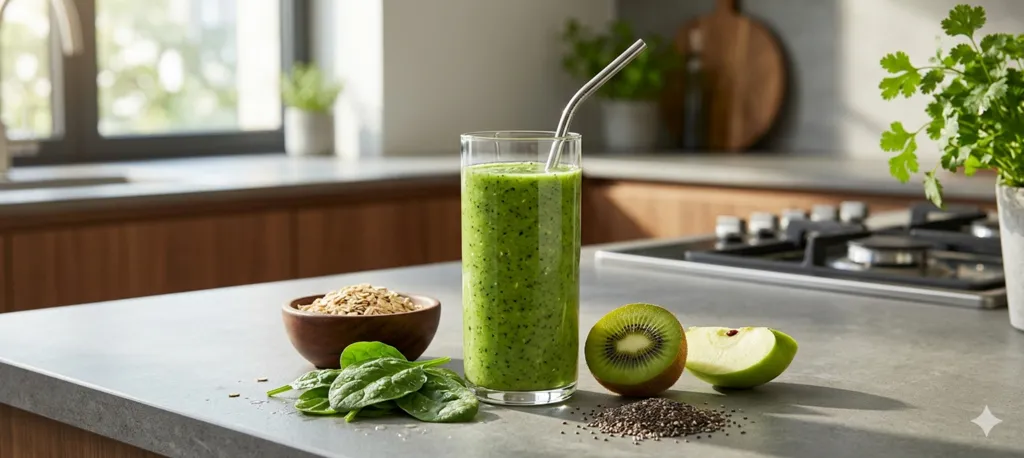
Table of Contents
- Can Smoothies Help With Weight Loss?
- 10 Healthy Smoothie Recipes for Weight Loss
- Best Ingredients to Add to Weight Loss Smoothies
- Common Mistakes to Avoid When Making Weight Loss Smoothies
- Tips to Make Smoothies More Filling and Balanced
- How Often Should You Drink Smoothies for Weight Loss?
- Key Takeaways
- Take Charge of Your Health with Metropolis Healthcare
- Frequently Asked Questions
- References
Losing weight does not have to mean giving up food you enjoy. Sometimes, the simplest changes make the biggest difference. A well-made smoothie can be one of them.
Weight loss smoothies are quick to prepare, easy to customise, and can genuinely support your goals when made with the right ingredients. They are not magic solutions, but they can be a smart, satisfying addition to a healthy routine.
Here is everything you need to know, including 10 easy smoothie recipes for weight loss you can try at home.
Can Smoothies Help With Weight Loss?
Yes, smoothies can support weight loss when they are made thoughtfully.
The key is what goes into them. A smoothie that combines fibre, protein, and healthy fats keeps you full for longer, reduces unnecessary snacking, and provides your body with steady energy. These are the same principles that form the foundation of any good weight loss diet plan.
Research consistently shows that meals high in fibre and protein reduce hunger hormones and increase satiety. When your smoothie ticks these boxes, it becomes a genuinely useful tool for managing calorie intake without feeling deprived.
The problem arises when smoothies are loaded with fruit juice, sweetened yoghurt, flavoured syrups, or too much fruit. These versions can have as many calories as a full meal, without the same filling effect.
Made correctly, a low calorie smoothie with quality ingredients can serve as a nourishing breakfast, a mid-morning snack, or even a light dinner.
10 Healthy Smoothie Recipes for Weight Loss
These recipes are simple, nutritious, and easy to make at home. Each one is designed to keep you full, support digestion, and help with healthy weight management.
1. Green Spinach Detox Smoothie
This is a classic detox smoothie that packs in greens without tasting like a salad. Spinach is rich in iron, folate, and antioxidants. Banana adds natural sweetness and energy. Lemon juice brightens the flavour and supports digestion.
Ingredients:
- 1 cup fresh spinach leaves, washed
- 1 small ripe banana
- 1 teaspoon raspberries or blueberries
- Half a teaspoon of lemon juice
- 1 cup water
How to make it: Blend all ingredients until smooth. Drink fresh for the best nutrient retention.
Why it works: Spinach is very low in calories but high in volume and nutrients. Combined with banana for energy, this smoothie is light yet filling.
2. Pineapple Spinach Green Smoothie
A tropical, energising option that supports digestion and metabolism. Pineapple contains bromelain, a natural enzyme that helps break down food. Spinach adds fibre and antioxidants. Chia seeds contribute healthy omega-3 fats and help thicken the smoothie naturally.
Ingredients:
- 1 cup spinach
- 1 cup pineapple chunks
- Half a cup of coconut water
- Half a teaspoon of chia seeds
How to make it: Blend all ingredients until smooth. Drink immediately.
Why it works: This is a low calorie smoothie for weight loss that also supports gut health and keeps energy levels steady.
3. Berry Antioxidant Smoothie
Berries are amongst the best fruits for weight loss. They are low in sugar, high in fibre, and packed with antioxidants that fight inflammation and support heart health. Paired with low-fat yoghurt, this becomes a protein-rich, probiotic-friendly option.
Ingredients:
- Half a cup of mixed berries (strawberries, blueberries, or raspberries)
- Half a cup of plain low-fat yoghurt
- Half a cup of water or unsweetened almond milk
How to make it: Blend all ingredients until thick and smooth. Add a few ice cubes if you prefer it chilled.
Why it works: The protein from yoghurt and fibre from berries work together to keep hunger at bay.
4. Banana Oats Breakfast Smoothie
This is one of the best breakfast smoothies for weight loss. Oats are a slow-digesting carbohydrate that provides sustained energy and keeps you full well into the morning. Banana adds natural sweetness, potassium, and creaminess.
Ingredients:
- 1 ripe banana
- 2 tablespoons rolled oats
- 1 cup low-fat milk or unsweetened plant-based milk
- 1 teaspoon honey (optional)
How to make it: Blend all ingredients until smooth and creamy. Consume fresh.
Why it works: Oats and banana together provide a slow, steady release of energy, making this a genuinely satisfying morning option.
5. High Protein Green Smoothie
This high protein smoothie is ideal if you exercise regularly or want to stay full for several hours. Almond butter provides healthy fats and plant-based protein. Hemp hearts are a complete protein source. Spinach or kale adds volume and nutrients with very few calories.
Ingredients:
- 1 handful of spinach or kale
- 1 frozen banana
- 1 tablespoon almond butter
- 2 tablespoons hemp hearts
- 1 cup unsweetened almond milk
How to make it: Blend all ingredients until smooth and creamy. Enjoy immediately.
Why it works: This combination delivers protein, healthy fats, and fibre in one glass, making it highly satisfying and ideal for managing weight.
6. Avocado Banana Smoothie
Avocado is one of the most underrated smoothie ingredients. It adds creaminess without added sugar and provides healthy monounsaturated fats that support heart health and keep you full. Combined with banana, this smoothie is rich, satisfying, and nutrient-dense.
Ingredients:
- Half a ripe avocado
- 1 small banana
- 1 cup unsweetened almond milk or low-fat milk
How to make it: Blend until smooth and creamy. Works well as a breakfast replacement or afternoon snack.
Why it works: Healthy fats slow digestion and reduce hunger, helping you avoid unnecessary snacking between meals.
7. Apple Cinnamon Smoothie
Apples are high in soluble fibre, which supports digestion and helps maintain healthy cholesterol levels. Cinnamon adds natural warmth and is known to support healthy blood sugar levels, which is important for managing cravings and energy dips.
Ingredients:
- 1 medium apple, chopped (with peel)
- Half a cup of low-fat yoghurt
- 1 teaspoon rolled oats
- Half a teaspoon of cinnamon powder
- Half a cup of water
How to make it: Blend all ingredients until smooth. Avoid straining to keep the fibre.
Why it works: The combination of fibre, protein, and blood sugar-stabilising cinnamon makes this a smart choice for sustained energy and reduced cravings.
8. Strawberry Kiwi Metabolism Booster
Strawberries and kiwi are both rich in vitamin C and dietary fibre. Vitamin C plays a role in fat oxidation during exercise, according to research published in the Journal of the American College of Nutrition. Yoghurt adds protein for satiety, making this smoothie a genuine metabolism-supporting option.
Ingredients:
- Half a cup of strawberries
- 1 kiwi, peeled
- Half a cup of plain yoghurt
- Half a cup of water
How to make it: Blend all ingredients until smooth. Enjoy chilled.
Why it works: Both fruits are low in calories and high in nutrients that support metabolism and immunity.
9. Mango Banana Smoothie
This tropical smoothie is sweet, creamy, and satisfying without being heavy. Mango is rich in vitamins A and C and contains natural enzymes that support digestion. Adding Greek yoghurt turns this into a protein-rich option that works as a proper meal.
Ingredients:
- Half a cup of ripe mango chunks
- 1 small banana
- Half a cup of Greek yoghurt
- Half a cup of cold water
How to make it: Blend all ingredients until smooth. Consume fresh.
Why it works: Greek yoghurt significantly boosts the protein content, turning a sweet fruit smoothie into a filling, balanced meal.
10. Carrot Orange Immunity Smoothie
This vibrant smoothie is excellent for skin health and immunity. Carrots are rich in beta-carotene, while oranges provide vitamin C. Both nutrients support immune function and cell repair. This makes it a great option during seasonal changes when your body needs extra care.
Ingredients:
- 1 to 2 medium carrots, chopped
- 1 ripe orange, peeled and segmented
- Half a cup of water
How to make it: Blend all ingredients until smooth. Keep the fibre by avoiding straining.
Why it works: Low in calories, high in vitamins, and naturally sweet, this smoothie supports both weight management and overall wellness.
Best Ingredients to Add to Weight Loss Smoothies
Choosing the right ingredients makes all the difference. Here is what to include:
For fibre and fullness:
- Spinach, kale, or other leafy greens
- Oats
- Chia seeds or flaxseeds
- Apples, pears, or berries
For protein and satiety:
- Plain low-fat yoghurt or Greek yoghurt
- Hemp hearts
- Unsweetened nut butters (almond or peanut)
- Tofu (silken tofu blends well and adds protein without altering flavour significantly)
For healthy fats:
- Avocado
- Chia seeds
- Flaxseeds
- Almond butter
For liquid base:
- Water
- Coconut water
- Unsweetened almond milk or soy milk
- Low-fat dairy milk
For natural sweetness:
- Ripe banana
- Dates (in small quantities)
- A small drizzle of honey
Common Mistakes to Avoid When Making Weight Loss Smoothies
Even well-intentioned smoothies can work against your goals if you are not careful. Watch out for these common errors:
- Adding fruit juice as the base: Fruit juice is high in sugar and low in fibre. Use water, coconut water, or unsweetened plant-based milk instead.
- Using flavoured yoghurt: Flavoured yoghurts often contain added sugar. Stick to plain, low-fat, or Greek yoghurt.
- Using too much fruit: Fruit is nutritious, but too much adds a significant amount of natural sugar. Limit fruit to one cup per smoothie.
- Skipping protein: A smoothie without protein will leave you hungry sooner. Always include a protein source.
- Adding sweetened protein powders: If you use protein powder, choose an unsweetened or lightly flavoured variety to avoid excess sugar.
- Making it too large: Even healthy smoothies can exceed your calorie needs if the portions are too generous. Keep servings realistic.
- Drinking it too fast: Eating or drinking slowly allows satiety signals to register. Sip your smoothie slowly rather than drinking it in one go.
Tips to Make Smoothies More Filling and Balanced
A good weight loss smoothie should keep you full for at least two to three hours. Here is how to build that staying power:
- Use whole fruits, not juices: Whole fruits retain fibre, which slows digestion and supports fullness.
- Add oats or chia seeds: Both absorb liquid and expand in the stomach, increasing the feeling of fullness.
- Include a protein source every time: Protein is the most satiating macronutrient and is essential in any balanced diet that supports weight loss.
- Use frozen fruit instead of ice: Frozen fruit makes the smoothie thick and cold without diluting it.
- Do not skip healthy fats: A small amount of avocado, nut butter, or seeds slows digestion and keeps hunger in check.
- Drink it as a meal, not alongside one: If you have a large, balanced smoothie, let it replace the meal rather than adding it on top.
How Often Should You Drink Smoothies for Weight Loss?
There is no single rule, but once a day is a practical and sustainable approach for most people.
Replacing one meal, typically breakfast or lunch, with a well-balanced smoothie can help manage overall calorie intake without leaving you hungry. However, smoothies should not replace all your meals. Whole foods provide nutrients and textures that are important for overall health and long-term satisfaction.
Think of smoothies as one useful tool within a broader, balanced diet. They work best when combined with regular physical activity, adequate sleep, and consistent healthy eating habits throughout the day.
If you are working towards a specific weight goal, it helps to track how your body responds and adjust ingredients and frequency accordingly.
Key Takeaways
- Smoothies can support weight loss when made with fibre, protein, and healthy fats.
- Avoid fruit juices, added sugars, and flavoured yoghurts.
- Use water, coconut water, or unsweetened plant-based milk as your base.
- Include a protein source in every smoothie to stay full longer.
- Limit fruit to one cup per smoothie to keep sugar intake in check.
- Drink smoothies as a meal replacement, not in addition to a full meal.
- One smoothie per day, as part of a balanced diet, is a sustainable and sensible approach.
Take Charge of Your Health with Metropolis Healthcare
Healthy habits like nourishing smoothies are a great starting point. But understanding what is happening inside your body gives you a much clearer picture of your overall health.
Routine health screening helps you track key markers like blood sugar, cholesterol, thyroid function, and nutritional deficiencies, all of which can influence your weight, energy levels, and wellbeing. You do not need to wait for symptoms to appear to take action.
Metropolis Healthcare offers over 4,000 tests, full body checkups, and speciality testing with accurate results and quick turnaround times. Booking is easy through the website, app, call, or WhatsApp. With home sample collection available across 10,000 touchpoints, getting tested has never been more convenient.
Pair your healthy smoothie habit with proactive health monitoring. Small, consistent steps add up to lasting change.
Frequently Asked Questions
Are Smoothies a Good Way to Lose Weight?
Yes, smoothies can be a helpful part of a weight loss plan when they are made with the right ingredients. A smoothie that includes fibre, protein, and healthy fats helps control hunger and provides steady energy. However, smoothies alone will not lead to weight loss. They work best as part of an overall healthy lifestyle that includes regular movement and mindful eating.
Which Smoothie is Best for Weight Loss?
There is no single best smoothie, but those that combine leafy greens, a protein source (such as yoghurt or nut butter), and low-sugar fruits tend to be the most effective. The green spinach detox smoothie, high protein green smoothie, and berry antioxidant smoothie are all excellent options depending on your taste preferences and nutritional needs.
Can I Replace a Meal With a Smoothie?
Yes, you can replace one meal a day with a balanced smoothie. The key is to make sure it contains enough protein, fibre, and healthy fats to keep you full and meet your nutritional needs. A smoothie made only of fruit and juice is not nutritionally complete enough to replace a proper meal.
What Fruits Are Best for Weight Loss Smoothies?
Berries (strawberries, blueberries, raspberries) are among the best choices. They are low in sugar, high in fibre, and rich in antioxidants. Banana is useful for creaminess and natural energy. Apples, kiwi, and papaya are also good options. Limit higher-sugar fruits like mango and pineapple to smaller portions.
How Many Calories Should a Weight Loss Smoothie Have?
A balanced weight loss smoothie typically falls between 250 and 400 calories. This is enough to replace a meal or serve as a substantial snack without exceeding your daily calorie needs. If your smoothie is much higher than this, check the portion sizes and ingredients, especially nut butters, yoghurt, and fruits.
Can Smoothies Help Reduce Belly Fat?
No single food or drink can target belly fat specifically. However, a belly fat smoothie that is high in fibre and protein and low in added sugar can support overall fat loss when combined with a healthy diet and regular exercise. Reducing sugar, refined carbohydrates, and excess calories is the most evidence-based approach to losing fat around the abdomen.
Is It Okay to Drink Smoothies Every Day?
Yes, drinking one balanced smoothie a day is generally safe and can be a healthy habit. Vary your ingredients to ensure you are getting a range of nutrients and not relying too heavily on any single food. If you find that a daily smoothie helps you eat fewer processed foods or skip sugary breakfasts, it is likely a positive change for your routine.
Should I Add Protein Powder to My Smoothie?
Protein powder can be a useful addition, especially if you struggle to include enough protein through whole foods. If you choose to use it, opt for an unflavoured or lightly flavoured, low-sugar variety. That said, whole food protein sources like Greek yoghurt, hemp hearts, or nut butter are equally effective and often more nutritious.
What Should I Avoid Adding to Weight Loss Smoothies?
Avoid fruit juice, flavoured yoghurt, sweetened nut butters, refined sugar, honey in large amounts, full-fat ice cream, and sweetened protein powders. These ingredients add significant calories and sugar without contributing much in terms of satiety or nutrition.
When Is the Best Time to Drink a Smoothie for Weight Loss?
Morning is generally the most effective time. A breakfast smoothie for weight loss helps set the tone for the day, reduces the likelihood of mid-morning snacking, and provides steady energy for several hours. However, a smoothie can also work well as a mid-morning snack, a light lunch, or a post-workout recovery drink.
References
- Slavin JL. Dietary fiber and body weight. Nutrition. 2005;21(3):411-418. PMID: 15797686.
- Paddon-Jones D, Westman E, Mattes RD, Wolfe RR, Astrup A, Westerterp-Plantenga M. Protein, weight management, and satiety. Am J Clin Nutr. 2008;87(5):1558S-1561S. PMID: 18469287.
- Johnston CS, Corte C, Swan PD. Marginal vitamin C status is associated with reduced fat oxidation during submaximal exercise in young adults. Nutr Metab (Lond). 2006;3:35. PMID: 16925820.
- Rebello CJ, O'Neil CE, Greenway FL. Dietary fiber and satiety: the effects of oats on satiety. Nutr Rev. 2016;74(2):131-147. PMID: 26724486.
- Dreher ML, Davenport AJ. Hass avocado composition and potential health effects. Crit Rev Food Sci Nutr. 2013;53(7):738-750. PMID: 23638933.
- Mozaffarian D. Dietary and policy priorities for cardiovascular disease, diabetes, and obesity: a comprehensive review. Circulation. 2016;133(2):187-225. PMID: 26746178.
- World Health Organization. Healthy diet. WHO fact sheet. 2020.