Home Visit
 Upload






Preventive Healthcare
What Is Stress And How It Affects Your Mental And Physical Health?
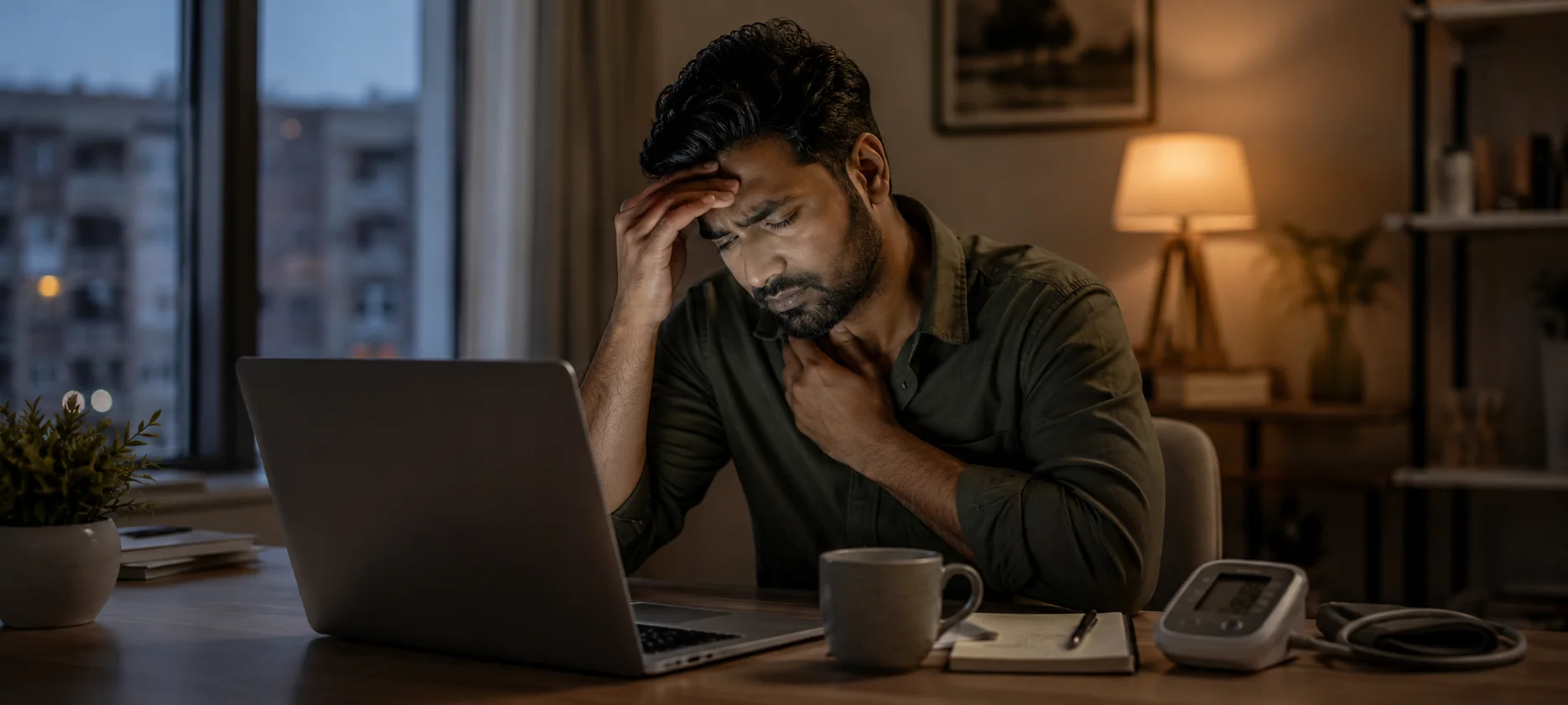
Table of Contents
Stress is a natural response to pressure, change, or challenge. You may feel stressed before an exam, during a busy workday, while dealing with money worries, or when facing a difficult life event.
A little stress can help you stay alert and focused. It may push you to act quickly, solve problems, or meet a deadline. But when stress lasts too long or feels too intense, it can affect your mind, body, sleep, digestion, heart health, immunity, and daily life.
Understanding stress can help you recognise the signs early and manage it in healthier ways.
What Is Stress?
Stress is your body’s physical and mental reaction to a demand or threat. This demand is called a stressor. It can be external, such as work pressure, illness, financial problems, or relationship issues. It can also be internal, such as overthinking, fear, self-doubt, or unrealistic expectations.
When you feel stressed, your body prepares to respond. Your heart may beat faster, your breathing may become quicker, your muscles may tighten, and your mind may become more alert. This is often called the fight-or-flight response.
This response is useful in short bursts. It helps you face urgent situations. The problem begins when your body remains in this high-alert state for too long.
Types Of Stress
Stress can be short-term, repeated, or long-term. The main types of stress include:
- Acute Stress: This is short-term stress. It may happen before a test, presentation, argument, interview, or sudden problem. It usually settles once the situation passes.
- Episodic Acute Stress: This happens when acute stress occurs often. You may feel like you are always rushing, worrying, or dealing with one problem after another.
- Chronic Stress: This is long-term stress that continues for weeks, months, or years. It may be linked to ongoing work pressure, financial difficulty, caregiving stress, family conflict, long-term illness, or unresolved trauma.
- Traumatic Stress: This may happen after a frightening or deeply distressing event. In some people, it can contribute to post-traumatic stress disorder, also known as PTSD.
Causes Of Stress
The causes of stress are different for everyone. What feels stressful to one person may feel manageable to another.
Common causes of stress include work pressure, exams, financial worries, health problems, family responsibilities, relationship conflict, lack of sleep, major life changes, moving home, job loss, caregiving, bereavement, social pressure, and uncertainty about the future.
Positive events can also cause stress. Getting married, becoming a parent, starting a new job, or moving to a better home may still feel emotionally and physically demanding.
Stress can also build up slowly. Small daily pressures, such as traffic, deadlines, household tasks, digital overload, and lack of rest, can become overwhelming when they happen repeatedly.
Stress Hormones
When your brain senses stress, it signals your body to release stress hormones. The main stress hormones include adrenaline, noradrenaline, and cortisol.
Adrenaline and noradrenaline act quickly. They increase your heart rate, breathing rate, blood pressure, and alertness. They help your body respond to immediate danger or pressure.
Cortisol works over a longer period. It helps release energy by affecting blood sugar, metabolism, and inflammation. In short-term stress, cortisol can be useful. But when cortisol stays high for too long, it may disturb sleep, mood, immunity, digestion, blood pressure, and blood sugar balance.
This is why chronic stress can affect both mental and physical health.
Signs Of Stress And Anxiety
Stress and anxiety often overlap. Stress usually has a clear trigger, such as work pressure or a family issue. Anxiety may continue even when the trigger is not clear or when the situation has passed.
Common signs of stress and anxiety include:
- Constant worry
- Racing thoughts
- Irritability
- Restlessness
- Feeling overwhelmed
- Difficulty concentrating
- Trouble relaxing
- Panic-like feelings
- Fear that something bad may happen
- Avoiding people or responsibilities
- Feeling tense or on edge
- Poor sleep
If these feelings are intense, frequent, or affecting your daily life, it is important to speak to a healthcare professional.
Stress Symptoms
Stress symptoms can affect your body, emotions, thoughts, and behaviour.
Common physical symptoms include:
- Headache
- Muscle tension
- Neck, shoulder, or back pain
- Chest tightness
- Fast heartbeat
- High blood pressure
- Tiredness
- Digestive discomfort
- Acidity or bloating
- Changes in appetite
- Sweating
- Dizziness
- Jaw clenching
- Sleep problems
- Frequent infections
Common emotional and mental symptoms include:
- Anxiety
- Low mood
- Anger
- Irritability
- Sadness
- Poor concentration
- Forgetfulness
- Lack of motivation
- Feeling helpless
- Feeling mentally exhausted
Common behavioural symptoms include:
- Overeating or eating too little
- Increased caffeine intake
- Smoking or alcohol use
- Social withdrawal
- Angry outbursts
- Procrastination
- Reduced physical activity
- Neglecting self-care
Chronic Stress
Chronic stress is stress that continues for a long time without enough recovery. It may become so familiar that you start accepting it as normal.
This type of stress can gradually affect your health. It keeps your nervous system activated and exposes your body to stress hormones for longer than needed. Over time, this can contribute to sleep problems, anxiety, depression, hypertension, digestive issues, weakened immunity, weight changes, and poor blood sugar control.
Chronic stress may also increase the risk of heart attacks and type 2 diabetes in people who already have other risk factors.
How Stress Affects Mental Health
Stress affects the way you think, feel, and respond to situations. When your brain remains in a high-alert state, it becomes harder to relax, focus, make decisions, and regulate emotions.
Long-term stress can make you feel anxious, irritable, low, hopeless, or emotionally drained. It may affect your confidence and relationships. It can also increase the risk of depression, anxiety disorders, burnout, and post-traumatic stress disorder in vulnerable people.
Stress can also affect memory and concentration. You may feel mentally foggy, forgetful, or unable to complete simple tasks. This does not mean you are weak. It means your mind and body need support and recovery.
How Stress Affects Physical Health
Stress can affect almost every system in your body.
Your heart may beat faster and your blood pressure may rise. If this happens often, it can strain the cardiovascular system and contribute to hypertension and heart disease risk.
Your muscles may stay tense, causing headaches, neck pain, back pain, jaw pain, or body aches. Your digestive system may also become sensitive, leading to acidity, stomach pain, bloating, loose stools, constipation, or worsening of irritable bowel syndrome.
Stress may disturb your immune system, making you more likely to fall ill or recover slowly. It can also affect blood sugar levels, appetite, weight, sleep, skin health, hair fall, menstrual patterns, and sexual health.
Managing Stress
You may not be able to remove every source of stress, but you can change how you respond to it. Healthy stress management can protect your mental and physical health.
Helpful ways to manage stress include:
- Move Your Body: Walking, stretching, yoga, cycling, dancing, or any regular physical activity can help reduce stress hormones and improve mood.
- Practise Deep Breathing: Slow breathing can calm your nervous system and reduce the feeling of panic or tension.
- Sleep Well: Try to keep a regular sleep schedule and reduce screen time before bed.
- Eat Balanced Meals: Choose whole grains, pulses, fruits, vegetables, nuts, seeds, and enough protein. Avoid depending on excess caffeine, sugar, or alcohol to cope.
- Set Priorities: Break tasks into smaller steps. Focus on what is urgent and realistic.
- Take Short Breaks: Even a few minutes of quiet breathing, stretching, or stepping away from a screen can help.
- Talk To Someone: Share your concerns with a trusted friend, family member, counsellor, or doctor.
- Limit Stimulants: Too much caffeine, nicotine, and alcohol can worsen anxiety, sleep issues, and mood swings.
- Create Boundaries: Learn to say no when your plate is already full.
- Use Relaxation Practices: Meditation, prayer, journalling, music, mindfulness, and gentle yoga may help you feel calmer.
- Seek Professional Help: If stress feels unmanageable, therapy or medical support can help you understand triggers and build coping skills.
Stress And Its Impact On Daily Life
Stress can quietly affect your daily routine. You may struggle to sleep, wake up tired, lose interest in things you once enjoyed, or feel irritated over small issues. Work may feel harder. Relationships may feel strained. Your eating habits, energy, and concentration may change.
The earlier you recognise stress, the easier it is to manage. Do not wait until you feel completely exhausted. Small steps taken daily can make a meaningful difference.
Routine health checks can also help you understand how stress may be affecting your body. Monitoring blood pressure, blood sugar, cholesterol, thyroid function, vitamin levels, and other health markers can help you take timely action.
Conclusion
Stress is a normal part of life, but long-term stress should not be ignored. It can affect your mental health, sleep, digestion, blood pressure, heart health, immunity, and overall wellbeing.
Managing stress is not about removing every challenge. It is about helping your body and mind recover better. Regular movement, good sleep, balanced food, emotional support, and healthy coping habits can help you feel more in control.
Along with lifestyle care, preventive health screening can help you stay informed about your health markers. Metropolis Healthcare offers 4,000+ tests, full body checkups, specialty testing, home sample collection, quick turnaround time, and reliable reports. With easy booking through the website, app, call, and WhatsApp, Metropolis Healthcare can support your preventive healthcare journey with accurate testing and convenient care.
FAQs
What Are The First Signs Of Stress?
The first signs of stress may include irritability, poor sleep, headache, muscle tension, tiredness, restlessness, low concentration, and constant worry. Some people also notice digestive issues, appetite changes, or a faster heartbeat.
How Does Stress Affect Your Blood Pressure?
Stress hormones can make your heart beat faster and your blood vessels tighten. This can temporarily raise your blood pressure. If stress is frequent or long-term, it may contribute to hypertension risk, especially when combined with poor sleep, unhealthy eating, lack of exercise, smoking, or excess alcohol.
Can Stress Cause Physical Pain In The Body?
Yes, stress can cause physical pain. It may lead to muscle tension, headaches, neck pain, back pain, jaw pain, chest tightness, stomach discomfort, or body aches. If pain is severe, sudden, or persistent, seek medical advice.
What Is The Difference Between Anxiety And Stress?
Stress is usually linked to a specific pressure or challenge. Anxiety is a feeling of fear, worry, or unease that may continue even when the stressor is not present. Both can affect your body and mind. If symptoms interfere with daily life, professional support can help.
How Long Does It Take For Stress To Affect Your Health?
Short-term stress can affect your body within minutes by increasing heart rate, breathing, and alertness. Chronic stress can affect health over weeks, months, or years. The impact depends on the intensity of stress, your coping habits, sleep, support system, and existing health conditions.
Can Stress Be The Cause Of Hair Loss?
Yes, stress may contribute to some types of hair loss, especially after a major illness, emotional shock, or prolonged strain. Hair fall may appear weeks or months after the stressful period. Since hair loss can also be linked to thyroid problems, iron deficiency, vitamin deficiency, hormonal changes, or other causes, it is best to get evaluated.
How Does Stress Affect Your Sleep Cycle?
Stress can keep your brain and body in an alert state. This may make it harder to fall asleep, stay asleep, or wake up refreshed. Poor sleep can then increase stress the next day, creating a cycle. A regular sleep routine, less screen time at night, and relaxation practices may help.
Can Chronic Stress Lead To Depression?
Yes, chronic stress can increase the risk of depression in some people. It can affect mood, sleep, energy, motivation, appetite, and concentration. If you feel persistently low, hopeless, emotionally numb, or unable to function, speak to a mental health professional or doctor.