Home Visit
 Upload






Preventive Healthcare
10 Spirulina Benefits: What The Science Actually Says About This Blue-Green Algae Supplement
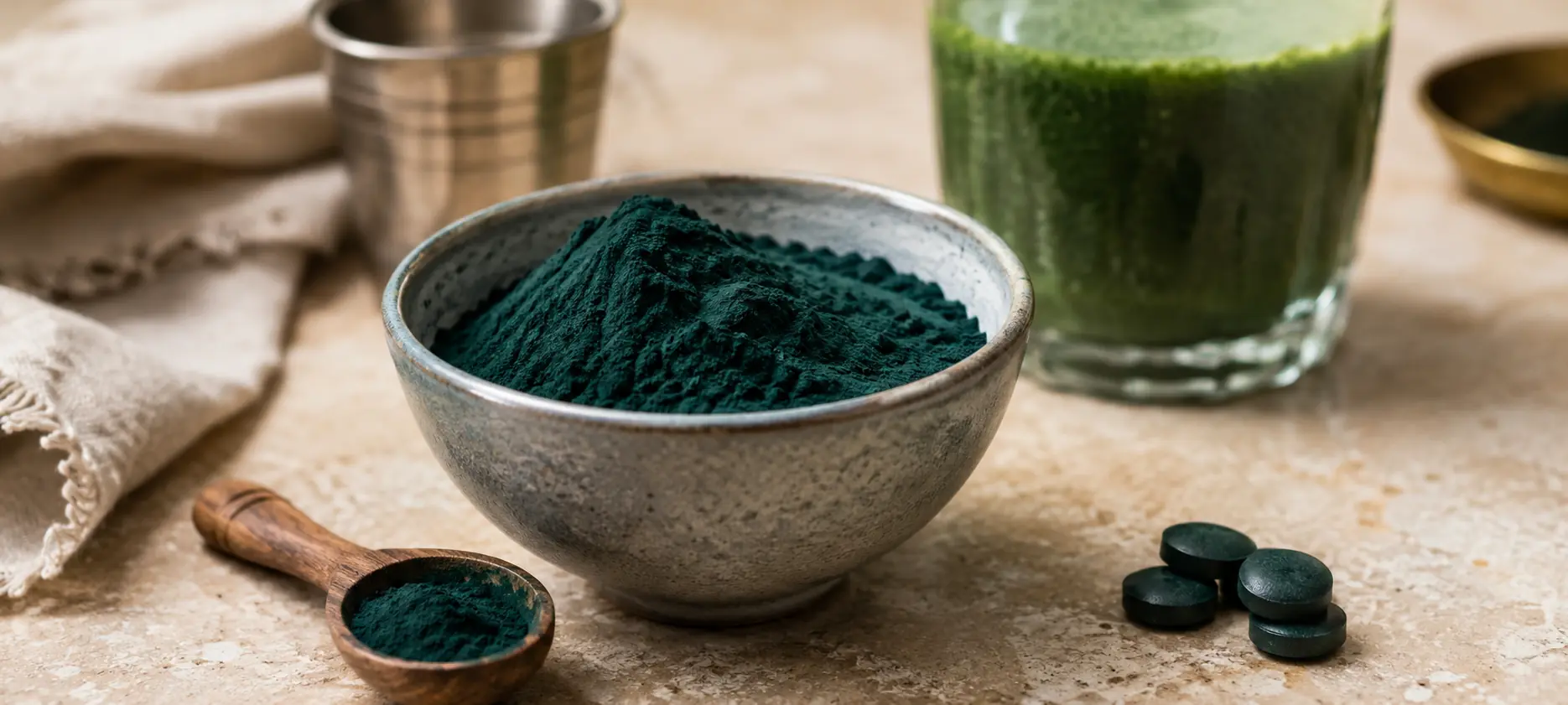
Table of Contents
Spirulina has become one of the most talked-about wellness supplements. You may see it in smoothies, tablets, capsules, protein bars, juices, and green health drinks. It is often promoted as a superfood because it is rich in protein, vitamins, minerals, antioxidants, and plant compounds.
But is spirulina really as beneficial as people claim?
The answer is balanced. Spirulina can support your nutrition and may help improve certain health markers, especially cholesterol, triglycerides, blood pressure, and fasting blood sugar. However, it is not a cure for any disease. It should not replace a balanced diet, prescribed medicines, or medical care.
This guide explains what spirulina is, how it works, its nutritional value, the top spirulina benefits backed by research, possible spirulina side effects, and safe ways to include it in your diet.
What Is Spirulina?
Spirulina is a type of blue-green algae, also known as cyanobacteria. It grows naturally in both fresh water and salt water. It is commonly dried and sold as spirulina powder, tablets, or capsules.
Spirulina algae is naturally rich in plant protein, iron, copper, B vitamins, and antioxidants. Its deep blue-green colour comes from a pigment called phycocyanin. This compound is one of the main reasons spirulina is studied for its antioxidant and anti-inflammatory effects.
People use spirulina for different reasons. Some take it to improve nutrient intake. Some use it for heart health, energy, exercise support, or general wellness. Still, the benefits depend on your health status, diet, dose, product quality, and medical history.
How Does Spirulina Work?
Spirulina works mainly through its nutrients and bioactive compounds.
Its protein content supports tissue repair, muscle maintenance, and satiety. Its iron may support red blood cell formation when taken as part of a balanced diet. Its antioxidants may help reduce oxidative stress, which is a process linked with cell damage and inflammation.
The key active compound in spirulina is phycocyanin. Research suggests that phycocyanin may help reduce inflammation and protect cells from free radical damage. Spirulina may also support nitric oxide production, which helps blood vessels relax. This may partly explain its possible effect on blood pressure.
However, your response to spirulina can vary. It is best seen as a nutritional supplement, not as a treatment.
Nutritional Profile Of Spirulina
A small serving of dried spirulina powder can provide several nutrients. The exact amount may vary by brand and processing method.
|
Nutrient In Spirulina |
Why It Matters |
|
Protein |
Supports muscle repair, tissue health, and satiety |
|
Iron |
Helps support haemoglobin and oxygen transport |
|
Copper |
Supports iron metabolism and immune function |
|
Thiamine, Riboflavin, And Niacin |
Help your body convert food into energy |
|
Magnesium |
Supports muscles, nerves, and normal heartbeat |
|
Phycocyanin |
A blue pigment with antioxidant and anti-inflammatory properties |
|
Small Amounts Of Healthy Fats |
May contribute to overall nutrient balance |
Spirulina is nutrient-dense, but it should not be your only source of protein, iron, or vitamins. A varied diet with pulses, whole grains, nuts, seeds, fruits, vegetables, dairy or suitable alternatives, and adequate hydration is still essential.
Top 10 Proven Benefits Of Spirulina
1. Spirulina May Support Better Nutrient Intake
One of the most practical spirulina benefits is its nutrient density. It provides plant protein, B vitamins, copper, iron, magnesium, and antioxidants in a small serving.
This can be useful if your diet is limited or if you want to add a nutrient-rich supplement to your routine. However, spirulina should not be used as a replacement for meals. It works best when added to an already balanced diet.
2. Spirulina Has Antioxidant Properties
Your body naturally produces free radicals during metabolism, stress, pollution exposure, and intense exercise. When free radicals build up, they may contribute to oxidative stress.
Spirulina contains antioxidants, especially phycocyanin, which may help protect cells from oxidative damage. This is one reason spirulina is studied for heart health, inflammation, exercise recovery, and long-term wellness.
3. Spirulina May Help Reduce Inflammation
Inflammation is your body’s natural response to injury or infection. But long-term, low-grade inflammation may contribute to several chronic health issues.
Phycocyanin in spirulina may help reduce inflammatory signalling in the body. This does not mean spirulina can treat inflammatory diseases. But it may support your overall anti-inflammatory lifestyle when combined with good sleep, balanced nutrition, regular movement, and stress management.
4. Spirulina May Help Improve Cholesterol Levels
Several studies suggest that spirulina supplementation may help improve lipid profile. This includes lowering total cholesterol, LDL cholesterol, and triglycerides, while supporting HDL cholesterol in some people.
This benefit is especially relevant if you are working on heart health. Still, spirulina should not replace cholesterol-lowering medicines or medical advice. If you have high cholesterol, regular lipid profile testing and lifestyle changes remain important.
5. Spirulina May Support Healthy Blood Pressure
Some research suggests that spirulina may help reduce systolic and diastolic blood pressure, especially in people with high blood pressure or cardiometabolic risk factors.
This effect may be linked to nitric oxide, a molecule that helps blood vessels relax and improves blood flow. However, spirulina is not a substitute for blood pressure medicines. If you have hypertension, monitor your blood pressure regularly and follow your doctor’s treatment plan.
6. Spirulina May Help With Blood Sugar Control
Spirulina may support fasting blood sugar control in people with type 2 diabetes or metabolic risk factors. Some studies show improvements in fasting blood glucose, but effects on long-term blood sugar markers such as HbA1c are less clear.
If you have diabetes, do not start spirulina without medical guidance. It may affect blood sugar levels and could interact with diabetes medicines. Routine tests such as fasting blood sugar, HbA1c, and lipid profile can help you understand your progress more clearly.
7. Spirulina May Support Immunity
Spirulina contains nutrients that support normal immune function, including iron, copper, B vitamins, and antioxidants. Some research also suggests that spirulina may influence immune cell activity.
This does not mean spirulina can prevent infections or replace vaccines, medicines, or medical care. But it may support your immune health as part of a broader routine that includes adequate sleep, hand hygiene, exercise, and a nutrient-rich diet.
8. Spirulina May Help People With Low Iron Intake
Spirulina contains iron, which is needed to make haemoglobin. Haemoglobin helps carry oxygen in your blood. Some studies suggest spirulina may help improve certain markers related to anaemia, but more research is needed.
If you feel tired often, look pale, feel dizzy, or have shortness of breath, do not assume spirulina is enough. These symptoms can have many causes. A complete blood count, ferritin test, vitamin B12 test, and other investigations may be needed to find the reason.
9. Spirulina May Help Reduce Allergy Symptoms In Some People
Spirulina has been studied for allergic rhinitis, a condition that may cause sneezing, blocked nose, runny nose, and itching. Some research suggests that spirulina may help reduce nasal allergy symptoms by affecting inflammation and histamine-related pathways.
This benefit is promising, but it is not a replacement for prescribed allergy medicines. If your symptoms are frequent, severe, or affect sleep, speak to a doctor.
10. Spirulina May Support Exercise Performance And Recovery
Exercise increases oxygen use in the body. This can increase oxidative stress for a short time, especially during intense activity. Since spirulina contains antioxidants, it may help reduce exercise-related oxidative damage in some people.
Some studies suggest possible benefits for endurance, muscle strength, and fatigue. But results are not uniform. Good training, rest, hydration, and adequate protein intake remain more important than any supplement.
Spirulina Side Effects And Risks
Spirulina is generally considered safe for many adults when taken in appropriate amounts from a reliable source. However, side effects and risks are possible.
Common spirulina side effects may include nausea, bloating, gas, headache, diarrhoea, or stomach discomfort. These effects may be more likely when you start with a high dose.
The bigger concern is product quality. Poor-quality or contaminated blue-green algae products may contain heavy metals, bacteria, or toxins such as microcystins. These contaminants can be harmful, especially to the liver.
You should speak to a doctor before taking spirulina if you:
- Are pregnant or breastfeeding
- Have an autoimmune condition
- Have a bleeding disorder
- Take blood thinners
- Take diabetes medicines
- Take blood pressure medicines
- Take immunosuppressant medicines
- Have liver disease
- Have phenylketonuria
- Are planning surgery
- Are buying spirulina for a child
Choose products from reputable brands that test for contaminants. Avoid wild-harvested algae products unless quality testing is clearly available.
How To Incorporate Spirulina Into Your Diet
Spirulina has a strong earthy taste. Spirulina powder is easy to add to foods and drinks, but tablets or capsules may be better if you do not like the flavour.
You can try spirulina in these ways:
- Add a small amount of spirulina powder to a smoothie
- Mix it into fruit juice with lemon or orange
- Stir it into curd, yoghurt, or smoothie bowls
- Add it to homemade energy balls
- Mix it into hummus or dips
- Sprinkle a small amount over salads
- Take spirulina tablets or capsules as directed on the label
Start with a small quantity and see how your body responds. Do not exceed the dose mentioned on the product label unless your healthcare provider advises it.
Can You Take Spirulina Every Day?
Many people take spirulina daily, but the right amount depends on your age, health condition, diet, medicines, and product strength. There is no single standard dose for everyone.
Some studies use doses ranging from 1 gram to 10 grams per day. For general use, it is sensible to start low and avoid high doses unless advised by a healthcare professional.
If you take medicines or have a chronic condition, ask your doctor before using spirulina daily.
Conclusion
Spirulina is a nutrient-rich blue-green algae supplement with promising benefits. It may support antioxidant protection, inflammation balance, cholesterol levels, blood pressure, fasting blood sugar, immunity, iron intake, allergy symptoms, and exercise recovery.
But it is not a miracle supplement. It works best as part of a healthy lifestyle that includes balanced meals, regular movement, good sleep, stress management, and routine health monitoring.
Preventive health screening can help you understand your body better before symptoms become serious. Regular blood tests, full body checkups, lipid profile tests, blood sugar tests, liver function tests, and vitamin checks can give you a clearer picture of your health markers.
Metropolis Healthcare offers 4,000+ tests, full body checkups, speciality testing, home sample collection, quick turnaround time, and reliable reports. With easy booking through the website, app, call, and WhatsApp, Metropolis Healthcare can support your wellness journey with accurate testing and convenient care.
FAQ
Can Spirulina Help With Diabetes?
Spirulina may help improve fasting blood sugar in some people with type 2 diabetes, but the evidence is not strong enough to use it as a treatment. It should not replace diabetes medicines, diet changes, exercise, or regular monitoring. If you have diabetes, speak to your doctor before taking spirulina because it may affect blood sugar levels.
Does Spirulina Cause Digestive Problems?
Yes, spirulina can cause digestive symptoms in some people. These may include gas, bloating, nausea, stomach discomfort, or diarrhoea. Starting with a small amount may reduce the chances of discomfort. Stop taking it and seek medical advice if symptoms are severe or persistent.
What Is The Recommended Dosage Of Spirulina?
There is no universal recommended dosage of spirulina. Many supplements suggest a daily amount on the product label, and studies have used different doses. It is best to start with a low dose and avoid exceeding the label instructions. Ask your doctor for personalised guidance, especially if you have a medical condition or take medicines.
Is Spirulina Powder Better Than Tablets?
Spirulina powder and tablets can both be useful. Powder is easy to add to smoothies, juices, dips, and snacks. Tablets are more convenient if you do not like the taste. The better choice depends on your preference, tolerance, and product quality.
Who Should Avoid Spirulina?
You should avoid spirulina or use it only after medical advice if you are pregnant, breastfeeding, have an autoimmune disease, take blood thinners, take diabetes medicines, have liver disease, have a bleeding disorder, or have phenylketonuria. Children should take spirulina only if advised by a healthcare professional.
References
- Rahnama I, Clark CCT, Rezaei S, et al. The effect of Spirulina supplementation on lipid profile: a systematic review and meta-analysis of randomized controlled trials. Phytother Res. 2023. PMID: 37263369.
- Shiri H, Moghadam A, Karimi E, et al. The Effect of Spirulina Supplementation on Blood Pressure: A Systematic Review and Meta-Analysis of Randomized Controlled Trials. High Blood Press Cardiovasc Prev. 2025. PMID: 39529406.
- Hatami E, Tavakoly R, Ghalandari H, et al. The effect of spirulina on type 2 diabetes: a systematic review and meta-analysis. J Diabetes Metab Disord. 2021;20(1):883-892. PMID: 34178867.
- Huang H, Liao D, Pu R, Cui Y. Quantifying the effects of spirulina supplementation on plasma lipid and glucose concentrations, body weight, and blood pressure. Diabetes Metab Syndr Obes. 2018;11:729-742. PMID: 30532573.
- Karkos PD, Leong SC, Karkos CD, Sivaji N, Assimakopoulos DA. Spirulina in Clinical Practice: Evidence-Based Human Applications. Evid Based Complement Alternat Med. 2011;2011:531053. PMID: 18955364.
- U.S. Food and Drug Administration. Blue-Green Algae Products and Microcystins. 2024.
- National Center for Complementary and Integrative Health. Dietary Supplements: What You Need To Know. National Institutes of Health.