Home Visit
 Upload






Preventive Healthcare
Blood Tests For Cancer: How They Detect Different Types Of Cancer
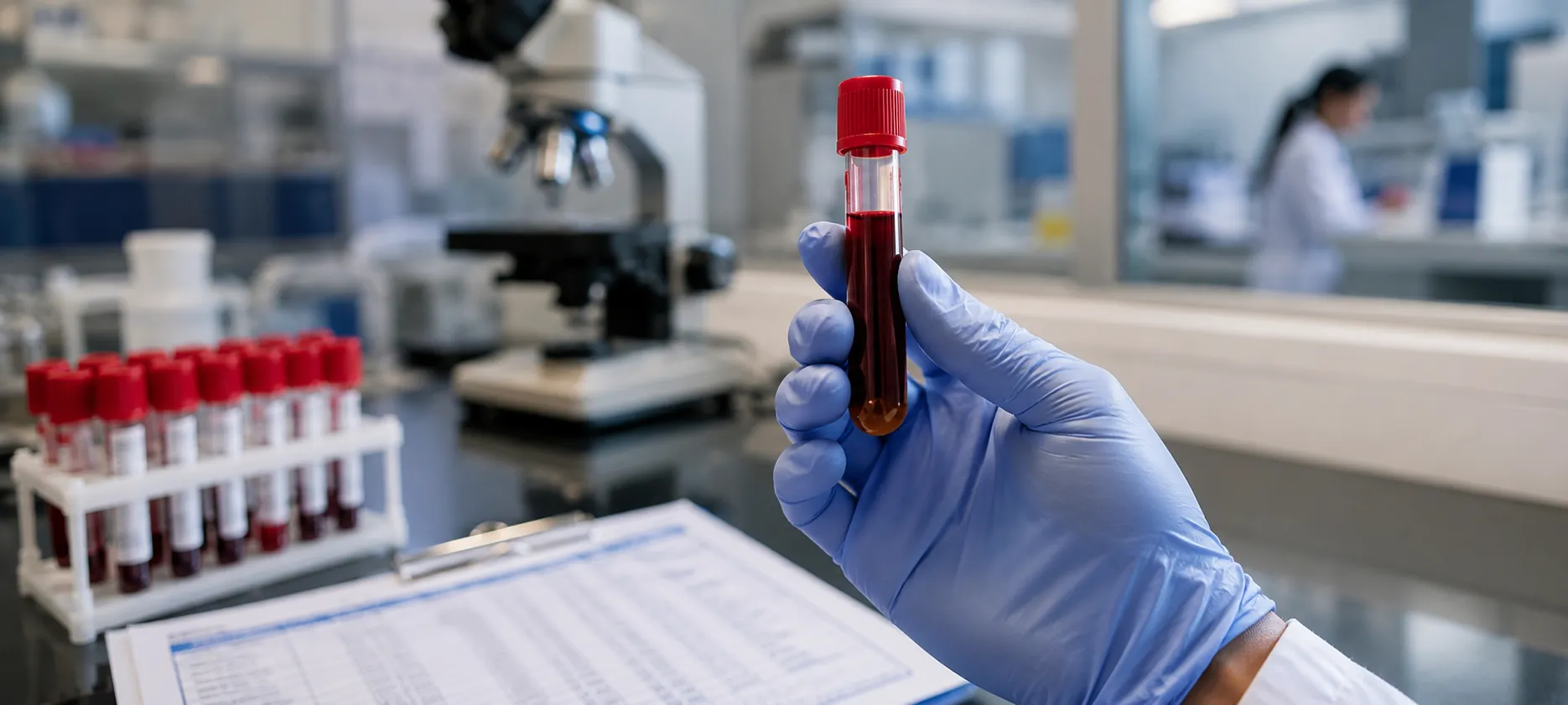
Table of Contents
- What Is A Blood Test For Cancer And How Does It Work?
- Why Blood Tests Are Used In Cancer Detection
- Which Blood Test For Cancer Is Most Commonly Used?
- Types Of Blood Tests For Cancer Detection
- What Types Of Cancer Can Be Detected Through Blood Tests?
- How Accurate Is A Blood Test For Cancer Detection?
- Can Blood Tests Alone Diagnose Cancer?
- When Should You Consider A Blood Test For Cancer?
- How To Prepare For A Blood Test For Cancer
- What Happens After An Abnormal Cancer Blood Test Result?
- Benefits And Limitations Of Blood Tests For Cancer
- Are Blood Tests Used For Cancer Monitoring And Recurrence?
- Preventive Health Checkups And Early Cancer Detection
- FAQ
- References
A blood test for cancer can give important clues about your health. It can show abnormal blood cell levels, tumour markers, organ function changes, proteins, or cancer related genetic material in the blood.
However, blood tests do not diagnose most cancers on their own. They are usually one part of a larger evaluation that may include physical examination, imaging, biopsy, bone marrow tests, genetic tests, and specialist review.
Blood tests are especially useful for detecting some blood cancers, monitoring treatment response, checking recurrence, and understanding how cancer or treatment is affecting the body.
What Is A Blood Test For Cancer And How Does It Work?
A blood test for cancer is a laboratory test that checks your blood sample for signs that may be linked with cancer. These signs may include unusual blood cell counts, abnormal proteins, tumour markers, circulating tumour cells, or fragments of cancer DNA.
Some blood tests look for direct changes in blood cells. Others look for substances released by cancer cells or by the body in response to cancer.
A blood test for cancer markers may help doctors decide whether further tests are needed. It may also help monitor treatment progress or check if cancer has returned after treatment.
Why Blood Tests Are Used In Cancer Detection
Blood tests may be used to:
- Check for abnormal blood cell counts
- Detect possible signs of blood cancer
- Measure tumour markers
- Assess liver and kidney function before treatment
- Understand how the body is responding to cancer treatment
- Track whether cancer is reducing, stable, or progressing
- Monitor for recurrence after treatment
- Support diagnosis along with imaging and biopsy
- Help guide treatment decisions in selected cancers
- Check overall health before surgery, chemotherapy, radiation, or targeted therapy
Blood tests are helpful, but they are not a replacement for a full medical evaluation.
Which Blood Test For Cancer Is Most Commonly Used?
The most commonly used blood test in cancer evaluation is the Complete Blood Count, also called CBC Test.
A CBC Test measures red blood cells, white blood cells, haemoglobin, haematocrit, and platelets. It can help detect possible blood cancers such as leukaemia, lymphoma, and multiple myeloma. It can also show anaemia, infection, bleeding risk, or treatment related changes.
For solid cancers, such as prostate cancer, ovarian cancer, breast cancer, lung cancer, or colon cancer, a CBC alone is usually not enough. Doctors may use tumour marker tests, imaging, biopsy, or other specialised tests based on symptoms and risk factors.
Types Of Blood Tests For Cancer Detection
Common blood tests used in cancer care include:
Complete Blood Count:
Measures blood cells and can help detect blood cancers or treatment related changes.
Tumour Marker Tests:
Measure substances that may be higher in some cancers, such as PSA, CA-125, CEA, AFP, or CA 19-9.
Blood Protein Tests:
Check abnormal protein patterns that may be seen in multiple myeloma and some other blood disorders.
Peripheral Blood Smear:
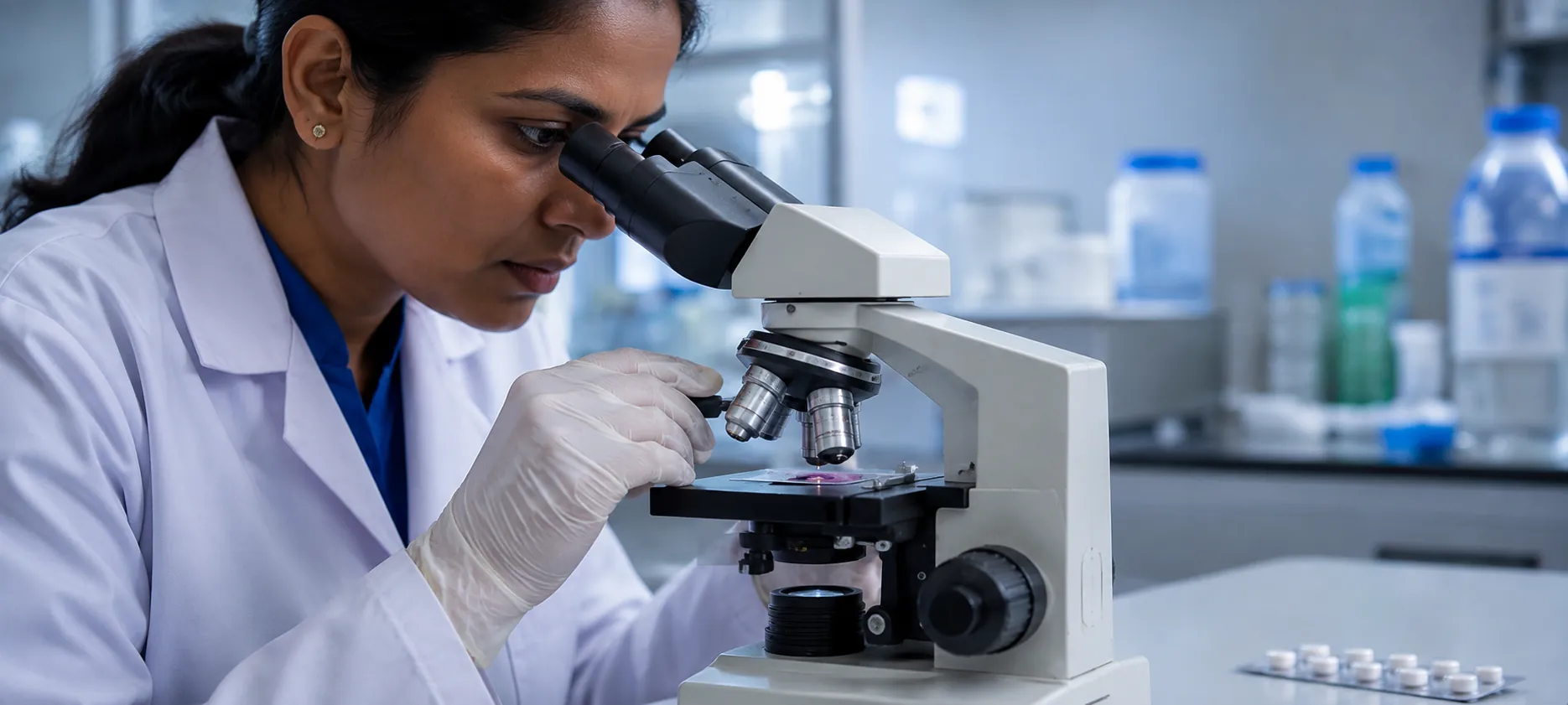
Allows specialists to look at blood cells under a microscope for abnormal shapes, sizes, or immature cells.
Flow Cytometry:
Helps identify certain types of leukaemia and lymphoma by studying markers on blood or bone marrow cells.
Liquid Biopsy:
Looks for circulating tumour DNA or cancer related genetic changes in the blood.
Circulating Tumour Cell Tests:
Detect cancer cells that have broken away from a tumour and entered the bloodstream.
Liver And Kidney Function Tests:
Do not diagnose cancer directly, but help assess organ function before and during treatment.
What Types Of Cancer Can Be Detected Through Blood Tests?
Blood tests may help in the evaluation of several cancers, including:
Leukaemia:
A CBC may show very high or very low white blood cells, anaemia, low platelets, or abnormal immature cells.
Lymphoma:
Blood tests may show abnormal blood counts, high LDH, or other changes, but biopsy is usually needed for confirmation.
Multiple Myeloma:
Blood protein tests, serum electrophoresis, calcium levels, kidney function tests, and blood counts may provide important clues.
Prostate Cancer:
PSA testing may show raised prostate specific antigen levels. However, high PSA can also occur due to non cancer causes.
Ovarian Cancer:
CA-125 Test may be used in selected cases, especially for monitoring treatment or recurrence. It is not a standalone screening test for everyone.
Liver Cancer:
AFP may be used along with imaging and clinical assessment.
Colorectal Cancer:
CEA may help monitor treatment response or recurrence, but it is not used alone to diagnose colon cancer.
Testicular Cancer:
AFP, beta hCG, and LDH may help in diagnosis, staging, and monitoring.
Some newer blood tests aim to detect signals from multiple cancers, but many are still used carefully and need follow up testing.
How Accurate Is A Blood Test For Cancer Detection?
The accuracy of a blood test for cancer depends on the type of test, the cancer type, the stage of disease, and the reason for testing.
Some tests are useful for certain cancers but not for others. For example, a CBC can help detect blood cancers, but it cannot reliably detect most solid tumours. Tumour markers may rise in cancer, but they can also rise due to non cancer conditions such as inflammation, infection, benign growths, liver disease, prostate enlargement, or endometriosis.
A normal blood test also does not always rule out cancer. This is why doctors interpret blood test results with symptoms, examination findings, imaging, biopsy, and medical history.
Can Blood Tests Alone Diagnose Cancer?
In most cases, no. Blood tests alone cannot confirm cancer.
A confirmed cancer diagnosis usually needs tissue or cell examination. This may be done through a biopsy, bone marrow test, surgical sample, or cytology, depending on the suspected cancer.
Blood tests can raise suspicion, support diagnosis, guide further testing, help monitor treatment, and detect recurrence. They are an important part of cancer care, but they are rarely the only test needed.
When Should You Consider A Blood Test For Cancer?
You may need a blood test if you have:
- Unexplained weight loss
- Persistent fatigue
- Fever that does not settle
- Night sweats
- Unusual bleeding or bruising
- Long lasting swelling of lymph nodes
- Repeated infections
- Persistent abdominal bloating
- Blood in urine or stool
- Change in bowel habits
- Persistent pain without clear reason
- Loss of appetite
- Family history of certain cancers
- Previous cancer treatment and need for monitoring
- Abnormal imaging result
- Doctor advised screening or follow up
These symptoms do not always mean cancer. Many common conditions can cause similar symptoms. A doctor can help decide which blood test for cancer or other test is suitable.
How To Prepare For A Blood Test For Cancer
Follow Your Doctor’s Instructions
Some tests need fasting, while others do not. Confirm this before your appointment.
Share Your Medical History
Tell your doctor about current symptoms, past illnesses, surgeries, cancer history, and family history.
List All Medicines And Supplements
Some medicines may affect test results. Do not stop any medicine unless your doctor advises it.
Stay Hydrated
Drink water unless fasting instructions say otherwise.
Avoid Heavy Exercise Before Testing
Intense exercise may affect some blood values.
Carry Previous Reports
Older blood reports, imaging scans, biopsy reports, or treatment records help doctors compare results.
Ask About Follow Up
Understand when results are expected and what the next step may be.
What Happens After An Abnormal Cancer Blood Test Result?
An abnormal result does not always mean cancer. Your doctor will review the result along with your symptoms, age, sex, risk factors, examination findings, and previous reports.
You may be advised to repeat the blood test, do imaging such as ultrasound, CT, MRI, or PET scan, undergo biopsy, meet a specialist, or take additional tests such as tumour markers, bone marrow examination, or genetic testing.
The next step depends on which value is abnormal and what cancer or non cancer condition is suspected.
Benefits And Limitations Of Blood Tests For Cancer
|
Benefits |
Limitations |
|
Simple and quick sample collection |
Cannot diagnose most cancers alone |
|
Helps detect blood cell abnormalities |
Normal results do not always rule out cancer |
|
Useful for blood cancers such as leukaemia and lymphoma |
Tumour markers can rise due to non cancer causes |
|
Helps monitor treatment response |
Some cancers do not produce measurable markers |
|
Helps check recurrence in selected cancers |
Results need expert interpretation |
|
Can assess kidney, liver, and overall health before treatment |
Additional tests such as imaging or biopsy may be needed |
|
Useful in follow up care |
Not every person needs every cancer blood test |
Are Blood Tests Used For Cancer Monitoring And Recurrence?
Yes. Blood tests are often used after a cancer diagnosis to monitor treatment response, side effects, and recurrence.
For example, tumour markers may be tracked over time in selected cancers. A falling marker may suggest response to treatment, while a rising marker may suggest recurrence or progression. However, one result is usually not enough. Doctors look at trends, symptoms, scans, and clinical findings.
Blood tests may also help monitor anaemia, infection risk, platelet count, liver function, kidney function, and nutritional status during cancer treatment.
Preventive Health Checkups And Early Cancer Detection
Preventive health checkups can help identify health changes early. They may include a CBC Test, liver function, kidney function, blood sugar, and other routine markers. These tests may not screen for all cancers, but they can reveal abnormalities that need further evaluation.
Cancer screening should be based on age, sex, family history, symptoms, lifestyle risk, and doctor advice. Some cancers need specific screening tests, such as Pap smear, HPV testing, mammography, colonoscopy, PSA testing, or targeted imaging.
Metropolis Healthcare supports preventive health management with 4,000 tests, full body checkups, speciality testing, home sample collection, accurate results, quick turnaround time, and easy booking through website, call, app, and WhatsApp. With a strong home collection network and 10,000 touchpoints, Metropolis can help you monitor important health markers through tests such as CBC Test, Tumor Marker Test, and CA-125 Test when advised by your doctor.
FAQ
Can Cancer Be Detected During A Blood Test?
Yes, some cancers can show signs in blood tests. Blood cancers such as leukaemia, lymphoma, and multiple myeloma may cause abnormal blood counts or abnormal proteins. Some solid cancers may show raised tumour markers. However, most cancers need imaging, biopsy, or other tests for confirmation.
What Is The Biggest Indicator Of Cancer?
There is no single biggest indicator of cancer. Warning signs may include unexplained weight loss, persistent fatigue, unusual bleeding, a lump, long lasting fever, night sweats, change in bowel habits, persistent pain, or abnormal test results. The most important step is to see a doctor if symptoms continue or worsen.
What Are The Top 3 Causes Of Cancer?
Cancer usually develops due to a mix of genetic, lifestyle, environmental, and biological factors. Major preventable risk factors include tobacco use, infections linked with cancer, unhealthy diet, excess body weight, alcohol use, physical inactivity, and UV radiation. Family history and ageing can also increase risk.
What Food Kills Cancer Cells In The Body?
No food can reliably kill cancer cells in the body. A healthy diet can support overall health, immunity, treatment recovery, and weight management, but it cannot replace medical cancer treatment. A balanced diet with vegetables, fruits, whole grains, pulses, nuts, lean proteins, and adequate hydration is helpful for general wellness.
What Is The New Blood Test For Cancer?
Newer blood tests include liquid biopsy and multi cancer early detection tests. These tests look for cancer related DNA, proteins, or other signals in the blood. Some are used in selected patients to guide treatment or monitor cancer. Others are still being studied for early detection. Any abnormal result needs careful follow up with a doctor.
References
- National Cancer Institute. Tests and procedures used to diagnose cancer. Updated 2023.
- National Cancer Institute. Tumor markers in cancer diagnosis and treatment. Updated 2023.
- Mayo Clinic Staff. Cancer blood tests: Lab tests used in cancer diagnosis. Updated 2024.
- Cleveland Clinic. Blood tests for cancer: Diagnosis and screening. Updated 2024.
- National Cancer Institute. Tumor marker tests in common use. Updated 2023.