Home Visit
 Upload






Preventive Healthcare
10 Rambutan Benefits: Nutritional Profile And Evidence-Based Health Advantages Of This Tropical Fruit
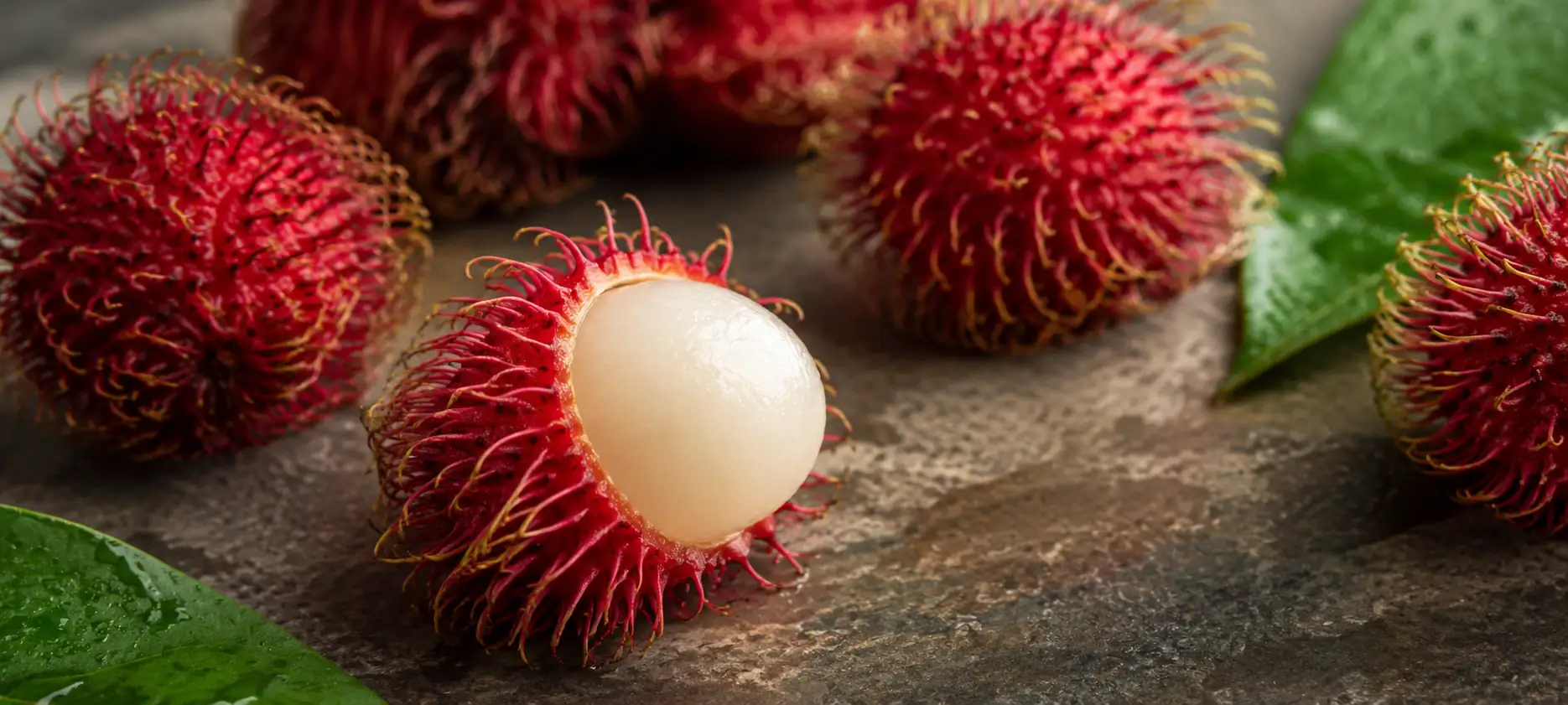
Table of Contents
Rambutan is a bright, hairy tropical fruit known for its sweet, juicy flesh and refreshing taste. It looks unusual from the outside, but once peeled, it has a soft white pulp that tastes mildly sweet and slightly tangy.
Rambutan fruit benefits are linked to its vitamin C, fibre, water content, natural plant compounds and small amounts of important minerals. Like lychee and longan, rambutan belongs to the soapberry family. It is also sometimes discussed with other tropical fruits such as mamoncillo because of its similar exotic appeal.
Here is a simple guide to rambutan benefits, its nutrition profile, how to eat it, and the precautions you should keep in mind.
What Is Rambutan Fruit?
Rambutan is the fruit of the rambutan tree, scientifically known as Nephelium lappaceum. The rambutan plant grows in warm tropical regions and is native to Southeast Asia. Today, it is also grown in countries such as India, Thailand, Malaysia, Indonesia and other tropical areas.
The word rambutan comes from the Malay word for hair. This refers to the soft hair like spines on its red or yellowish outer skin. The edible part is the white, translucent flesh inside. It surrounds a seed, which should not be eaten raw.
Rambutan fruit is often compared with lychee and longan. Lychee is usually sweeter and more floral, longan has a muskier taste, and rambutan has a mild, grape like flavour with a creamy texture.
Nutritional Profile Of Rambutan
Rambutan is a hydrating fruit with natural sugars, fibre and micronutrients. Its exact nutritional value can vary based on variety, ripeness and whether it is fresh or canned.
A typical serving of rambutan flesh may provide:
- Calories from natural carbohydrates
- High water content that supports hydration
- Dietary fibre for digestion
- Vitamin C for immunity, collagen formation and antioxidant support
- Small amounts of potassium, copper, calcium, magnesium and iron
- Natural plant compounds with antioxidant activity
- Very low fat content
Fresh rambutan is usually the better option compared with canned rambutan in syrup, as canned versions may contain added sugar.
10 Health Benefits Of Rambutan
- Supports Immune Health
One of the key rambutan benefits is its vitamin C content. Vitamin C supports normal immune function and helps your body protect cells from oxidative stress.
Eating vitamin C rich fruits such as rambutan, amla, guava, citrus fruits and lychee can be a useful part of a balanced diet. However, rambutan should not be seen as a cure for infections. It supports general nutrition, which in turn supports healthy immune function.
- Provides Antioxidant Support
Rambutan contains vitamin C and other plant compounds that help protect cells from free radical damage. Free radicals are unstable molecules formed during normal body processes and due to external factors such as pollution, smoking, stress and poor diet.
Antioxidants help reduce oxidative stress. This is one reason fruits and vegetables are an important part of everyday eating.
- Promotes Healthy Digestion
Rambutan contains dietary fibre, which helps add bulk to stool and supports smoother bowel movement. Fibre also supports the growth of healthy gut bacteria.
If you are increasing your fruit and fibre intake, do it gradually. A sudden increase may cause bloating, gas or stomach discomfort in some people.
- May Help With Weight Management
Rambutan can be included in a weight management diet when eaten in the right quantity. It contains water and fibre, which can help you feel satisfied.
However, rambutan also contains natural sugars. Eating too many rambutans in one sitting can increase your calorie and sugar intake. For better balance, pair it with protein rich foods such as curd, nuts or seeds, or include it as part of a mixed fruit bowl.
- Supports Heart Health
Rambutan provides potassium in small amounts. Potassium helps support normal blood pressure and heart function as part of a balanced diet.
The fibre in fruits may also support healthier cholesterol levels when eaten regularly with other heart friendly foods such as whole grains, pulses, vegetables, nuts and seeds.
- Helps Maintain Skin Health
Vitamin C plays a role in collagen formation. Collagen is an important protein that supports skin structure, wound healing and connective tissue health.
Rambutan also has high water content, which contributes to hydration. While it cannot replace a complete skincare routine or medical treatment for skin concerns, it can be part of a nutrient rich diet that supports healthy skin from within.
- Helps With Iron Absorption
Vitamin C helps your body absorb non haem iron, which is the type of iron found in plant based foods. This can be useful if your diet includes iron rich foods such as leafy greens, pulses, beans, lentils, nuts and seeds.
For example, you can eat rambutan after a meal that includes legumes or leafy vegetables. This may support better iron absorption as part of an overall balanced diet.
- Supports Energy Levels
Rambutan contains natural carbohydrates, which provide quick energy. It also contains water and small amounts of minerals that support normal body function.
This makes rambutan a refreshing fruit option, especially during hot weather. Still, it is best eaten in moderation rather than as a replacement for balanced meals.
- Contributes To Bone And Muscle Health
Rambutan contains small amounts of minerals such as calcium, magnesium and potassium. These nutrients play roles in bone, muscle and nerve function.
Rambutan alone will not meet your daily mineral needs. For stronger bones and muscles, include calcium rich foods, protein, vitamin D, regular movement and routine health monitoring where needed.
- Contains Bioactive Plant Compounds
Research suggests that different parts of the rambutan plant, especially the peel and seed, contain bioactive compounds with antioxidant, antimicrobial, anti-inflammatory and metabolic effects in laboratory studies.
This does not mean you should eat the peel or seed. Most of these findings are based on extracts, not normal fruit consumption. The safest edible part is the white flesh. Avoid eating the skin and raw seed.
How To Incorporate Rambutan Into Your Diet
Rambutan is easy to eat once you know how to open it.
You can add rambutan to your diet in these ways:
- Eat it fresh after removing the skin and seed
- Add it to a fruit bowl with banana, papaya, apple, orange or lychee
- Blend it into smoothies with curd or milk
- Add chopped rambutan to yoghurt
- Use it in fruit salads
- Add it to homemade sorbet
- Pair it with nuts or seeds for a more balanced snack
- Use it as a topping for oats or chia pudding
To eat rambutan, cut or gently tear the outer skin, open it, remove the white flesh and avoid biting into the seed.
Are There Any Side Effects Of Eating Rambutan?
Rambutan flesh is generally safe for most people when eaten in moderation. However, eating too much may cause digestive discomfort due to fibre and natural sugars.
People with diabetes should be mindful of portion size because rambutan contains natural sugar. It is better to eat it as part of a balanced meal plan rather than having a large quantity at once.
Do not eat rambutan skin or raw seed. These parts are not considered safe for regular consumption. If you have a known fruit allergy or notice symptoms such as itching, swelling, rash, vomiting or breathing difficulty after eating rambutan, seek medical help.
Conclusion
Rambutan is a nutritious tropical fruit that can add variety, hydration and natural sweetness to your diet. Its benefits come mainly from vitamin C, fibre, water content, antioxidants and small amounts of minerals.
The best way to enjoy rambutan is to eat the fresh flesh in moderation as part of a balanced diet. Avoid the skin and seed, and be mindful of portions if you have diabetes or digestive sensitivity.
Healthy eating works best when combined with regular health monitoring. Metropolis Healthcare supports preventive healthcare with accurate diagnostic testing, full body checkups, home sample collection, quick turnaround time and easy booking through the website, app, call and WhatsApp. With 4,000 plus tests, expert pathologists, NABL and CAP accredited labs, and a strong home collection network, Metropolis Healthcare helps you stay informed about your health markers and take timely action.
FAQs
Can Rambutan Help With Weight Loss?
Rambutan may support weight management when eaten in moderation because it contains water and fibre, which can help you feel full. However, it also has natural sugar, so portion control is important. Weight loss depends on your overall diet, activity level, sleep, stress and health status.
What Is The Best Way To Eat Rambutan?
The best way to eat rambutan is fresh.
- Wash the fruit well
- Cut or tear the outer skin
- Remove the white flesh
- Do not eat the seed
- Eat it fresh or add it to fruit bowls, smoothies, yoghurt or desserts
Is Rambutan Safe For Diabetics?
Rambutan can be eaten by some people with diabetes in small portions, but it should be planned within the overall carbohydrate intake for the day. Since it contains natural sugars, avoid eating large quantities. If your blood sugar is difficult to control, ask your doctor or dietitian about the right fruit portions for you.
Can Rambutan Be Eaten In Large Quantities?
It is better not to eat rambutan in large quantities. Too much can increase sugar and calorie intake and may cause bloating or stomach discomfort. A moderate serving as part of a balanced diet is a safer choice.
Where Can I Buy Rambutan Fruit?
You can usually find rambutan fruit in large supermarkets, fruit markets, speciality grocery stores and stores that sell tropical or imported fruits. Choose fruits with bright skin and fresh looking soft spines. Avoid fruits that look too dry, blackened or shrivelled.
References
- Afzaal M, Saeed F, Bibi M, Ejaz A, Shah YA, Faisal Z, Ateeq H, Akram N, Asghar A, Shah MA. Nutritional, pharmaceutical, and functional aspects of rambutan in industrial perspective: An updated review. Food Sci Nutr. 2023;11(7):3675-3685. PMID: 37457167.
- Zhang T, Zhou X, Wang K, Sun L, Zhuang Y. A review: extraction, phytochemicals, and biological activities of rambutan (Nephelium lappaceum L) peel extract. Heliyon. 2022;8(11):e11314. PMID: 36387459.
- Office of Dietary Supplements, National Institutes of Health. Vitamin C: Health Professional Fact Sheet. Updated 2025.
- Office of Dietary Supplements, National Institutes of Health. Potassium: Health Professional Fact Sheet. Updated 2022.
- World Health Organization. Healthy Diet Fact Sheet. Updated 2026.