Home Visit
 Upload






Preventive Healthcare
Benefits of Lychee: Nutrition Facts & Health Uses
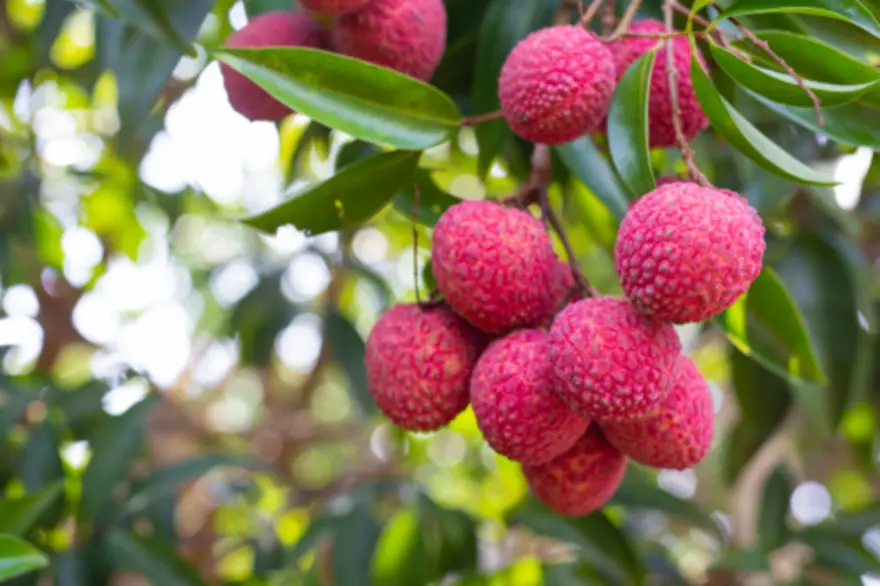
Table of Contents
What is Lychee?
Lychee (Litchi chinensis) is a subtropical evergreen tree native to southern China, where it has been cultivated for over a thousand years. The fruit is encased in a thin, rough, reddish skin that is inedible and must be peeled away to reveal the translucent white flesh. This juicy, delicate flesh surrounds a single large, brown seed.
Lychee is typically enjoyed fresh but is also available canned, dried, or processed into desserts and drinks. Its popularity has spread across Asia and beyond, making it a sought-after treat in many parts of the world. But beyond its unique taste and appearance, lychee boasts an impressive nutritional profile and numerous potential health benefits.
Lychee Nutrition Facts
|
Nutrient |
Amount per 100g |
|
Calories |
66 |
|
Protein |
0.83 g |
|
Fat |
0.44 g |
|
Carbohydrate |
16.5 g |
|
Fiber |
1.3 g |
|
Sugar |
15.2 g |
|
Vitamin C |
71.5 mg |
|
Potassium |
171 mg |
|
Folate |
14 mcg |
|
Copper |
0.15 mg |
|
Iron |
0.31 mg |
As the table shows, lychee is rich in vitamin C, dietary fibre, and several essential minerals.. A 100-gram serving (about 10 lychees) provides nearly 90–110% of the recommended daily vitamin C intake (65–80 mg) for adults, as per ICMR-NIN guidelines.
Top Health Benefits of Lychee
- Excellent source of vitamin C, supporting immune function and skin health
- Rich in antioxidants (notably polyphenols) that may reduce cell damage from inflammation and oxidative stress
- May support heart health due to its potassium content and antioxidant compounds, helping regulate blood pressure and reduce cardiovascular risk
- Provides dietary fibre, which aids digestion and may help prevent constipation
- Contains copper and folate, supporting healthy blood formation and foetal development during pregnancy
- Potentially anti-inflammatory and anti-microbial properties, as suggested by preliminary research on lychee plant compounds
How to Add Lychee to Your Diet
Lychee’s health benefits make it a delicious and nutritious addition to your meals in many ways:
- Enjoy fresh lychees as a snack or dessert — a tasty way to benefit from the natural antioxidants in lychee.
- Add lychees to fruit salads for a sweet, juicy boost and a touch of tropical freshness.
- Blend lychees into smoothies or juices — a refreshing choice that can support healthy weight management when enjoyed in moderation.
- Use lychees in yoghurt parfaits or with cottage cheese for a creamy, protein-rich combo.
- Incorporate lychees into Asian-inspired sauces, salsas, or salads to enhance flavour and nutrition.
- Try dried lychees as a chewy, sweet treat (in moderation) for a quick antioxidant-rich energy boost.
Potential Side Effects of Lychee
While lychee is generally safe for consumption, there are a few potential side effects to be aware of:
- Eating too many lychees may cause a rapid spike in blood sugar due to their high natural sugar content
- Rarely, excessive consumption of unripe lychees—especially on an empty stomach—has been linked to acute hypoglycaemia in malnourished children
- Some people may experience allergic reactions such as itching or swelling
- Dried and canned lychees may contain added sugars or preservatives, which can affect health if consumed excessively
Best Time and Way to Eat Lychee
The best time to eat lychee is when it is fully ripe and fresh, as this maximises its vitamin C content, flavour, and safety. Fresh lychee can be peeled and eaten raw, added to fruit salads, or blended into drinks. It is commonly consumed as a snack or dessert after meals. While dried and canned lychee offer convenience, they may have reduced vitamin C content and added sugars, so fresh lychee is preferred for optimal lychee health benefits.
Tips for Storing Lychee
- Store fresh lychees in the refrigerator to extend shelf life
- Keep lychees unpeeled until ready to eat to retain moisture and flavour
- Place lychees in a perforated plastic bag to prevent them from drying out
- Consume fresh lychees within 5–7 days for best quality
- Store dried lychees in an airtight container in a cool, dry place away from direct sunlight
Who Should Limit Lychee Consumption
- Individuals with diabetes, due to lychee's high natural sugar content
- People prone to food allergies, as lychee may rarely cause allergic reactions
- Those following a low-sugar diet or with metabolic conditions
- Malnourished children, particularly when lychees are consumed on an empty stomach
Conclusion
Lychee is a delightful tropical fruit that offers a wealth of nutritional benefits. Its impressive vitamin C content, antioxidant properties, and heart-healthy minerals make it a valuable addition to a balanced diet. By enjoying fresh lychees in moderation and being mindful of potential side effects, you can reap the many health benefits this fruit has to offer.
If you're interested in learning more about how your diet affects your overall wellness, consider exploring the comprehensive health check-up packages offered by Metropolis Healthcare. With a network of 220 NABL & CAP accredited laboratories across India and a team of expert phlebotomists for at-home sample collection, Metropolis is committed to providing accurate, convenient pathology services to empower you in your health journey.
FAQs
Is lychee good for diabetes?
Lychee is high in natural sugars, which can affect blood sugar levels; therefore, people with diabetes should consume lychee in moderation and monitor their blood glucose. While its fibre and antioxidants offer potential benefits, portion control is essential.
How many lychees should you eat in a day?
A typical serving is about 10 lychees, or roughly 100 grams, which provides significant vitamin C and antioxidants. Eating moderate amounts is safe for most people, but excessive intake can raise blood sugar or cause digestive discomfort.
Can lychees help with weight loss?
Low in calories and fat, lychees can be included in a balanced diet aimed at weight management. However, their high sugar content means they should be enjoyed in moderation, not as a primary weight loss food.
What happens if you eat too many lychees?
Consuming large quantities may cause spikes in blood sugar, digestive upset, or, rarely, hypoglycaemia in undernourished individuals. Moderation is key; eating lychees as part of varied meals is safest.
Are dried lychees as healthy as fresh ones?
Dried lychees retain fibre and some minerals but have lower vitamin C due to processing. They are also more concentrated in sugar and calories, so they should be eaten sparingly. Fresh lychees are preferable for retaining maximum nutritional value.
References
- https://jpmhh.org/archive/volume/7/issue/2/article/12552
- https://www.webmd.com/diet/health-benefits-of-lychee-fruit
- https://www.healthline.com/nutrition/foods/lychees
- https://www.health.com/lychee-benefits-8582934