Home Visit
 Upload






Preventive Healthcare
Iron-Rich Foods: Boost Your Health Naturally
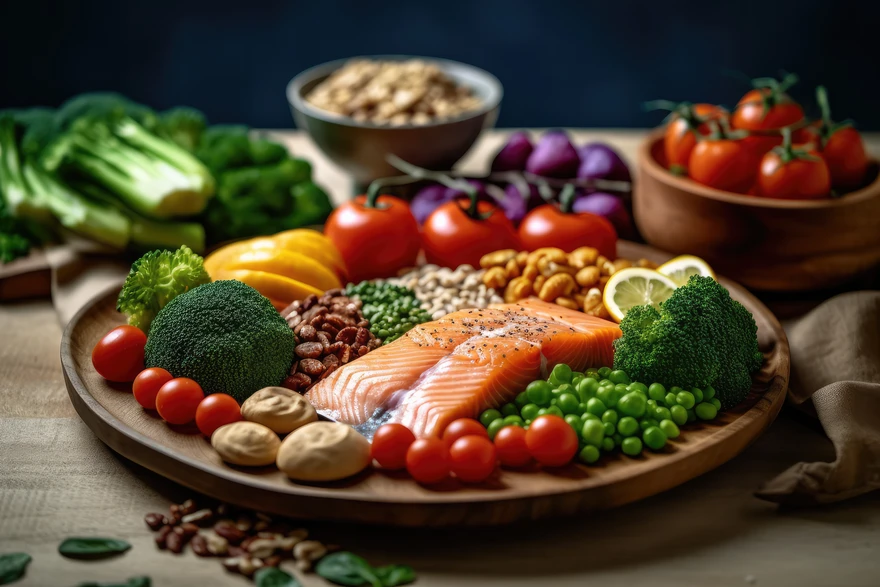
Table of Contents
What foods contain iron?
Iron-rich foods can be divided into two categories: haem iron and non-haem iron. Haem iron is found in animal-based sources such as meat, poultry, seafood, and organ meats. This type of iron is easily absorbed by the body, making it a highly bioavailable form. On the other hand, non-haem iron-rich vegetarian food is found in plant-based sources like legumes, dark leafy greens, nuts, seeds, and fortified cereals. While non-haem iron is less readily absorbed, these foods are still essential for maintaining healthy blood and preventing anaemia.
How much iron do you need per day?
The amount of iron you need per day varies based on age, sex, and health status.
- For adult males aged 19 and older, the recommended daily intake is typically 8 milligrams (mg).
- Adult females aged 19-50 require around 18 mg daily, due to menstrual blood loss. After menopause, the recommended intake decreases to 8 mg per day.
- Pregnant women have higher needs, 27 mg per day, to support foetal development and increase blood volume.
Iron plays a crucial role in oxygen transport and energy production, and iron deficiency which can cause fatigue, weakness and reduced cognitive function, that emphasizes on the importance of consuming foods high in iron.
How the Body Uses Iron
Iron plays a vital role in many bodily functions. Most of the body's iron is found in haemoglobin, a protein in red blood cells that binds to oxygen and transports it throughout the body. Iron is essential for producing haemoglobin and healthy red blood cells.
Macrophages, a type of white blood cell, help recycle iron from old red blood cells. This recycled iron is then used to make new red blood cells. The body carefully regulates iron levels using hepcidin, a hormone that controls iron absorption in the intestines and iron release from storage sites like the liver.
In addition to oxygen transport, iron supports DNA synthesis, energy production in cells, cellular proliferation and growth, and catalytic processes involving enzymes. Getting enough iron from your diet is crucial for maintaining these important functions. Iron-rich foods are the best way to keep your iron levels in a healthy range.
Heme vs. non-heme iron: What’s the difference?
When you consume food sources rich in iron, it's absorbed mainly through your small intestine. There are two types of iron derived from food - heme and non-heme.
- Heme iron is present in animal foods like red meats, fish, and poultry that initially contained haemoglobin. It's easier for our bodies to absorb this type of iron.
- Non-heme iron mostly comes from plant sources or fortified foods like spinach, beans, enriched grains and cereals. However, some non-heme iron is also present in meat, poultry, and seafood since these animals eat plant foods.
Plant-based sources of non-haem iron
For those following a vegetarian or vegan iron-rich diet, there are plenty of plant-based sources of iron to choose from. Some of the best options include:
- Legumes: Lentils, chickpeas, and beans are all excellent sources of non-haem iron
- Dark leafy greens: Spinach, kale, and broccoli are packed with iron and other essential nutrients
- Nuts and seeds: Pumpkin seeds, sesame seeds, and cashews are good sources of iron
- Dried fruits: Apricots, raisins, and prunes are naturally rich in iron
- Iron-fortified cereals and bread: Many breakfast cereals and breads are enriched with iron, making them a convenient way to boost your intake
Top 10 Healthy Iron-Rich Foods
Whether you're managing anaemia, following a vegetarian diet, or simply looking to stay healthy, including iron-rich foods in your meals can make a big difference. Here are the top 10 iron-rich foods that can help you maintain strength, stamina, and vitality.
- Liver: Organ meats like beef or chicken liver are among the richest sources of iron. A 100g serving of beef liver provides around 6.5mg of highly bioavailable haem iron. A 100g serving also provides up to 36% of the daily value. Liver is also packed with other essential nutrients like vitamins A and B12.
- Red Meat: Beef, lamb, and venison are excellent sources of iron. A 100g serving of lean beef offers about 7mg of easily absorbed haem iron and 15% of the daily value. Red meat is also a great source of protein, zinc, and B vitamins.
- Shellfish: Oysters, clams, and mussels are not only delicious but also iron-rich. Six medium oysters provide around 4.2mg of haem iron, or 23% of the daily value. Shellfish are also rich in zinc, selenium, and omega-3 fatty acids.
- Spinach: This leafy green is one of the best plant-based iron-rich vegetarian food options. One cup of cooked spinach contains about 6.4mg of non-haem iron, which is 36% of the daily value. It also provides vitamin C, which aids iron absorption. Sauté spinach with a squeeze of lemon juice to maximise iron uptake.
- Legumes: Beans, lentils, and chickpeas are nutritional powerhouses and great sources of iron. One cup of cooked lentils provides 6.6mg of non-haem iron, which is 37% of the daily value. It also provides protein and fibre. Pair legumes with vitamin C-rich foods to boost iron absorption.
- Tofu: A staple in vegetarian and vegan diets, a half-cup of firm tofu offers 6mg of non-haem iron or 19% of the daily value. Tofu is also rich in protein, calcium, and isoflavones. Use tofu in stir-fries, salads, or smoothies for an iron boost.
- Fortified Cereals: Many breakfast cereals are fortified with iron, making them a convenient way to increase your intake. Opt for whole-grain, low-sugar varieties for added nutritional benefits.
- Pumpkin Seeds: These tiny seeds pack a punch when it comes to iron. A quarter-cup of pumpkin seeds provides about 2.5mg of non-haem iron along with magnesium, zinc, and healthy fats. Sprinkle them on salads, yoghurt, or oatmeal.
- Eggs: While not as rich in iron as liver or red meat, eggs can still contribute to your daily iron intake. Two large eggs provide around 1.7mg of haem iron. Eggs are also an excellent source of protein, choline, and vitamin D.
- Dried Fruit: Dried apricots, raisins, and prunes are tasty, portable iron-rich foods. A half-cup of dried apricots offers 2mg of non-haem iron plus fibre and antioxidants. Enjoy dried fruit as a snack or add them to trail mix, cereal, or baked goods.
How much iron you need
Iron requirements vary based on age, sex, and life stage. Vegetarians and vegans may need up to 1.8 times more iron than omnivores due to the lower bioavailability of non-haem iron. Children, adolescents, and older adults also have specific iron requirements.
|
Life Stage |
Recommended Daily Allowance (RDA) |
|
Children (1-13 year old) |
8-10mg |
|
Male Teenager |
11mg |
|
Female Teenager |
15mg |
|
Adult men (19-50 years) |
8mg |
|
Adult women (19-50 years) |
18mg |
|
Pregnant women |
27mg |
|
Lactating women (0-6 months postpartum) |
9mg |
|
Lactating women (7-12 months postpartum) |
10mg |
Consult with a healthcare provider to determine your individual iron needs based on your age, sex, diet, and health status. Regular blood tests can help monitor your iron levels and guide dietary adjustments or supplementation if needed.
What happens if I don't get enough iron?
Iron deficiency can lead to anaemia, a condition characterised by insufficient red blood cells to transport oxygen effectively. Symptoms of iron deficiency anaemia include:
- Fatigue and weakness
- Pale skin
- Shortness of breath
- Headaches
- Dizziness
- Cold hands and feet
Left untreated, iron deficiency can affect immune function, cognitive performance, and work productivity. Pregnant women with iron deficiency are at higher risk for premature delivery and low birth weight babies. Consult your doctor if you suspect iron deficiency.
Can I have too much iron?
While rare, it is possible to consume too much iron, especially from supplements. Excessive iron intake can lead to iron toxicity, causing symptoms like nausea, vomiting, and stomach pain. In severe cases, iron overload can damage the liver and other organs. Most people can safely meet their iron needs through a balanced, iron-rich diet without the risk of toxicity. However, individuals with hereditary hemochromatosis, a genetic disorder that causes iron buildup, must avoid excess iron intake and monitor their levels closely.
FAQs
How to get 100% of your daily iron intake?
To meet your daily iron needs, include a variety of iron-rich foods such as red meat (beef, lamb, pork), poultry (chicken, turkey), fish, seafood, beans, lentils, dark green leafy vegetables, dried fruits like apricots and raisins, and iron-fortified cereals and breads. Pairing plant-based iron sources with vitamin C-rich foods like citrus fruits, tomatoes, and bell peppers can enhance absorption. Avoid tea and coffee with meals, as they may inhibit iron absorption. If meeting your iron needs through diet alone is difficult, consult your doctor about taking an iron supplement.
Which dal is rich in iron?
Among different types of dal, masoor dal (red lentils) and chana dal (split chickpeas) are particularly rich in iron. One cup of cooked masoor dal provides around 6.6 mg of iron, while chana dal offers about 4.7 mg per cup. Regularly including these iron-rich foods for anaemia or other health concerns can help maintain healthy iron levels.
Are bananas high in iron?
Bananas are a great source of potassium, vitamin C, and vitamin B6, but they are not high in iron. A medium banana contains only about 0.4 mg of iron. For better iron intake, it is advisable to eat more beans, lentils, leafy greens, and fortified grains. An iron-rich foods chart can help guide your choices.
How can I increase my iron levels in 7 days?
To boost your iron levels within a week, eat iron-rich foods at every meal. Start your day with iron-fortified cereals or oatmeal with dried fruit, add beans, lentils, tofu, or lean meat to your lunches and dinners, and snack on dried apricots, figs, or pumpkin seeds. Drink citrus juice with meals and limit tea and coffee. If needed, your doctor may recommend iron supplements for faster improvement.