Home Visit
 Upload






Preventive Healthcare
Glute Muscles: Anatomy, Exercises, and Benefits
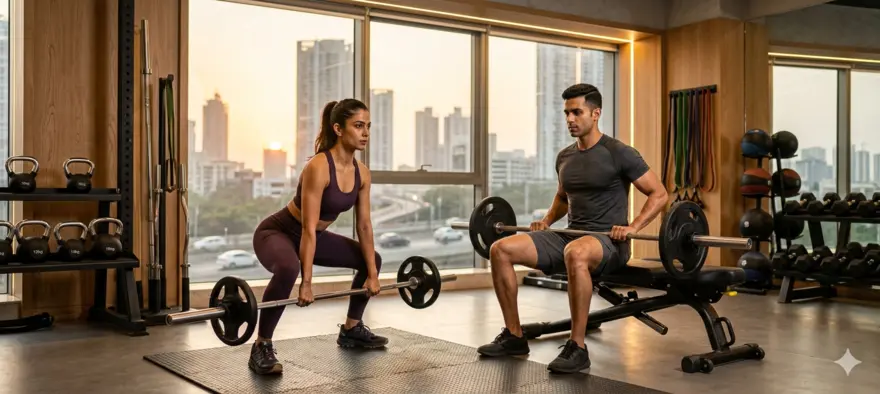
Table of Contents
- What Are the Gluteal Muscles?
- Anatomy of the Glutes
- Location and Structure of the Gluteal Muscles
- Functions of the Glutes
- Benefits of Strong Gluteal Muscles
- Common Glute Injuries and Issues
- Symptoms of Weak or Injured Glutes
- Causes of Glute Pain or Weakness
- How to Prevent Glute Injuries
- When to See a Doctor or Physiotherapist
- Key Takeaways
- FAQs About the Gluteal Muscles
- Stay Active, Stay Aware of Your Body
- References
Your glutes do far more than shape your silhouette. These powerful muscles are at the centre of almost every movement you make, from getting out of bed in the morning to running, climbing stairs, and standing tall throughout the day. When they are strong and functioning well, your entire lower body benefits. When they are weak or injured, the effects ripple outward to your back, hips, and knees. Here is everything you need to know about your gluteal muscles and how to keep them healthy.
What Are the Gluteal Muscles?
The gluteal muscles, commonly called the glutes, are a group of three muscles that form the bulk of your buttocks. They sit at the base of your muscular core and are among the largest and most powerful muscles in the human body.
Together, the glutes control movement at the hip joint, stabilise the pelvis, and provide the foundation for nearly all lower body activity. They also play a significant role in maintaining good posture and protecting the spine.
Anatomy of the Glutes
The three gluteal muscles each have a distinct size, position, and role:
Gluteus Maximus
This is the largest muscle in the body. It forms the main shape of the buttocks and lies closest to the surface. The gluteus maximus originates from several points on the pelvis and attaches to the thigh bone (femur). It is responsible for powerful hip extension, which means moving your leg backward, and for external rotation of the thigh. It is the muscle you recruit most forcefully when climbing stairs, sprinting, or rising from a seated position.
Gluteus Medius
Positioned on the outer surface of the hip, the gluteus medius lies partially beneath the gluteus maximus. It is fan-shaped and spans from the broad hip bone (ilium) down to the top of the femur. The gluteus medius is one of the primary hip stabiliser muscles, keeping the pelvis level when you walk, run, or stand on one leg.
Gluteus Minimus
The smallest and deepest of the three, the gluteus minimus lies directly beneath the gluteus medius. It mirrors the shape and function of the medius, assisting with hip abduction (moving the leg outward) and helping rotate the thigh inward. Though small, it plays a meaningful role in fine-tuning hip stability.
Location and Structure of the Gluteal Muscles
The glutes are positioned behind the pelvis, where your spine meets your legs. They attach to the pelvis and extend over and around it, connecting down to the thigh bone. This placement gives them a mechanical advantage for both stabilising and moving the lower limb.
Beneath the glutes lie deeper muscles, including the deep lateral hip rotators, which work alongside the gluteal group to control rotation and fine-tune hip joint movement. The gluteus maximus also overlaps the upper portion of the hamstrings, which is why glute weakness and hamstring strain are often related.
Functions of the Glutes
Your gluteal muscles work constantly, often without you realising it. Their key functions include:
- Hip extension: Driving the leg backward during walking, running, and climbing
- Hip abduction: Moving the leg outward, away from the centre of the body
- Hip rotation: Controlling inward and outward rotation of the thigh
- Pelvic stabilisation: Preventing the pelvis from tilting excessively when you shift weight from one leg to the other
- Trunk support: Keeping your upper body upright when sitting and standing
- Force generation: Powering explosive movements like jumping, sprinting, and lifting
Whether you are walking to the kitchen or competing in a sport, your glutes are involved.
Benefits of Strong Gluteal Muscles
Investing in glute strength pays dividends throughout your body. The benefits extend well beyond the gym:
- Better posture: Strong glutes stabilise the pelvis and reduce the anterior tilt that leads to a swayed lower back and poor standing posture.
- Reduced lower back pain: Weak glutes shift the burden of hip and spinal movement onto the lower back muscles, which is one of the common lower back pain causes. Strengthening the glutes relieves this compensatory strain.
- Knee and hip protection: The glutes control how your thigh rotates and aligns during movement. When they are strong, they reduce stress on the knee and hip joints.
- Improved athletic performance: As powerful hip extensors, the glutes are central to running speed, jumping height, and lower body power.
- Greater functional independence: Everyday tasks, including standing up from a chair, carrying bags, or climbing stairs, all become easier with strong glutes.
- Spinal stability: The glutes are part of the core system. Their strength contributes to overall spinal support and reduces the risk of injury during lifting.
Common Glute Injuries and Issues
The gluteal muscles are susceptible to several conditions, particularly when they are overused, underused, or injured:
- Gluteal tendinopathy: Degeneration of the tendons attaching the gluteus medius or minimus to the femur, causing persistent outer hip pain. It is common in middle-aged women and runners.
- Trochanteric bursitis: Inflammation of the bursa (a small fluid-filled sac) near the hip, often linked to gluteal muscle imbalance or tightness.
- Glute muscle strains: Overstretching or tearing of the gluteal muscle fibres, usually during sudden explosive movements or heavy lifting.
- Piriformis syndrome: Tightness in the piriformis muscle, which lies close to the glutes, can cause pain that radiates down the leg and may mimic sciatica.
- Dead butt syndrome (gluteal amnesia): A condition where the glutes become inhibited due to prolonged sitting, meaning the brain essentially stops activating them properly.
- Gluteal nerve injury: Damage to the superior or inferior gluteal nerves, often from hip dislocation, fracture, or surgical complications, can weaken or paralyse the affected muscles.
- Hamstring-related strains: Due to their overlapping anatomy, gluteal weakness frequently contributes to hamstring injuries.
Symptoms of Weak or Injured Glutes
Your body often signals glute problems through pain and movement difficulties elsewhere. Symptoms to watch for include:
- Dull or sharp pain in the buttocks, outer hip, or deep in the joint
- Lower back pain that does not have a clear spinal cause
- Knee pain, particularly on the inner side during walking or running
- Difficulty walking without limping or swaying the hips from side to side
- Fatigue or aching in the thighs when climbing stairs or hills
- Visible asymmetry in hip height during single-leg activities
- A protruding or drooping sensation in the buttocks, particularly after long periods of sitting
- Weakness when trying to push off during walking or running
Causes of Glute Pain or Weakness
Several factors can contribute to gluteal dysfunction or discomfort:
- Prolonged sitting: Long hours at a desk reduce blood flow and neurological activation in the glutes, gradually weakening them
- Muscle imbalance: Overdeveloped hip flexors from sitting can inhibit glute activation
- Overtraining or sudden increases in exercise intensity: Strains and tendon injuries often follow abrupt changes in activity level
- Previous hip or back injury: These can alter movement patterns and place the glutes in a compensatory or inhibited state
- Poor exercise technique: Incorrect form during squats, lunges, or deadlifts can underload the glutes and overload surrounding structures
- Nerve damage: Injury to the gluteal nerves from trauma, surgery, or prolonged pressure can impair muscle function
- Age-related muscle loss (sarcopenia): Muscle mass naturally declines with age, including in the glutes, if not actively maintained
How to Prevent Glute Injuries
Prevention is largely about consistent movement, good technique, and listening to your body:
- Include glute muscle exercises in your routine: A combination of compound movements like squats and lunges with isolation exercises like hip abductions targets all three gluteal muscles effectively.
- Warm up before exercise: Activate the glutes with banded clamshells or bodyweight hip thrusts before loading them with heavier work.
- Avoid prolonged sitting: Stand up and move for a few minutes every hour to keep the glutes engaged.
- Strengthen your core: A strong core reduces the compensatory demand placed on the glutes and vice versa.
- Use correct technique: Whether lifting at the gym or picking something up at home, proper hip-hinge mechanics protect the glutes and lower back.
- Progress gradually: Increase training load or mileage incrementally to allow the muscles and tendons time to adapt.
- Stretch the hip flexors: Tight hip flexors inhibit glute activation. Regular stretching keeps the balance between these muscle groups.
When to See a Doctor or Physiotherapist
Mild muscle soreness after exercise is normal and usually resolves within a few days. However, seek professional advice if you experience:
- Pain that persists beyond a week despite rest
- Sudden severe pain in the buttocks or hip following a fall or injury
- Numbness, tingling, or weakness in the leg
- Difficulty walking or bearing weight on one leg
- A visible change in posture, such as one hip sitting noticeably higher than the other
- Pain that wakes you at night or does not improve with standard care
A physiotherapist can assess your movement patterns, identify any muscle imbalances, and build a targeted rehabilitation programme. Early assessment leads to faster recovery and reduces the risk of developing a chronic problem.
Key Takeaways
- The gluteal muscles consist of three muscles: gluteus maximus, gluteus medius, and gluteus minimus.
- They are responsible for hip extension, abduction, rotation, and pelvic stabilisation.
- Strong glutes support posture, reduce lower back and knee pain, and improve athletic performance.
- Common issues include tendinopathy, bursitis, muscle strains, and inhibition from prolonged sitting.
- A mix of compound and isolation glute exercises, combined with regular movement and good posture, keeps the glutes healthy.
- See a doctor or physiotherapist if pain is severe, persistent, or accompanied by neurological symptoms.
FAQs About the Gluteal Muscles
What Are the Signs of Weak Glutes?
Weak glutes often show up in indirect ways. Common signs include chronic lower back pain, knee discomfort during walking or running, a noticeable side-to-side hip sway (Trendelenburg gait), fatigue in the thighs during stairs or inclines, and difficulty rising from a chair without pushing off with your hands. You may also notice that your lower back does most of the work when you bend and lift, rather than your hips and legs.
Can Glutes Cause Lower Back Pain?
Yes. The glutes and lower back are closely connected through the pelvis. When the gluteus maximus and medius are weak, the lower back muscles compensate, taking on workload they are not designed to sustain. This leads to overuse and pain in the lumbar region. Strengthening the glutes is often a key component of lower back rehabilitation programmes, particularly for non-specific lower back pain.
What Are the Three Gluteal Muscles?
The three gluteal muscles are the gluteus maximus, the gluteus medius, and the gluteus minimus. The maximus is the largest and most superficial, responsible for powerful hip extension. The medius sits on the outer hip and is crucial for pelvic stability. The minimus lies deepest and assists with abduction and inward rotation. All three work together to support hip function and lower body movement.
Why Are Strong Glutes Important?
Strong glutes are foundational to almost every lower body movement. They stabilise the pelvis and spine, generate force for walking, running, and jumping, and protect the knees and hips from excessive stress. Beyond athletic performance, they support functional independence as you age, making everyday tasks like standing, climbing, and carrying considerably easier.
How Long Does It Take to Build Glute Muscles?
With consistent training, most people begin to notice increased strength and firmness in the glutes within four to six weeks. Visible changes in muscle size typically become apparent after eight to twelve weeks of regular, progressive exercise. Building significant muscle requires sustained effort over several months. Factors such as training intensity, nutrition, sleep, and individual genetics all influence the rate of progress.
Can Sitting Too Much Weaken the Glutes?
Yes, significantly. Prolonged sitting keeps the glutes in a compressed, inactive position for extended periods. Over time, the brain reduces its neurological drive to the muscles, a phenomenon sometimes called gluteal amnesia or dead butt syndrome. The hip flexors, which are held in a shortened position during sitting, can also tighten and further inhibit glute activation. Taking regular movement breaks, incorporating standing into your day, and consistently training the glutes all help counteract the effects of a sedentary lifestyle.
Stay Active, Stay Aware of Your Body
Your glutes are working for you every single day. Keeping them strong is one of the most effective things you can do for your overall musculoskeletal health, your posture, and your long-term mobility. But staying well goes beyond exercise. Knowing your health markers, understanding your body, and acting early when something feels wrong are equally important.
At Metropolis Healthcare, we support your health at every stage. From full body checkups to speciality blood tests, our NABL and CAP-accredited laboratories offer over 4,000 tests with accurate, reliable results. Whether you are monitoring inflammation markers, checking vitamin D and calcium levels for bone and muscle health, or simply staying on top of your annual wellness screen, Metropolis makes it easy. With a home sample collection network of 10,000 touchpoints across India, getting tested is straightforward and convenient. Book through the website, app, phone, or WhatsApp, and take one more confident step towards a healthier you.
References
- Neumann DA. Kinesiology of the Musculoskeletal System: Foundations for Rehabilitation. 3rd ed. Mosby Elsevier; 2017.
- Distefano LJ, Blackburn JT, Marshall SW, Padua DA. Gluteal muscle activation during common therapeutic exercises. J Orthop Sports Phys Ther. 2009;39(7):532-540. PMID: 19574661.
- Reiman MP, Bolgla LA, Loudon JK. A literature review of studies evaluating gluteus maximus and gluteus medius activation during rehabilitation exercises. Physiother Theory Pract. 2012;28(4):257-268. PMID: 21981450.
- Bartlett JL, Sumner B, Ellis RG, Kram R. Activity and functions of the human gluteal muscles in walking, running, sprinting, and climbing. Am J Phys Anthropol. 2014;153(1):124-131. PMID: 24243185.
- Semciw AI, Neate R, Pizzari T. A comparison of surface and fine-wire EMG profiles during gluteal muscle exercises. J Sci Med Sport. 2016;19(10):853-860. PMID: 26851620.