Home Visit
 Upload






Preventive Healthcare
Pimples on Scalp (Scalp Acne): Causes, Treatments, and Prevention Tips
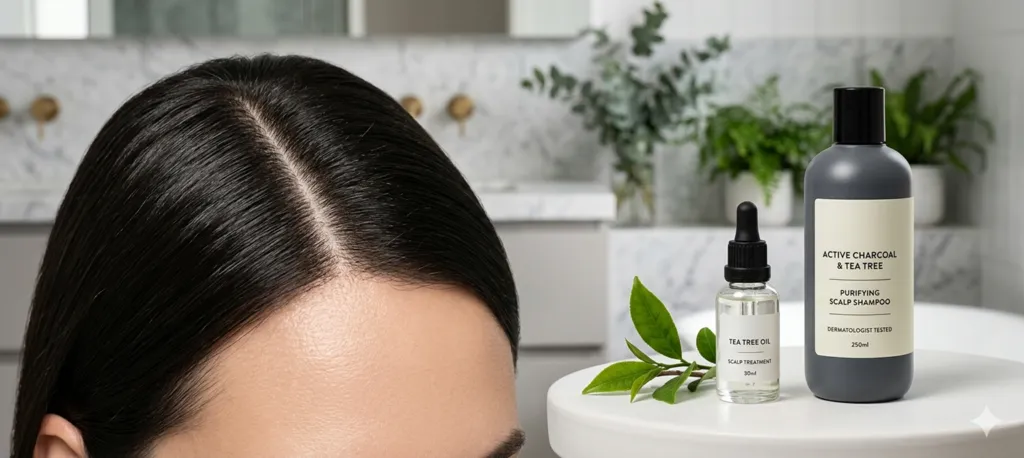
Table of Contents
- What Are Pimples on the Scalp?
- What Causes Scalp Acne?
- Common Symptoms of Scalp Pimples
- Types of Scalp Acne
- Risk Factors That Trigger Scalp Breakouts
- How Scalp Acne Is Diagnosed
- Effective Treatments for Pimples on Scalp
- Home Remedies for Mild Scalp Acne
- Best Shampoos and Ingredients for Scalp Acne
- Prevention Tips to Avoid Scalp Pimples
- When to See a Doctor
- Possible Complications of Untreated Scalp Acne
- Key Takeaways
- Take Care of Your Scalp Health with Metropolis Healthcare
- Frequently Asked Questions
- References
Finding a pimple on your scalp can be more than just uncomfortable. It can be itchy, painful, and difficult to treat given the hair covering it. Scalp acne is more common than many people realise, and while it shares similarities with facial acne, it has its own unique causes and treatment needs.
The good news is that most cases of scalp acne respond well to the right care. Understanding what is causing your breakouts is the first and most important step towards clearing them.
What Are Pimples on the Scalp?
Pimples on the scalp are small, inflamed bumps that form on the skin beneath your hair or along the hairline. They develop in much the same way as pimples elsewhere on the body: when hair follicles become clogged with excess oil, dead skin cells, sweat, or product residue, inflammation sets in, and a pimple forms.
The medical term for this condition is scalp acne, and it can range from a few mild, barely noticeable bumps to clusters of painful or pus-filled lesions. Breakouts caused specifically by hair care products are sometimes referred to by dermatologists as acne cosmetica.
While scalp acne is not as widely discussed as facial acne, it can be just as persistent and, in some cases, may affect hair growth if left untreated over a long period.
What Causes Scalp Acne?
Scalp acne develops when hair follicles become blocked. Several factors can trigger or worsen this.
- Excess sebum production: Your scalp naturally produces an oily substance called sebum to protect and moisturise the skin. When the scalp produces too much sebum, it can clog follicles and create an environment where bacteria thrive.
- Buildup of hair products: Heavy gels, dry shampoos, hairsprays, waxes, and oil-based conditioners leave residue on the scalp that clogs pores over time. This is one of the most common causes of scalp breakouts.
- Infrequent hair washing: When the scalp is not cleansed regularly, sweat, sebum, and dead skin cells accumulate, increasing the likelihood of blocked follicles.
- Bacterial infection: The bacterium Cutibacterium acnes (formerly known as Propionibacterium acnes) is commonly involved in acne formation on the scalp just as it is on the face and body. This is a key driver of hair follicle infection.
- Fungal or yeast overgrowth: Malassezia, a type of yeast naturally present on the scalp, can overgrow in oily or moist conditions, leading to folliculitis and scalp inflammation.
- Friction from headwear: Tight hats, helmets, headbands, or other accessories that press against the scalp trap sweat and bacteria, increasing the risk of breakouts.
- Hormonal fluctuations: Changes in hormone levels during puberty, menstruation, pregnancy, or periods of high stress can trigger excess sebum production, which in turn leads to acne.
- Stress: Stress stimulates the release of hormones like cortisol and androgens that can increase oil production on the scalp.
- Genetic predisposition: If acne runs in your family, you may be more naturally prone to scalp breakouts.
- Certain medications: Some medications, including corticosteroids and lithium, have acne as a known side effect.
Common Symptoms of Scalp Pimples
Scalp acne can present in various ways, and symptoms differ depending on the severity and type of breakout.
- Small red bumps along the hairline, at the back of the neck, or hidden beneath the hair
- Whiteheads or pus-filled bumps with a visible white or yellow tip
- Tender or sore areas on the scalp that hurt when touched or when brushing hair
- Itchy scalp pimples that may feel irritated or inflamed
- Clusters of bumps appearing together in one area
- Scabbing or crusting around pimples in more severe cases
- Temporary hair thinning or hair loss around persistent or severely inflamed pimples
- A burning or stinging sensation in the affected area
Mild cases may involve only a few small, relatively painless bumps. Severe cases can cause significant discomfort, widespread inflammation, and in some instances, scarring.
Types of Scalp Acne
Not all scalp pimples are the same. Understanding the type you have can help determine the right treatment approach.
- Whiteheads (closed comedones): Blocked follicles covered by a thin layer of skin, appearing as small white or flesh-coloured bumps.
- Blackheads (open comedones): Follicles that are clogged but open at the surface. The dark colour is not dirt but rather oxidised sebum.
- Papules: Small, raised, red bumps caused by inflammation. They are solid and do not contain pus.
- Pustules: Inflamed pimples with a visible pus-filled centre. These are often tender and more noticeable.
- Nodules: Large, deep, solid lumps that sit beneath the skin's surface. These are more painful and harder to treat.
- Cysts: Deep, pus-filled pockets beneath the skin that can be significantly painful and may lead to scarring if not treated promptly.
- Scalp folliculitis: Inflammation of the hair follicles caused by bacteria or fungi. This is one of the most common forms of hair follicle infection on the scalp, presenting as clusters of itchy, red, or pus-filled bumps.
Risk Factors That Trigger Scalp Breakouts
Certain habits and circumstances make scalp acne more likely to develop or recur.
- Regularly wearing tight headgear such as helmets, turbans, caps, or sports headbands
- Using hair care products that contain heavy oils, silicones, or comedogenic ingredients
- Sweating heavily during exercise without washing hair soon afterwards
- Having naturally oily or greasy hair
- Experiencing high levels of ongoing stress
- Eating a diet high in refined sugar or dairy, both of which have been linked to acne in some research
- Using unwashed pillowcases, hair brushes, or combs that transfer bacteria and oil back to the scalp
- Having a personal or family history of acne
- Hormonal conditions such as polycystic ovary syndrome (PCOS) that affect androgen levels
How Scalp Acne Is Diagnosed
In most mild cases, scalp acne can be identified visually based on the appearance and location of the pimples. A doctor or dermatologist will typically perform a physical examination of the scalp and ask about your medical history, the hair products you use, your lifestyle habits, stress levels, and any recent changes in medication.
If scalp acne appears suddenly or is severe, your doctor may recommend blood tests to check for underlying hormonal imbalances, infections, or conditions such as thyroid dysfunction. In some cases, a swab of the affected area may be taken to identify the specific bacteria or fungi involved, particularly if the diagnosis of folliculitis is suspected. This helps guide the most effective treatment choice.
Effective Treatments for Pimples on Scalp
Treatment depends on the type, severity, and underlying cause of the scalp acne.
For mild to moderate scalp acne:
Medicated shampoos are usually the first line of treatment. Used regularly, they help clear blocked follicles, reduce inflammation, and address bacterial or fungal causes. Your doctor will recommend the most appropriate option based on your condition.
Switching to lighter, oil-free hair products and washing hair more frequently, particularly after sweating, can produce noticeable improvement in mild cases within a few weeks.
For moderate to severe scalp acne:
- Topical antibiotics such as clindamycin or erythromycin are applied directly to the scalp to reduce bacterial growth.
- Topical benzoyl peroxide solutions kill bacteria and reduce excess oil.
- Topical retinoids help unclog follicles and speed up skin cell turnover.
- Topical steroids may be prescribed to reduce significant inflammation, particularly in cases of folliculitis.
- Oral antibiotics are used when the infection is widespread or not responding to topical treatment.
- Oral isotretinoin is considered for chronic, severe scalp acne that has not responded to other treatments. It is used under close medical supervision.
- Hormonal treatments such as oral contraceptives or anti-androgens may be considered for women whose scalp acne is linked to hormonal fluctuations.
- Steroid injections directly into particularly large or painful cysts can speed up resolution and reduce the risk of scarring.
It is important to follow your dermatologist's guidance on any prescription treatment. Most people begin to see improvement within a few days to weeks after starting treatment, though full clearance can take up to six weeks.
Home Remedies for Mild Scalp Acne
For mild cases, certain home-based measures can help reduce inflammation and prevent further breakouts. These are supportive measures and are not a substitute for medical treatment if your symptoms are persistent or severe.
- Tea tree oil: Tea tree oil has well-documented antibacterial and anti-inflammatory properties. Dilute a few drops in a carrier oil such as jojoba oil and gently massage into the affected areas. Do not apply undiluted tea tree oil directly to the skin as it can cause irritation.
- Aloe vera gel: Pure aloe vera gel soothes inflammation and hydrates the scalp without adding heaviness or clogging follicles. Apply directly to affected areas, leave for 20 to 30 minutes, and rinse thoroughly.
- Warm compress: Applying a warm, clean cloth to a painful bump for a few minutes can help reduce discomfort and encourage natural drainage without squeezing.
- Apple cider vinegar rinse: Diluting one to two tablespoons of apple cider vinegar in a cup of water and using it as a post-shampoo rinse may help restore scalp pH and reduce bacterial activity. Rinse out completely afterwards.
- Reduce product use: Taking a break from heavy styling products and switching to a simple, fragrance-free shampoo gives your scalp a chance to recover.
If you are also dealing with dandruff alongside scalp acne, it is worth exploring home remedies for dandruff as well, since the two conditions can occur together and share some contributing factors.
Best Shampoos and Ingredients for Scalp Acne
Choosing the right shampoo makes a significant difference in managing scalp acne. Look for these active ingredients when selecting a medicated or therapeutic shampoo.
- Salicylic acid: A beta-hydroxy acid that exfoliates the scalp, unclogs follicles, and reduces oil buildup. It is one of the most widely recommended ingredients for scalp acne.
- Ketoconazole: An antifungal agent that targets Malassezia yeast overgrowth. Particularly useful when dandruff and acne are occurring together, since both can be linked to this yeast.
- Zinc pyrithione: Has both antibacterial and antifungal properties and helps control sebum production. Commonly found in dandruff shampoos, making it useful when dandruff and acne co-exist.
- Selenium sulphide: Reduces fungal activity on the scalp and slows down the shedding of skin cells that can clog follicles.
- Benzoyl peroxide: Kills acne-causing bacteria effectively. Available in wash-off formulations suitable for the scalp.
- Glycolic acid: Helps exfoliate dead skin cells and reduces the buildup that clogs follicles.
- Coal tar: Slows skin cell turnover and reduces inflammation. Used in some medicated shampoos for conditions like seborrheic dermatitis that can accompany scalp acne.
Always use medicated shampoos as directed, and consult a dermatologist before starting a new topical treatment, particularly if you have a sensitive scalp or existing skin conditions.
Prevention Tips to Avoid Scalp Pimples
Preventing scalp acne largely comes down to consistent, mindful hygiene and product choices.
- Wash your hair regularly: This is especially important after exercising, sweating heavily, or spending time in humid conditions. Allowing sweat and oil to sit on the scalp for extended periods is one of the most avoidable causes of breakouts.
- Choose non-comedogenic products: Switch to hair care products labelled oil-free, non-comedogenic, or non-acnegenic. These are formulated not to clog pores.
- Rinse thoroughly: Shampoo, conditioner, or styling product residue left on the scalp can block follicles. Take a few extra seconds to rinse completely after every wash.
- Clean your headwear and accessories: Hats, helmets, headbands, scarves, and pillowcases absorb sweat, oil, and bacteria. Wash these regularly to prevent them from reintroducing buildup to your scalp.
- Avoid tight headgear where possible: Friction and occlusion from tight-fitting headwear traps moisture and bacteria against the scalp. Opt for well-ventilated, properly fitting options.
- Keep hair tools clean: Combs, brushes, and hair clips collect sebum and product residue. Clean them at least once a week.
- Do not touch your scalp unnecessarily: Hands carry bacteria and oil that can be transferred to the scalp and worsen existing pimples.
- Manage stress: Chronic stress is a known trigger for acne across the body. Regular physical activity, adequate sleep, and relaxation practices all help manage stress and its effect on skin health.
- Eat a balanced diet: A diet rich in whole foods, vegetables, and lean proteins and low in refined sugar and processed foods supports overall skin health.
When to See a Doctor
Mild scalp acne often responds well to home care and over-the-counter medicated shampoos. However, there are times when professional medical attention is important.
See a dermatologist if your scalp pimples have not improved after six weeks of consistent home treatment, if you are experiencing severe pain, significant swelling, or tenderness, or if you develop a fever alongside the breakout, which may indicate a deeper infection.
You should also seek professional advice if you notice hair thinning or bald patches forming around pimple clusters, if the breakouts are recurring and affecting your confidence or quality of life, or if you suspect the scalp acne may be linked to a hormonal condition or medication side effect.
Early and appropriate acne treatment prevents the progression from mild breakouts to more severe, harder-to-treat forms and reduces the risk of scarring or lasting hair loss.
Possible Complications of Untreated Scalp Acne
Ignoring scalp acne or repeatedly picking at pimples can lead to consequences that go beyond temporary discomfort.
- Scarring: Deep or cystic pimples that are not treated promptly can leave permanent scars on the scalp.
- Post-inflammatory hyperpigmentation: Healed pimples can leave dark spots on the scalp that take time to fade.
- Hair follicle damage: Persistent inflammation around hair follicles can damage them over time, affecting hair growth in the affected areas.
- Temporary hair loss: Severe or widespread scalp acne, particularly folliculitis, can cause temporary shedding of hair in affected patches.
- Permanent hair loss: In rare, severe cases where scarring folliculitis develops and is left untreated, the damage to follicles may become permanent.
- Spread of infection: Popping or picking at scalp pimples introduces more bacteria into the area, can spread the infection to surrounding follicles, and significantly worsens the condition.
- Emotional impact: Persistent or painful scalp acne can affect self-confidence, especially when it is visible along the hairline or causes noticeable hair changes.
Key Takeaways
- Scalp acne forms when hair follicles become clogged with sebum, dead skin cells, sweat, or product residue.
- Common causes include heavy hair products, infrequent washing, tight headwear, bacterial or fungal infection, hormonal changes, and stress.
- Symptoms range from mild itchy scalp pimples and whiteheads to painful cysts and temporary hair loss.
- Medicated shampoos containing salicylic acid, ketoconazole, or zinc pyrithione are usually the first line of treatment.
- Prescription options including topical antibiotics, benzoyl peroxide, retinoids, and oral medications are available for more persistent or severe cases.
- Do not pop scalp pimples. This worsens inflammation, increases infection risk, and can lead to scarring.
- Prevention focuses on regular hair washing, oil-free and non-comedogenic product choices, and keeping headwear and hair tools clean.
- See a dermatologist if symptoms do not improve after six weeks or if you notice hair loss, severe pain, or signs of infection.
Take Care of Your Scalp Health with Metropolis Healthcare
Scalp acne is often a sign that your skin is reacting to something, whether it is a product, a hormonal shift, a nutritional imbalance, or an underlying condition. While good hygiene and topical care address the surface, understanding what is happening internally gives you a clearer and more complete picture.
Hormonal panels, thyroid tests, and nutritional profiles such as vitamin D, zinc, and B12 levels can all shed light on factors that influence skin and scalp health. Routine health checks allow you to identify these imbalances early and take targeted action.
Metropolis Healthcare offers over 4,000 tests, including hormone panels, full body checkups, and speciality diagnostics, with accurate results and quick turnaround times. Booking is easy through the website, app, call, or WhatsApp. With home sample collection available across 10,000 touchpoints, staying on top of your health has never been simpler.
Healthy skin starts from within. Let the right information guide the right care.
Frequently Asked Questions
Why Do I Keep Getting Pimples on My Scalp?
Recurring scalp pimples usually point to an ongoing trigger that has not been addressed. Common culprits include using hair products that clog follicles, not washing your hair frequently enough, regularly wearing tight headwear, or having naturally oily skin. Hormonal imbalances, chronic stress, and genetic predisposition can also make certain people more prone to repeated breakouts. Identifying and addressing the specific trigger, whether through product changes, improved hygiene habits, or medical evaluation, is the key to breaking the cycle.
How Do I Stop Pimples on My Scalp?
A combination of consistent hygiene and the right products goes a long way. Wash your hair regularly, especially after sweating. Switch to oil-free, non-comedogenic hair products. Rinse your hair thoroughly after every wash to prevent product residue from building up. Clean pillowcases, hats, and hair tools regularly. For persistent breakouts, a medicated shampoo containing salicylic acid or zinc pyrithione can help, and a dermatologist can recommend further treatment if needed.
What Causes Pimples on the Scalp?
Scalp pimples form when hair follicles become blocked. This blockage can result from excess sebum, dead skin cells, sweat, or hair product residue. Bacterial infection, particularly by Cutibacterium acnes, and fungal overgrowth by Malassezia are also common causes. Additional contributing factors include hormonal fluctuations, friction from tight headwear, stress, and genetic tendency towards acne.
Are Scalp Pimples Normal?
Occasional scalp pimples are relatively common and not necessarily cause for concern. Acne affects a large proportion of people at some stage of their lives, and the scalp is not exempt. However, if scalp pimples are persistent, clustered, painful, or accompanied by hair loss, it is worth seeking a dermatologist's opinion to rule out underlying conditions such as folliculitis or seborrheic dermatitis.
How Can I Treat Scalp Acne at Home?
Mild scalp acne often responds to simple home measures. Wash your hair more frequently and switch to a gentle, oil-free shampoo. Avoid heavy styling products until the breakout clears. You can apply diluted tea tree oil or pure aloe vera gel to affected areas for their antibacterial and soothing properties. An apple cider vinegar rinse diluted with water may also help restore scalp balance. Avoid picking or popping pimples, as this increases the risk of infection and scarring.
Which Shampoo Is Best for Scalp Acne?
The best shampoo depends on what is causing your scalp acne. Salicylic acid shampoos work well for general acne by exfoliating dead skin and clearing follicles. Ketoconazole shampoos are more appropriate when fungal overgrowth is suspected, particularly if dandruff is also present. Zinc pyrithione shampoos address both bacterial and fungal causes and are widely used. Benzoyl peroxide washes are effective for bacterial-driven breakouts. A dermatologist can help identify which ingredient is most suited to your specific condition.
Can Dandruff Cause Scalp Pimples?
Dandruff and scalp acne can occur together and may share a common underlying cause: overgrowth of the Malassezia yeast on the scalp. This yeast contributes to both dandruff (seborrheic dermatitis) and folliculitis. When dandruff is not managed, the resulting flaking and irritation can exacerbate follicle blockages and inflammation, potentially worsening or triggering scalp pimples. Treating both conditions simultaneously with an appropriate medicated shampoo is often the most effective approach.
Do Scalp Pimples Cause Hair Loss?
Mild and short-lived scalp acne generally does not cause permanent hair loss. However, when follicles are inflamed for a prolonged period, the inflammation can disrupt the normal hair growth cycle, leading to temporary shedding in the affected area. In cases of severe or scarring folliculitis that is left untreated, the damage to hair follicles may become permanent. This is why timely treatment is important if you notice thinning or patchy hair loss alongside scalp pimples.
Should I Pop a Pimple on My Scalp?
No. Popping scalp pimples should always be avoided. It may seem like a quick fix, but squeezing a pimple pushes bacteria deeper into the follicle, worsens inflammation, increases the risk of spreading infection to nearby follicles, and can lead to scarring or post-inflammatory pigmentation. The scalp is also particularly difficult to treat once scars or follicle damage develop. Use appropriate medicated treatments and allow pimples to resolve naturally.
How Long Do Scalp Pimples Take to Heal?
With consistent and appropriate treatment, mild scalp pimples often begin to improve within a few days to a week. More significant breakouts, particularly those involving multiple pimples or deeper cysts, can take up to six weeks to fully clear. If there is no noticeable improvement after six weeks of treatment, a dermatologist should be consulted to reassess the diagnosis and treatment plan.
Is Scalp Acne a Fungal Infection?
Scalp acne is not always fungal in origin, but it can be. In many cases, it is caused by a bacterial hair follicle infection or simply by clogged pores from excess oil and product buildup. However, when the Malassezia yeast overgrows on the scalp, it can cause a form of folliculitis that closely resembles typical acne. This fungal variant does not respond to standard antibacterial treatments and instead requires antifungal shampoos or medications. A dermatologist can determine the precise cause through examination and guide the appropriate treatment.
References
- Zaenglein AL, Pathy AL, Schlosser BJ, et al. Guidelines of care for the management of acne vulgaris. J Am Acad Dermatol. 2016;74(5):945-973. PMID: 26897386.
- Dessinioti C, Katsambas A. Seborrheic dermatitis: etiology, risk factors, and treatments. Facts Views Vis Obgyn. 2013;5(2):141-148. PMID: 24753954.
- Hay RJ. Malassezia, dandruff and seborrhoeic dermatitis: an overview. Br J Dermatol. 2011;165(Suppl 2):2-8. PMID: 22171680.
- Gollnick H, Cunliffe W, Berson D, et al. Management of acne: a report from a global alliance to improve outcomes in acne. J Am Acad Dermatol. 2003;49(1 Suppl):S1-S37. PMID: 12833004.
- Bhate K, Williams HC. Epidemiology of acne vulgaris. Br J Dermatol. 2013;168(3):474-485. PMID: 23210645.
- Thiboutot D, Dreno B, Abanmi A, et al. Practical management of acne for clinicians who treat patients of all races. J Am Acad Dermatol. 2023;88(4 Suppl):S1-S60. PMID: 36371208.
- Kraft J, Freiman A. Management of acne. CMAJ. 2011;183(7):E430-E435. PMID: 21398228.