Home Visit
 Upload






Preventive Healthcare
Scrub Typhus: Symptoms, Treatment, Prevention & Key Facts
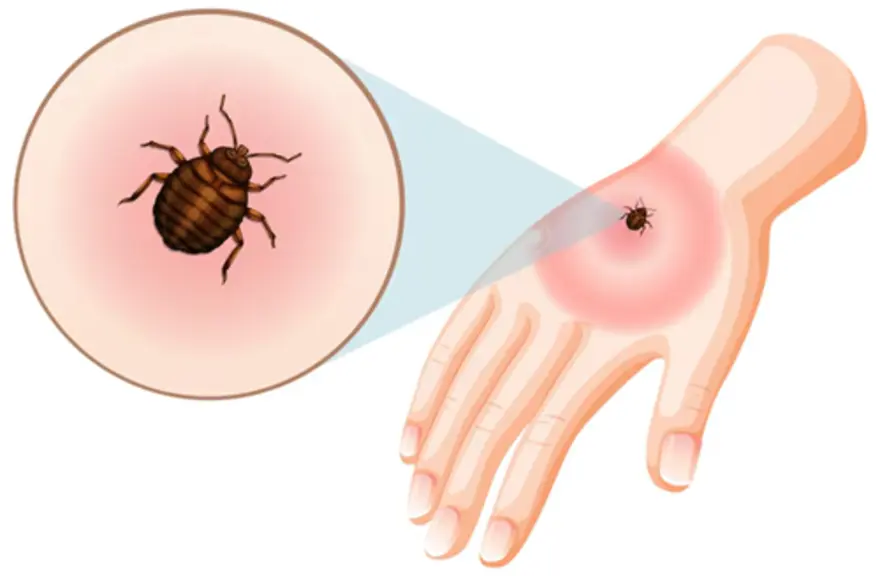
Table of Contents
- What is Scrub Typhus?
- How is Scrub Typhus Transmitted?
- Causes of Scrub Typhus
- Common Symptoms of Scrub Typhus
- Diagnosis of Scrub Typhus
- Scrub Typhus Treatment
- Scrub Typhus Complications
- Scrub Typhus Prevention Tips to Avoid Infection
- Key Facts You Should Know
- When to See a Doctor?
- Conclusion: Stay Safe from Scrub Typhus
- Frequently Asked Questions (FAQs)
What is Scrub Typhus?
Scrub typhus is a bacterial infection passed to humans through bites from infected chiggers, which are tiny mite larvae. Though the name may sound unsettling, it is treatable with the right care. The illness can start with mild flu-like signs and sometimes progress if left unnoticed.
Knowing how it spreads, recognising the early signs, and seeking timely help can go a long way in ensuring you or your loved ones recover well. Staying informed and attentive makes all the difference in managing this condition effectively.
How is Scrub Typhus Transmitted?
Scrub typhus spreads when an infected chigger bites your skin. These tiny mites pick up the bacteria from animals, such as rodents, and pass it on while feeding. You might not feel the bite, but symptoms usually begin several days later. The mites are often found in areas with dense vegetation, such as grassy fields or gardens with thick shrubs.
Being in such outdoor spaces without protection increases your chances of exposure. However, the risk can be significantly reduced by taking a few easy precautions.
Also Read: Typhus Fever: Symptoms, Causes and Prevention Strategies
Causes of Scrub Typhus
Understanding the scrub typhus causes can help you stay prepared and reduce your risk of getting infected. The condition is triggered by a specific type of bacteria and is passed through environmental exposure.
- Infection by Orientia tsutsugamushi: This is the bacteria responsible for the illness. Once it enters your body through a bite, it multiplies and causes the infection.
- Bite from infected chiggers (mite larvae): These tiny creatures are almost invisible to the eye and typically bite when you’re walking or sitting in grassy or bushy areas.
- Contact with overgrown vegetation: Mites live in bushes, weeds, leaf piles, and forest edges. Being in such surroundings for gardening, hiking, or camping increases your chances of being bitten.
- Presence of rodents: These mites often get the bacteria from rodents. If you're in an area where rodent populations are common, the risk of typhus infection causes may be higher.
- Seasonal activity: Mites are usually more active during warmer and humid months, so being outdoors during these times requires extra caution.
Common Symptoms of Scrub Typhus
Recognising scrub typhus symptoms early is essential for timely treatment. While the illness can start with mild signs, it may worsen if not addressed. Here are some signs you should watch out for:
- Fever and chills: You might experience a sudden spike in body temperature, often accompanied by chills or shivering.
- Skin rash: A flat or slightly raised rash can appear after a few days. It may be itchy or uncomfortable but is a common part of scrub typhus symptoms.
- Black scab (eschar) at the bite site: This dark crust forms at the spot where the mite bit you. It is usually painless but an important sign to note.
- Headache and body pain: You may feel a persistent headache or generalised body aches and fatigue, making it hard to carry out daily tasks.
- Swollen lymph nodes: Tenderness or swelling in areas like the neck, armpits, or groin can occur, signalling your body’s immune response.
- Digestive discomfort: Nausea, vomiting, or diarrhoea can develop in some people as part of the body’s reaction.
- Mental fog or confusion: In more advanced cases, you may feel disoriented or struggle to focus clearly.
Diagnosis of Scrub Typhus
Getting a correct scrub typhus diagnosis is the first step towards effective recovery. Since its early signs are similar to other illnesses, it is important to seek medical advice promptly.
- Physical examination: Your doctor may check for visible signs like the eschar or rash and ask about recent outdoor exposure.
- Blood tests: These are commonly used to detect antibodies in your blood that suggest a bacterial infection is present.
- Scrub typhus test: This specific test looks for antibodies against the bacteria that cause the disease. It helps in confirming the diagnosis more accurately.
- Exclusion of other conditions: Doctors often rule out other illnesses like malaria or dengue before finalising a scrub typhus diagnosis.
- Repeat testing if needed: In some cases, initial results may not be conclusive. Your doctor might ask you to come back in a week or two for another blood test to check for rising antibody levels.
Scrub Typhus Treatment
Timely and proper scrub typhus treatment can lead to a full recovery. Once diagnosed, your doctor will likely start antibiotics to help your body fight the infection.
- Antibiotics are key: Medications like doxycycline are commonly used. These are usually taken by mouth twice daily for about a week.
- Alternative antibiotics: If you are pregnant or allergic to doxycycline, your doctor might prescribe azithromycin or chloramphenicol, which are also effective options.
- Intravenous medication: In more serious cases or if you can’t take oral medicine, you may be given antibiotics through a vein.
- Early treatment leads to quicker recovery: Most people feel better within a few days of starting antibiotics if treatment begins early.
- Children and dosage: Children are usually given a shorter course of antibiotics under close medical supervision to reduce side effects.
- Monitoring symptoms: You may be asked to monitor your fever, hydration levels, and any changes in symptoms during the course of treatment.
- Rest and hydration: Getting plenty of rest and drinking fluids is important for your body to heal while the antibiotics work.
Scrub Typhus Complications
If left untreated, scrub typhus can sometimes lead to complications. These occur when the infection spreads to other organs in your body.
- Lung problems: You might develop difficulty breathing or fluid buildup in the lungs, a condition known as acute respiratory distress.
- Heart issues: Some people may experience irregular heartbeat or inflammation in the heart muscles, which can affect circulation and energy levels.
- Liver and digestive trouble: Vomiting, liver swelling, or abdominal pain may occur a few days into the illness.
- Kidney function decline: In some cases, scrub typhus can lead to kidney issues or even acute kidney injury if not managed in time.
- Neurological effects: Confusion, irritability, or even seizures may appear in more serious cases if the infection reaches your brain.
Getting treated early can prevent most of these complications from occurring.
Scrub Typhus Prevention Tips to Avoid Infection
Prevention plays a key role in avoiding scrub typhus. A few simple habits can reduce your chances of getting bitten by infected mites.
- Wear protective clothing: Cover your arms, legs, and ankles when spending time in grassy or bushy areas.
- Use insect repellent: Apply repellents containing DEET to your skin and clothing. Always read the label before use.
- Avoid sitting directly on the ground: Use mats or blankets if you need to rest outdoors, especially in dense vegetation.
- Pre-treat outdoor gear: You can spray your clothes, shoes, and tents with permethrin or buy pre-treated items for added protection.
- Maintain garden areas: Trim overgrown grass and remove leaf litter around your home to discourage mite activity.
- Bathe after outdoor exposure: Showering and changing clothes as soon as you return indoors can help remove any mites on your body.
Key Facts You Should Know
Here are some helpful facts that make it easier to understand and manage scrub typhus with confidence.
- It’s caused by a bite, not by person-to-person contact, so you don’t have to worry about spreading it to others.
- Symptoms may start 6–10 days after the bite, so keep track of any recent outdoor activities if you feel unwell.
- There is no vaccine yet, but prevention is highly effective with the right steps.
- Antibiotics work well when started early, making timely diagnosis and treatment essential.
- Not everyone develops all symptoms. You might just have mild fever or fatigue, so it’s worth checking with a doctor if you’re unsure.
- A positive outlook matters. Most people recover completely with proper care, rest, and medical guidance.
- Mild infections are common. Serious complications are rare when the condition is diagnosed early.
When to See a Doctor?
If you’ve recently spent time outdoors and notice any changes in your health, it’s wise to get checked.
- Unexplained fever or rash: Especially if paired with body aches or fatigue, see a doctor without delay.
- Black scab or bite mark: This can be a clear sign of scrub typhus and should be assessed by a medical professional.
- Persistent symptoms: If your fever or discomfort lasts more than a few days, ask for a scrub typhus test to be sure.
Conclusion: Stay Safe from Scrub Typhus
Recognising scrub typhus symptoms early and understanding how to manage the illness can help you or your loved ones recover smoothly. With proper care and timely testing, most people respond well to treatment.
If you suspect exposure or need a scrub typhus test, choose a trusted diagnostic partner. Metropolis Healthcare offers accurate results, expert guidance, and convenient home collection to support your health every step of the way.
Also Read: Dengue Fever: Symptoms, Causes, Risk Factors and More
Frequently Asked Questions (FAQs)
Is there a vaccine for scrub typhus?
No, there is currently no vaccine available for scrub typhus. Prevention mainly involves avoiding mite bites in high-risk outdoor areas.
How to get rid of scrub typhus?
Scrub typhus is treated with antibiotics like doxycycline or azithromycin. Early diagnosis and medication lead to quick and effective recovery.
Is scrub typhus curable?
Yes, scrub typhus is curable. With timely medical treatment, most people recover fully without long-term health complications or serious effects.
Is scrub typhus common in specific regions?
Yes, scrub typhus is more common in rural and forested regions, especially where vegetation is dense and infected mites are present.
Is scrub typhus dangerous?
If left untreated, scrub typhus can become dangerous and affect vital organs. Early detection and treatment help prevent severe complications.
How long does it take to recover from scrub typhus?
With prompt treatment, recovery usually takes 7 to 10 days. Severe cases may require longer medical care and symptom monitoring.
What happens if scrub typhus is left untreated?
Untreated scrub typhus can lead to serious complications such as lung, heart, kidney, or brain issues, and can even be fatal.
Is scrub typhus contagious from person to person?
No, scrub typhus does not spread from person to person. It is only transmitted through the bite of an infected chigger.
Related Tests
Tests related to the topic