Home Visit
 Upload






Health Wellness
Malaria: Sign, Symptoms, Causes, Types and Treatment
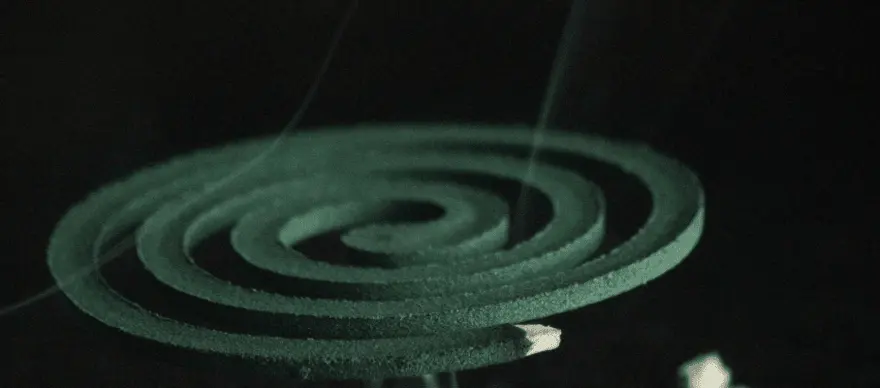
Table of Contents
Worried that you or someone close might have malaria? It’s natural to feel uneasy when faced with symptoms you don’t fully understand. Malaria is a health condition that can be managed well when recognised early. By learning about its signs, causes, types, and treatment, you’re taking a smart step towards protecting your health.
This guide is here to help you understand malaria in a simple and supportive way—so you can feel informed, calm, and ready to take the next steps with confidence.
What is Malaria?
Malaria, what is it? It is a health condition caused by a parasite and spread to humans through mosquito bites. Specifically, infected female mosquitoes inject the parasite into your bloodstream when they bite. Once inside, these parasites travel to your liver, multiply, and then invade your red blood cells.
While symptoms may begin mildly, they can become severe if not addressed promptly. Thankfully, malaria treatment exists and is effective, especially when diagnosed early. Fortunately, malaria is preventable and treatable. Understanding these basics empowers you to reduce your risk and act early if needed.
Types of Malaria Parasite
There are different types of malaria parasites that affect humans. Knowing the specific type helps guide the most appropriate treatment. Each type causes slightly different symptoms and has varying levels of severity.
Here are the five types of Plasmodium parasites:
- Plasmodium falciparum: This is the most dangerous type and can lead to severe complications. It multiplies quickly in the blood and can cause blockage in small blood vessels, leading to cerebral malaria and even death if not treated.
- Plasmodium vivax: Common outside Africa, this parasite can lie dormant in your liver and cause relapses weeks or even months after the first infection.
- Plasmodium ovale: Similar to P. vivax, it can also stay dormant in the liver and lead to relapses. It's less common but still important to recognise.
- Plasmodium malariae: This type usually causes a milder form of malaria but can persist in the blood for many years, sometimes without causing symptoms.
- Plasmodium knowlesi: Originally found in monkeys, this parasite has started infecting humans and may lead to severe illness if not managed early.
All these types form part of the malaria life cycle, from mosquito to human and back to mosquito.
Symptoms of Malaria
It’s natural to worry when feeling unwell. Knowing the symptoms of malaria can help you seek the right care early. Symptoms usually start 10 to 15 days after being bitten by an infected mosquito but may take longer with some parasites.
Common symptoms include:
- Fever: Often the first sign and can be high and persistent
- Chills and shaking: You may experience cold shivers followed by sweating
- Fatigue and weakness: Feeling extremely tired even after rest
- Headache: Often severe and persistent
- Muscle and joint pain: Aching muscles and joints are common
- Nausea or vomiting: These may affect your appetite and hydration
- Diarrhoea: Some cases may involve stomach discomfort
- Rapid heartbeat and breathing: Often associated with fever
- Cough: A dry cough may also occur in some cases
- Jaundice: Yellowing of the eyes or skin in advanced cases
If you suspect any of these symptoms, especially after a mosquito bite or travel, consider seeking medical advice.
Causes of Malaria
Understanding the causes of malaria helps you take protective steps. The disease is triggered by the bite of a mosquito carrying a parasite known as Plasmodium.
Key causes and transmission routes:
- Mosquito bites: Most commonly, malaria spreads through the bite of an infected female Anopheles mosquito. This is the core connection between mosquitoes and malaria.
- Blood transfusions: Rare, but malaria can spread through infected blood.
- Sharing needles: If contaminated with the malaria parasite, transmission is possible.
- From mother to baby: This may happen during pregnancy or delivery.
After entering your bloodstream, the parasite moves to your liver, matures, and re-enters your bloodstream to attack red blood cells. This cycle continues unless broken by treatment.
Risk Factors
Not everyone faces the same level of risk. Some individuals are more likely to experience severe symptoms.
Risk factors to keep in mind:
- Young children and babies: Their immune systems are still developing
- Pregnant women: Changes in immunity make pregnancy a vulnerable time
- Older adults: Reduced immunity can increase the severity
- People without prior exposure: Those who haven't had malaria before have little immunity
- Travellers to high-risk areas: Especially if you don’t take preventive medication
- Weakened immune systems: Such as from illnesses or medication
Being aware of these factors can help you take additional precautions when needed.
Complications
Most people recover well, but complications can arise, especially if diagnosis is delayed or treatment is not completed.
Serious complications may include:
- Cerebral malaria: A dangerous condition where blood cells block small vessels in your brain, potentially leading to coma or seizures
- Organ failure: Liver, kidneys, and spleen can all be affected
- Respiratory distress: Fluid in the lungs can make breathing difficult
- Anaemia: Due to destruction of red blood cells
- Low blood sugar: Can result from both malaria and certain medications
Getting early care greatly reduces the chance of complications.
Diagnosis and Tests of Malaria
Timely diagnosis is essential. You’ll likely be asked about your travel history and symptoms.
Common tests include:
- Microscopic blood smear: A sample is examined under a microscope to identify the Plasmodium parasite
- Rapid diagnostic test (RDT): Detects the parasite's proteins (such as the malaria antigen test) and gives quick results
- Polymerase Chain Reaction (PCR): Helps identify the exact type of parasite
- Full blood count:To check for anaemia or other related signs
If you're wondering about the malaria parasite test price, it can vary by location and healthcare facility. You can check with a local clinic or diagnostic lab for specifics.
Treatment of Malaria
Getting the right malaria treatment early helps prevent complications and speeds up recovery. You will be prescribed medication based on the type of parasite, your symptoms, and your general health.
Hospital admission may be needed in severe cases, especially when complications are involved.
Medications
Different medicines target different types of parasites. Most common antimalarial medicines include:
- Artemisinin-based therapies (ACTs): Effective for Plasmodium falciparum
- Chloroquine: Useful in areas where the parasite is still sensitive
- Primaquine: Prevents relapse in P. vivax and P. ovale infections
- Quinine: Often used for severe cases
- Doxycycline or Atovaquone: Sometimes used as part of combination treatment
Your doctor will decide the most appropriate option based on your condition.
Prevention
You can significantly reduce your risk through simple steps. Malaria prevention is most effective when combining several methods.
Ways to protect yourself:
- Use insect repellent: Look for one with DEET or picaridin
- Wear protective clothing: Long sleeves and trousers in the evening
- Sleep under treated nets: Especially insecticide-treated bed nets
- Avoid mosquito hotspots: Stay indoors during peak hours (dusk to dawn)
- Use indoor sprays: Helps control mosquitoes in enclosed spaces
- Preventive medication: Ask your doctor if you should take medicine before travel
And yes, there is a malaria vaccine now recommended for children in high-risk areas. It can reduce infection rates and severe illness.
Conclusion
Malaria can be serious, but with early recognition and proper care, it’s manageable. Understanding its symptoms, causes, and prevention helps protect your health and peace of mind. If you suspect malaria or need reliable testing, timely diagnosis is key.
For accurate and trusted testing services, Metropolis Healthcare offers advanced diagnostic solutions, including home sample collection and comprehensive fever panels—making it a smart and convenient choice for your health needs.
FAQs
Is there a vaccine against malaria?
Yes, malaria vaccine is available for children in high-risk regions. It helps reduce infection and severe illness when used alongside other preventive measures.
Where is malaria found in India?
Malaria is mostly found in parts of India with warm, humid climates, especially in forested, rural, and low-lying areas with stagnant water and poor sanitation.
When do symptoms begin if you’re infected with malaria?
Symptoms of malaria usually appear 10 to 15 days after a mosquito bite, but in some cases, it may take weeks or even months.
How is malaria spread?
Malaria spreads through the bite of an infected female Anopheles mosquito. It can also spread through infected blood, pregnancy, or shared contaminated needles.
What is the malaria test called?
The malaria antigen test is commonly used. Other tests include a blood smear, PCR, and rapid diagnostic tests to detect malaria parasites accurately.
What is the best treatment for malaria?
Malaria treatment depends on the parasite type. Artemisinin-based combination therapy (ACT) is considered the most effective option, especially for Plasmodium falciparum.
Also book Malaria Antigen Test or Malaria Test online with home collection and 24-hr report at Metropolis Healthcare.