Home Visit
 Upload






Preventive Healthcare
Prevention of Blindness Week: Causes of Vision Loss and Tips to Protect Your Eye Health
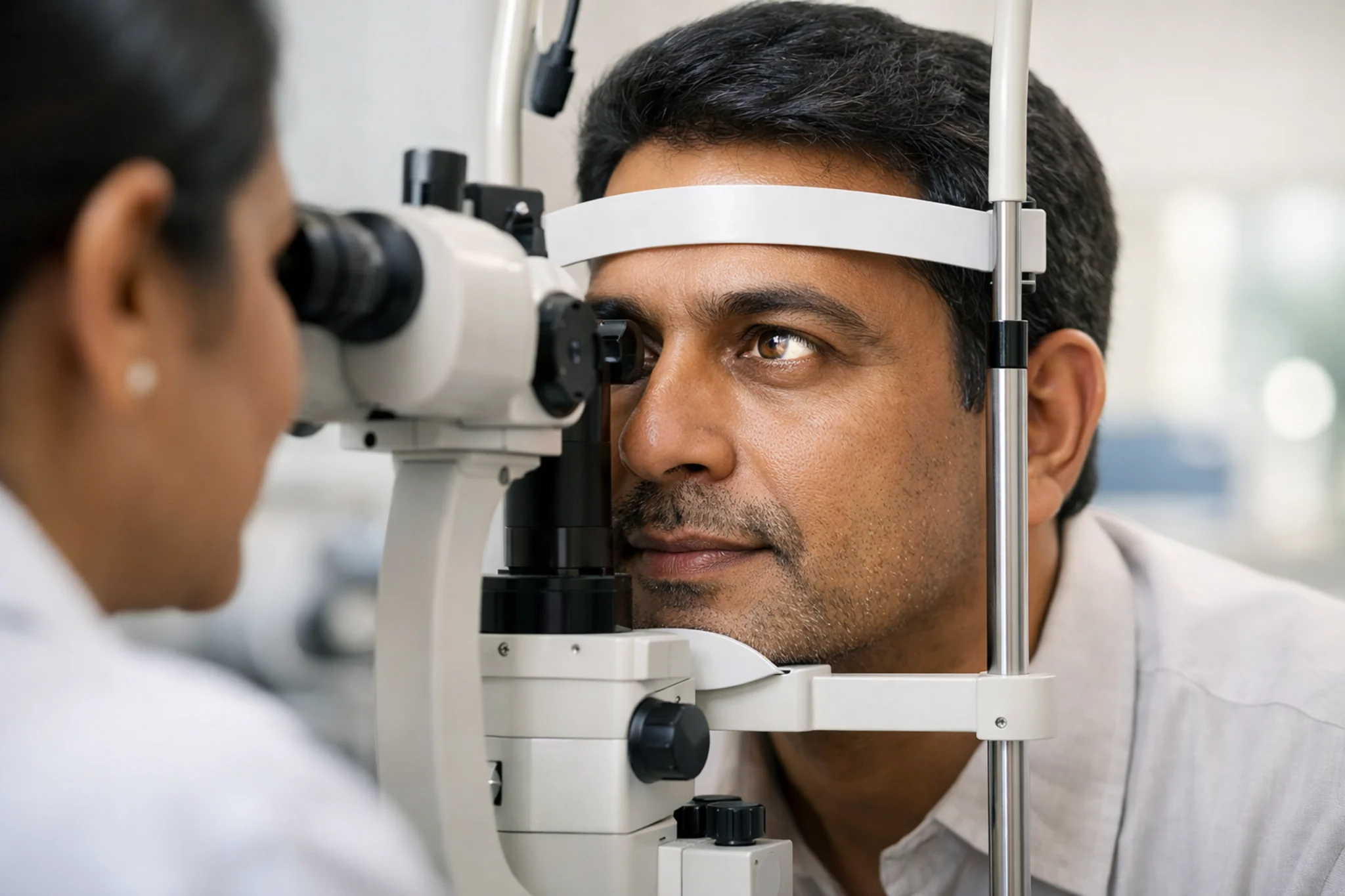
Table of Contents
- What Is Prevention of Blindness Week?
- Prevention of Blindness Week Theme 2026
- Why Prevention of Blindness Week Matters
- Common Causes of Vision Loss You Should Know
- Who May Be At Higher Risk Of Vision Loss?
- Early Signs of Eye Problems You Should Not Ignore
- Statistics On Vision Loss And Preventable Blindness
- Tips To Protect Your Eye Health
- Eye Care Tips For Children And Adults
- How Early Detection And Screening Help Prevent Blindness
- How Lifestyle Choices Affect Your Eye Health
- Common Eye Health Myths You Should Stop Believing
- Awareness Campaigns And Community Support
- When Should You Book An Eye Check-Up?
- Conclusion
- Frequently Asked Questions
- References
Your eyesight supports almost every part of daily life. It helps you learn, work, travel, and care for the people around you. That is why Prevention of Blindness Week, observed from 1 to 7 April, is an important reminder to pay attention to your eye health.
This awareness week encourages you to act early, not late. Many causes of vision loss can be prevented, treated, or managed better when they are picked up in time. Regular check-ups, healthy habits, and timely treatment can go a long way in protecting your sight.
What Is Prevention of Blindness Week?
Prevention of Blindness Week is observed in India every year to spread awareness about avoidable vision loss and the importance of timely eye care. It brings attention to common eye problems, encourages regular eye examinations, and promotes better understanding of how lifestyle, nutrition, and medical conditions can affect your vision.
The week also supports community action. Free eye camps, awareness drives, educational activities, and conversations around early diagnosis all help people recognise that eye health should not be ignored.
Prevention of Blindness Week Theme 2026
In 2026, the message strongly highlighted during this period is “Uniting for a Glaucoma-Free World.” This focus is important because glaucoma often develops slowly and may not cause clear symptoms in the early stages.
It is often called the silent thief of sight because it can damage the optic nerve before you notice a problem. Once vision loss from glaucoma happens, it cannot usually be reversed. That is why awareness, screening, and timely treatment matter so much.
Why Prevention of Blindness Week Matters
Many people delay eye check-ups because they think they will notice if something is wrong. In reality, several serious eye conditions can progress quietly.
Prevention of Blindness Week matters because it reminds you to take small but important steps before damage becomes severe. It encourages you to:
- Understand common causes of vision loss
- Recognise symptoms early
- Get regular eye check-ups
- Manage long-term conditions such as diabetes and high blood pressure
- Support eye health awareness in your family and community
Common Causes of Vision Loss You Should Know
Cataracts
Cataracts happen when the natural lens of the eye becomes cloudy. This can make your vision blurry, dull, or hazy. Cataracts are common with ageing, but timely treatment can restore vision in many cases.
Glaucoma
Glaucoma is a group of eye diseases that damage the optic nerve. It often develops without warning signs in the early stages. If you are over 40, have diabetes, or have a family history of glaucoma, regular eye examinations become even more important.
Refractive Errors
Uncorrected refractive errors, such as short-sightedness, long-sightedness, and astigmatism, can interfere with daily life and learning. They are often easy to manage with proper correction, but many people continue without diagnosis or treatment.
Diabetic Retinopathy
High blood sugar can damage the small blood vessels in the retina. Over time, this may affect your vision. If you live with diabetes, regular monitoring is essential even when your sight seems normal.
Vitamin A Deficiency
Vitamin A Deficiency can harm the surface of the eye and affect night vision. In severe cases, it can lead to serious eye damage and blindness, especially in children. A balanced diet plays an important role in prevention.
Age Related Eye Conditions
As you grow older, your risk of cataracts, glaucoma, and other retinal conditions rises. This is why age appropriate screening is important even if you do not have obvious symptoms.
Eye Injuries And Infections
Trauma, unsafe work practices, sports injuries, poor contact lens hygiene, and untreated infections can all affect vision. Quick care can prevent complications.
Optic Neuritis
Optic Neuritis is inflammation of the optic nerve. It may cause sudden blurred vision, reduced colour vision, or pain when moving the eye. Unlike common eye strain, Optic Neuritis needs prompt medical attention.
Who May Be At Higher Risk Of Vision Loss?
You may need closer attention to eye health if you:
- Are over 40
- Have diabetes or high blood pressure
- Smoke
- Have a family history of glaucoma or other eye disease
- Spend long hours on screens without breaks
- Work in environments with dust, chemicals, or flying particles
- Have poor nutrition or risk factors for vitamin A deficiency
- Notice sudden pain, blur, or colour vision changes that could suggest Optic Neuritis
Early Signs of Eye Problems You Should Not Ignore
Please do not ignore symptoms such as:
- Blurred or dim vision
- Trouble seeing at night
- Frequent headaches linked to vision
- Eye pain or pressure
- Halos around lights
- Sudden redness or watering
- Sudden loss of vision
- Pain on eye movement
- Reduced colour vision
Some of these signs may point to glaucoma, retinal disease, infection, or Optic Neuritis. Early medical advice can help protect your sight.
Statistics On Vision Loss And Preventable Blindness
- The World Health Organization states that at least 2.2 billion people worldwide live with near or distance vision impairment.
- At least 1 billion of these cases could have been prevented or have not yet been addressed.
- WHO identifies unoperated cataract and uncorrected refractive error as the two main global causes of vision impairment.
- In India, a nationally representative survey in adults aged 50 years and above found cataract to be the leading cause of blindness, while untreated cataract and uncorrected refractive errors were major contributors to visual impairment.
Tips To Protect Your Eye Health
Get Regular Eye Examinations
Do not wait for symptoms. Routine check-ups can detect glaucoma, cataracts, and retinal problems early.
Control Diabetes And Blood Pressure
Good control of chronic conditions can lower your risk of retinal damage and other complications.
Eat A Balanced Diet
Include leafy greens, colourful vegetables, fruits, nuts, and other nutrient-rich foods. This helps reduce the risk of nutritional problems such as vitamin A deficiency.
Protect Your Eyes From UV Exposure
Choose sunglasses that block 99 to 100 per cent of UVA and UVB rays.
Follow Healthy Screen Habits
Use the 20 20 20 rule. Every 20 minutes, look at something about 20 feet away for 20 seconds.
Avoid Smoking
Smoking increases the risk of several eye diseases and can worsen overall health.
Use Protective Eyewear
Wear safety glasses or goggles during sports, home repairs, and high risk work.
Seek Help Early
If your vision changes suddenly, do not delay evaluation.
Eye Care Tips For Children And Adults
For Children
Children may not always say that they cannot see clearly. Instead, you may notice squinting, sitting too close to screens, poor concentration, or frequent eye rubbing. Regular vision checks can support learning and development.
A healthy diet also matters. Preventing vitamin A deficiency in childhood is an important part of protecting long term eye health.
For Adults And Older Adults
As an adult, especially after 40, you should not skip routine eye examinations. Conditions such as glaucoma and diabetic retinopathy may begin without obvious symptoms.
If you have diabetes, high blood pressure, or a family history of eye disease, you may need more regular follow-up.
How Early Detection And Screening Help Prevent Blindness
Early detection can make a real difference because:
- Some eye diseases begin silently
- Treatment is usually more effective when started early
- Screening can identify risk before vision is seriously affected
- Follow-up care helps prevent avoidable progression
- Community eye camps and awareness drives can improve access to timely checks
Screening is not just for older adults. Children, people with chronic illness, and anyone with symptoms can benefit from timely assessment.
How Lifestyle Choices Affect Your Eye Health
Your daily choices can either support or strain your eyes.
Smoking can raise the risk of serious eye disease. Poor nutrition can increase the risk of vitamin A deficiency and other health issues that affect the eyes. Long hours of screen use without breaks may worsen eye strain and dryness. Uncontrolled diabetes and high blood pressure can damage the retina over time. Lack of sun protection may also increase harm to your eyes.
Small habits matter. Better food choices, regular movement, good sleep, screen breaks, and routine health monitoring all support healthier vision.
Common Eye Health Myths You Should Stop Believing
Myth: If you can see well, you do not need an eye test.
Fact: Some serious conditions, including glaucoma, may not cause early symptoms.
Myth: Only older adults get eye disease.
Fact: Children and younger adults can also develop vision problems, injuries, infections, and inflammatory conditions.
Myth: Screens cause blindness.
Fact: Screens mainly contribute to strain and dryness, but unhealthy screen habits should still be corrected.
Myth: Eye problems always come with pain.
Fact: Many important eye conditions can be painless in the beginning.
Myth: Wearing glasses makes your eyes weaker.
Fact: Glasses correct your vision. They do not weaken your eyes.
Awareness Campaigns And Community Support
Local Awareness Efforts
Local campaigns during Prevention of Blindness Week often include free eye screening camps, school awareness sessions, educational talks, and community outreach. These efforts can help people who may otherwise delay care.
Corneal donation awareness and public education also play an important role in improving understanding and support.
Global Eye Health Efforts
Across the world, public health campaigns continue to focus on avoidable blindness, regular screening, early diagnosis, and access to treatment. Global awareness efforts around glaucoma have also strengthened the message that protecting sight requires action at both individual and community level.
When Should You Book An Eye Check-Up?
You should plan an eye check-up if:
- You are over 40
- You have diabetes or high blood pressure
- You have a family history of glaucoma
- You notice blurred vision, eye pain, or sudden changes
- Your child shows signs of poor vision
- You have symptoms such as pain with eye movement or reduced colour vision
- You have been told you may be at risk of Optic Neuritis or another optic nerve problem
Conclusion
Prevention of Blindness Week is a timely reminder that caring for your eyes should be part of your overall health routine. Not every cause of blindness can be prevented, but many causes of vision loss can be reduced, detected early, or treated better with awareness and timely medical care.
If you are living with diabetes, high blood pressure, or other long-term health concerns, routine testing and preventive health checks can support earlier risk detection. Metropolis Healthcare helps you take that preventive step with 4,000+ tests, full body checkups, speciality testing, accurate results, quick turnaround time, and convenient home sample collection backed by a strong network of 10,000+ touchpoints. You can book easily through the website, app, call, or WhatsApp.
Frequently Asked Questions
How Can You Protect Your Eyes From Vision Loss?
Protecting your eyes starts with regular eye examinations, good diabetes and blood pressure control, a balanced diet, UV protection, healthy screen habits, and early treatment when symptoms appear.
Is Blindness Preventable?
Not every type of blindness is preventable. However, many causes of vision loss can be prevented, treated, or managed more effectively when detected early.
What Is The Theme For Prevention Of Blindness Week 2026?
The theme widely highlighted in 2026 is “Uniting for a Glaucoma-Free World.” It places strong focus on glaucoma awareness, early diagnosis, and timely screening.
Why Is Glaucoma Called The Silent Thief Of Sight?
Glaucoma is called the silent thief of sight because it can damage the optic nerve slowly and quietly, often before you notice symptoms.
Who Should Get Regular Eye Check-Ups?
Children, adults over 40, people with diabetes or high blood pressure, smokers, and anyone with a family history of eye disease should prioritise regular eye check-ups.
References
- World Health Organization. Blindness and vision impairment. Fact sheet. Updated 10 February 2026.
- Vashist P, Senjam SS, Gupta V, Gupta N, Shamanna BR, Wadhwani M, Shukla P, Manna S, Yadav S, Bharadwaj A. Blindness and visual impairment and their causes in India: Results of a nationally representative survey. PLoS One. 2022;17(7):e0271736. PMID: 35862402.
- National Eye Institute. Glaucoma. Updated 26 November 2025.
- World Glaucoma Week. Uniting for a Glaucoma-Free World. 2026 campaign theme.
- World Health Organization. Vitamin A deficiency. Nutrition Landscape Information System.
- Hoorbakht H, Bagherkashi F. Optic neuritis, its differential diagnosis and management. Open Ophthalmol J. 2012;6:65-72. PMID: 22888383.
- National Eye Institute. Keep Your Eyes Healthy. Updated 11 September 2025.
- American Academy of Ophthalmology. How to Choose the Best Sunglasses to Avoid Sun Damage. Updated 29 May 2024.