Home Visit
 Upload






Preventive Healthcare
Pinched Nerve: Causes, Symptoms & Treatment
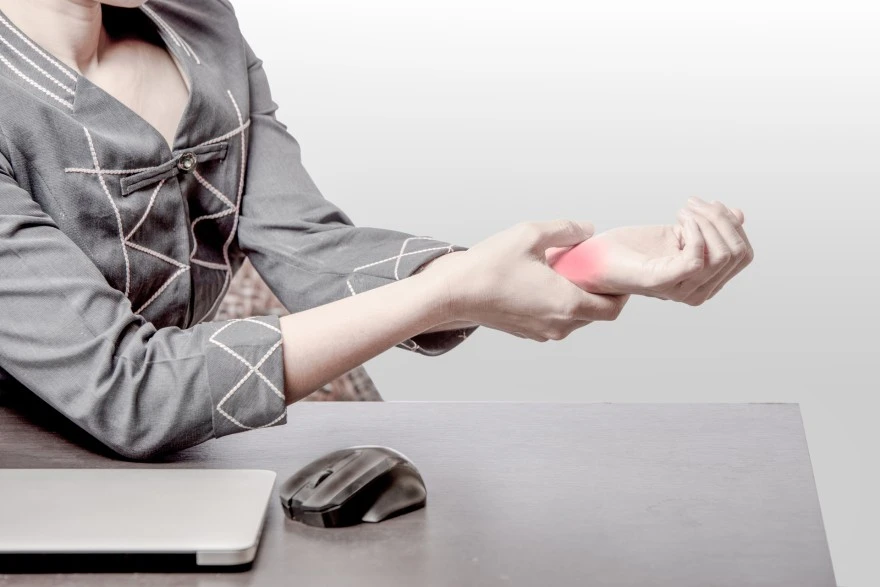
Table of Contents
- What is a Pinched Nerve?
- Causes of a Pinched Nerve
- Pinched Nerve Symptoms to be Aware Of
- Diagnostic Tests and Imaging Techniques for Pinched Nerve
- Treatment Options for Pinched Nerves
- Home Remedies for Pinched Nerve
- When to See a Doctor for a Pinched Nerve
- Can a Pinched Nerve Cause Permanent Damage?
- Pinched Nerve Treatment in Different Regions
- Conclusion
- FAQ
What is a Pinched Nerve?
A pinched nerve (also known as a compressed nerve) refers to irritation or compression of a peripheral nerve or nerve root. This condition interferes with the nerve’s ability to transmit signals efficiently between the brain and body.
Depending on the location and severity, the condition may cause mild discomfort or significant functional impairment.
Medically, a pinched nerve refers to neuropathy caused by mechanical compression — typically resulting from structural abnormalities such as herniated discs, bone spurs, or tissue swelling.
Causes of a Pinched Nerve
A pinched nerve can develop from several anatomical or lifestyle-related factors.
The most common causes include:
- Herniated or bulging disc: A disc displacement in the spine may compress the spinal nerves.
- Bone spurs (osteophytes): Bony growths due to arthritis can narrow nerve passageways.
- Spinal stenosis: A condition where the spinal canal narrows, exerting pressure on nerve roots.
- Repetitive movements: Occupational or athletic activities causing repetitive strain (e.g., typing, lifting).
- Obesity: Excess body weight increases mechanical pressure on nerve pathways.
- Injury or trauma: Accidents or falls may cause local swelling, which can compress nearby nerves.
- Prolonged poor posture: Sitting or sleeping in an awkward position for extended periods can lead to nerve compression.
- Spinal tumors: Rarely, abnormal growths within or near the spine can compress nearby nerves.
Pinched Nerve Symptoms to be Aware Of
Symptoms depend on the location and severity of compression, but typically include:
- Sharp or Radiating Pain: A sudden, shooting pain that may travel along the path of the affected nerve — often from the neck to the arm or from the lower back to the leg. It worsens with movement or strain.
- Tingling or ‘Pins and Needles’ Sensation: A prickling or burning feeling indicating altered nerve conduction. It is commonly felt in fingertips, toes, or other extremities.
- Numbness: Partial or complete loss of sensation in the region supplied by the compressed nerve, making it difficult to perceive touch or temperature changes.
- Muscle Weakness: The affected muscles may lose strength or coordination, resulting in difficulty lifting objects, gripping, or walking steadily.
- Burning or Shooting Pain: A deep, searing pain that radiates outward, typically aggravated by coughing, sneezing, or prolonged sitting.
- Reduced Reflexes: Reflex responses, such as the knee-jerk or biceps reflex, may diminish, indicating sustained nerve root compression.
- Localised Swelling or Stiffness: Mild swelling and restricted range of motion may occur around the compressed area due to inflammation or muscle guarding.
Persistent symptoms lasting more than a few days warrant medical evaluation.
Diagnostic Tests and Imaging Techniques for Pinched Nerve
A clinical evaluation is the first step, followed by imaging to identify the exact site and cause of compression.
Standard diagnostic tools include:
- Physical Examination: The doctor evaluates reflexes, strength, and sensory response to locate the affected nerve and assess severity.
- CT Scan: A CT scan provides detailed cross-sectional images of bones and joints, helping detect bone spurs, fractures, or spinal stenosis.
- MRI Scan: An MRI scan provides high-resolution images of soft tissues, discs, and nerves, allowing for the precise identification of the compression site and assessment of inflammation.
- Ultrasound: Useful for visualising superficial nerve entrapments in areas like the wrist, elbow, or shoulder, and for guiding targeted treatments.
- Blood and Spinal Fluid Tests: CSF-based investigations such as the Bacterial Meningitis Profile and Spinal Muscular Atrophy (SMA) gene deletion tests help rule out genetic or infectious causes of nerve dysfunction.
These tests help rule out conditions such as spinal stenosis, disc herniation, or spinal tumours.
Treatment Options for Pinched Nerves
Treatment depends on the severity of nerve compression and the underlying cause. Most cases respond well to non-surgical methods.
Physical Therapy for Pinched Nerve
Physical therapy helps relieve nerve pressure, improve posture, and restore mobility. A physiotherapist recommends targeted stretching, strengthening, and traction exercises to ease compression and enhance flexibility.
Consistent sessions combined with ergonomic training reduce pain, prevent recurrence, and support faster recovery.
Medications for Pinched Nerve
Medications help manage pain, inflammation, and nerve irritation caused by compression.
- NSAIDs (e.g., ibuprofen, naproxen): Reduce inflammation and relieve mild to moderate pain.
- Corticosteroids: Used short-term to decrease swelling around the nerve.
- Muscle Relaxants: Ease muscle spasms that worsen compression.
- Neuropathic Pain Relievers (e.g., gabapentin, pregabalin): Target nerve pain and burning sensations.
- Topical Analgesics: Creams or gels offering local pain relief at the affected site.
Surgery for Pinched Nerve
Surgery is considered when pain, numbness, or weakness persists despite conservative treatment. The goal is to remove the source of pressure and restore normal nerve function.
Procedures such as microdiscectomy, laminectomy, or foraminotomy relieve compression by removing herniated disc material or bone spurs. Performed under expert supervision, surgical decompression often provides lasting pain relief and helps prevent permanent nerve damage.
Home Remedies for Pinched Nerve
Mild cases of a pinched nerve can often be alleviated with simple home-based measures that reduce pressure and promote healing.
- Rest the affected area: Avoid repetitive activities or positions that worsen pain.
- Cold and heat therapy: Apply ice packs to reduce inflammation, followed by warm compresses to relax muscles.
- Gentle stretching: Light exercises or yoga improve flexibility and relieve nerve tension.
- Maintain good posture: Sitting and standing correctly reduces strain on the spine and nerves.
- Weight management: Maintaining a healthy weight helps minimise stress on spinal structures.
- Ergonomic support: Use supportive chairs, cushions, or wrist braces during long work hours.
If symptoms persist or worsen, consult a doctor for further evaluation and treatment.
When to See a Doctor for a Pinched Nerve
You should see a doctor if pain, tingling, or numbness lasts longer than a few days or interferes with daily activities. Persistent symptoms, muscle weakness, or loss of sensation may indicate significant nerve compression.
Seek immediate medical attention if you experience sudden, severe pain, difficulty walking, or loss of bladder or bowel control, as these could signal serious spinal nerve involvement requiring urgent treatment.
Can a Pinched Nerve Cause Permanent Damage?
Yes. If left untreated, prolonged compression can lead to permanent nerve damage, resulting in chronic pain, muscle weakness, or sensory loss.
According to research from the National Institutes of Health (NIH), even mild pressure — approximately 4.0 to 6.7 kPa — can impair blood flow to nerves and damage the myelin sheath, leading to pain, weakness, and long-term dysfunction.
Early diagnosis through imaging, such as an MRI or a CT scan, helps identify the cause and prevent irreversible changes. Prompt treatment and lifestyle adjustments usually ensure complete recovery without long-term complications.
Pinched Nerve Treatment in Different Regions
Treatment for a pinched nerve varies depending on the location of the compression and the structures affected.
- Neck (Cervical Spine): Often caused by disc herniation or poor posture. Treatment includes physiotherapy, traction, posture correction, and, in severe cases, cervical decompression surgery.
- Lower Back (Lumbar Spine/Sciatica): Commonly linked to spinal stenosis or herniated discs. Managed with pain medication, targeted stretching, and, if needed, surgical decompression.
- Wrist (Carpal Tunnel Syndrome): Compression of the median nerve from repetitive motion. Wrist splints, ergonomic adjustments, and corticosteroid injections are effective.
- Elbow (Ulnar Nerve Entrapment): Causes tingling and weakness in the forearm and hand. Treated with activity modification, bracing, and nerve-release surgery if severe.
Each case requires tailored management based on location, severity, and underlying cause to ensure full functional recovery.
Conclusion
A pinched nerve can significantly affect mobility and quality of life, but early detection and appropriate treatment prevent complications.
If you experience persistent pain, tingling, or muscle weakness, consult a healthcare specialist.
Metropolis Healthcare offers advanced diagnostic imaging, including CT Scans, MRIs, and Ultrasounds, across 10,000+ home collection touchpoints with accurate and fast reporting. Choose from 4,000+ tests and full-body health checkups, and book easily via our website, by phone, app, or WhatsApp for expert guidance and reliable results.
FAQ
How Do You Relieve a Pinched Nerve?
Mild cases improve with rest, anti-inflammatory medications, and physical therapy. Applying alternating cold and heat compresses can ease swelling and pain. Persistent symptoms should be evaluated with imaging, such as an MRI or a CT scan, for further management.
How Long Does it Take to Heal from a Pinched Nerve?
Recovery may take from a few days to several weeks, depending on severity and cause. Most patients recover fully within 4 to 6 weeks with conservative treatment. Chronic cases due to spinal stenosis or tumours may need advanced interventions.
Is Surgery Always Necessary for a Pinched Nerve?
No. Surgery is only considered when pain, weakness, or sensory loss persists despite non-surgical therapy or when imaging reveals severe compression. Most patients recover with medications, physical therapy, and lifestyle modifications.