Home Visit
 Upload






Preventive Healthcare
Pelvic Bone: Anatomy, Pain Causes & Common Injuries
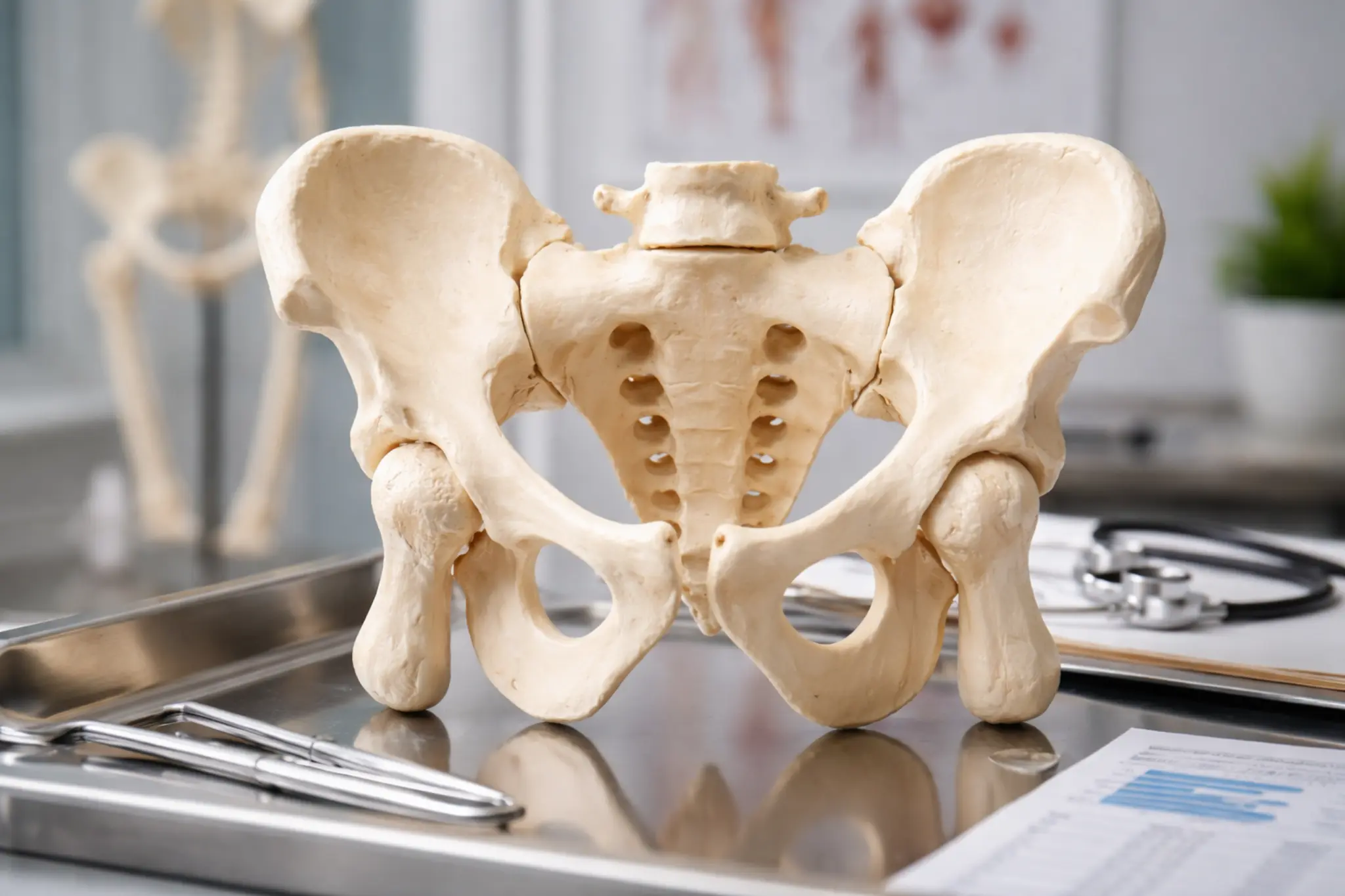
Table of Contents
- What Is The Pelvic Bone (Pelvis)?
- What Does The Pelvis Do?
- Pelvis Anatomy: Parts Of The Pelvis
- Male Vs Female Pelvis: Key Differences
- Pelvic Bone Pain: Common Causes
- Symptoms Of Pelvic Bone Problems
- Pelvic Bone Fracture And Other Injuries
- Pelvic Bone Pain During Pregnancy
- How Pelvic Bone Conditions Are Diagnosed
- Treatment Options For Pelvic Bone Pain And Injuries
- Recovery And Rehabilitation After Pelvic Bone Injury
- How To Prevent Pelvic Bone Injuries
- Pelvic Bone Health With Age
- When Should You See A Doctor For Pelvic Bone Pain?
- Conclusion
- FAQs
- References
Your pelvis is one of the most important structures in your body. It supports your upper body, connects your spine to your legs, and protects important organs in your lower abdomen. You may not think much about it until you develop pelvic bone pain, a fall, or discomfort during pregnancy.
Understanding the pelvis can help you recognise symptoms early and know when to seek medical advice. In this guide, you will learn about pelvis anatomy, the parts of the pelvis, common causes of pain, and the injuries and conditions that can affect this area.
What Is The Pelvic Bone (Pelvis)?
The pelvic bone, or pelvis, is a strong ring of bones at the base of your spine. It sits between your abdomen and your thighs. It forms the framework of your hips and helps join your upper body to your lower limbs.
The pelvis does more than provide structure. It carries body weight when you sit, stand, and walk. It also protects organs such as your bladder, lower bowel, and reproductive organs. In women, the pelvis also plays an important role during childbirth.
What Does The Pelvis Do?
Your pelvis has several important functions in everyday life.
First, it supports the weight of your upper body and helps transfer that weight to your legs. This is why the pelvis is essential for standing, walking, climbing stairs, and maintaining balance.
Second, it protects important organs in the pelvic region. These include parts of your urinary, digestive, and reproductive systems.
Third, the pelvis provides attachment points for strong muscles, ligaments, and tendons. These structures help with posture, core stability, and movement.
In women, the pelvis also helps form the birth canal. This is one reason why the female pelvis differs from the male pelvis.
Pelvis Anatomy: Parts Of The Pelvis
If you want to understand pelvis anatomy, it helps to first know the main parts of the pelvis and how they work together.
The Main Bones Of The Pelvis
The pelvis is made up of the following bones:
- Ilium: This is the broad, upper part of the hip bone. It forms the flared shape of your hips.
- Ischium: This is the lower and back part of the hip bone. It includes the “sit bones” that bear weight when you sit.
- Pubis: This is the front part of the hip bone. The right and left pubic bones meet in the middle at a joint called the pubic symphysis.
- Sacrum: This is a large, triangular bone at the base of your spine. It connects the spine to the pelvic bones.
- Coccyx: Also called the tailbone, this small bone lies just below the sacrum.
The ilium, ischium, and pubis fuse together on each side to form the hip bone. These bones meet at the acetabulum, which is the socket of the hip joint where the head of the thigh bone fits.
Key Structures In The Pelvis
Several structures are important in pelvic bone anatomy.
- Acetabulum: The cup-shaped socket that forms part of the hip joint.
- Pubic Symphysis: The joint at the front of the pelvis where the two pubic bones meet.
- Sacroiliac Joints: These joints connect the sacrum to the ilium on both sides.
- Pelvic Inlet And Pelvic Outlet: These are the upper and lower openings of the pelvis.
- Obturator Foramen: A large opening in each hip bone that allows nerves and blood vessels to pass through.
Muscles, Ligaments, And Pelvic Floor Support
Your pelvis is supported by many muscles and ligaments. These structures help you stay upright, move comfortably, and keep the pelvis stable.
The pelvic floor muscles form a sling-like support at the bottom of the pelvis. They help support the bladder, bowel, and reproductive organs. When these muscles become weak or uncoordinated, you may develop problems linked to Pelvic Floor Dysfunction, such as pain, pressure, or difficulty controlling bladder or bowel function.
Male Vs Female Pelvis: Key Differences
The male and female pelvis have the same basic parts, but they differ in shape and size.
Male Pelvis Anatomy
The male pelvis is usually narrower, taller, and heavier. The pelvic inlet is often smaller, and the pubic arch is narrower. This shape supports efficient movement and weight transfer during walking and running.
Female Pelvis Anatomy
The female pelvis is generally broader and shallower. The pelvic inlet and outlet are wider, and the pubic arch is more open. These features help the pelvis accommodate pregnancy and childbirth. This is why the term female pelvis is commonly used when discussing differences in pelvic shape and function.
Types Of Pelvic Shapes
Healthcare professionals have traditionally described four broad pelvic shapes:
- Gynecoid: Rounder and wider, often considered most favourable for vaginal birth.
- Android: More heart-shaped and narrower.
- Anthropoid: Oval-shaped and deeper.
- Platypelloid: Wide and shallow.
In real life, pelvic shape exists on a spectrum. Most people do not fit perfectly into only one type.
Pelvic Bone Pain: Common Causes
Pelvic bone pain can happen for many reasons. Sometimes the cause is related to the bones or joints. In other cases, the pain may come from nearby muscles, ligaments, nerves, or pelvic organs.
Bone And Joint Causes
Common bone and joint causes include:
- Pelvic bone injury after a fall or accident
- Overuse or repetitive strain
- Arthritis in the hip or sacroiliac joints
- Stress injuries from running or sports
- Age-related bone weakness
A pelvic bone fracture can cause sudden and severe pain, especially after trauma. In older adults, weaker bones may break even after a lower impact fall.
Infection And Inflammation
Infections and inflammatory conditions can also affect the pelvis, although they are less common.
Osteomyelitis is a bone infection that can affect pelvic bones and may cause deep pain, swelling, fever, and difficulty walking.
In some cases, bone Tuberculosis can involve the pelvis and cause long-standing pain, stiffness, and delayed diagnosis.
In women, Pelvic Inflammatory Disease affects the reproductive organs rather than the bone itself, but it can still cause lower pelvic pain and tenderness.
Other Medical Conditions That May Affect The Pelvis
Some other conditions may affect pelvic bones or surrounding tissues.
Paget's Disease can weaken and deform bones over time, including the pelvis, especially in older adults.
Hydatidosis is a rare parasitic disease that can affect bone in uncommon cases, including the pelvis.
These are not common causes of pain, but your doctor may consider them if symptoms are persistent, unusual, or not improving.
Symptoms Of Pelvic Bone Problems
Symptoms vary depending on the cause, but common signs include:
- Pelvic bone pain or groin pain
- Pain in the hips, buttocks, lower back, or pubic area
- Difficulty standing, walking, or climbing stairs
- Pain while sitting
- Swelling, bruising, or tenderness
- A limp or reduced movement
- Pain that worsens with weight-bearing
You should seek urgent care if you have severe pain after trauma, cannot bear weight, have numbness, heavy bleeding, fever, or trouble passing urine.
Pelvic Bone Fracture And Other Injuries
A pelvic injury can range from a mild strain to a serious fracture.
What Is A Pelvic Bone Fracture?
A pelvic bone fracture means one or more bones in the pelvis have broken. Some fractures are stable and heal with rest and support. Others are unstable and need emergency treatment, especially if major blood vessels or organs are also affected.
A pelvic bone fracture is more likely after a road traffic accident, a major fall, or a crush injury. In older adults with osteoporosis, even a simple fall can sometimes cause this injury.
Pelvic Bone Stress Fractures
Pelvic bone stress fractures happen when repeated strain causes a small crack in the bone. They are more common in runners, athletes, military trainees, and people with weak bones.
The pain usually develops gradually and becomes worse with activity. Rest may relieve symptoms at first, but the pain often returns when activity increases.
Common Signs Of A Pelvic Fracture
A pelvic fracture may cause:
- Sudden pelvic bone pain
- Pain in the groin, hip, buttock, or lower back
- Bruising or swelling
- Pain when walking or standing
- Difficulty moving the leg
- In severe cases, dizziness, faintness, or signs of internal bleeding
When A Pelvic Injury Needs Urgent Care
You should seek emergency medical care if pelvic pain follows a major injury, if you cannot stand, or if you have severe swelling, numbness, or signs of shock. Severe fractures can be life-threatening and need urgent treatment.
Pelvic Bone Pain During Pregnancy
Pelvic discomfort is common in pregnancy, but it should not be ignored if it affects your daily life.
Why Pelvic Bone Pain Happens During Pregnancy
Pelvic bone pain during pregnancy often happens because hormones relax the ligaments around the pelvis. This helps prepare your body for childbirth, but it can also make the joints less stable.
As your baby grows, the added weight and change in posture can increase pressure on the pelvic joints and muscles. You may feel pain at the front of the pelvis, in the lower back, buttocks, hips, or inner thighs.
Some women develop pregnancy-related pelvic girdle pain, which can make walking, turning in bed, climbing stairs, or standing on one leg uncomfortable.
When Pregnancy-Related Pelvic Pain May Need Evaluation
You should speak to your doctor if pelvic bone pain during pregnancy is severe, getting worse, affecting sleep, or making movement difficult. Early advice, support belts, posture changes, and physiotherapy often help.
How Pelvic Bone Conditions Are Diagnosed
A correct diagnosis is important because treatment depends on the cause.
Medical History And Physical Examination
Your doctor will ask where the pain is, how it started, what makes it worse, and whether you have had trauma, pregnancy, fever, weight loss, or other symptoms.
A physical examination may include checking tenderness, joint movement, gait, limb strength, and signs of swelling or nerve irritation.
Imaging And Diagnostic Tests
Your doctor may advise one or more tests depending on the suspected problem:
- X-ray: Often the first test for suspected fracture or arthritis.
- CT Scan: Helps show fractures in more detail and may be used after trauma.
- MRI: Useful for stress fractures, soft tissue injury, bone infection, or hidden fractures.
- Ultrasound: Sometimes used in pregnancy or to assess pelvic organs.
- Blood Tests: These may help detect infection, inflammation, or other underlying causes.
If infection is suspected, blood tests and imaging can help identify problems such as osteomyelitis. If the concern is long-term bone weakness, your doctor may also advise tests related to calcium, vitamin D, and overall bone health.
Treatment Options For Pelvic Bone Pain And Injuries
Treatment depends on the cause, severity, and your overall health.
Rest, Medicines, And Supportive Care
Mild injuries and overuse pain often improve with rest, activity modification, cold packs, and pain relief advised by your doctor. Supportive devices such as walking aids or pelvic belts may also help in selected cases.
Physiotherapy And Rehabilitation
Physiotherapy plays an important role in many pelvic conditions. It can help improve posture, strengthen the core and hip muscles, reduce stiffness, and support safe recovery after injury.
If you have pregnancy-related pelvic pain, guided exercises and movement advice can be especially helpful.
Treatment For Fractures, Infection, Or Severe Damage
Stable fractures may heal with rest, pain control, and gradual rehabilitation. Severe or unstable fractures may need hospital care and, in some cases, surgery.
If infection is the cause, treatment may include antibiotics and close monitoring. Other conditions, such as inflammatory disorders or metabolic bone disease, need targeted treatment based on the diagnosis.
Recovery And Rehabilitation After Pelvic Bone Injury
Recovery time depends on the type of injury. Minor strains may improve within days to weeks. Stable fractures may take several weeks to heal. More serious injuries can take much longer and may need structured rehabilitation.
During recovery, you may need support with walking, exercises to rebuild strength, and regular follow-up with your doctor. It is important not to rush back into activity too soon, especially after a pelvic bone fracture or stress injury.
How To Prevent Pelvic Bone Injuries
You cannot prevent every injury, but a few steps can lower your risk.
Stay active and build strength in your core, hips, and legs. Wear supportive footwear. Increase exercise intensity gradually. Maintain good posture and body mechanics during lifting and sport.
Bone health also matters. Adequate nutrition, calcium, vitamin D, and regular weight-bearing activity help keep bones strong. In older adults, simple steps such as fall prevention at home can reduce the risk of fracture.
Pelvic Bone Health With Age
Your pelvic bones and joints can change with age.
Pelvis And Osteoarthritis
Wear and tear in the joints around the pelvis can lead to stiffness, reduced movement, and chronic pain. Osteoarthritis may affect the hip joints or nearby structures and can make walking and daily activities harder over time.
How Ageing Affects Pelvic Strength And Mobility
As you age, bones may lose density and muscles may become weaker. This can increase the risk of falls, fractures, and slower recovery. That is why early assessment of persistent pelvic bone pain is important, especially in older adults.
When Should You See A Doctor For Pelvic Bone Pain?
You should see a doctor if pelvic pain lasts more than a few days, keeps returning, or interferes with walking, work, exercise, sleep, or pregnancy. You should also seek medical advice if you have fever, swelling, unexplained weight loss, pain after injury, or difficulty passing urine or stool.
Do not ignore persistent pelvic bone pain. Early diagnosis can help you get the right treatment and avoid complications.
Conclusion
Your pelvis is central to movement, balance, posture, and organ protection. When something affects it, whether that is strain, arthritis, pregnancy-related discomfort, or a pelvic bone fracture, even simple daily activities can become difficult.
The good news is that many pelvic conditions improve with the right diagnosis, treatment, and rehabilitation. If you have ongoing pelvic bone pain, it is best to get it assessed rather than wait for it to worsen.
If your doctor advises blood tests to check for infection, inflammation, or overall bone health, Metropolis Healthcare can support you with accurate diagnostic testing, expert pathology support, and convenient home sample collection. With access to 4,000 tests, full body checkups, and easy booking through the website, app, call, or WhatsApp, Metropolis helps make timely diagnosis simpler. You can also explore more expert-led health articles on Metropolis Healthcare to stay informed about your health.
FAQs
What Causes Pelvic Bone Pain?
Pelvic bone pain can be caused by injury, stress fractures, arthritis, sacroiliac joint problems, pregnancy-related changes, muscle strain, infection, or less common bone disorders.
How Can You Treat Pelvic Bone Injuries?
Treatment depends on the cause. It may include rest, pain relief, physiotherapy, walking support, antibiotics for infection, or surgery for severe fractures.
Can Pelvic Bone Pain Go Away On Its Own?
Mild strain or overuse pain may improve with rest, but pain that is severe, persistent, or linked to trauma should be checked by a doctor.
What Are The Symptoms Of Pelvic Fractures?
Symptoms can include sudden pain, swelling, bruising, difficulty standing or walking, pain in the groin or buttocks, and in severe cases dizziness or signs of internal bleeding.
What Tests Are Done For Pelvic Bone Injury?
Doctors may use a physical examination, X-ray, CT scan, MRI, ultrasound, and blood tests depending on the symptoms and suspected cause.
How Long Does It Take To Recover From A Pelvic Bone Injury?
Recovery can range from a few weeks for mild injuries to several months for more serious fractures. Recovery depends on the type of injury, your age, and your overall health.
Is Pelvic Bone Pain Common During Pregnancy?
Yes, it can be common. Hormonal changes and the extra strain of pregnancy can affect the pelvic joints and ligaments. You should still discuss it with your doctor if it affects movement or daily life.
What Is The Difference Between The Male And Female Pelvis?
The female pelvis is generally broader and shallower, with a wider inlet and outlet to support childbirth. The male pelvis is usually narrower and more compact.
References
- Chaudhry SR, Bordoni B. Anatomy, Abdomen and Pelvis, Pelvis. In: StatPearls [Internet]. Treasure Island (FL): StatPearls Publishing; 2025.
- Burgess MD, Lui F. Anatomy, Bony Pelvis and Lower Limb: Pelvic Bones. In: StatPearls [Internet]. Treasure Island (FL): StatPearls Publishing; 2023.
- American Academy of Orthopaedic Surgeons. Pelvic Fractures. OrthoInfo.
- Cleveland Clinic. Pelvis: What It Is, Where It Is, Types & Anatomy. Updated September 24, 2024.
- NHS. Pelvic Pain In Pregnancy.
- Momodu II, Savaliya V. Osteomyelitis. In: StatPearls [Internet]. Treasure Island (FL): StatPearls Publishing; 2023.
- NHS. Pelvic Inflammatory Disease.
- NHS. Paget's Disease Of Bone.
- Inayat F, Rashid K, Wahab A, et al. Pelvic Bone Hydatidosis: A Dangerous Crippling Disease. Cureus. 2019;11(6):e4861.
- Davis DD, Foris LA, Kane SM, et al. Pelvic Fracture. In: StatPearls [Internet]. Treasure Island (FL): StatPearls Publishing; 2024.