Home Visit
 Upload






Preventive Healthcare
Paralysis: Types, Causes & What Recovery Looks Like
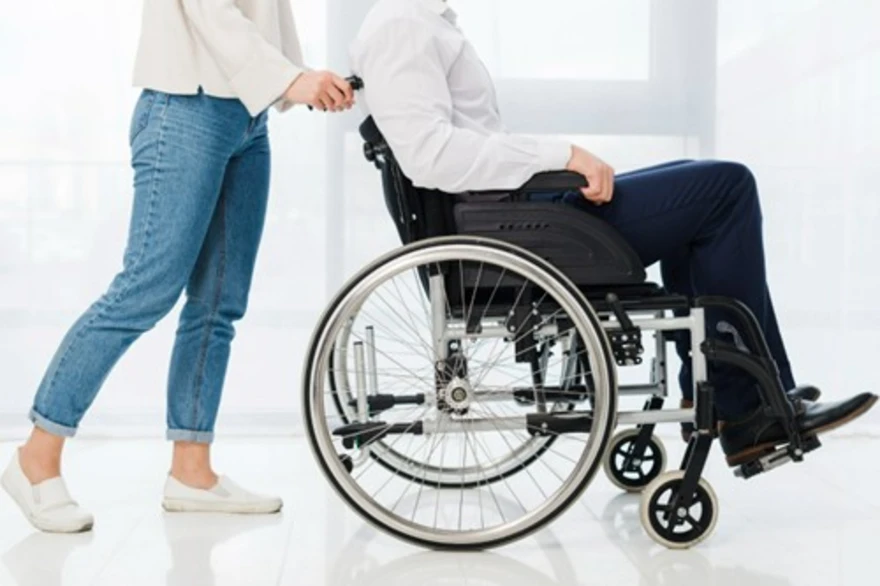
Table of Contents
- What is Paralysis?
- How Paralysis Affects the Body
- Types of Paralysis
- Common Causes of Paralysis
- Symptoms Associated with Paralysis
- How is Paralysis Diagnosed?
- Treatment Options for Paralysis
- Paralysis Recovery: What to Expect
- Tips for Living with Paralysis
- Complications Associated with Paralysis
- Preventing Certain Types of Paralysis
- Conclusion
- FAQs
- References
Paralysis is a life-altering condition that affects millions worldwide. Whether caused by stroke, injury, or disease, losing the ability to move can be frightening and challenging. However, understanding the types, causes, and treatment options can empower those affected to navigate their journey with knowledge and hope. In this article, we'll provide a comprehensive overview of paralysis, including symptoms, diagnosis, recovery expectations, and ways to manage the condition.
What is Paralysis?
Paralysis is the loss of muscle function in part of your body, often due to damaged nerves that relay signals between the brain and muscles. This can result in a partial or total inability to move the affected areas, and may also involve loss of feeling or sensation. Paralysis can occur suddenly, as with a stroke or spinal cord injury, or gradually, as seen in conditions like multiple sclerosis.
How Paralysis Affects the Body
Depending on the cause and extent of nerve damage, paralysis can affect a specific area, such as the face (as in Bell's palsy), or larger regions of the body, like the legs (paraplegia) or all four limbs (quadriplegia). In addition to mobility limitations, paralysis may impact:
- Breathing
- Swallowing and speaking
- Bladder and bowel control
- Circulation and skin integrity (risk of pressure sores)
Over time, paralysed muscles may become weak or stiff, and joint contractures can develop. People with paralysis are also more prone to complications like infections, blood clots, and respiratory issues. The emotional toll can be significant, with many experiencing depression, anxiety, and loss of independence.
Types of Paralysis
Paralysis is classified based on the area affected, duration, and severity of muscle weakness. Understanding these distinctions can help guide treatment and support.
By Affected Area
- Monoplegia: Impacts a single arm or leg.
- Hemiplegia: Affects the arm, leg, and sometimes face on one side of the body, often due to a stroke.
- Paraplegia: Involves both legs and potentially the lower trunk, usually from spinal cord damage below the neck.
- Quadriplegia (tetraplegia): Affects all four limbs and torso, typically due to cervical spinal cord injury.
By Duration or Onset
- Temporary: Some forms, like Bell's palsy, may resolve with time or treatment.
- Permanent: Resulting from conditions like severe stroke or spinal cord injury.
- Periodic: Intermittent episodes of paralysis, as seen in certain genetic disorders.
By Severity
- Partial (paresis): Some weak muscle movement remains.
- Complete: Total loss of voluntary movement.
- Flaccid: Muscles are limp and may waste away.
- Spastic: Muscles are tight and may spasm involuntarily.
Common Causes of Paralysis
Paralysis has diverse causes, ranging from injury and infection to chronic neurological diseases. Major causes include:
- Stroke: When blood flow to the brain is blocked or a vessel ruptures, resulting in hemiplegia.
- Bell's Palsy: According to a study published in the Annals of Indian Academy of Neurology, this is a common cause of facial paralysis due to inflammation of cranial nerve VII.
- Spinal cord injury: Damage from car crashes, falls, sports accidents, etc.
- Multiple sclerosis: Immune system attacks nerve fibres' protective coating.
- Cerebral palsy: Abnormal brain development or injury near the time of birth.
- Parkinson's disease: Progressive loss of dopamine-producing brain cells.
- Guillain-Barré syndrome: Autoimmune attack on peripheral nerves.
- Botulism: A bacterial toxin that interferes with nerve signalling to muscles.
- Spina bifida: Congenital spinal cord defect causing leg weakness or paralysis.
Symptoms Associated with Paralysis
Paralysis symptoms vary based on the underlying cause and nerves involved. Common signs include:
- Inability to consciously move the affected body part
- Muscle weakness, limpness, or rigidity
- Numbness or loss of sensation
- Pins-and-needles tingling
- Muscle spasms or twitches
- Difficulty with precise motions
- Pain or burning sensations
More severe cases may involve breathing problems, trouble swallowing or speaking, and loss of bladder/bowel control. Symptoms may appear suddenly, as with stroke or injury, or develop gradually, as in multiple sclerosis. Any sudden onset of paralysis symptoms requires immediate medical attention.
How is Paralysis Diagnosed?
If you experience paralysis symptoms, your doctor will review your medical history, conduct a physical exam, and perform neurological tests to evaluate your muscle strength, reflexes, and sensation. Additional diagnostic tools may include:
- CT or MRI scans to visualise the brain and spinal cord
- Electromyography (EMG) and nerve conduction studies to assess nerve and muscle function
- Myelography to identify spinal cord compression
- Blood tests to check for infections or autoimmune conditions
- Lumbar puncture to analyse cerebrospinal fluid for signs of inflammation or infection
A thorough evaluation can help pinpoint the cause and extent of paralysis, guiding an individualised treatment plan.
Treatment Options for Paralysis
While some causes of paralysis, like stroke, may be treatable, there is currently no cure for permanent paralysis. However, a variety of therapies and technologies can help people adapt, regain function, and enhance independence.
Rehabilitation Therapies
The cornerstone of paralysis treatment is rehabilitation, which may include:
- Physical therapy to maintain muscle tone, flexibility, and prevent contractures
- Occupational therapy to master adaptive techniques for daily living tasks
- Speech therapy for those with impaired swallowing or communication
- Psychological counselling to address emotional challenges and build coping skills
Medical & Surgical Treatments
Medications may be prescribed to manage complications like pain, muscle spasms, or urinary issues. In some cases, surgery can relieve nerve compression, stabilise the spine, or implant functional electrical stimulation systems to restore some motor function.
Assistive Devices & Technology
A range of tools can improve mobility and independence, such as:
- Wheelchairs, walkers, and orthotic braces
- Adapted utensils, writing aids, and computer interfaces
- Home modifications like ramps, grab bars, and stair lifts
- Advanced technologies like robotic exoskeletons and brain-computer interfaces
Paralysis Recovery: What to Expect
If you or your loved ones are living with paralysis, it’s important to know that recovery is a highly individual process and is unique from one person to another. It depends on factors like age, overall health, cause and severity of nerve damage, and intensity of rehabilitation. Some forms, like Bell’s palsy, often improve fully within weeks to months. In cases of permanent paralysis from a stroke or spinal cord injury, recovery may involve learning new ways to adapt. However, many people still find meaningful, active, and fulfilling lives beyond their diagnosis.
While full recovery may not always be possible, consistent therapy and the use of assistive devices can help you make the most of your abilities, prevent complications, and maintain your quality of life. Setting realistic goals, recognising and celebrating every bit of progress, and leaning on support networks can make the journey more manageable and help maintain a positive outlook along the way.
Tips for Living with Paralysis
- Prioritise safety with home modifications and fall prevention measures
- Follow a therapy regimen to optimise strength, flexibility, and function
- Use adaptive tools and technologies to simplify tasks and expand access
- Manage skin carefully to avoid pressure sores
- Pursue hobbies and social activities for fulfilment and connection
- Join support groups to share experiences and learn from others
- Advocate for accessibility and inclusion in your community
Complications Associated with Paralysis
People with paralysis face higher risks of secondary medical issues, including:
- Pressure ulcers from prolonged immobility
- Urinary tract infections and kidney problems
- Respiratory infections like pneumonia
- Deep vein thrombosis and pulmonary embolism
- Muscle atrophy and joint contractures
- Chronic pain syndromes
- Depression and anxiety
Close collaboration with a multidisciplinary medical team can help prevent and promptly treat these complications, promoting overall health and well-being.
Preventing Certain Types of Paralysis
Some causes of paralysis, such as stroke and spinal cord injuries, may be preventable through lifestyle changes and safety precautions. Steps to reduce your risk include:
- Control high blood pressure, cholesterol, and diabetes to lower stroke risk
- Avoid smoking and limit alcohol to maintain circulatory health
- Always wear a seatbelt and drive carefully
- Use proper protective gear and technique when playing sports
- Eliminate falling hazards at home, especially for seniors
- Stay up to date on vaccinations to prevent infections like polio
While not all paralysis can be avoided, these measures can substantially lower your odds.
Also Read: Brain Aneurysm: Symptoms, Treatment, and Preventative Measures
Conclusion
Paralysis is a complex condition with profound physical and emotional impacts. Whether caused by stroke, injury, or disease, it disrupts mobility, independence, and quality of life. However, with comprehensive medical care, targeted rehabilitation, and assistive technologies, many people with paralysis go on to lead active, meaningful lives.
Early and accurate diagnosis plays a crucial role in understanding the underlying causes of paralysis and guiding effective treatment. That’s where Metropolis Healthcare comes in, your trusted partner in precise and timely diagnostics. With a presence in over 750 towns across India, supported by 220+ laboratories, 4,600+ service centres, and 10,000+ touchpoints, we ensure reliable testing and convenient at-home sample collection. Our advanced labs and skilled professionals deliver results you can depend on, empowering you to take control of your recovery journey.
FAQs
Can paralysis be cured?
Some temporary forms of paralysis, like Bell's palsy, often resolve completely with time or treatment. However, permanent paralysis from stroke, spinal cord injury, or neurological disease currently has no cure. Promising research into nerve regeneration and brain-computer interfaces aims to restore function in the future.
What is the most common cause of sudden paralysis?
Strokes are the leading cause of sudden paralysis, particularly hemiplegia affecting one side of the body. Temporary paralysis may also result from nerve compression, as in carpal tunnel syndrome, or inflammation, as in multiple sclerosis flares.
How long does it take to recover from paralysis?
Recovery time varies widely depending on the cause and extent of nerve damage. Temporary paralysis often improves within days to months, while permanent forms require ongoing rehabilitation and support. Even in cases of complete paralysis, many people adapt and thrive with the aid of assistive technologies and a strong support system.
Is paralysis always permanent?
No, some types of paralysis, such as Bell's palsy, Guillain-Barré syndrome, and periodic paralysis, are temporary and may resolve partially or completely. Paralysis from progressive neurological diseases and severe stroke or spinal cord damage is more likely to be permanent.
Which doctor should I consult for paralysis?
If you experience sudden symptoms, seek emergency medical care to rule out a stroke or spinal cord injury. A neurologist can diagnose and treat paralysis from nerve disorders, while a physiatrist specialises in rehabilitation medicine, including physical and occupational therapy, orthotics, and assistive devices.
References
- https://www.ninds.nih.gov/health-information/disorders/paralysis
- https://www.nhs.uk/conditions/paralysis/
- https://www.christopherreeve.org/living-with-paralysis/health/causes-of-paralysis
- https://www.stroke.org.uk/what-is-stroke/what-are-the-symptoms-of-stroke/physical-effects-of-stroke
- https://www.mssociety.org.uk/about-ms/signs-and-symptoms/movement-and-coordination/weakness-and-paralysis
- https://pubmed.ncbi.nlm.nih.gov/32310553/
- https://pmc.ncbi.nlm.nih.gov/articles/PMC3152161/