Home Visit
 Upload






Preventive Healthcare
Bee Stings: Immediate First Aid, Allergic Reactions & Treatment
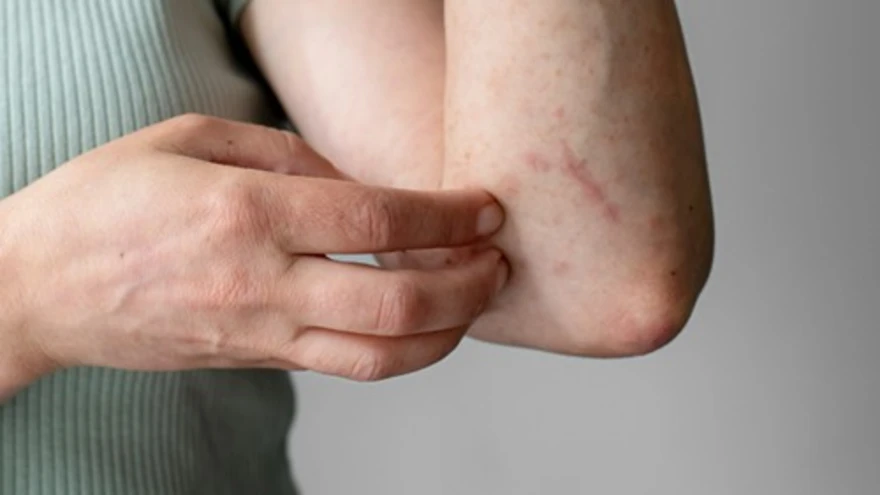
Table of Contents
- What is a Bee Sting?
- Types of Bees Sting
- What Happens When a Bee Stings?
- Immediate First Aid for Bee Stings
- What are the Symptoms of a Bee Sting?
- Allergic Reactions to Bee Stings
- Emergency Treatment for Severe Reactions
- Risk Factors of Bee Stings
- Complications of a Bee Sting
- Home Remedies to Relieve Mild Bee Sting Symptoms
- Bee Stings Diagnosis
- Tests for Allergic Reactions to Bee Stings
- Prevention Tips for Bee Stings
- When to Seek Medical Attention?
- Conclusion
- FAQs
- References
What is a Bee Sting?
A bee sting occurs when a bee punctures the skin with its stinger, injecting venom that can cause local or systemic reactions. The severity of the reaction depends on the individual's sensitivity to the venom. In most cases, especially with honeybees, the barbed stinger remains lodged in the skin, continuing to release venom until removed.
Types of Bees Sting
The most common types of bee stings come from:
- Honeybees: Worker honeybees have barbed stingers that often remain lodged in the skin after a sting and continue to release venom; the bee usually cannot withdraw the stinger and dies shortly afterwards.
- Bumblebees: They can sting multiple times but are typically less aggressive.
- Carpenter bees: Similar to bumblebees, they are less likely to sting unless provoked.
It's important to note that other stinging insects, such as wasps and hornets, are often confused with bees. However, their venom, stinger mechanism, and associated risks may differ.
What Happens When a Bee Stings?
When a bee stings, the following events occur:
- The stinger punctures the skin and releases venom.
- In the case of worker honeybees, the barbed stinger often remains embedded in the skin and the attached venom sac may continue to deliver venom for a short time; other stinging insects (wasps, hornets) usually do not leave a barbed stinger.
- The venom contains proteins that affect skin cells and the immune system, causing pain, swelling, and inflammation.
- The body's immune response causes most of the local symptoms, but in some individuals, it can trigger a systemic allergic reaction.
Immediate First Aid for Bee Stings
If you or someone around you is stung by a bee, follow these steps:
- Remove the stinger quickly by scraping it with a fingernail, credit card, or blunt edge. Avoid squeezing the stinger, as this can release more venom.
- Wash the affected area with soap and water to reduce the risk of infection.
- Apply a cold compress or ice pack to the sting site for 15-20 minutes per hour to reduce swelling and pain.
- Elevate the affected area, if possible, to minimise swelling.
- Take an oral antihistamine or apply a topical hydrocortisone cream to alleviate itching and swelling.
- Monitor for signs of a severe allergic reaction (anaphylaxis).
What are the Symptoms of a Bee Sting?
According to the Cleveland Clinic, the symptoms of a bee sting can vary depending on the severity of the reaction:
Mild local reaction (most common):
- Immediate, sharp burning pain at the sting site
- Redness, swelling, and a white spot at the center of the sting
- Itching and warmth
Moderate reaction:
- More pronounced swelling, redness, and discomfort that may increase over 1-2 days
Severe allergic reaction (anaphylaxis):
- Skin reactions beyond the sting site (hives, itching, flushed or pale skin)
- Swelling of the throat, face, lips, or tongue
- Difficulty breathing or wheezing
- Weak or rapid pulse
- Nausea, vomiting, diarrhea, dizziness, or fainting
Allergic Reactions to Bee Stings
An allergic reaction to a bee sting is the result of an overactive immune response to bee venom. Estimates vary by region and population, but about 1–5% of adults may experience a systemic allergic reaction to insect (Hymenoptera) stings, with a smaller fraction developing anaphylaxis. Previous severe reactions greatly increase the risk of future anaphylactic episodes.
Emergency Treatment for Severe Reactions
If someone experiences symptoms of anaphylaxis after a bee sting, take the following actions:
- Call emergency services immediately.
- Administer epinephrine using an auto-injector (e.g., EpiPen), if available.
- Keep the person lying down with their legs elevated, unless they're having trouble breathing.
- Begin CPR if there are no signs of breathing or circulation.
- Additional hospital treatments may include oxygen, intravenous antihistamines, steroids, or beta-agonists.
Risk Factors of Bee Stings
Certain factors can increase the risk of severe reactions to bee stings:
- Previous severe allergic reaction to bee stings
- Multiple stings, especially in children, as the toxic dose is lower by body weight
- Allergic diseases, such as asthma or other allergies
- Outdoor activities in rural or wooded areas
- Occupations such as beekeeping, landscaping, or gardening
Complications of a Bee Sting
While most bee stings resolve with proper first aid and treatment, some complications may occur:
- Anaphylaxis: This life-threatening allergic reaction can be fatal if left untreated.
- Infection: Although rare, an infection may develop if the sting site is not kept clean.
- Serum sickness: This delayed allergic reaction can cause joint pain, fever, and rash days after the sting.
- Venom toxicity: Large numbers of stings can cause systemic toxic effects. Toxic reactions are more likely with many stings — for example, roughly >10 stings/kg body weight (so a child may be affected by far fewer stings than an adult) or dozens to hundreds of stings in an adult — and can cause nausea, vomiting, diarrhoea, headache, seizures, or organ injury.
Home Remedies to Relieve Mild Bee Sting Symptoms
For mild bee sting symptoms, you can try the following home remedies:
- Apply an ice pack to reduce swelling and pain.
- Make a baking soda paste by mixing baking soda with water and apply it to the sting site.
- Use calamine lotion or hydrocortisone cream to alleviate itching.
- Take an oral antihistamine to help with itching and swelling.
- Avoid scratching the affected area to prevent infection.
Remember, these remedies are only suitable for mild symptoms. If you experience severe or worsening symptoms, seek medical attention immediately.
Bee Stings Diagnosis
Diagnosing a bee sting typically involves:
- Assessing the history of exposure and symptoms after the sting
- Conducting a physical examination of the sting site and monitoring for systemic reactions
Tests for Allergic Reactions to Bee Stings
For individuals suspected of having allergies to bee venom, an allergist may perform the following tests:
- Skin prick tests using purified bee venom
- Blood tests for venom-specific IgE (e.g., Apis mellifera venom-specific IgE) to detect sensitisation to bee venom.
These tests help confirm sensitisation and guide treatment decisions, such as venom immunotherapy.
Prevention Tips for Bee Stings
To reduce your risk of being stung by bees, follow these prevention tips:
- Avoid walking barefoot outdoors.
- Wear protective clothing when in areas with bees.
- Steer clear of wearing bright colors or floral prints.
- Avoid using heavily scented products, such as perfumes or lotions, when outdoors.
- Be cautious when eating or drinking outside, as bees may be attracted to sweet substances.
- If a bee approaches, move away slowly; do not swat at it.
- Keep windows and doors closed or properly screened to prevent bees from entering your home.
When to Seek Medical Attention?
Seek immediate medical help if you or someone else experiences:
- Signs of anaphylaxis, such as trouble breathing, widespread hives, swelling of the throat or face, dizziness, or fainting
- Multiple bee stings, especially in children or the elderly
- A sting in the mouth, nose, or throat, as these areas are prone to dangerous swelling
- Signs of infection, including increasing redness, warmth, pus, or fever
- Persistent or worsening symptoms despite basic first aid measures
Conclusion
Being well-informed about bee stings, their symptoms, treatment options, risk factors, and prevention strategies is crucial for ensuring your safety and well-being. By understanding the proper first aid measures, recognising the signs of severe allergic reactions, and seeking prompt medical attention when necessary, you can effectively manage bee sting incidents and minimise the risk of complications.
At Metropolis Healthcare, we understand that bee stings can cause anything from mild discomfort to serious allergic reactions — and quick diagnosis can make all the difference. With our extensive network of 220+ laboratories, 4600+ service centres, and 10,000+ touchpoints across 750 towns in India, we ensure prompt and reliable testing. Our expert technicians and modern labs provide trusted skin allergy test and immune response reports, helping you take the right steps for treatment and recovery. If you suspect that you or a loved one may have a bee sting allergy, consider reaching out to Metropolis Healthcare for expert guidance and diagnostic services. Together, we can work towards keeping you and your family safe and healthy.
FAQs
What should I do immediately after a bee sting?
Remove the stinger promptly, wash the area with soap and water, apply ice, and monitor for any severe reactions.
Can bee stings cause anaphylaxis?
Yes, bee stings can cause anaphylaxis, a life-threatening allergic reaction, particularly in people who are sensitized or have had previous severe reactions.
How can I prevent bee stings?
To prevent bee stings, take precautions when outdoors, such as avoiding perfumes and bright clothing, wearing shoes, and never disturbing beehives.
Are home remedies effective for bee stings?
Home remedies can help relieve mild bee sting symptoms but should not be used as a substitute for medical care if severe symptoms develop.
Can multiple bee stings be dangerous?
Yes, multiple bee stings can be toxic and even life-threatening, especially for children.
References
- https://www.mayoclinic.org/diseases-conditions/bee-stings/symptoms-causes/syc-20353869
- https://my.clevelandclinic.org/health/diseases/25093-bee-sting
- https://www.healthline.com/nutrition/bee-venom
- https://www.webmd.com/first-aid/bee-and-wasp-stings-treatment
- https://www.medicalnewstoday.com/articles/322075