Home Visit
 Upload






Preventive Healthcare
Lumpectomy Surgery: Procedure, Recovery & What to Expect
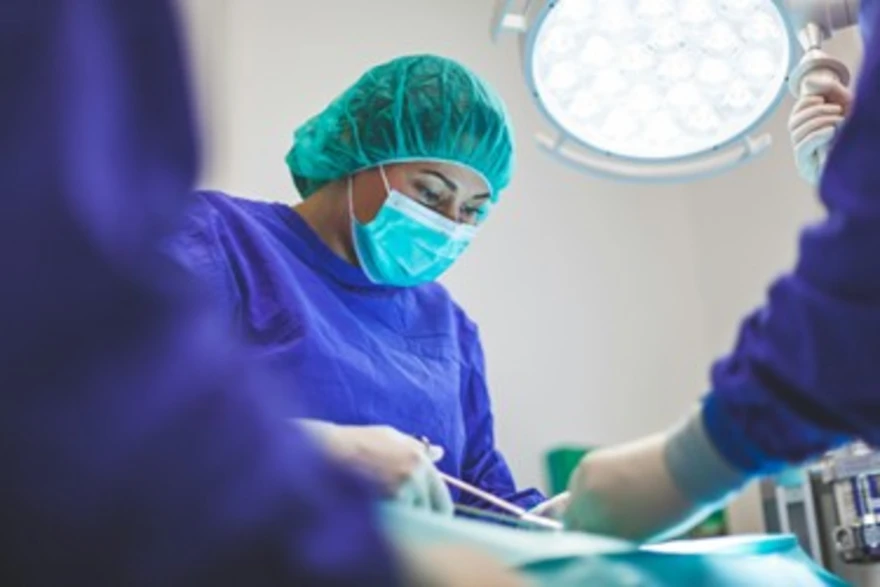
Table of Contents
- What is a Lumpectomy?
- Who is a Candidate for Lumpectomy?
- Preparing for Lumpectomy Surgery
- How Lumpectomy is Performed
- Lumpectomy vs. Mastectomy
- Preoperative Tests for Lumpectomy
- Risks and Complications
- Recovery After Lumpectomy
- What to Expect During Recovery
- Follow-Up Care and Radiation Therapy
- Lifestyle and Emotional Support
- Conclusion
- FAQs
What is a Lumpectomy?
A lumpectomy is a breast-conserving surgical procedure that removes a breast tumour (cancerous or suspicious lesion) along with a margin of surrounding normal tissue, while preserving most of the breast. It is also known as breast-conserving surgery, wide local excision, or partial mastectomy.
A lumpectomy is typically recommended for early-stage breast cancer (stage I or II), where the tumour is small, localised, and can be completely removed with clear margins. Unlike a mastectomy—which removes the entire breast—a lumpectomy focuses on eliminating the cancer while maintaining the breast’s natural shape and appearance.
The lumpectomy purpose is twofold: to ensure complete tumour removal and to confirm, through pathology, that no cancer cells remain at the margins (edges) of the excised tissue.
Who is a Candidate for Lumpectomy?
A lumpectomy may be suitable for individuals who meet the following clinical and personal criteria:
- Single, small, well-defined tumour: The tumour is localised to one specific area of the breast and easily removable without extensive tissue loss.
- Early-stage breast cancer (stage I or II): Cancer confined to the breast, with or without minimal spread to nearby lymph nodes, is usually suitable for breast-conserving surgery when clear margins are achievable.
- Desire to preserve breast appearance: Patients preferring to retain natural breast shape and avoid the psychological impact of full breast removal choose lumpectomy.
- Eligibility for post-surgery radiation therapy: Patients must be able to undergo adjuvant radiation therapy, which is essential to reduce the risk of local recurrence after lumpectomy.
- No prior radiation to the breast: Previous breast or chest wall radiation limits eligibility for lumpectomy, as re-irradiation significantly increases complication risks.
- Absence of multiple tumours or diffuse calcifications: Lumpectomy is ideal when the cancerous growth is not spread across multiple quadrants or showing extensive microcalcifications.
- Favourable breast-to-tumour size ratio: There should be enough healthy breast tissue remaining post-surgery to maintain symmetry and achieve good cosmetic outcomes.
Preparing for Lumpectomy Surgery
Preparation for lumpectomy surgery involves several important steps to ensure patient safety, surgical precision, and effective treatment outcomes:
- Preoperative evaluation: Comprehensive imaging, including mammogram, ultrasound, or MRI, helps accurately locate, measure, and map the tumour before surgical removal.
- Medical history and lab work: Routine tests such as blood work, ECG, and anaesthesia fitness assessment identify any underlying health issues before surgery.
- Medication review: Patients may need to temporarily stop blood thinners, aspirin, or certain supplements that can increase surgical bleeding risk.
- Fasting instructions: Patients must avoid food and liquids for at least eight hours before surgery to prevent anaesthetic complications during the procedure.
- Localisation marking: For small or deep-seated tumours, radiologists place a wire, radioactive seed, or marker to guide precise tumour excision.
- Consent and counselling: The surgeon discusses the lumpectomy procedure, explains potential risks, postoperative care, and ensures the patient’s informed consent and psychological readiness.
How Lumpectomy is Performed
The lumpectomy procedure is carried out under general anaesthesia and typically takes 1–2 hours, depending on tumour size and complexity.
- Incision and tumour removal: The surgeon makes a precise incision over the tumour site and removes the lump along with a small margin of normal tissue to ensure complete excision.
- Sentinel lymph node biopsy: A dye and/or radioactive tracer is injected near the tumour to locate and remove the first draining (sentinel) lymph nodes, which are tested for microscopic cancer spread.
- Tissue marking: The removed tissue is carefully marked with sutures or ink for orientation and sent to the pathology lab to examine tumour margins under a microscope.
- Closure: After ensuring no active bleeding, the incision is closed with dissolvable sutures or surgical glue, followed by a sterile dressing to protect the wound.
- Recovery: Patients are moved to the recovery room for observation of vitals and pain management, and most are discharged home the same day after stable recovery.
Lumpectomy vs. Mastectomy
|
Aspect |
Lumpectomy |
Mastectomy |
|
Extent of Surgery |
Removes only the tumour and the margin of tissue |
Removes the entire breast |
|
Breast Preservation |
Preserved |
Not preserved |
|
Hospital Stay |
Usually outpatient or 1 day |
1–2 days |
|
Radiation Requirement |
Generally required post-surgery unless contraindicated (e.g., very low-risk elderly patients or those unable to tolerate radiation) |
Sometimes optional |
|
Recovery Time |
2–4 weeks |
4–8 weeks |
|
Cosmetic Outcome |
Better breast symmetry |
Reconstruction may be required |
|
Recurrence Risk |
Slightly higher (controlled with radiation) |
Lower |
While both procedures are effective, lumpectomy vs mastectomy decisions depend on tumour size, location, personal preference, and medical advice.
Preoperative Tests for Lumpectomy
Before undergoing the lumpectomy surgery, several diagnostic and laboratory tests are conducted to assess the tumour’s characteristics and ensure surgical safety:
- Mammogram or breast ultrasound: These imaging tests help visualise the tumour’s exact location, size, and shape, assisting in precise surgical planning.
- Breast MRI (for tumour mapping): Provides detailed images of breast tissues, detecting additional lesions or abnormalities not visible on mammogram or ultrasound.
- Core needle biopsy (preferred) or fine needle aspiration cytology (FNAC): Confirms whether the lump is malignant and determines the tumour’s histologic type and grade.
- Complete blood count (CBC): Evaluates red and white blood cell levels and platelet count to ensure the patient’s overall health and readiness for surgery.
- Liver and kidney function tests: Determine the body’s ability to process anaesthetic drugs and recover effectively after the surgical procedure.
- Electrocardiogram (ECG): Monitors heart rhythm and function, ensuring the patient can safely undergo anaesthesia during lumpectomy surgery.
- Chest X-ray: Evaluates lung condition and is sometimes used as part of preoperative assessment; however, metastatic evaluation typically involves advanced imaging such as CT or PET-CT if indicated.
Risks and Complications
Although lumpectomy surgery is generally safe and effective, certain risks and complications may occur during or after the procedure:
- Bleeding or haematoma formation: Minor bleeding may occur under the skin, leading to clot formation or bruising that usually resolves with time.
- Infection at the incision site: Bacterial infection can develop if the wound isn’t kept clean; antibiotics are prescribed to prevent or treat such cases.
- Temporary breast swelling or pain: Mild swelling, soreness, or tenderness is common after surgery and typically subsides with rest and pain medication.
- Seroma (fluid accumulation): Fluid may collect under the incision area, sometimes requiring drainage for comfort and proper healing.
- Numbness or skin sensitivity changes: Temporary numbness or tingling may occur due to nerve irritation during surgery, but often improves over weeks.
- Scarring or asymmetry: A visible scar or minor change in breast shape may result, depending on tumour size and surgical site.
- Need for re-excision if margins are not clear: If cancer cells are found at or close to the surgical margins (positive or close margins), additional surgery may be required to achieve clear margins.
Recovery After Lumpectomy
Lumpectomy recovery generally takes 2–4 weeks, varying based on the extent of surgery, individual healing rate, and any additional treatments required.
During the first few days, patients may experience mild discomfort, bruising, or tightness around the incision site. These symptoms are normal and can be effectively managed with prescribed pain medication, ice packs, and adequate rest.
Most patients can resume light daily activities within 3–5 days, though it’s crucial to avoid heavy lifting, strenuous exercise, or sudden arm movements until the surgeon provides clearance.
Wearing a well-fitted, supportive bra continuously helps minimise swelling and provides comfort during recovery. Maintaining proper wound hygiene, following dressing change instructions, and attending scheduled follow-up visits support faster and infection-free healing.
Overall, with careful self-care and adherence to medical advice, most individuals recover smoothly and regain full activity levels within a few weeks.
What to Expect During Recovery
During lumpectomy recovery, patients can expect several normal post-surgical experiences that support healing and comfort:
- Drainage tube: A small drainage tube may be temporarily placed near the incision site to remove fluid buildup and reduce swelling after surgery.
- Follow-up visits: Regular postoperative appointments are scheduled for dressing changes, suture removal (if non-dissolvable), and monitoring the wound for proper healing.
- Pain management: Mild to moderate pain or discomfort is common and managed with prescribed oral analgesics or over-the-counter pain relief medications.
- Limited arm movement: Temporary stiffness, tightness, or weakness in the arm or shoulder on the operated side may occur and improve with gentle exercises.
- Return to normal activity: Most patients can gradually resume routine household and office work within 1–2 weeks, depending on individual recovery progress and medical advice.
Follow-Up Care and Radiation Therapy
After lumpectomy surgery, most patients receive radiation therapy as part of their breast-conserving treatment plan. This step is essential to eliminate any remaining microscopic cancer cells and reduce the likelihood of recurrence in the operated breast.
Radiation therapy usually begins 3–6 weeks after surgery once healing is complete, and continues for 3–6 weeks depending on fractionation and treatment type. Common approaches include whole-breast irradiation or accelerated partial-breast irradiation (APBI), chosen based on tumour size, margin status, age, and risk profile.
Follow-up care plays a crucial role in long-term recovery and monitoring. Regular appointments allow oncologists and surgeons to assess healing, manage side effects, and detect any signs of recurrence early.
These visits generally include:
- Review of pathology report: Confirms complete tumour removal and evaluates cancer type, grade, and margins.
- Regular breast imaging: Annual or biannual mammograms or ultrasounds help monitor both the treated and unaffected breast.
- Clinical examinations: Conducted every 6–12 months for the first 5 years, then annually, focusing on both breasts, lymph nodes, and overall health.
Lifestyle and Emotional Support
Recovery after a lumpectomy extends far beyond surgical healing—it also involves emotional resilience and healthy lifestyle adjustments to promote long-term wellness.
- Nutrition: A balanced diet rich in lean proteins, antioxidants, fruits, vegetables, and whole grains strengthens the immune system and supports faster tissue repair post-surgery.
- Exercise: Gentle physical activity, such as stretching, yoga, or walking, once approved by the doctor, improves circulation, flexibility, and overall mood during recovery.
- Emotional support: Counselling sessions or participation in breast cancer support groups provide a safe space to share experiences, manage anxiety, and rebuild confidence.
- Body image care: Some patients experience emotional distress due to breast asymmetry; discussing reconstruction or oncoplastic surgery options can help restore self-esteem and comfort.
- Regular check-ups: Continued medical follow-up through annual breast screenings and clinical examinations ensures early detection of any recurrence and helps maintain long-term health.
Conclusion
A lumpectomy is an effective and less invasive option for early-stage breast cancer, allowing tumour removal while preserving breast integrity. With proper preoperative planning, skilled surgical care, and diligent follow-up, including radiation therapy, survival rates are comparable to those after mastectomy.
For accurate diagnosis, preoperative tests, and ongoing monitoring, Metropolis Healthcare offers over 4000 tests, including breast cancer markers and imaging support, with home sample collection, quick turnaround times, and trusted accuracy.
Early detection and informed decisions remain the foundation of successful lumpectomy recovery and long-term wellness.
FAQs
How long does a lumpectomy surgery take?
A typical lumpectomy surgery takes about 1–2 hours, including preparation and anaesthesia. If a lymph node biopsy is added, the procedure may take slightly longer.
What does a breast look like after a lumpectomy?
Post-surgery, there may be minor scarring or indentation, depending on tumour size and breast volume. Over time, swelling subsides, and the breast’s natural contour largely returns.
Is a lumpectomy painful?
Some soreness and discomfort are normal after surgery, but pain is generally mild and managed effectively with prescribed medications.
Do I always need radiation after a lumpectomy?
Yes. Radiation therapy is a key component of breast-conserving treatment, reducing recurrence risk and improving long-term survival outcomes.
How soon can I return to work after a lumpectomy?
Most patients return to work within one to two weeks, depending on job demands and individual recovery pace.
References:
https://www.breastcancer.org/treatment/surgery/mastectomy-vs-lumpectomy?
https://www.mayoclinic.org/tests-procedures/lumpectomy/about/pac-20394650
https://my.clevelandclinic.org/health/procedures/12962-lumpectomy
https://www.breastcancer.org/treatment/surgery/lumpectomy
https://www.cancer.gov/publications/dictionaries/cancer-terms/def/lumpectomy