Home Visit
 Upload






Preventive Healthcare
Liver Transplant: Procedure, Recovery, And What You Need To Know
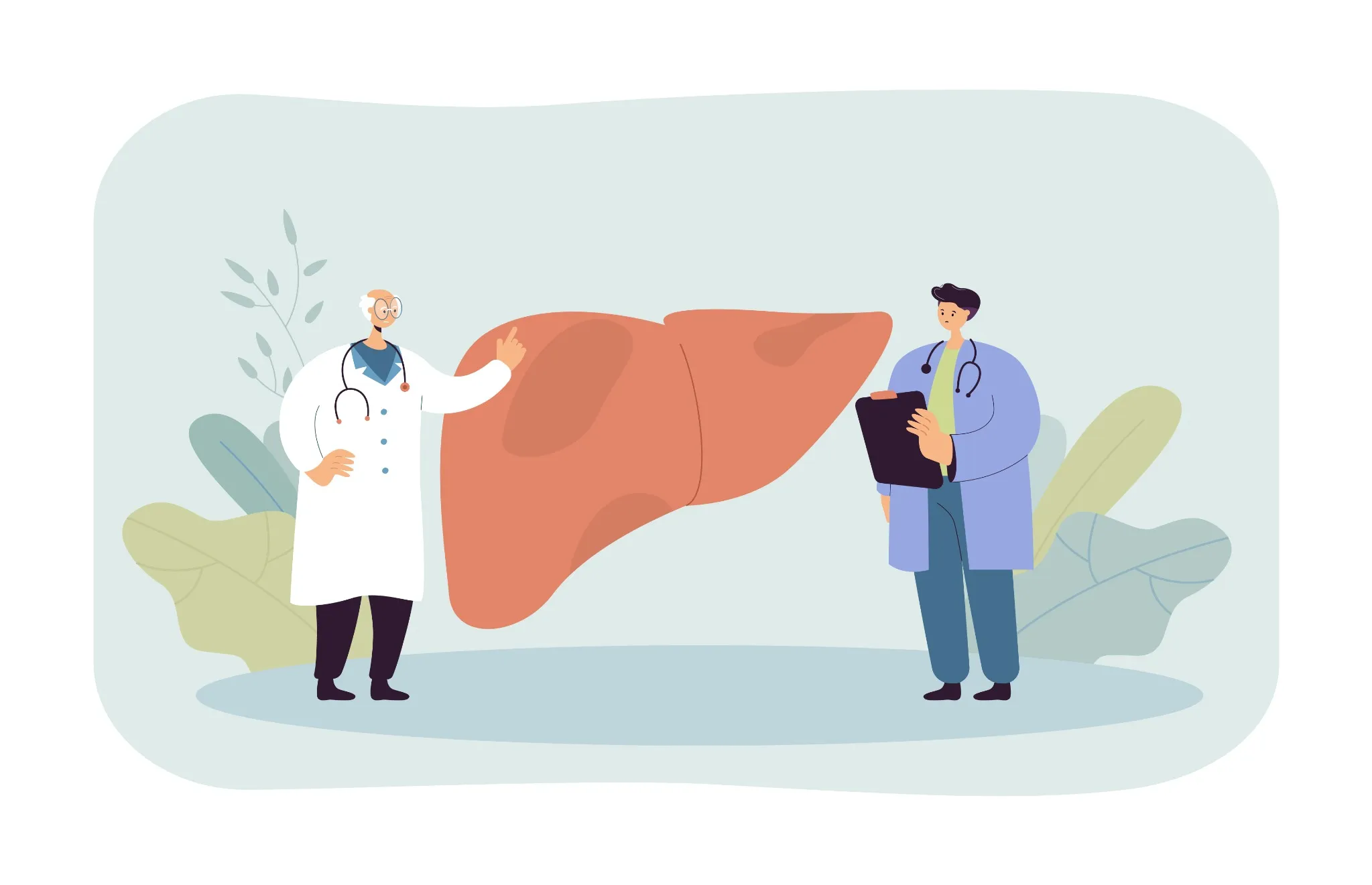
Table of Contents
- What Is a Liver Transplant?
- Who Needs a Liver Transplant?
- Signs You May Need a Liver Transplant
- How Doctors Evaluate You for a Liver Transplant
- Types of Liver Transplant
- The Liver Transplant Procedure: Step-by-Step
- Preparing for a Liver Transplant
- Tests Done During Liver Transplant
- Risks & Complications of a Liver Transplant
- What to Expect After a Liver Transplant
- Liver Transplant Recovery Timeline
- Anti-Rejection Medications (Immunosuppressants)
- Liver Transplant Survival Rates & Success
- Life Expectancy After Liver Transplant
- Living With a Transplanted Liver
- When to Call Your Doctor
- Conclusion
- FAQs
- References
What Is a Liver Transplant?
A liver transplant is a major surgical procedure where surgeons remove a diseased or failing liver and replace it with a healthy liver from either a deceased or living donor. The liver's remarkable ability to regenerate makes this procedure possible, as both the donor's remaining liver tissue and the transplanted portion can grow to full size over time.
This complex operation typically takes between 6 and 12 hours and requires a highly skilled transplant team, including surgeons, anaesthesiologists, nurses, and coordinators. The liver transplant procedure has evolved significantly over the past decades, with improved surgical techniques and postoperative care leading to better outcomes.
Unlike some other organ transplants, liver transplant surgery can utilise partial liver grafts from living donors, making it possible to help more patients while the donor maintains normal liver function. This flexibility has revolutionized treatment options for people with severe liver conditions.
Who Needs a Liver Transplant?
Several serious conditions may necessitate a liver transplant when other treatments have failed to halt disease progression. Advanced liver cirrhosis and decompensated liver disease have a high risk of mortality. Modern liver transplantation is a proven, life-saving intervention that can significantly improve long-term outcomes, with current evidence showing excellent survival rates and the potential to extend lifespan by many years (StatPearls, 2025).
Liver transplant criteria may include:
• Chronic liver diseases leading to cirrhosis and liver failure.
• Acute liver failure from drug toxicity, viral infections, or autoimmune conditions.
• Primary liver cancers such as hepatocellular carcinoma within specific size and number criteria.
• Genetic disorders affecting liver metabolism and function.
• Biliary diseases causing progressive liver damage.
• pediatric conditions such as biliary atresia in children.
Conditions Leading to Liver Failure
Understanding the underlying causes of liver failure helps explain why a liver transplant becomes necessary:
• Viral hepatitis B and C cause chronic inflammation and scarring.
• Non-alcoholic fatty liver disease (NAFLD) and non-alcoholic steatohepatitis (NASH).
• Alcohol-related liver disease from prolonged excessive consumption.
• Autoimmune hepatitis, where the immune system attacks liver cells.
• Primary biliary cholangitis and primary sclerosing cholangitis affect the bile ducts.
• Genetic conditions like Wilson's disease, haemochromatosis, and alpha-1 antitrypsin deficiency.
• Drug-induced liver injury from medications or toxins.
Signs You May Need a Liver Transplant
Recognising the warning signs of advanced liver disease helps ensure timely medical evaluation. These can be:
• Jaundice with yellowing of the skin and eyes.
• Severe fatigue and weakness affecting work and personal life.
• Abdominal swelling (ascites) causing discomfort and breathing difficulties.
• Recurrent bleeding from enlarged blood vessels in the digestive tract.
• Mental confusion or personality changes (hepatic encephalopathy).
• Persistent nausea and loss of appetite leading to weight loss.
• Frequent infections due to compromised immune function.
• Intense itching and changes in urine and stool colour.
How Doctors Evaluate You for a Liver Transplant
The liver transplant evaluation process follows a systematic approach to ensure you're a suitable candidate:
- Initial referral and consultation: With your doctor and the transplant team to review your medical history and current condition.
- Comprehensive medical testing: Including blood work, imaging studies, and heart and lung function tests.
- Cancer screening: To rule out malignancies that might affect transplant success.
- Psychosocial evaluation: Assessing mental health, support systems, and ability to follow complex treatment regimens.
- Financial and insurance review: To ensure coverage for surgery and long-term care.
- Multidisciplinary team meeting: Specialists review all data to determine transplant candidacy.
- Placement on waiting list: If approved, with assignment of priority score (MELD score) based on medical urgency.
MELD Score Explained
|
Aspect |
Details |
|
Full Form |
Model for End-Stage Liver Disease |
|
Purpose |
Predicts 90-day mortality without transplant |
|
Score Range |
6 (less urgent) to 40 (most urgent) |
|
Key Components |
Bilirubin, INR, and creatinine levels |
|
Update Frequency |
Every 7-90 days based on lab results |
|
Priority System |
Higher scores receive higher transplant priority. |
Types of Liver Transplant
Several approaches to liver transplant surgery accommodate different patient needs and donor availability:
• Deceased donor transplant: Using a whole liver from someone who has died.
• Living donor transplant: Utilising a portion of the liver from a healthy living person.
• Split liver transplant: Dividing one deceased donor liver between two recipients.
• Auxiliary liver transplant: Placing a new liver alongside the existing one (rarely performed).
The Liver Transplant Procedure: Step-by-Step
Understanding what happens during liver transplant surgery helps reduce anxiety about the procedure:
- Pre-operative preparation: Including anaesthesia administration and surgical site preparation.
- Recipient hepatectomy: Surgeons carefully remove the diseased liver while preserving important blood vessels and bile ducts.
- Donor liver preparation: Involves careful inspection and preparation of the donor organ.
- Liver implantation: Connects blood vessels and bile ducts to establish normal circulation and drainage.
- Testing function: Ensuring the new liver demonstrates adequate blood flow and bile production.
- Closure: Completing the surgical procedure and transferring you to intensive care.
Preparing for a Liver Transplant
Optimal preparation significantly impacts your liver transplant success rate and recovery experience:
• Maintain fitness through appropriate exercise and nutrition counselling.
• Complete vaccinations to prevent post-transplant infections.
• Address dental issues to eliminate potential sources of infection.
• Stop smoking and drinking alcohol completely as required by all transplant programmes.
• Organise support systems, including family assistance and transportation.
• Understand medications you'll need after surgery.
• Prepare your home for the recovery period needs.
Tests Done During Liver Transplant
Various diagnostic tests monitor your condition throughout the transplant process:
- Liver function - LFT (Maxi): Checks overall liver health and damage.
- Kidney function - RFT (Maxi & Super Maxi): Checks kidney filtration, waste removal, and electrolytes.
- Blood & clotting
- CBC Haemogram: Measures blood counts and infection markers.
- DIC Profile: Assesses blood clotting and bleeding risk.
- Hepatitis B
- HBsAg tests (Screening/Quant/Confirmation) + Anti-HBs + HBV Chronic Profile: Detects HBV infection and immunity status.
- Hepatitis C
- HCV antibodies (Total/IgM) + H3 Viral Marker Profile: Screens for HCV and other viral infections.
- HCV RNA PCR (Qualitative/Quantitative): Confirms active virus and viral load.
- HCV Genotyping / Genofibro Profile: Identifies HCV type and liver fibrosis stage.
- Tumour marker - AFP (Alpha-Fetoprotein), Serum: Helps detect liver cancer (HCC) in high-risk patients.
Risks & Complications of a Liver Transplant
Like any major surgery, a liver transplant carries certain potential risks, which may include:
• Surgical complications, including bleeding, infection, and blood clots.
• Organ rejection, where your immune system attacks the new liver.
• Medication side effects from immunosuppressive drugs.
• Increased infection risk due to a suppressed immune system.
• Cardiovascular complications affecting the heart and blood vessels.
• Kidney problems potentially requiring additional treatment.
• Cancer development, particularly skin cancers and lymphomas.
• Bile duct complications affecting drainage from the liver.
What to Expect After a Liver Transplant
Your immediate post-operative period begins in the intensive care unit, where medical staff monitor your vital signs, liver function, and overall recovery progress. Most patients remain hospitalised for 1–2 weeks, depending on their healing progress and absence of complications.
Initial recovery involves a gradual return to normal activities while your body adjusts to the new liver and immunosuppressive medications. You'll experience regular follow-up appointments to monitor liver function and adjust medications as needed. The transplanted liver typically begins functioning immediately, though complete healing and integration take several months.
Your healthcare team provides comprehensive discharge planning, including medication schedules, dietary guidelines, activity restrictions, and warning signs requiring immediate medical attention.
Liver Transplant Recovery Timeline
Recovery from liver transplant surgery follows a predictable pattern, though individual experiences vary based on overall health, age, and complications. The first month focuses on wound healing and medication adjustment, with most patients returning home within 2–3 weeks.
Months 2-6 involve gradually increasing activity levels while maintaining vigilant monitoring for rejection or infection. By six months, many patients resume normal daily activities, including work, though some restrictions on heavy lifting and contact sports remain.
Long-term recovery extends throughout the first year and beyond, with ongoing medical surveillance and medication management becoming routine parts of life. Most successful liver transplant recipients enjoy an excellent quality of life with proper care and adherence to medical recommendations.
Post-Transplant Care: Your Daily Routine
Establishing consistent daily habits supports long-term liver transplant success:
• Take medications exactly as prescribed at the same times daily.
• Monitor vital signs, including temperature, blood pressure, and weight.
• Follow dietary guidelines emphasising nutrition while avoiding certain foods.
• Maintain hygiene with careful handwashing and wound care.
• Exercise regularly, as approved by your transplant team.
• Attend appointments for routine monitoring and preventive care.
• Avoid crowds during periods of increased infection risk.
Anti-Rejection Medications (Immunosuppressants)
Preventing organ rejection requires lifelong immunosuppressive therapy carefully tailored to your individual needs:
• Tacrolimus or cyclosporine as primary immunosuppressive agents.
• Mycophenolate mofetil supports immune modulation.
• Corticosteroids for additional anti-rejection effects.
• Sirolimus as an alternative therapy for specific situations.
• Monitoring protocols, includes regular blood level checks and dose adjustments.
• Side effect management addressing complications of long-term immunosuppression.
Liver Transplant Survival Rates & Success
Current liver transplant success rates demonstrate excellent outcomes for most patients. One-year survival rates exceed 90% at experienced transplant centres, while five-year survival rates approach 75-80%, depending on the underlying condition and patient factors.
These encouraging statistics reflect advances in surgical techniques, immunosuppressive protocols, and postoperative care. Factors influencing liver transplant success rate include recipient age, underlying diagnosis, pre-transplant health status, and adherence to medical recommendations.
Successful outcomes depend significantly on patient compliance with medications, lifestyle modifications, and regular medical follow-up throughout the recovery period and beyond.
Life Expectancy After Liver Transplant
Life expectancy following liver transplantation varies considerably based on multiple factors, including age at transplant, underlying disease, and overall health status. Many recipients enjoy decades of healthy life, with some patients celebrating 20-30 years post-transplant.
Younger patients typically experience longer survival, while those transplanted for certain conditions like hepatitis C or alcohol-related disease may have different prognostic outlooks. Maintaining excellent medical care and healthy lifestyle choices significantly impacts long-term survival expectations.
Regular monitoring allows early detection and treatment of potential complications, optimising your chances for an extended, high-quality life after liver transplant.
Living With a Transplanted Liver
Successful adaptation to life with a transplanted liver involves embracing new routines while maintaining optimism about your future. Most recipients report significant improvements in energy levels, appetite, and overall well-being within months of surgery.
Daily life includes consistent medication schedules, regular medical appointments, and ongoing awareness of infection prevention strategies. However, these adjustments become second nature over time, allowing you to pursue personal and professional goals with renewed vigour.
Building strong relationships with your transplant team ensures ongoing support for both medical concerns and lifestyle questions that may arise during your recovery.
When to Call Your Doctor
Recognising warning signs requiring immediate medical attention protects your transplant success:
• Fever above 38°C or persistent low-grade temperature.
• Jaundice with yellowing of skin or eyes.
• Severe abdominal pain or tenderness over the liver area.
• Persistent nausea and vomiting preventing medication absorption.
• Changes in urine, including dark colour or decreased output.
• Unusual fatigue significantly different from your baseline.
• Signs of infection, including wound drainage or respiratory symptoms.
• Medication concerns such as missed doses or side effects.
Conclusion
A liver transplant can give people with end-stage liver disease a real chance at a longer, better-quality life. Early diagnosis, proper evaluation, and regular follow-up are key. At every step, good diagnostics matter, from detecting liver damage to checking fitness for surgery to monitoring recovery.
Metropolis Healthcare supports this journey with 4000+ tests, speciality liver panels, and full body checkups. Patients get quick turnaround and accurate results, backed by a strong home sample collection network with 10,000+ touchpoints. Booking is simple and flexible through the website or Metropolis Healthcare app, so patients and caregivers can focus on healing while we take care of their testing needs.
FAQs
Who needs a liver transplant?
People with end-stage liver disease, acute liver failure, severe cirrhosis, metabolic disorders, or selected liver cancers may require a transplant.
What happens during a liver transplant surgery?
The diseased liver is removed, and a healthy donor liver is attached to the blood vessels and bile ducts. The surgery typically takes 6–12 hours.
How long can you live after a liver transplant?
Many patients live 15–20 years or more with proper care, medications, and lifestyle changes.
What is the survival rate of liver transplant patients?
Around 85–90% survive the first year, and 70–75% survive beyond 5 years.
How painful is liver transplant surgery?
Pain is expected after the surgery but is managed with medication. Pain typically improves significantly within 1–2 weeks.
How long is the recovery period?
Most people recover in 3–6 months. Full recovery may take up to one year.
What are the risks of a liver transplant?
Some of the risks involved in the transplantation are:
- Infection
- Bleeding
- Rejection
- Bile duct complications
- Organ failure
- Side effects of medications
Can alcoholics get a liver transplant?
Yes, but only after meeting strict criteria, including mandatory abstinence (usually 6 months), counselling, and proof of long-term recovery commitment.
What diet should you follow after a liver transplant?
Following a healthy diet is advisable. It may include the following:
- High-protein foods for healing
- Low-salt diet
- Avoid raw or undercooked foods to reduce infection risk
- Eat plenty of fruits and vegetables
- Adequate hydration
What is the MELD score for a liver transplant?
The MELD score predicts the urgency for transplant based on bilirubin, INR, creatinine, and sodium levels. 6 is less urgent, and 40 is considered most urgent. Higher scores indicate greater need.
References
- https://www.ncbi.nlm.nih.gov/books/NBK559161/
- https://www.mayoclinic.org/tests-procedures/liver-transplant/about/pac-20384842
- https://www.hopkinsmedicine.org/health/treatment-tests-and-therapies/liver-transplant
- https://my.clevelandclinic.org/health/procedures/8111-liver-transplantation