Home Visit
 Upload






Preventive Healthcare
What Is a Liver Abscess? Symptoms, Causes, and Treatment Options
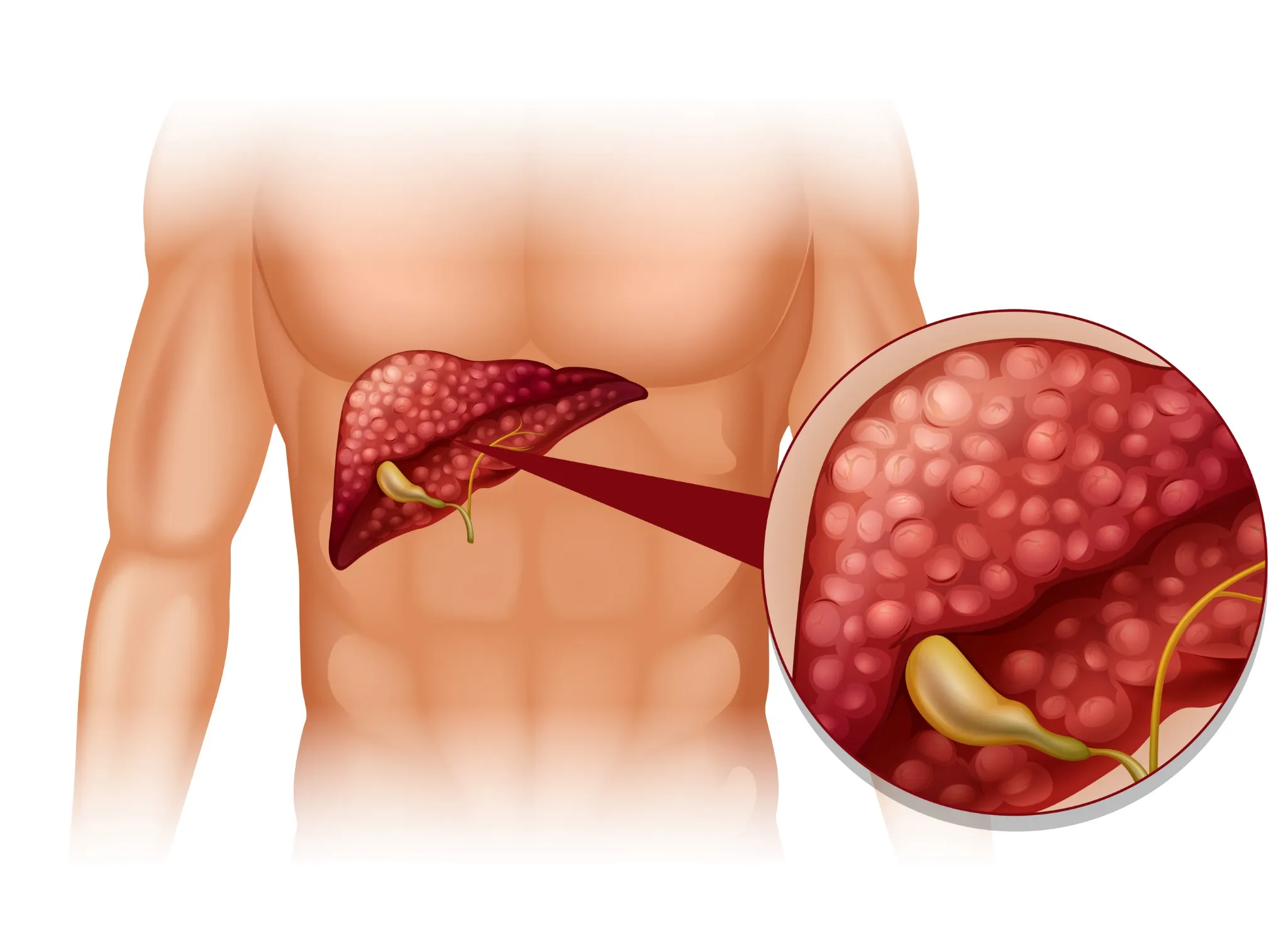
Table of Contents
- What Is a Liver Abscess?
- Types of Liver Abscess
- What Causes a Liver Abscess?
- Risk Factors for Liver Abscess
- Liver Abscess Symptoms
- Complications of Untreated Liver Abscess
- When to Seek Emergency Care
- How Liver Abscess Is Diagnosed
- Treatment Options for Liver Abscess
- Recovery Timeline
- How to Prevent Liver Abscess
- When to Consult a Gastroenterologist or Surgeon
- Conclusion
- FAQs
- References
What Is a Liver Abscess?
A liver abscess is a localised pocket of pus inside the liver that forms when germs (usually bacteria or parasites) invade liver tissue. Your body tries to contain the infection by “walling it off,” creating a cavity filled with dead tissue, white blood cells, and microorganisms. It is not a cancer but an infectious mass that can enlarge and damage healthy liver tissue if not treated in time.
Liver abscesses may appear as a single large cavity or multiple smaller pockets, most often in the right lobe of the liver because it has a richer blood supply. Infection can reach the liver through infected bile ducts, blood flow from other infected sites, or direct spread from nearby organs in the abdomen.
Although liver abscess is relatively rare, the National Institutes of Health estimates about 2.3 cases per 100,000 people per year. It is considered high risk, as untreated cases can have mortality rates approaching 20% in severely ill patients. This is why a liver abscess is treated as a medical emergency, usually requiring hospitalisation, intravenous antibiotics, and sometimes drainage procedures.
Types of Liver Abscess
Healthcare professionals classify liver abscesses into three main categories based on the causative organism:
• Pyogenic liver abscess - caused by bacterial infections, most common type
• Amoebic liver abscess - caused by the parasite Entamoeba histolytica
• Fungal liver abscess - caused by fungi, typically in immunocompromised patients
• Hydatid cysts – parasitic cysts that can mimic abscesses
• Post-procedural abscesses – develop after liver surgery or interventional procedures
Pyogenic Liver Abscess
Pyogenic liver abscess is the most common type, caused by bacteria such as Escherichia coli, Klebsiella species, and anaerobes from the intestinal or biliary tract. It often arises from biliary diseases like gallstones or bile duct infection, or spreads from abdominal infections such as appendicitis or diverticulitis. Patients usually have high fever, chills, and severe upper abdominal pain, and need urgent antibiotics and drainage to prevent sepsis.
Amoebic Liver Abscess
Amoebic liver abscess occurs due to Entamoeba histolytica, typically found in regions with poor sanitation. The parasite first infects the intestines and later reaches the liver, sometimes weeks or months after a mild or unnoticed gut infection. Most cases respond well to antiparasitic medicines like metronidazole, with drainage needed only for very large or high-risk abscesses.
Fungal Liver Abscess
Fungal liver abscess mainly affects people with weakened immunity, such as those on chemotherapy, post-transplant patients, or those with uncontrolled diabetes. Candida species commonly cause multiple small abscesses that present with persistent fever and right upper abdominal discomfort not improving with usual antibiotics. Diagnosis needs specialised tests, and treatment involves targeted antifungal therapy.
What Causes a Liver Abscess?
Understanding liver abscess causes helps in recognising risk factors and preventing this serious condition:
• Biliary tract infections - cholangitis, gallstones, bile duct tumours
• Intra-abdominal infections - appendicitis, diverticulitis, bowel perforations
• Bloodstream infections - bacteria spreading through hepatic artery
• Direct extension - infections from gallbladder or nearby organs
• Parasitic infections - such as Entamoeba histolytica from contaminated food or water
• Medical procedures - liver biopsy, biliary interventions, surgery complications
• Immunosuppression - conditions weakening your immune system
How Liver Abscess Develops (Pathophysiology)
Once germs reach the liver, they trigger an inflammatory response. White blood cells move in to fight the infection, leading to tissue damage and pus collection. The body then forms a fibrous wall around this area, creating the abscess cavity. As it enlarges, the surrounding liver tissue becomes inflamed and swollen, leading to right upper abdominal pain and tenderness.
Risk Factors for Liver Abscess
Several factors increase your likelihood of developing a liver abscess:
• Age over 50 years - immune system changes and increased medical conditions
• Diabetes mellitus - impaired immune function and healing
• Inflammatory bowel disease - increased risk of bacterial translocation
• Recent abdominal surgery - potential for bacterial contamination
• Immunosuppressive medications – including corticosteroids, chemotherapy agents, and transplant drugs
• Alcohol abuse - liver damage and weakened immunity
• Travel to endemic areas - exposure to amoebic infections
• Poor dental hygiene - potential source of bloodstream bacteria
• Chronic kidney disease - altered immune responses
Liver Abscess Symptoms
Recognising liver abscess symptoms early can be life-saving. The presentation varies depending on the type and severity of infection:
• High fever and chills - often the first and most prominent symptom
• Severe upper abdominal pain - particularly in the right upper quadrant
• Nausea and vomiting - due to toxins and liver dysfunction
• Loss of appetite and weight loss - systemic infection effects
• Fatigue and weakness - body's response to fighting infection
• Night sweats - common with bacterial infections
• Jaundice - yellowing of skin and eyes, more common with biliary causes
• Shoulder pain - referred pain from liver irritation
Symptoms by Type (Pyogenic vs Amoebic)
|
Symptom |
Pyogenic Liver Abscess |
Amoebic Liver Abscess |
|
Fever onset |
Rapid, high-grade |
Gradual, moderate |
|
Abdominal pain |
Severe, acute |
Dull, chronic |
|
Jaundice |
More common |
Less common |
|
Diarrhea history |
Often present |
Usually absent |
|
Age group |
Older adults |
Young to middle-aged |
|
Geographic pattern |
Worldwide |
Tropical/subtropical |
Complications of Untreated Liver Abscess
Without proper treatment, a liver abscess can lead to serious, potentially fatal complications:
• Sepsis and septic shock - life-threatening bloodstream infection
• Abscess rupture - spillage of infected material into abdomen
• Pleural effusion - fluid collection around lungs
• Empyema - pus collection in the chest cavity
• Pericarditis - inflammation of the membrane surrounding the heart
• Brain abscess - rare but serious complication
• Liver failure - destruction of significant liver tissue
• Death - mortality rates vary from 10-20% depending on type and timing of treatment
When to Seek Emergency Care
• High fever above 38.5°C with chills
• Severe abdominal pain that worsens progressively
• Difficulty breathing or chest pain
• Confusion or altered mental state
• Persistent vomiting preventing fluid intake
• Signs of dehydration - dizziness, dry mouth, decreased urination
• Yellowing of skin or eyes
• Rapid heart rate or low blood pressure
How Liver Abscess Is Diagnosed
Diagnosing a liver abscess requires a systematic approach combining clinical assessment with modern imaging and laboratory techniques:
- Medical history and physical examination - including assessment of symptoms, risk factors, and abdominal tenderness
- Blood tests - complete blood count, liver function tests, inflammatory markers
- Imaging studies - ultrasound, CT scan, or MRI to visualise the abscess
- Microbiological testing - blood cultures and abscess fluid analysis when possible
- Serological tests - specific tests for amoebic infection if suspected
- Additional investigations - based on suspected underlying causes
Imaging Tests for Liver Abscess
Modern imaging plays a crucial role in liver abscess diagnosis:
• Ultrasound - first-line imaging, shows fluid collections and guides drainage procedures
• CT scan with contrast - provides detailed anatomy and helps differentiate abscess types
• MRI - excellent soft tissue detail, useful when CT is contraindicated
• Chest X-ray - may show elevated right diaphragm or pleural effusion
• ERCP - specialised test for biliary causes requiring intervention
Laboratory Markers
Several blood tests help confirm liver abscess diagnosis and guide treatment:
- Complete Blood Count (CBC): Checks for raised white blood cells indicating infection.
- Liver Function Tests (LFTs): Assess liver damage and cholestasis (bilirubin, ALT, AST, ALP).
- C-reactive Protein (CRP) / ESR: Inflammatory markers used to gauge severity and monitor response.
- Blood Culture and Pus Culture: Identify the exact bacteria or fungi causing the abscess and guide targeted treatment.
- E. histolytica Antigen Detection (Stool): Helps confirm amoebic liver abscess.
- Stool Microscopy for Entamoeba histolytica (Wet Mount / Ova and Parasite Examination / Routine Stool Examination): Look for intestinal parasites that may be linked to liver abscess.
Treatment Options for Liver Abscess
Modern liver abscess treatment usually combines powerful antimicrobial medicines with drainage of the abscess when needed. Most patients are hospitalised for intravenous antibiotics and close monitoring, and treatment often continues for several weeks to ensure complete cure and prevent recurrence.
Antibiotics for Liver Abscess
Antibiotic selection for pyogenic liver abscess targets the most likely bacterial organisms:
• Broad-spectrum combinations - typically include coverage for gram-negative and anaerobic bacteria
• Metronidazole plus fluoroquinolone - common first-line combination
• Beta-lactam antibiotics - piperacillin-tazobactam or meropenem for severe cases
• Duration - typically 4–6 weeks total, starting intravenously then switching to oral
• Monitoring - regular blood tests to assess treatment response and adjust therapy
Drainage Procedures
Large liver abscesses or those not improving with antibiotics usually need drainage. In most cases, doctors use ultrasound-guided percutaneous drainage, inserting a thin needle or catheter into the abscess to remove pus. The catheter may stay in place for days to weeks for continuous drainage while antibiotics act. Most patients feel better quickly, with reduced fever and pain within 24–48 hours after a successful procedure.
Surgery for Liver Abscess
Surgery is reserved for cases where antibiotics and percutaneous drainage are not enough or not feasible. It may be needed for multiple abscesses, hard-to-reach locations, or when problems like gallbladder disease must be treated at the same time. Wherever possible, surgeons use laparoscopic techniques, which usually mean smaller cuts, faster recovery, and fewer complications, while allowing them to drain the abscess and manage any underlying cause in one procedure.
Recovery Timeline
Recovery from a liver abscess is usually gradual but steady. Fever and pain typically begin to improve within the first week of treatment. Most patients need 4–8 weeks for full clinical recovery, with regular follow-ups and repeat imaging to confirm that the abscess is shrinking. Many can return to work and daily activities in 2–4 weeks, although tiredness and low energy may persist for a few months in some cases.
How to Prevent Liver Abscess
While not all liver abscesses are preventable, several strategies can reduce your risk:
• Maintain good hygiene - regular handwashing and food safety practices
• Treat underlying conditions - manage diabetes, inflammatory bowel disease properly
• Safe travel practices - drink bottled water, eat cooked foods in endemic areas
• Prompt medical care - seek treatment for abdominal infections or biliary problems
• Avoid excessive alcohol - protect liver health and immune function
• Regular dental care - prevent oral infections that can spread
• Vaccinations – stay up to date with recommended immunizations
• Safe medical procedures - ensure sterile techniques during invasive procedures
When to Consult a Gastroenterologist or Surgeon
You should seek specialist care if you experience persistent upper abdominal pain, unexplained fever, or have known risk factors for liver abscess. Gastroenterologists can assess liver function, confirm the diagnosis, and guide treatment. Surgical consultation is needed when drainage or correction of underlying conditions is required, while interventional radiologists perform minimally invasive, image-guided drainage procedures. Early specialist involvement leads to faster recovery and fewer complications, so prompt medical attention is essential if liver abscess is suspected.
Conclusion
A liver abscess is a serious infection that needs early diagnosis and prompt treatment to prevent complications like rupture, sepsis, or long-term liver damage. With timely antibiotics, image-guided drainage, and regular follow-up, most patients can recover well, especially when they seek help early for symptoms such as fever, chills, and upper abdominal pain.
For accurate diagnosis and safe recovery, Metropolis Healthcare offers 4000+ tests, full body checkups, and speciality testing, supported by 10,000+ home collection touchpoints, trained phlebotomists, quick turnaround with reliable reports, and easy booking via website, app, WhatsApp, or phone call. This combination of accuracy, convenience, and expertise helps you focus on your treatment and recovery while we take care of your diagnostic needs.
FAQs
How serious is liver abscess?
A liver abscess is a medical emergency that can become life-threatening if untreated. It may cause sepsis, organ failure, or rupture, which requires immediate treatment.
What are the symptoms of a liver abscess?
- Fever and chills
- Right-sided upper abdominal pain
- Vomiting
- Jaundice
- Fatigue
- Loss of appetite
What causes a liver abscess to form?
It forms due to bacterial, parasitic, or fungal infections that reach the liver through the bile ducts, bloodstream, intestines, or nearby organs. Poor hygiene, diabetes, and abdominal infections increase the risk.
Can a liver abscess be cured?
Yes. Most liver abscesses can be cured completely with proper antibiotics, drainage procedures, and regular medical follow-up.
How long does it take to recover from a liver abscess?
Recovery typically takes 4–8 weeks. Severe cases or multiple abscesses may require longer treatment and monitoring.
Can a liver abscess burst?
Yes. If untreated, an abscess may rupture into the abdomen or lungs, leading to life-threatening complications like peritonitis or empyema.
What is the best treatment for an amoebic liver abscess?
Metronidazole is the first-line treatment, followed by a luminal agent to remove parasites from the intestine and prevent recurrence.
Is surgery required for a liver abscess?
Surgery is rarely required and is reserved for very large abscesses, rupture cases, or infections not responding to antibiotics and drainage.
What foods should be avoided during liver abscess recovery?
- Fried and oily foods
- Processed foods
- Alcohol
- Very spicy foods
- Raw or street-vended food
References
- https://www.ncbi.nlm.nih.gov/books/NBK538230/
- https://www.pacehospital.com/liver-abscess-causes-symptoms-prevention-and-treatment
- https://www.medicalnewstoday.com/articles/liver-abscess
- https://emedicine.medscape.com/article/188802-overview