Home Visit
 Upload






Preventive Healthcare
Liver Lesions: Causes, Symptoms, Diagnosis, and Treatment
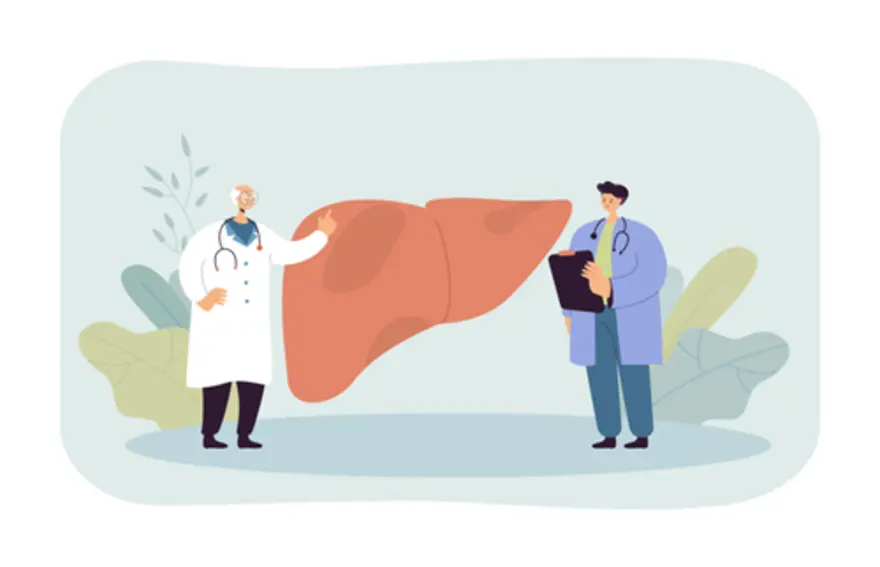
Table of Contents
What Are Liver Lesions?
Liver lesions are abnormal growths or areas of altered tissue within your liver that differ from normal liver structure. The term liver lesion encompasses both benign (non-cancerous) and malignant (cancerous) growths that can develop for a variety of reasons. Many liver lesions remain small and symptom-free, often discovered incidentally during imaging tests performed for unrelated medical reasons.
Benign liver lesions typically do not spread beyond the liver or threaten life, whereas malignant lesions may represent primary liver cancer or cancers that have spread (metastasised) from other organs. Hypodense liver lesions appear darker than surrounding liver tissue on CT scans, indicating a difference in density or composition, indicating different density or composition. Most liver lesions require careful evaluation to determine their nature and appropriate management approach.
Types of Liver Lesions
- Benign Liver Lesions
- Hepatic hemangiomas: The most common benign liver lesions, made up of clusters of abnormal blood vessels
- Focal nodular hyperplasia: Benign masses arising from abnormal blood supply patterns
- Hepatic adenomas: Benign tumours often linked to hormonal medications
- Simple hepatic cysts: Fluid-filled sacs that are usually harmless
- Polycystic liver disease cysts: Multiple cysts associated with genetic conditions
- Malignant Liver Lesions
- Hepatocellular carcinoma: Primary liver cancer, often developing in people with cirrhosis
- Intrahepatic cholangiocarcinoma: Cancer arising from bile duct cells
- Angiosarcoma: Rare cancer affecting blood vessel lining
- Metastatic lesions: Cancers that have spread to the liver from other organs
Causes of Liver Lesions
- Benign Lesion Causes
- Hormonal factors: Long-term use of estrogen-containing oral contraceptives increases the risk of hepatic adenomas.
- Genetic factors: Congenital blood vessel malformations causing haemangiomas
- Metabolic conditions: Glycogen storage diseases affecting liver structure
- Idiopathic causes: Many benign cysts develop without any identifiable trigger
- Malignant Lesion Risk Factors
- Chronic viral hepatitis: Hepatitis B and Hepatitis C infections significantly increase liver cancer risk
- Cirrhosis: Advanced scarring from various liver diseases creates cancer-prone environment
- Fatty liver disease: Progression of non-alcoholic fatty liver disease (NAFLD) can, in some cases, lead to liver cancer
- Heavy alcohol consumption: Chronic alcohol abuse causes liver damage and cancer risk
- Environmental toxins: Aflatoxin exposure from contaminated foods
- Underlying cancers: Colorectal, breast, lung, and pancreatic cancers commonly spread to the liver
Symptoms of Liver Lesions
Most small liver lesions cause no symptoms initially. However, larger or malignant lesions may produce:
- Dull or aching pain in the upper right side of the abdomen
- Abdominal fullness or palpable masses when lesions grow large
- Nausea, vomiting, and decreased appetite affecting daily life
- Unintentional weight loss, which is more common in malignant lesions
- Fatigue and weakness impacting energy levels
- Jaundice causing yellowing of skin and eyes
- Dark urine and pale stools indicating bile flow problems
- Persistent itching (pruritus) caused by bile salt accumulation in the skin
- Abdominal swelling from fluid retention
- Fever or general malaise suggesting infection or inflammation
How Are Liver Lesions Diagnosed?
According to the National Institutes of Health (NIH), liver lesions are primarily evaluated through imaging studies, which play a central role in their detection and characterisation.
Diagnosis usually begins with an abdominal ultrasound, which is widely available and useful as an initial screening tool. Contrast-enhanced CT scans and MRI scans are then used to further define the lesion by assessing its size, shape, internal structure, and vascular pattern. These imaging features help distinguish benign from malignant lesions.
When imaging findings are inconclusive or suggest cancer, a liver biopsy may be performed to obtain tissue for a definitive diagnosis. Clinical history and laboratory results are often considered alongside imaging to guide accurate diagnosis and management.
Imaging & Diagnostic Tests to Identify Liver Lesions
- Abdominal ultrasound: First-line screening using sound waves to detect masses and cysts
- Contrast-enhanced CT scan: Detailed cross-sectional images showing enhancement patterns
- MRI with contrast: Most accurate imaging for characterising liver lesions
- PET scan: Evaluates metabolic activity, particularly useful for staging cancer
- Liver biopsy: Tissue sampling performed when imaging alone cannot definitively classify the lesion
Treatment for Liver Lesions
Treatment approaches vary significantly based on lesion type, size, location, and your overall health. Benign liver lesions like small haemangiomas typically require only monitoring with periodic imaging, while larger symptomatic lesions may need surgical removal. Hepatic adenomas larger than 5 cm often require surgical removal because of the risks of bleeding and malignant transformation.
Malignant liver lesions require more aggressive treatment approaches. Hepatocellular carcinoma treatment options include surgical resection, liver transplantation, radiofrequency ablation, transarterial chemoembolisation (TACE), and systemic therapies such as immunotherapy or targeted drugs.
Metastatic liver lesions may be treated with surgery, chemotherapy, targeted therapy, or palliative care depending on the primary cancer type and extent of spread. Treatment decisions require multidisciplinary team consultation involving hepatologists, oncologists, and surgeons.
Can Liver Lesions Be Prevented?
Prevention strategies focus on reducing underlying liver disease risk factors. Hepatitis B vaccination provides excellent protection against this major liver cancer cause, while avoiding high-risk behaviours prevents hepatitis C transmission. Limiting alcohol intake, maintaining a healthy weight, and managing diabetes effectively can help prevent progression of fatty liver disease to cirrhosis or liver cancer.
Regular health screenings can detect liver problems early when treatment is most effective. Avoiding aflatoxin exposure through proper food storage and choosing quality products reduces environmental cancer risks. For individuals with chronic liver disease, regular monitoring enables early detection of developing lesions when treatment options remain optimal.
Complications of Untreated Liver Lesions
- Malignant transformation: Certain benign lesions, such as hepatic adenomas, may rarely transform into cancer over time
- Bleeding complications: Large lesions may rupture, causing internal bleeding
- Liver failure: Extensive lesions can compromise liver function
- Bile duct obstruction: Large lesions may block bile flow, causing jaundice
- Spread to other organs: Malignant lesions can metastasise throughout the body
- Kidney failure: Advanced liver disease may affect kidney function
- Portal hypertension: Increased pressure in the veins that carry blood from the digestive organs to the liver
Conclusion
Understanding liver lesions empowers you to recognise symptoms early and seek appropriate medical care. Whether dealing with benign hypodense liver lesions or more serious concerns like liver cancer, early detection significantly improves outcomes.
At Metropolis Healthcare, we support your health journey with comprehensive diagnostic services spanning over 4,000 tests and profiles. Our extensive network of 220+ laboratories and 10,000+ touchpoints ensures accessible, accurate testing when you need it most. From routine liver function tests to specialised tumour markers, our home sample collection service delivers advanced diagnostics directly to your doorstep.
FAQs
What are the common causes of liver lesions?
Common causes include viral hepatitis infections, chronic alcohol consumption, fatty liver disease, hormonal medications, genetic factors, and cancers spreading from other organs. Risk factors like cirrhosis, diabetes, and environmental toxin exposure also contribute to liver lesion development.
How are liver lesions treated?
Treatment depends on lesion type and characteristics. Benign lesions often require only monitoring, whilst symptomatic or large lesions may need surgical removal. Malignant lesions require aggressive treatment, including surgery, chemotherapy, targeted therapy, or liver transplantation, depending on cancer stage and patient condition.
Can liver lesions lead to cancer?
Some benign liver lesions carry small risks of malignant transformation, particularly hepatic adenomas. However, most benign lesions remain stable throughout life. Regular monitoring helps detect any concerning changes early, ensuring prompt intervention if malignant transformation occurs.