Home Visit
 Upload






Preventive Healthcare
What Are Liver Spots? Causes, Symptoms, and Treatment Options
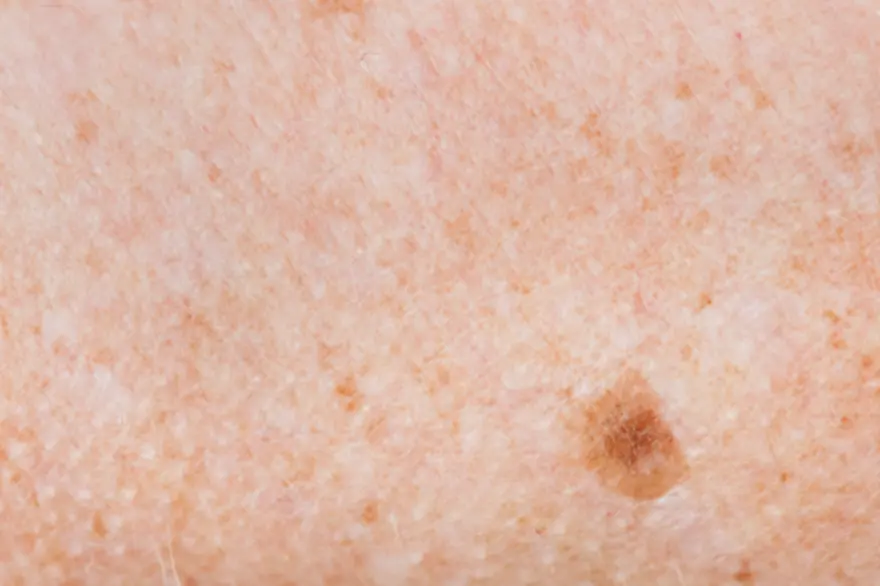
Table of Contents
What Are Liver Spots?
Liver spots, medically known as age spots or solar lentigines, are flat, brown or black patches that appear on sun-exposed areas of your skin. These benign skin changes typically develop on the backs of your hands, face, shoulders, and forearms after decades of ultraviolet light exposure.
Unlike serious medical conditions such as liver disease or cancer, liver spots on the skin are not related to liver function and pose no health risks. They're simply areas where melanin pigment has accumulated over time due to chronic sun damage. The spots usually measure between 5 and 15 millimetres across and have clearly defined borders.
Liver spots on hands are particularly common because your hands receive constant sun exposure throughout your lifetime. Similarly, liver spots on the face often appear on the forehead, cheeks, and nose, areas that face direct sunlight most frequently.
Causes of Liver Spots
Several factors contribute to liver spot development, with sun exposure being the primary culprit:
- Chronic ultraviolet radiation exposure: Years of sun exposure accelerate melanin production in specific skin areas
- Natural ageing process: Skin's ability to repair UV damage decreases with age, typically after 40-50 years
- Fair skin complexion: People with lighter skin tones develop liver spots more easily than those with darker skin
- Frequent tanning bed use: Artificial UV sources cause the same pigment accumulation as natural sunlight
- History of severe sunburns: Intense UV damage episodes increase long-term liver spot risk
- Genetic predisposition: Family history of age spots may increase your likelihood of developing them
Symptoms of Liver Spots
Recognising liver spot symptoms helps distinguish them from potentially serious skin conditions:
- Flat, oval-shaped patches ranging from light brown to dark brown or black
- Smooth texture that feels the same as surrounding skin
- Well-defined borders with clear edges separating them from normal skin
- Painless appearance without itching, burning, or other discomfort
- Gradual development over months or years rather than sudden appearance
- Clustering pattern where multiple spots may group together in sun-exposed areas
Liver spots on legs, particularly the shins and tops of feet, may appear in people who frequently wear shorts or spend time outdoors. The key characteristic distinguishing liver spots from concerning skin changes is their stable, uniform appearance over time.
How to Diagnose Liver Spots
Healthcare providers typically diagnose liver spots through visual examination of your skin. During your consultation, your doctor will assess the spots' appearance, location, and your history of sun exposure. Most liver spots have such characteristic features that clinical examination alone provides sufficient diagnosis.
Your healthcare provider will look for specific patterns that distinguish benign liver spots from potentially malignant lesions. They'll examine the colour uniformity, border regularity, and size consistency across different spots. The distribution pattern, primarily affecting sun-exposed areas, also supports the diagnosis of solar lentigines rather than other skin conditions.
Imaging & Diagnostic Tests to Identify Liver Spots
- Dermatoscopy examination: Magnified skin inspection helps differentiate liver spots from melanoma or other pigmented lesions
- Skin biopsy: Tissue sample analysis when spots have irregular features or rapid changes
- Digital photography: Baseline documentation for monitoring changes over time
- Wood's lamp examination: Ultraviolet light inspection to enhance pigment pattern visibility
When larger, darker, or changing spots are present, proper diagnosis is essential to rule out malignancy. The American Academy of Dermatology (AAD) cautions that treating what appears to be a liver spot (age spot) without evaluation can mask skin cancer, allowing it time to grow or spread. A dermatologist can accurately assess suspicious spots, and when detected early, skin cancer is highly treatable.
Treatment Options for Liver Spots
Since age spots are benign, liver spots' treatment focuses on cosmetic improvement rather than medical necessity. Several effective options exist:
- Topical lightening treatments
- Prescription-strength hydroquinone creams can reduce melanin production over several months under dermatological supervision
- Retinoid medications accelerate skin cell turnover and fade pigmentation
- Topical Vitamin C serums may provide mild pigment-lightening effects and antioxidant protection when used consistently
- Professional procedures
- Cryotherapy uses liquid nitrogen to freeze and destroy excess pigment-containing cells, allowing new lighter skin to form
- Laser therapy (e.g., Q-switched or fractional lasers) targets melanin deposits with specific light wavelengths, fragmenting pigment without damaging surrounding skin
- Chemical peels remove outer skin layers containing excess pigment
- Advanced treatment options
- Intense pulsed light (IPL) breaks up pigment clusters effectively
- Microdermabrasion gently resurfaces skin for gradual improvement
Can Liver Spots Be Prevented?
Prevention remains the most effective approach to managing liver spots on skin. Daily broad-spectrum sunscreen application with SPF 30 or higher significantly reduces future spot development. Seeking shade during peak UV hours (10 AM to 4 PM) and wearing protective clothing also minimise cumulative sun damage.
Regular self-skin checks help monitor existing spots and detect any new or changing pigmented lesions early — an important step in skin cancer prevention. While you cannot reverse decades of past sun exposure, consistent protection prevents additional liver spots on the face, hands, and other exposed areas.
Conclusion
Liver spots represent common, harmless skin changes resulting from cumulative sun exposure over decades. Whether you're dealing with liver spots on hands, face, legs or the back, effective treatment options exist to address cosmetic concerns.
While liver spots themselves typically do not require blood tests, evaluating unusual, rapidly growing, or darker spots is important to rule out serious skin conditions. Beyond dermatological assessment, regular diagnostic testing plays a key role in overall health monitoring, especially as age-related changes can sometimes coincide with underlying health issues.
With an extensive portfolio of over 4,000 diagnostic tests and a convenient home sample collection service available through 10,000+ touchpoints across India, Metropolis Healthcare makes proactive, comprehensive health monitoring both accessible and stress-free.
FAQs
What Are the Causes of Liver Spots?
Liver spots develop primarily from chronic ultraviolet radiation exposure over many years, combined with natural skin ageing processes. Fair-skinned individuals face higher risks, and factors like frequent tanning bed use, severe sunburn history, and genetic predisposition contribute to their formation on sun-exposed skin areas.
How to Get Rid of Liver Spots?
Several effective liver spots' treatment options exist, including topical lightening creams containing hydroquinone or retinoids, professional procedures like cryotherapy and laser therapy, and chemical peels. Treatment choice depends on spot size, location, and personal preferences, with most procedures requiring multiple sessions for optimal results and ongoing sun protection.
Are Liver Spots Dangerous?
Liver spots are completely benign and pose no health risks, unlike serious conditions such as liver cancer, liver failure, or other organ diseases. However, any spots that change colour, size, or texture or develop irregular borders should be evaluated by a healthcare professional to rule out skin cancer or other concerning skin conditions.