Home Visit
 Upload






Preventive Healthcare
Understanding the Liver: Functions, Diseases, and Ways to Keep It Healthy
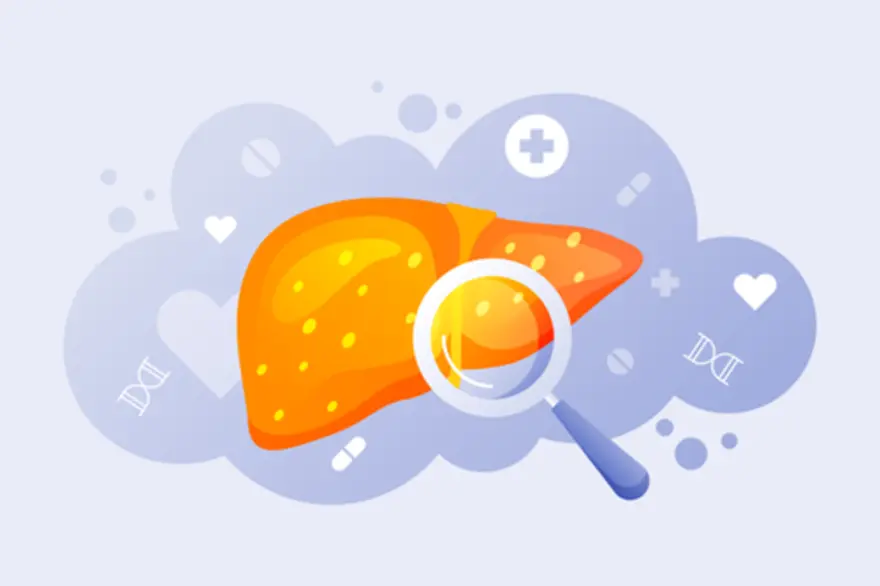
Table of Contents
What Is the Liver?
The liver is the largest internal organ in your body, weighing approximately 1.2–1.5 kilograms in healthy adults (about 2.6–3.3 pounds). Located in the upper right portion of your abdomen beneath the rib cage, the liver in the human body serves as your body's primary processing centre. As documented in an NIH-hosted resource, the normal liver size varies by age and gender, with the average liver span on physical examination is about 7 cm in women and 10.5 cm in men, though actual size can vary with body size and imaging method.
The liver's anatomy consists of two main sections: the larger right lobe and the smaller left lobe. These are further divided into eight functional segments, each containing thousands of hexagonal units called lobules. Blood flows to your liver through two major vessels: the hepatic artery, carrying oxygen-rich blood, and the hepatic portal vein, bringing nutrient-rich blood from your digestive system. This unique dual blood supply allows your liver to filter toxins whilst processing nutrients efficiently.
Functions of the Liver
Your liver performs countless vital tasks that keep your body functioning optimally:
- Detoxification: Filters harmful substances, medications, and toxins from your bloodstream
- Bile production: Creates bile to help digest fats and absorb fat-soluble vitamins
- Protein synthesis: Manufactures essential proteins including albumin and blood clotting factors
- Glucose regulation: Stores glucose as glycogen and releases it when your body needs energy
- Cholesterol management: Produces and regulates cholesterol levels in your blood
- Immune support: Contains specialised cells that fight infections and remove bacteria
- Vitamin storage: Stores vitamins A, D, E, K, and B12 for future use
- Hormone regulation: Processes and breaks down various hormones
Common Liver Diseases
Several conditions can compromise liver function and overall health:
- Fatty liver disease: Excess fat accumulation in liver cells, commonly associated with obesity, insulin resistance, and type 2 diabetes (collectively known as non-alcoholic fatty liver disease, or NAFLD)
- Hepatitis: Inflammation caused by viruses, alcohol, or autoimmune conditions
- Cirrhosis: Severe scarring that permanently damages liver tissue and function
- Liver cancer: Malignant tumours that can develop from chronic liver disease
- Alcoholic liver disease: Progressive damage from excessive alcohol consumption
- Non-alcoholic steatohepatitis (NASH): A more severe form of NAFLD involving inflammation and scarring in people who consume little or no alcohol.
- Haemochromatosis: A genetic disorder causing iron overload that damages liver cells and other organs.
- Wilson's disease: Copper accumulation that can lead to liver failure
Symptoms of Liver Disease
Recognising liver damage symptoms early can prevent serious complications:
- Jaundice: Yellowing of skin and eyes indicating bilirubin buildup
- Abdominal pain: Discomfort in the upper right side where your liver is located
- Chronic fatigue: Persistent tiredness that doesn't improve with rest
- Nausea and vomiting: Digestive upset that may worsen over time
- Loss of appetite: Reduced interest in food leading to weight loss
- Dark urine: Concentrated urine due to excess bilirubin
- Pale stools: Light-coloured bowel movements indicating bile flow problems
- Easy bruising: Poor blood clotting due to reduced protein production
- Swelling: Fluid retention in legs, ankles, or abdomen
- Confusion: Mental changes when toxins aren't properly filtered
While individual symptoms may have other causes, multiple symptoms together warrant immediate medical evaluation.
How to Keep Your Liver Healthy
- Limit alcohol consumption: Follow recommended guidelines or abstain completely
- Maintain healthy weight: Obesity significantly increases fatty liver disease risk
- Exercise regularly: Physical activity improves liver function and reduces fat accumulation
- Eat nutritious foods: Choose fruits, vegetables, whole grains, and lean proteins
- Stay hydrated: Adequate water intake supports liver detoxification processes
- Avoid unnecessary medications:Avoid unnecessary medications: Take only prescribed drugs and use paracetamol (acetaminophen) within recommended daily limits to prevent liver injury
- Get vaccinated: Hepatitis A and B vaccines prevent viral liver infections
- Practice safe hygiene: Wash hands frequently to avoid contamination
Diagnosis of Liver Disease
Diagnosing liver problems involves comprehensive evaluation starting with medical history and physical examination. Your doctor will assess symptoms, alcohol consumption, medication use, and family history whilst examining your abdomen for liver enlargement or tenderness. Blood tests measuring liver enzymes and function provide crucial information about liver health. Early detection significantly improves treatment outcomes, making regular health screenings, including a UACR Test, essential for those at risk.
Imaging & Diagnostic Tests to Identify Liver Disease
- Liver function tests: Blood tests measuring enzymes, bilirubin, and proteins
- Ultrasound imaging: Non-invasive pictures showing liver size and structure
- CT or MRI scans: Detailed images revealing tumours, scarring, or other abnormalities
- FibroScan: Ultrasound-based test measuring liver stiffness and fibrosis
- Liver biopsy: Tissue sample examination for inflammation, scarring, or cancer cells
- Hepatitis screening: Blood tests detecting viral infections
Liver Disease Treatment Options
- Antiviral medications: Target hepatitis B and C infections effectively
- Lifestyle modifications: Diet changes, exercise, and alcohol cessation
- Immunosuppressive drugs: Control autoimmune liver conditions
- Symptom management: Medications for complications like fluid retention
Liver Transplantation
Liver transplantation represents the final treatment option for end-stage liver failure when other treatments have failed. This complex surgical procedure replaces your diseased liver with a healthy donor liver, offering hope for those with severe cirrhosis, liver cancer, or acute liver failure. Success rates are encouraging, with many recipients enjoying improved quality of life and extended survival.
Foods for Liver Health
- Leafy greens: Spinach and kale support detoxification processes
- Fatty fish: Such as salmon, sardines, or mackerel provide omega-3 fatty acids that may reduce liver fat and inflammation
- Nuts and seeds: Almonds and sunflower seeds offer vitamin E protection
- Berries: Antioxidants in blueberries and cranberries fight inflammation
Risk Factors for Liver Disease
Several factors increase your likelihood of developing liver problems. Age plays a significant role, as liver function naturally declines over time. Chronic conditions like diabetes and obesity dramatically increase fatty liver disease risk. Excessive alcohol consumption remains the leading cause of preventable liver damage globally. Additionally, viral hepatitis infections, certain medications, and genetic factors can predispose individuals to liver disease.
Conclusion
Your liver's remarkable ability to perform at least 500 vital functions makes protecting it essential for long-term health. Whether you're concerned about fatty liver disease, cirrhosis, or maintaining optimal liver function, taking proactive steps today can prevent serious complications tomorrow. Remember, conditions such as pancreatitis, heart failure, or kidney disease can indirectly affect liver function, emphasizing the need for comprehensive health monitoring.
At Metropolis Healthcare, we support your liver health journey with comprehensive diagnostic services. Our extensive portfolio of over 4,000 tests includes specialised liver function panels and health check-ups designed to detect problems early. With our convenient home sample collection service spanning 10,000+ touchpoints across India, accessing precise liver health assessments has never been easier.
FAQs
How can I improve my liver health?
Maintain a balanced diet, limit alcohol intake, stay physically active, manage weight, avoid unnecessary medications, and get regular health check-ups.
What are the first signs of liver problems?
Early signs may include fatigue, loss of appetite, nausea, abdominal discomfort, dark urine, pale stools, and yellowing of the skin or eyes.
Can liver disease be reversed?
Some early-stage liver conditions can be improved or reversed with timely treatment and lifestyle changes, but advanced disease may be irreversible.