Home Visit
 Upload






Preventive Healthcare
Liver Cysts: Causes, Symptoms, Diagnosis, and Treatment Options
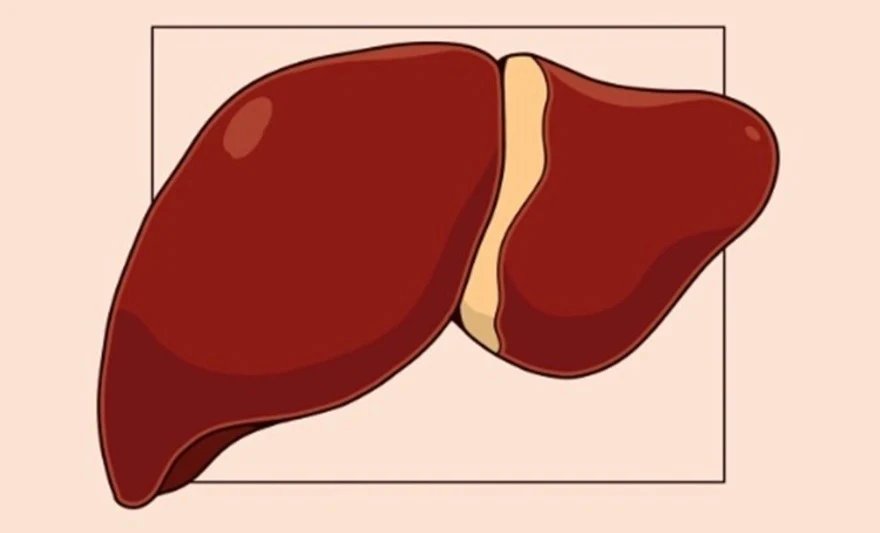
Table of Contents
What Are Liver Cysts?
Liver cysts, also called hepatic cysts, are abnormal, sac-like spaces within the liver filled with fluid or semi-solid material. These benign, non-cancerous lesions typically grow slowly and may occur as single (solitary) or multiple formations within the liver parenchyma. Most simple liver cysts develop from isolated bile duct malformations (hamartomatous changes) during fetal development, though the exact causes of liver cysts remain unclear in many cases.
Simple liver cysts rarely impair liver function and almost never progress to cirrhosis, liver cancer, or liver failure. Unlike complications from pancreatitis or kidney failure, liver cysts generally remain asymptomatic throughout a person's lifetime. However, certain types may require monitoring to prevent rare complications that could affect your overall health.
Causes of Liver Cysts
Understanding liver cyst causes helps identify potential risk factors and underlying conditions:
- Congenital bile duct malformations: Most simple liver cysts result from developmental abnormalities during foetal growth, creating fluid-filled spaces within liver tissue.
- Polycystic liver disease (PLD): An inherited condition causing multiple liver cysts to develop over time, often associated with polycystic kidney disease.
- Parasitic infections: Hydatid cysts caused by Echinococcus granulosus or E. multilocularis can form large, multiloculated cysts that may rupture or become secondarily infected.
- Genetic disorders: Conditions like Caroli disease affect bile duct development, leading to multiple liver cysts throughout the organ.
- Trauma or injury: Previous liver damage can occasionally result in post-traumatic cysts or fluid collections.
- Unknown factors: Many isolated, simple liver cysts have no identifiable cause and are considered incidental age-related findings.
Types of Liver Cysts
According to a study published in StatPearls, liver cysts can be broadly classified as infectious or non-infectious.
- Non-infectious liver cysts
- Simple liver cysts: The most common type; benign and usually congenital, arising from abnormal bile ducts
- Polycystic liver disease (PCLD): A genetic condition causing multiple liver cysts; may occur alone or with autosomal dominant polycystic kidney disease (ADPKD)
- Neoplastic cysts:
- Biliary cystadenoma (BCA): A slow-growing benign tumour of the bile ducts
- Biliary cystadenocarcinoma (BCAC): A rare malignant neoplasm that may closely resemble biliary cystadenoma on imaging, requiring histopathological confirmation after surgical excision.
- Traumatic cysts: Develop after liver injury
- Infectious liver cysts
- Parasitic cysts: Caused by Echinococcus (hydatid cysts)
- Non-parasitic infectious lesions: Include pyogenic (bacterial) abscesses and fungal abscesses, which are inflammatory rather than true cysts
Symptoms of Liver Cysts
Most people with liver cysts experience no liver cyst symptoms, as these formations rarely interfere with normal liver function. When symptoms occur, they typically relate to cyst size or complications:
- Dull upper right abdominal pain: Large liver cysts can stretch the liver capsule, causing persistent discomfort
- Abdominal fullness or bloating: Extensive liver cyst formations may create a sensation of fullness after eating
- Visible abdominal mass: Very large liver cysts can cause noticeable abdominal swelling or protrusion
- Early satiety: Large liver cysts pressing against the stomach may reduce appetite and meal tolerance
- Nausea and vomiting: Occur occasionally when liver cysts compress nearby organs or become infected
- Referred shoulder pain: Large liver cysts can irritate the diaphragm, causing pain that radiates to the right shoulder
- Fever and acute pain: Signs of liver cyst infection or rupture requiring immediate medical attention
How Are Liver Cysts Diagnosed?
Liver cysts are most commonly discovered incidentally during imaging performed for unrelated health concerns. When detected, doctors assess factors such as size, wall thickness, internal contents, and structural features to distinguish simple benign liver cysts from complex formations that require further investigation. This evaluation helps rule out conditions that might progress to liver failure, liver cancer, or complications similar to those seen in pancreatitis or kidney failure.
Healthcare providers examine imaging characteristics carefully, as simple liver cysts appear as thin-walled, round lesions without internal structures, whereas complex features such as calcifications or solid areas may indicate hydatid disease or cystic tumours.
Imaging & Diagnostic Tests to Identify Liver Cysts
- Abdominal ultrasound: The first-line imaging test that readily identifies liver cysts and distinguishes simple from complex formations through sound wave patterns
- Contrast-enhanced CT scanning: Provides detailed cross-sectional images showing liver cyst size, location, wall characteristics, and any concerning features
- MRI and MRCP imaging: Offers high-resolution visualisation of liver tissue and bile ducts, handy for evaluating hepatic cystic liver conditions and associated abnormalities
- Blood tests for parasites: Specific antibody tests help diagnose hydatid disease when parasitic liver cysts are suspected
- Liver function test (LFT): Routine blood work assessing liver enzymes and bilirubin levels; results usually remain normal unless complications such as infection, rupture, or compression occur.
Treatment Options for Liver Cysts
Most people require no liver cyst treatment, as simple formations rarely cause problems or progress to serious complications like liver failure or liver cancer. However, symptomatic or complex liver cysts may need intervention based on size, location, and associated symptoms.
Conservative management typically involves ultrasound or MRI surveillance every 6–12 months to ensure cyst stability and exclude new complex features. When liver cyst treatment becomes necessary, options include drainage procedures for symptom relief, though cysts often recur. Surgical removal may be recommended for large, symptomatic liver cysts or those with concerning features suggesting potential malignancy.
When to See a Doctor
- Persistent abdominal pain: Especially in the upper right area, where liver cysts commonly cause discomfort
- Fever with abdominal symptoms: May indicate liver cyst infection requiring prompt antibiotic treatment
- Sudden severe pain: Could signal liver cyst rupture or other complications needing immediate attention
- Progressive abdominal swelling: Large or multiple liver cysts may require intervention to relieve symptoms
Complications of Liver Cysts
While most liver cysts remain benign throughout life, potential complications include infection, bleeding, or rupture, which can cause acute symptoms. Large hepatic cysts may compress surrounding organs, affecting digestion or breathing. Hydatid liver cysts pose particular risks if they rupture into bile ducts or the peritoneal cavity, which can cause anaphylaxis or secondary seeding.
However, liver cysts rarely progress to serious conditions like liver failure, liver cancer, cirrhosis, pancreatitis, or kidney failure, distinguishing them from more concerning hepatic disorders requiring intensive management.
Conclusion
Understanding liver cysts empowers you to approach this common condition with confidence rather than anxiety. While liver cyst symptoms may occasionally require attention, most liver cysts remain harmless throughout life. Recognising the causes of liver cysts and treatment options helps you make informed decisions about your health.
At Metropolis Healthcare, we support your health journey through comprehensive diagnostic services spanning over 4,000 tests and profiles. Our extensive network of 220+ laboratories and 4,600+ service centres ensures convenient access to accurate liver function testing and imaging coordination. Whether you need routine health monitoring or specific evaluations for liver cyst symptoms, our home sample collection service brings reliable diagnostics directly to your doorstep.
FAQs
Can Liver Cysts Be Prevented?
Most liver cysts cannot be prevented because they are congenital or genetic, but parasitic cysts can be avoided through safe food handling, hand hygiene, and avoiding contaminated water or livestock exposure in endemic areas, as they typically result from congenital developmental factors or genetic predisposition. Simple liver cysts and polycystic liver disease stem from inherited traits beyond your control. However, avoiding exposure to parasitic infections through proper food safety and hygiene may prevent hydatid liver cysts in endemic areas.
What Is the Prognosis of Liver Cysts?
Most people live normal, healthy lives without complications. Simple liver cysts rarely grow significantly or cause problems, and they do not progress to liver failure, liver cancer, or cirrhosis. Even people with multiple liver cysts typically maintain normal liver function throughout their lifetimes.