Home Visit
 Upload






Preventive Healthcare
Korsakoff Syndrome: Memory Loss, Causes & Recovery
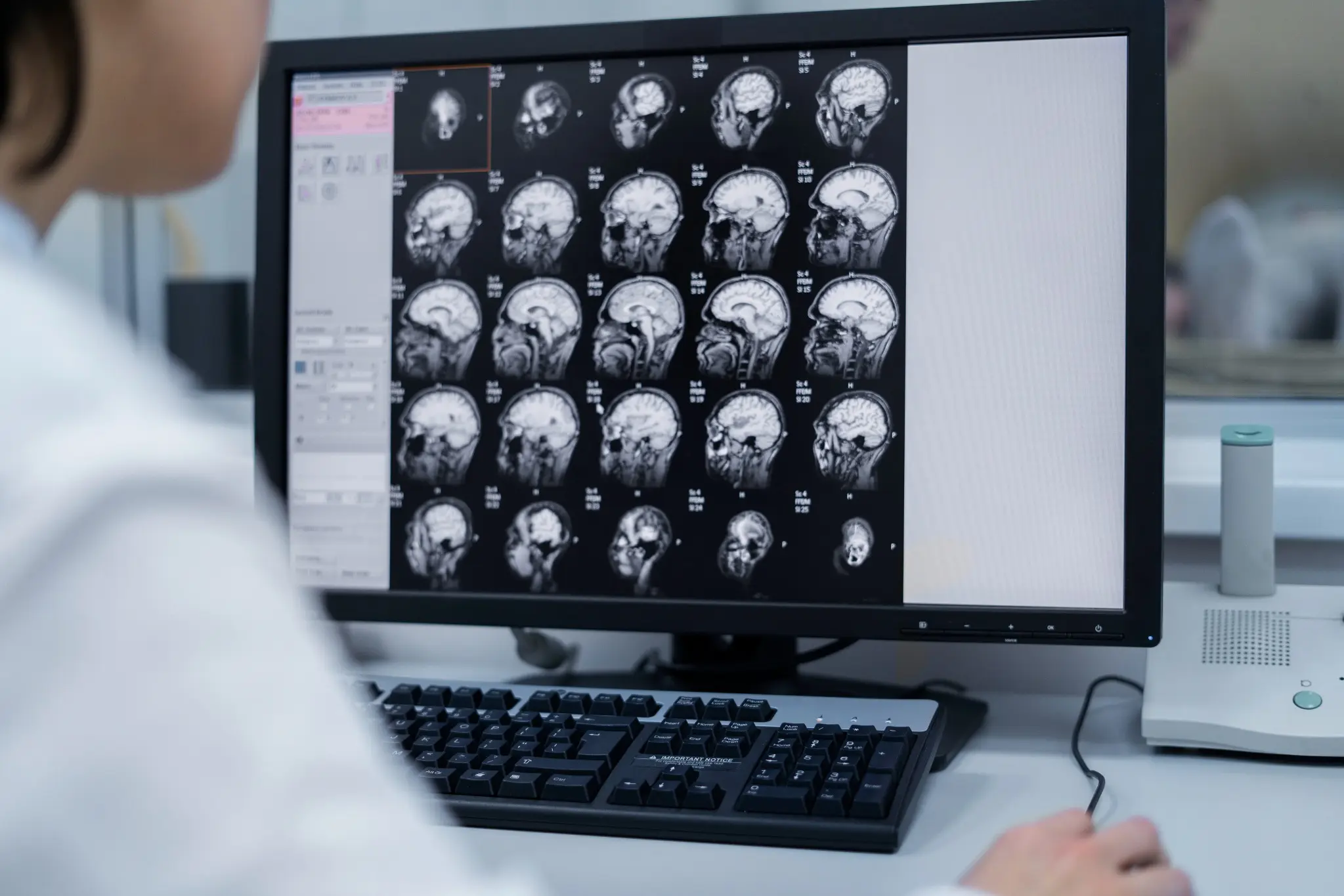
Table of Contents
- What Is Korsakoff Syndrome?
- Understanding the Link Between Korsakoff Syndrome & Wernicke Encephalopathy
- What Causes Korsakoff Syndrome?
- Who Is Most at Risk?
- Korsakoff Syndrome Symptoms
- How Korsakoff Syndrome Affects the Brain
- Complications of Korsakoff Syndrome
- How Korsakoff Syndrome Is Diagnosed
- What Tests Diagnose Korsakoff Syndrome?
- Treatment Options for Korsakoff Syndrome
- Rehabilitation & Recovery Timeline
- Can Korsakoff Syndrome Be Cured?
- Living With Korsakoff Syndrome
- Prevention Strategies
- When to See a Doctor
- Conclusion
- FAQs
- References
What Is Korsakoff Syndrome?
Korsakoff syndrome is a chronic brain disorder characterized by severe memory loss, particularly affecting the ability to form new memories. This condition develops as a result of vitamin B1 deficiency, which damages crucial brain regions responsible for memory processing and storage.
The syndrome typically manifests as profound amnesia in which patients struggle to recall recent events, while older memories may remain relatively intact. According to the Alzheimer's Association, patients with Korsakoff syndrome often unconsciously create false memories, called confabulation, to fill gaps in their memories.
Understanding the Link Between Korsakoff Syndrome & Wernicke Encephalopathy
Korsakoff syndrome rarely occurs in isolation but typically develops following Wernicke encephalopathy, an acute brain condition caused by vitamin B1 deficiency. Together they form what medical professionals call Wernicke-Korsakoff syndrome.
Wernicke encephalopathy appears first, presenting with confusion, loss of muscle coordination, and vision problems that develop rapidly over days or weeks. Without prompt treatment with thiamine supplementation, individuals with Wernicke encephalopathy often progress to Korsakoff syndrome.
The transition between these conditions often occurs gradually, with Korsakoff syndrome symptoms emerging as the acute symptoms of Wernicke encephalopathy begin to resolve.
What Causes Korsakoff Syndrome?
• Chronic alcoholism: The most common cause, particularly when combined with poor nutrition and malabsorption.
• Severe malnutrition: Inadequate dietary intake or eating disorders leading to vitamin B1 deficiency.
• Prolonged vomiting: Conditions like hyperemesis gravidarum prevent nutrient absorption.
• Gastrointestinal disorders: Conditions that impair the gut’s ability to absorb thiamine effectively.
• Chemotherapy effects: Cancer treatments that interfere with vitamin metabolism.
• Mercury poisoning: Toxic exposure leading to brain damage.
• Structural brain lesions: Rare cases involving damage to specific brain regions.
Who Is Most at Risk?
• Individuals with alcohol use disorders: Chronic alcohol consumption damages the stomach lining and reduces thiamine absorption.
• People with severe eating disorders: Restrictive eating patterns deplete vitamin B1 stores.
• Cancer patients: Those undergoing chemotherapy may experience treatment-related nutrient deficiencies.
• Pregnant women with severe morning sickness: Persistent vomiting prevents adequate nutrition.
• Elderly individuals: Age-related changes in absorption and dietary habits increase vulnerability.
• People with limited access to healthcare: Delayed medical intervention allows conditions to progress.
Korsakoff Syndrome Symptoms
- Severe memory loss: Profound difficulty recalling past events, particularly recent memories.
- Anterograde amnesia: Complete inability to form and retain new memories.
- Confabulation: Unconsciously creating false memories to fill gaps in recall.
- Visual and auditory hallucinations: Seeing or hearing things that aren't present.
- Lack of insight: Failing to recognize or acknowledge cognitive deficits.
- Emotional indifference: Loss of motivation and interest in previously enjoyed activities.
- Repetitive behaviours: Repeating words, phrases, or actions without awareness.
- Decision-making difficulties: Problems with planning, organising, and completing tasks.
- Sparse conversation: Speech becomes limited and lacks meaningful content.
How Korsakoff Syndrome Affects the Brain
Vitamin B1 deficiency causes widespread damage to critical brain structures. The condition particularly affects the mammillary bodies, thalamus, and limbic system, regions essential for memory formation and emotional processing.
Thiamine deficiency impairs cellular energy production, leading to neuron loss and inflammation in metabolically active brain regions. The medial dorsal nucleus of the thalamus—crucial for memory consolidation—suffers severe damage, explaining the characteristic amnesia.
Brain imaging often reveals structural changes, including tissue death and bleeding in affected regions. This damage explains why Korsakoff syndrome symptoms persist long after thiamine levels are restored, as dead brain cells cannot regenerate.
Complications of Korsakoff Syndrome
• Permanent cognitive impairment: Memory loss often remains irreversible despite treatment.
• Peripheral neuropathy: Nerve damage affecting limbs, causing weakness and walking difficulties.
• Cardiovascular problems: Heart rhythm abnormalities and blood pressure irregularities.
• Complete dependency: Severe cases require long-term care assistance.
• Social isolation: Communication difficulties strain relationships and social connections.
• Safety concerns: Memory problems create risks for accidents and exploitation.
How Korsakoff Syndrome Is Diagnosed
- Medical history review: Healthcare providers assess alcohol use, nutritional status, and symptom timeline.
- Neurological examination: Testing memory function, coordination, and cognitive abilities.
- Mental status assessment: Evaluating orientation, attention, and problem-solving skills.
- Brain imaging studies: MRI or CT scans reveal characteristic structural changes.
- Blood tests: Checking thiamine levels and ruling out other conditions.
- Neuropsychological testing: Detailed assessment of memory and cognitive functions.
- Family interviews: Gathering information about behavioural changes and functional decline.
The diagnosis relies primarily on clinical presentation, as no single test definitively confirms Korsakoff syndrome.
What Tests Diagnose Korsakoff Syndrome?
• Magnetic resonance imaging (MRI): Reveals brain lesions and structural damage
• Computed tomography (CT) scan: Shows brain atrophy or small hemorrhages
• Vitamin B1 (Thiamine) - Quantitative Test: Measures vitamin B1 concentration
• Liver Function Test (LFT): Assesses alcohol-related organ damage
• CBC Test: Identifies nutritional deficiencies
• Neuropsychological batteries: Comprehensive cognitive assessment tools
Treatment Options for Korsakoff Syndrome
Korsakoff syndrome treatment focuses on preventing further damage and supporting remaining cognitive function. Immediate thiamine replacement forms the cornerstone of treatment, though it cannot reverse existing brain damage.
High-dose vitamin B1 injections are administered initially, followed by oral supplementation. Nutritional rehabilitation addresses broader deficiencies, while alcohol cessation prevents additional damage.
Some primary treatment approaches include:
• Immediate thiamine therapy: High-dose injections to restore vitamin B1 levels
• Nutritional rehabilitation: Comprehensive dietary support and vitamin supplementation
• Alcohol cessation programs: Complete abstinence to prevent further brain damage
• Cognitive rehabilitation: Use of memory aids and compensatory strategies
• Medication management: Treatment for associated psychiatric symptoms
Rehabilitation & Recovery Timeline
• Immediate treatment (first 24-48 hours): Prompt thiamine administration may prevent further progression.
• Short-term recovery (weeks to months): Some cognitive improvement is possible with treatment.
• Long-term rehabilitation (months to years): Ongoing support and therapy programmes.
• Partial recovery: Some patients regain limited function with intensive rehabilitation.
• Permanent disability: Many patients require long-term care assistance.
Can Korsakoff Syndrome Be Cured?
Unfortunately, Korsakoff syndrome cannot be completely cured once brain damage occurs. The condition represents permanent neurological injury that thiamine replacement cannot fully reverse. However, early intervention can prevent progression and help individuals maximise their remaining cognitive abilities.
Some patients experience partial improvement with comprehensive treatment, particularly in areas like attention and executive function. The memory problems characteristic of Korsakoff syndrome typically persist, requiring long-term support and adaptive strategies.
Living With Korsakoff Syndrome
Managing daily life with Korsakoff syndrome requires significant adjustments and support systems. Patients benefit from structured environments, consistent routines, and memory aids like calendars and reminder notes. Family members often need training in communication strategies and safety management.
Many individuals require supervised living arrangements or full-time care assistance. Occupational therapy helps patients develop coping strategies, while speech therapy addresses communication and cognitive-linguistic difficulties. Support groups provide valuable resources for both patients and families navigating this challenging condition.
Prevention Strategies
• Maintain balanced nutrition: Include thiamine-rich foods like whole grains, legumes, and lean meats.
• Moderate alcohol consumption: Follow medical guidelines or abstain entirely if advised
• Address eating disorders: Seek professional help for restrictive eating patterns.
• Manage medical conditions: Treat gastrointestinal disorders that affect nutrient absorption.
• Regular health monitoring: Schedule routine check-ups to identify deficiencies early.
• Supplement when necessary: Take vitamin B1 supplements if recommended by healthcare providers.
When to See a Doctor
• Memory problems: Difficulty forming new memories or severe forgetfulness
• Confusion and disorientation: Getting lost in familiar places or losing track of time
• Vision changes: Double vision, eye movement problems, or visual disturbances
• Coordination difficulties: Unsteady walking, balance problems, or muscle weakness
• Personality changes: Unusual behavior, apathy, or social withdrawal
• Alcohol-related concerns: Signs of thiamine deficiency in heavy drinkers
Conclusion
Korsakoff syndrome represents a serious but preventable brain disorder that highlights the critical importance of vitamin B1 for cognitive health. Understanding Korsakoff syndrome causes empowers individuals to recognise risk factors and seek timely medical care. Although the condition cannot be cured once brain damage occurs, early diagnosis and treatment can prevent progression and help patients maximize their quality of life. The key to managing this condition lies in prevention through proper nutrition, moderate alcohol consumption, and prompt treatment of underlying health conditions.
At Metropolis Healthcare, we understand the importance of early detection and comprehensive health monitoring. Our extensive portfolio of over 4,000 tests and profiles includes specialised assessments for neurological disorders and nutritional deficiencies. Through our network of 10,000+ touchpoints across India, we offer convenient home sample collection that makes regular health monitoring accessible and comfortable.
FAQs
What is the main cause of Korsakoff syndrome?
Vitamin B1 deficiency is the primary cause, most commonly resulting from chronic alcoholism combined with poor nutrition and malabsorption.
What are the first signs of Korsakoff syndrome?
• Severe memory loss, particularly for recent events
• Confusion and disorientation
• Difficulty forming new memories
• Creating false memories unconsciously
Can Korsakoff syndrome be reversed?
Unfortunately, Korsakoff syndrome cannot be completely reversed once brain damage occurs, though early treatment may prevent further deterioration.
Is Korsakoff syndrome a type of dementia?
Korsakoff syndrome is considered a specific type of dementia characterised primarily by severe memory impairment rather than global cognitive decline.
How long can someone live with Korsakoff syndrome?
Life expectancy varies significantly depending on overall health, treatment compliance, and the presence of other alcohol-related complications.
How is Korsakoff syndrome treated?
• High-dose thiamine injections initially
• Nutritional rehabilitation and supplementation
• Complete alcohol cessation
• Cognitive rehabilitation strategies
Does alcohol always cause Korsakoff syndrome?
No, while chronic alcoholism is the most common cause, other conditions causing vitamin B1 deficiency can also lead to Korsakoff syndrome.
What part of the brain is damaged in Korsakoff syndrome?
The thalamus, mammillary bodies, and limbic system are primarily affected, particularly regions essential for memory formation and processing.
Can Korsakoff patients regain memory?
Most memory problems remain permanent, though some patients may show modest improvements in attention and executive function with treatment.
References
- https://www.alz.org/alzheimers-dementia/what-is-dementia/types-of-dementia/korsakoff-syndrome
- https://www.ncbi.nlm.nih.gov/books/NBK539854/
- https://medlineplus.gov/ency/article/000771.htm
- https://www.dovepress.com/korsakoffs-syndrome-a-critical-review-peer-reviewed-fulltext-article-NDT