Home Visit
 Upload






Preventive Healthcare
Kidney Cysts: What They Are, When They're Harmful & What to Do
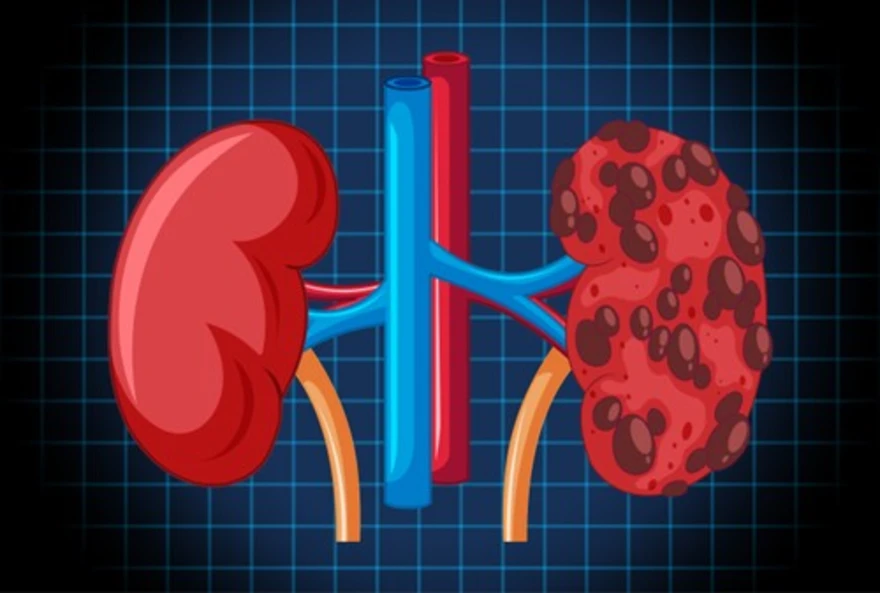
Table of Contents
- What are Kidney Cysts?
- Types of Kidney Cysts
- What Causes Kidney Cysts?
- Symptoms of Kidney Cysts
- Complications of Kidney Cysts
- How Kidney Cysts Are Diagnosed
- Treatment for Kidney Cysts
- Lifestyle Tips for Kidney Health
- Kidney Cysts vs. Polycystic Kidney Disease (PKD)
- When to See a Doctor
- Conclusion
- FAQs
- References
What are Kidney Cysts?
A kidney cyst is a round, fluid-filled sac that forms on or within the kidney. It becomes increasingly common with age, affecting nearly half of adults over 50. Most are simple cysts with thin walls and clear fluid, which are benign and rarely cause problems. In contrast, complex cysts have thicker walls, internal septations, or solid components and may require closer monitoring or treatment depending on their size, location, and imaging features.
Types of Kidney Cysts
Understanding different kidney cyst types helps you recognise which ones might need medical attention:
- Simple kidney cysts: According to StatPearls (2023), simple renal cysts are the most common type, simple renal cysts are the most common type of kidney cyst, usually acquired rather than inherited. They affect about 25% of adults over 40 and nearly 50% over 50 and are typically asymptomatic. They are detected in imaging and require treatment if they grow large or become infected.
- Complex kidney cysts: These have thicker walls, internal separations, or solid areas. Complex cysts are classified using the Bosniak classification system, which stratifies cancer risk and guides management.
- Polycystic kidney disease (PKD) cysts: Multiple cysts caused by inherited genetic mutations. PKD can significantly impact kidney function and may lead to kidney disease over time.
- Acquired cystic kidney disease (ACKD) cysts: These develop in people with chronic kidney disease, particularly those on long-term dialysis treatment.
What Causes Kidney Cysts?
Understanding kidney cyst causes can help you better comprehend this condition, though many cases have no identifiable trigger:
- Age-related changes: The most common cause of kidney cysts is natural ageing. As you get older, your kidney tissue undergoes changes that may lead to cyst formation.
- Genetic factors: Inherited conditions, such as polycystic kidney disease, result from specific gene mutations that are passed down through families.
- Kidney disease complications: Chronic kidney disease and long-term dialysis can trigger acquired cystic kidney disease.
- Unknown factors: Many simple kidney cysts develop without any identifiable cause, making prevention challenging.
- Possible tubular blockage: Some researchers suggest that blockage of renal tubules may play a role in cyst formation, although this remains unproven.
Symptoms of Kidney Cysts
Most kidney cysts produce no symptoms, which is why they're often discovered accidentally during imaging tests for other conditions. However, when kidney cyst symptoms do occur, they typically include:
- Dull, aching pain: Persistent discomfort in your back, side, or upper abdomen may occur if cysts grow large enough to press against surrounding tissues or organs.
- Blood in urine: Also called haematuria, this symptom may indicate cyst rupture, infection, or other complications requiring immediate medical attention.
- Fever and chills: These signs suggest possible cyst infection, which needs prompt antibiotic treatment to prevent serious complications.
- Abdominal swelling: Large or multiple cysts can cause noticeable abdominal enlargement or tenderness when touched.
- High blood pressure: Rarely, kidney cysts can interfere with normal kidney function, leading to elevated blood pressure readings.
When Kidney Cysts Are Usually Asymptomatic
The vast majority of kidney cysts remain completely asymptomatic throughout a person's lifetime. Small, simple kidney cysts typically cause no discomfort, functional impairment, or health concerns. They're often discovered incidentally during imaging tests such as CT scans or ultrasounds performed for unrelated medical issues.
Because most kidney cysts are asymptomatic, many people live with them for years without realising they exist. Only when cysts grow significantly large, become infected, rupture, or press against surrounding structures do they typically produce noticeable symptoms requiring medical intervention.
Complications of Kidney Cysts
While most kidney cysts remain harmless, several complications can occur:
- Cyst infection: Bacteria can infect kidney cysts, causing fever, pain, and requiring antibiotic treatment. Infected cysts may need drainage procedures.
- Cyst rupture: Large cysts can burst, causing sudden, severe pain and potential internal bleeding that might require emergency medical care.
- Pressure effects: Large cysts can compress nearby organs, blood vessels, or kidney tissue, potentially impairing kidney function.
- Urine flow obstruction: Strategically located cysts might block normal urine drainage, leading to kidney swelling and functional impairment.
- Blood pressure elevation: Some kidney cysts can interfere with blood pressure regulation, contributing to hypertension development.
- Cancer concerns: Though rare, complex kidney cysts may indicate or develop into kidney cancer, requiring careful monitoring and evaluation.
How Kidney Cysts Are Diagnosed
Healthcare providers use several diagnostic approaches to identify and evaluate kidney cysts:
- Medical history and physical examination: The doctor assesses symptoms and family history and performs a physical exam to check for abdominal tenderness or palpable masses.
- Ultrasound imaging: This painless, non-invasive test uses sound waves to create detailed kidney images, easily identifying cyst presence, size, and basic characteristics.
- CT scan: Computed tomography provides more detailed cross-sectional images, helping distinguish between simple and complex cysts while assessing internal structures.
- MRI scan: Magnetic resonance imaging provides exceptional soft-tissue detail, particularly useful for evaluating complex cysts or when CT results are unclear.
- Blood and urine tests: Laboratory tests assess overall kidney function and check for signs of infection, kidney disease, or other complications.
Kidney Cyst Size and What It Means
Kidney cysts vary dramatically in size, from microscopic formations to large masses several centimetres across. Small cysts under two centimetres rarely cause problems and typically require only periodic monitoring. Medium-sized cysts measuring 2-4 centimetres may cause occasional discomfort but are usually manageable with observation.
Large cysts exceeding 4 centimetres are more likely to produce symptoms like abdominal pain, especially if they press against surrounding organs. However, size alone doesn't determine treatment necessity—your symptoms, cyst characteristics, and overall health status are equally important considerations in developing your management plan.
Treatment for Kidney Cysts
Most kidney cysts, especially simple and asymptomatic ones, don’t need treatment and are just monitored over time. Treatment is considered when cysts are complex or cause symptoms, with the approach tailored to factors like cyst type, size, your overall health, and long-term goals.
Management of Simple Kidney Cysts
- Regular monitoring: Periodic ultrasound or CT scans track cyst growth and detect any concerning changes over time.
- Symptom management: Pain relievers and supportive care address occasional discomfort when it occurs.
- Watchful waiting: Most simple cysts remain stable for years, requiring no active treatment beyond routine observation.
- Lifestyle modifications: Maintaining good kidney health through proper hydration and healthy habits supports overall kidney function.
Treatment for Complex Kidney Cysts
Complex kidney cysts require more intensive evaluation and management:
- Detailed evaluation: Complex cysts are assessed with CT or MRI (using the Bosniak classification), along with kidney function tests such as serum Cystatin C, estimated GFR with creatinine, and a Kidney Function Test (KFT).
- Specialist review: Urologists decide on surveillance vs. intervention (cyst excision, partial nephrectomy, ablation) based on cancer risk, cyst size, and symptoms.
- Biopsy and pathology: When malignancy or another serious condition is suspected, kidney biopsy and histopathological evaluation (including immunofluorescence, if indicated) help confirm the diagnosis.
- Genetic testing (when indicated): In multiple cysts or a strong family history, genetic testing may be advised.
Lifestyle Tips for Kidney Health
- Stay well-hydrated: Drink sufficient water daily to support kidney function and promote the elimination of waste products.
- Follow a balanced diet: Choose foods low in salt and processed ingredients, and avoid excessive protein intake to reduce kidney workload.
- Manage chronic conditions: Keep blood pressure and blood sugar levels within healthy ranges to prevent kidney damage.
- Avoid nephrotoxic substances: Limit overuse of nonsteroidal anti-inflammatory drugs (NSAIDs) and avoid excessive alcohol consumption, both of which can harm kidney tissue.
- Exercise regularly: Physical activity supports cardiovascular health and helps maintain healthy blood pressure levels.
- Avoid smoking: Tobacco use damages blood vessels and can worsen existing kidney problems.
Kidney Cysts vs. Polycystic Kidney Disease (PKD)
It's important to distinguish between simple kidney cysts and polycystic kidney disease. Simple kidney cysts are usually isolated, harmless formations that don't run in families or cause significant health problems. They typically remain stable throughout your lifetime without affecting kidney function.
Polycystic kidney disease (PKD), however, is an inherited genetic disorder that causes multiple cysts in both kidneys. PKD can lead to kidney enlargement, reduced kidney function, and eventually kidney failure requiring dialysis or transplantation. PKD may also cause cysts in other organs such as the liver and is associated with complications including hypertension, chronic pain, and recurrent urinary tract infections.
If you have a family history of PKD or multiple kidney cysts, genetic counselling and specialised testing may be recommended to determine your risk and develop appropriate monitoring strategies.
When to See a Doctor
- Persistent abdominal pain: Ongoing discomfort in your back, side, or upper abdomen, especially if it worsens over time.
- Blood in urine: Any amount of visible blood in your urine requires prompt medical evaluation to rule out serious complications.
- Signs of infection: Fever, chills, or tenderness over your kidney area may indicate cyst infection requiring antibiotic treatment.
- Urination difficulties: Problems with urination, including decreased output or difficulty passing urine, need immediate assessment.
- Unexplained high blood pressure: New or worsening hypertension might be related to kidney cyst complications.
- Family history concerns: If you have relatives with polycystic kidney disease and develop symptoms, seek genetic counselling and screening.
Conclusion
Understanding kidney cysts empowers you to make informed decisions about your health. Most simple cysts are harmless and only require monitoring, whereas complex or symptomatic cysts need timely evaluation and appropriate care. Regular checkups, appropriate diagnostic tests, and a healthy lifestyle play a key role in protecting long-term kidney function.
At Metropolis Healthcare, you can access 4,000+ tests, including specialised kidney profiles and full-body checkups, supported by accurate results, quick turnaround times, and strong home sample collection services across 4,600+ centres and 10,000+ touchpoints in India. With easy booking via website, call, app, or WhatsApp, Metropolis makes it convenient to stay proactive about your kidney health in partnership with your doctor.
FAQs
Are kidney cysts dangerous?
Most kidney cysts, particularly simple ones, are not dangerous and rarely cause health problems. They're commonly discovered accidentally during imaging tests and typically require only periodic monitoring. However, complex cysts, infected cysts, or those associated with polycystic kidney disease may have health implications requiring medical evaluation and treatment.
Can kidney cysts go away on their own?
Simple kidney cysts generally do not disappear spontaneously. They typically remain stable in size or grow slowly over time. While cyst rupture can occasionally cause a cyst to resolve, this is uncommon and usually associated with pain or other symptoms requiring medical attention.
Do kidney cysts cause back or side pain?
Most kidney cysts don't cause pain, especially smaller ones. However, larger cysts or those that become infected, rupture, or press against surrounding organs can cause dull, aching pain in your back, side, or upper abdomen. If you experience persistent pain, consult your healthcare provider for proper evaluation.
How fast do kidney cysts grow?
Kidney cyst growth rates vary significantly between individuals. Simple cysts typically grow slowly over years, with some studies suggesting they may double in size over a decade. Rapid cyst growth should be evaluated promptly, as it might indicate complications or the need for closer monitoring.
Can you prevent kidney cysts?
There's no known way to prevent simple kidney cysts because their exact cause remains unclear. Maintaining overall kidney health through proper hydration, a balanced diet, blood pressure control, and avoiding nephrotoxic substances may support kidney function, but doesn't specifically prevent cyst formation.
Do kidney cysts affect kidney function?
Most simple kidney cysts don't affect kidney function. However, large or numerous cysts, or those associated with polycystic kidney disease, can impair kidney function by compressing healthy tissue or obstructing urine flow. Regular monitoring helps detect functional changes that require intervention.
References
- https://www.ncbi.nlm.nih.gov/books/NBK499900/
- https://my.clevelandclinic.org/health/diseases/15471-kidney-cysts
- https://medlineplus.gov/kidneycysts.html
- https://www.niddk.nih.gov/health-information/kidney-disease/kidney-cysts
- https://www.kidney.org/atoz/content/kidneycysts
- https://radiologyinfo.org/en/info/kidneycyst