Home Visit
 Upload






Preventive Healthcare
Polycystic Kidney Disease (PKD): Causes, Symptoms, And Treatment
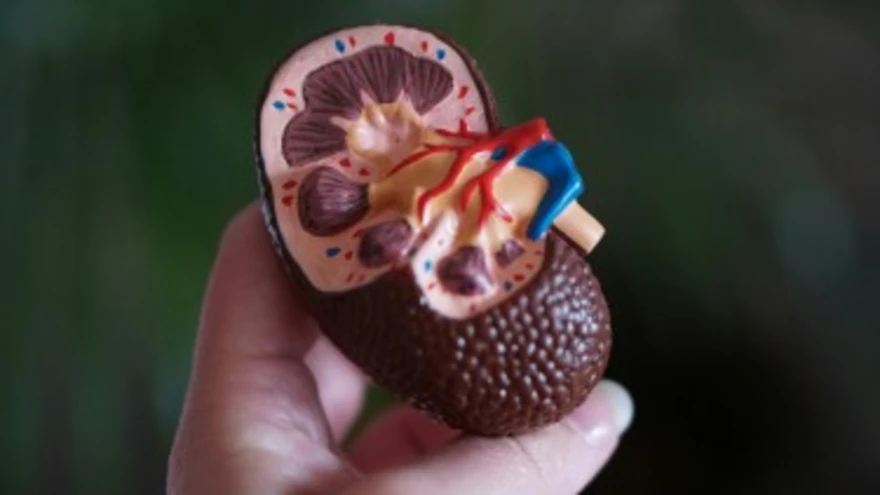
Table of Contents
- What Is Polycystic Kidney Disease (PKD)?
- Types of PKD
- Symptoms of Polycystic Kidney Disease
- Causes & Risk Factors
- How PKD Affects the Body
- Complications of PKD
- Diagnosis of Polycystic Kidney Disease
- Tests for Polycystic Kidney Disease
- Treatment & Management Options
- Lifestyle & Dietary Management
- Preventing Kidney Damage
- Living With PKD
- When to See a Doctor
- Conclusion
- FAQs
- References
What Is Polycystic Kidney Disease (PKD)?
Polycystic Kidney Disease (PKD) is a genetic disorder in which clusters of fluid-filled sacs called cysts develop primarily within the kidneys. These cysts gradually enlarge the kidneys and interfere with their ability to filter waste efficiently over time. Unlike simple kidney cysts that are harmless, PKD cysts can grow in both kidneys and alter the normal structure of the organ, leading to chronic kidney disease (CKD) or kidney failure if left untreated.
PKD can also cause cysts in other organs such as the liver, pancreas, and spleen, and may be linked with conditions like high blood pressure, aneurysms, and cardiac valve disorders. The severity varies from person to person, even within the same family, depending on the genetic mutation involved.
Types of PKD
Polycystic kidney disease is classified into two main types based on inheritance patterns: Autosomal Dominant PKD (ADPKD) and Autosomal Recessive PKD (ARPKD).
Autosomal Dominant PKD (ADPKD)
According to the National Institutes of Health (NIH), this is the most common form of PKD, accounting for nearly 90% of all cases. ADPKD typically manifests in adulthood (between 30 and 40 years of age), although symptoms may appear earlier in some individuals. A person with this form has a 50% chance of passing the defective gene to their children.
The disease progresses slowly, with cysts increasing in size and number over decades, causing gradual deterioration of kidney function. Common early signs include flank pain, blood in the urine, and high blood pressure.
Complications like kidney stones, liver cysts, or aneurysms may occur as the disease advances. Although progressive, with proper medical management, many patients maintain kidney function for years before requiring dialysis or transplantation.
Autosomal Recessive PKD (ARPKD)
Autosomal Recessive PKD (ARPKD) is rare and is typically diagnosed in infancy or early childhood. Both parents must carry and pass on the defective gene for the child to develop the condition.
It often leads to enlarged kidneys at birth, lung underdevelopment, and liver fibrosis, which can cause serious complications early in life. Advances in neonatal care and early intervention have improved survival, but lifelong medical monitoring is required. Unlike ADPKD, ARPKD’s progression is more rapid and often affects both kidney and liver function simultaneously.
Symptoms of Polycystic Kidney Disease
Symptoms may develop slowly and differ between individuals, but the most common ones include:
- Persistent pain or heaviness in the back, sides, or abdomen
- High blood pressure (hypertension) is often the first detectable sign.
- Blood in the urine (haematuria), often due to cyst rupture or infection
- Frequent urinary tract infections (UTIs)
- Kidney stones may form and cause sharp flank pain.
- Swollen abdomen from enlarged kidneys
- Fatigue, weakness, and pallor due to anaemia
- Swelling in the legs, ankles, or feet
- Headaches, sometimes due to elevated blood pressure or aneurysms
Since PKD develops silently in many patients, routine kidney function tests and ultrasound screenings are critical for early detection.
Causes & Risk Factors
The root cause of PKD lies in genetic mutations that affect how kidney cells grow and function.
Three key genes associated with PKD include:
- PKD1 (responsible for 85% of ADPKD cases)
- PKD2 (milder, slower progression)
- PKHD1 (associated with ARPKD)
These genes code for proteins that regulate kidney structure. When mutations occur, cells proliferate abnormally, leading to cyst formation and fluid accumulation.
Risk factors include:
- A family history of PKD (the most significant predictor)
- Having one or both parents with the defective gene
- Uncontrolled hypertension, which accelerates cyst growth
- Obesity, diabetes, and other chronic conditions that stress the kidneys
- Smoking and excessive alcohol consumption, which can accelerate kidney damage
How PKD Affects the Body
PKD is not limited to kidney damage; it’s a systemic disorder with multiple complications.
As cysts grow, they compress surrounding kidney tissue, reducing filtration capacity and causing waste products to accumulate in the bloodstream. Over time, this can cause chronic kidney disease (CKD) and end-stage renal disease (ESRD).
Other organs can also be affected:
- Liver: Cysts may develop, causing liver enlargement.
- Heart: Long-term hypertension may lead to heart failure or valvular disease.
- Brain: Increased risk of aneurysms or bleeding.
- Digestive system: Some patients develop diverticulosis (small bulges in the colon wall).
Thus, PKD requires multidisciplinary management, involving nephrologists, cardiologists, and genetic counsellors.
Complications of PKD
- Chronic Kidney Disease (CKD) or kidney failure
- Liver cysts and hepatic enlargement
- Hypertension and cardiovascular issues
- Brain aneurysms leading to stroke risk
- Recurrent UTIs and kidney infections
- Pregnancy complications in women with severe PKD
- Chronic pain and fatigue due to enlarged kidneys
- Electrolyte imbalances in advanced stages
Timely diagnosis and regular monitoring can help manage or delay these complications.
Diagnosis of Polycystic Kidney Disease
PKD is usually diagnosed through a combination of medical history, physical examination, and imaging tests:
- Family history assessment: Determines hereditary risk.
- Physical examination: Detects enlarged kidneys or hypertension.
- Ultrasound imaging: The primary tool for identifying cysts in both kidneys.
- CT scan or MRI: Offers detailed visualisation of cyst size, number, and progression.
- Blood and urine tests: Evaluate kidney function by measuring creatinine, urea, and protein levels.
- Genetic testing: It confirms specific gene mutations, crucial for family planning and early intervention.
Early diagnosis allows physicians to begin preventive management, delaying or avoiding kidney failure.
Tests for Polycystic Kidney Disease
There are comprehensive diagnostic solutions for PKD detection and monitoring, including:
- KFT Panel
- Urine Routine & Microscopy
- Ultrasound Abdomen/Kidney
- CT/MRI Abdomen
- Genetic Tests for PKD1, PKD2, and PKHD1 mutations
- Chronic Kidney Disease (CKD) Screening Package
These tests help monitor progression and enable early intervention before complications arise.
Treatment & Management Options
While there’s no definitive cure for PKD, treatments focus on slowing progression, managing symptoms, and preventing complications.
- Blood pressure control: Key to protecting kidney function. Medications like ACE inhibitors and ARBs are commonly prescribed.
- Pain management: Over-the-counter pain relievers (under medical advice) or cyst drainage in severe cases.
- Infection control: Antibiotics for urinary tract or cyst infections.
- Tolvaptan therapy: A vasopressin receptor antagonist shown to slow cyst growth and preserve kidney function in eligible patients under specialist supervision.
- Dialysis or kidney transplant: May be required in end-stage disease when kidney function becomes severely impaired.
Medications Used
- Tolvaptan (Jynarque): Reduces cyst development and preserves kidney tissue.
- Diuretics: Control swelling and blood pressure.
- Erythropoietin: Treats anaemia in CKD stages.
- Pain-relief medications: Prescribed judiciously to avoid kidney stress.
Regular follow-ups are crucial to evaluate therapy response and adjust medications accordingly.
Lifestyle & Dietary Management
A healthy lifestyle significantly slows PKD progression and improves quality of life.
- Limit salt and processed food to maintain optimal blood pressure.
- Stay hydrated, but avoid excessive fluid intake.
- Limit caffeine and alcohol intake, as excessive consumption may place additional strain on the kidneys.
- Follow a balanced, kidney-friendly diet rich in fruits and vegetables.
- Exercise regularly to maintain a healthy weight and manage blood pressure.
- Quit smoking, as it accelerates kidney and heart damage.
- Monitor blood sugar and cholesterol levels regularly.
Preventing Kidney Damage
Preventive care is the cornerstone of living with PKD.
- Get regular kidney function tests and ultrasound scans to monitor progression.
- Control blood pressure and blood sugar through medication and lifestyle changes.
- Follow a low-salt, balanced diet and avoid processed or high-sodium foods.
- Stay hydrated, but avoid excessive fluid intake unless advised by a doctor.
- Use painkillers such as NSAIDs cautiously and only under medical advice, as they may further impair kidney function.
- Quit smoking and limit alcohol or caffeine to reduce strain on the kidneys.
- Maintain a healthy weight with regular exercise and balanced nutrition.
- Manage cholesterol levels and take prescribed medicines regularly.
- Consult a nephrologist for periodic reviews and timely intervention.
Living With PKD
Living with polycystic kidney disease (PKD) requires consistent medical follow-up, healthy lifestyle choices, and emotional resilience. While the condition cannot be cured, its progression can be slowed with regular check-ups, controlled blood pressure, and a kidney-friendly diet. Patients should stay hydrated, avoid smoking and excessive salt intake, and manage comorbidities like diabetes and hypertension carefully.
Equally important is emotional and social support. Joining patient groups, consulting genetic counsellors, and staying informed about new treatments can help individuals and families cope better. With proper management and regular health monitoring, people with PKD can continue to lead active, productive, and fulfilling lives.
When to See a Doctor
You should consult a nephrologist if you experience:
- Persistent flank or back pain
- Blood in urine or frequent infections
- Uncontrolled blood pressure despite medication
- Swelling in the feet or abdomen
- Family history of PKD and symptoms like frequent urination or fatigue
Prompt evaluation can help preserve kidney function and prevent further complications.
Conclusion
Polycystic kidney disease (PKD) is a chronic yet manageable condition. With early diagnosis, regular monitoring, and guided medical care, individuals can maintain kidney function and lead healthy, fulfilling lives. Proactive testing and lifestyle management play a key role in slowing disease progression and preventing complications.
Metropolis Healthcare offers comprehensive diagnostic support for PKD, from kidney function tests and advanced imaging to genetic analysis. With 4000+ tests, full body checkups, and a home collection network of 10,000+ touchpoints, Metropolis ensures accurate results, quick turnaround, and convenient booking through the website, app, call, or WhatsApp, helping patients stay one step ahead in their kidney health journey.
FAQs
Is PKD curable?
Currently, there is no cure for PKD. However, treatments like Tolvaptan and lifestyle management can slow cyst growth and delay kidney failure.
What are the early signs of PKD?
The early signs of PKD include high blood pressure, pain in the sides or back, blood in the urine, an enlarged abdomen, or recurrent UTIs.
Can PKD lead to kidney failure?
Yes. Over time, cysts replace normal tissue, leading to end-stage renal disease (ESRD). Dialysis or transplantation becomes necessary.
Is PKD inherited?
Yes, PKD is a genetic condition passed down through families. Genetic testing can identify at-risk individuals early.
How long can a person live with PKD?
With appropriate medical care and lifestyle management, many individuals with ADPKD can live well into their 60s or 70s. Early management is key to improving outcomes.
Can diet help manage PKD?
Yes. A low-sodium, balanced diet supports blood pressure control and kidney health, complementing medical treatment.
References
- https://www.ncbi.nlm.nih.gov/books/NBK532934/
- https://www.mayoclinic.org/diseases-conditions/polycystic-kidney-disease/symptoms-causes/syc-20352820
- https://www.kidney.org/kidney-topics/polycystic-kidney-disease
- https://my.clevelandclinic.org/health/diseases/5791-polycystic-kidney-disease