Home Visit
 Upload






Preventive Healthcare
Indian Breakfast for Weight Loss: Healthy and Filling Meal Ideas
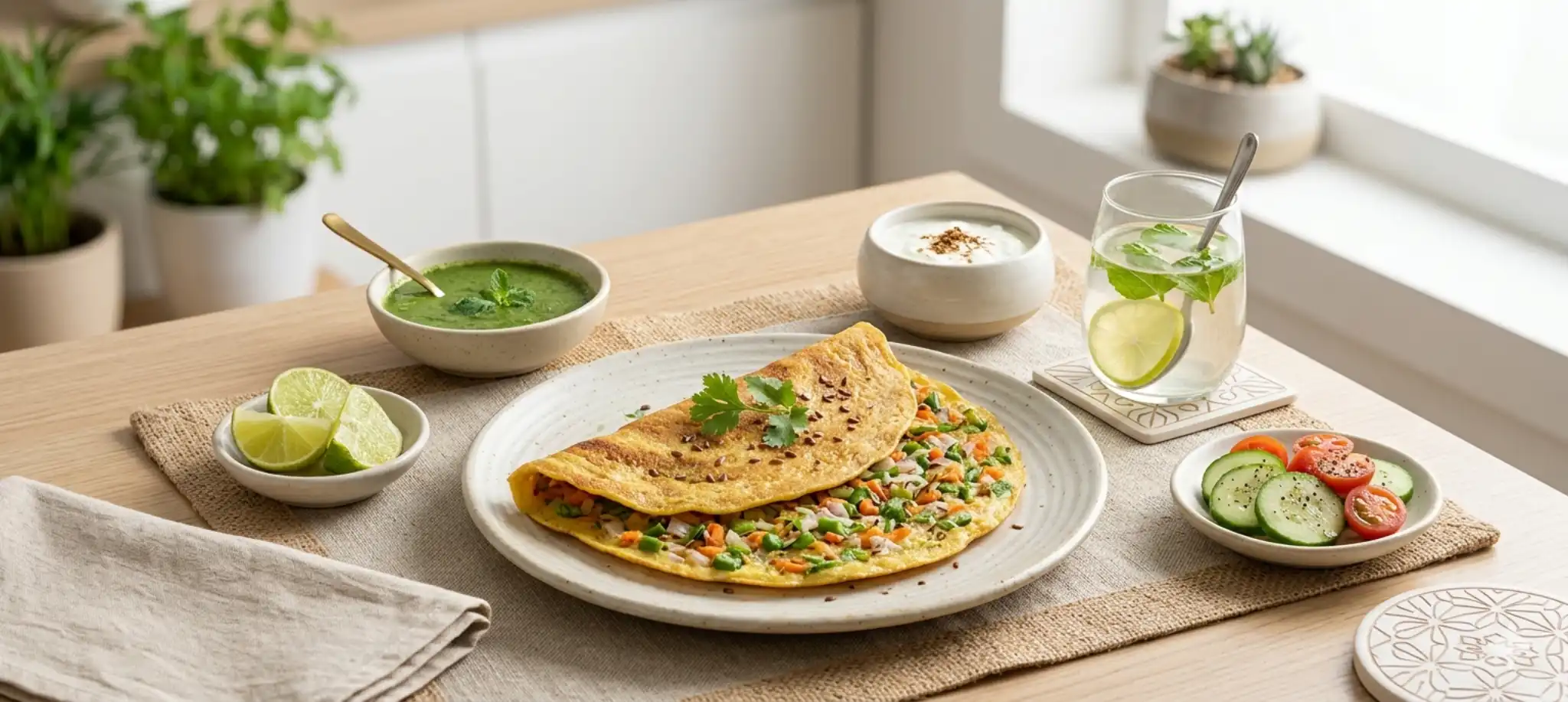
Table of Contents
- What Makes a Good Weight Loss Breakfast?
- Best Low-Calorie Indian Breakfast Options
- Why These Breakfasts Support Weight Loss
- Indian Breakfast Recipes to Try for Weight Loss
- A 7-Day Indian Weight Loss Breakfast Plan
- Simple Tips to Make Your Breakfast More Weight-Loss Friendly
- Frequently Asked Questions
- References
Breakfast is the most important meal of the day, especially when you are trying to lose weight. What you eat in the morning sets the tone for your energy levels, hunger, and food choices for the rest of the day. The good news is that Indian cuisine has always had a treasure trove of breakfasts that are naturally light, nourishing, and deeply satisfying. You do not need to overhaul your kitchen or follow a foreign diet plan. The answer may already be in your own thali.
What Makes a Good Weight Loss Breakfast?
Not every breakfast supports weight loss. A good one does three things: it keeps you full, fuels your body, and does not load you with excess calories.
When building a weight loss breakfast, aim for these qualities:
- High in protein. Protein takes longer to digest, keeps hunger at bay, and has a higher thermic effect, meaning your body burns more calories just processing it. Aim for at least 10 to 15 grams of protein per breakfast.
- Rich in fibre. Fibre slows digestion, stabilises blood sugar, and prevents mid-morning cravings. Foods like oats, ragi, moong dal, and vegetables are excellent sources.
- Low in refined carbohydrates. Refined flour and sugary foods cause quick blood sugar spikes followed by crashes, leaving you hungry sooner. Choose whole grains and complex carbohydrates instead.
- Minimal oil. Cooking with less than one teaspoon of oil per serving significantly reduces calorie load without compromising on taste.
- Portion appropriate. Even healthy foods can hinder weight loss if eaten in excess. A good weight loss breakfast should ideally stay under 400 calories with no more than 12.5 grams of total fat.
Traditional Indian breakfasts, when prepared smartly, naturally meet most of these criteria.
Best Low-Calorie Indian Breakfast Options
Here are some of the best Indian breakfasts that are low in calories, high in nutrition, and genuinely satisfying:
- Moong Dal Chilla: A thin savoury pancake made from green moong dal batter, packed with plant-based protein and iron. Add onions, tomatoes, and green chillies for extra flavour and fibre.
- Besan Chilla: Made from chickpea flour, besan chilla is high in protein and fibre. Stuff it with paneer or vegetables for a more filling meal.
- Vegetable Poha: Flattened rice cooked with mustard seeds, turmeric, peas, and vegetables. Add roasted peanuts for a protein boost and a squeeze of lemon for freshness.
- Oats Upma or Quinoa Upma: A modern twist on the classic upma, using oats or quinoa instead of semolina. Both are higher in fibre and protein, making them excellent for weight loss.
- Ragi Dosa: Made from finger millet flour, ragi dosa is low in fat, high in calcium, and has a low glycaemic index, making it ideal for sustained energy.
- Idli with Sambar: Steamed idlis are naturally low in fat. Pair them with a vegetable-rich sambar for a gut-friendly, protein-adequate breakfast.
- Egg Bhurji or Paneer Bhurji: Scrambled eggs or crumbled paneer cooked with onions, tomatoes, and spices. Both are protein-dense options that keep you full for hours.
- Sprouted Moong Salad: Raw or lightly steamed sprouted moong beans tossed with vegetables, lime juice, and roasted cumin. High in protein, fibre, and micronutrients.
- Daliya (Broken Wheat Porridge): A wholesome porridge made from broken wheat, rich in fibre and complex carbohydrates. Cook it savoury with vegetables or mildly sweet with a touch of jaggery.
Why These Breakfasts Support Weight Loss
Indian breakfasts have a natural advantage when it comes to weight management, and science backs this up.
- Protein reduces hunger hormones. Research shows that a protein-rich breakfast raises levels of peptide YY, a hormone that signals fullness, while lowering ghrelin, the hunger hormone. This means you eat less throughout the day without actively trying to restrict yourself.
- Fibre slows digestion. Ingredients like ragi, oats, moong dal, and vegetables slow the rate at which food leaves your stomach. This keeps you satisfied longer and prevents unnecessary snacking before lunch.
- Fermented foods support gut health. Idlis, dosas, and dhokla go through fermentation, which enhances nutrient absorption and supports a healthy gut microbiome. A healthy gut is increasingly linked to better weight management.
- Indian spices boost metabolism. Cumin, turmeric, ginger, mustard seeds, and coriander, all staples in Indian cooking, have well-documented benefits for digestion and fat metabolism. They add flavour without adding calories.
- The thermic effect of protein. Your body burns approximately 20 to 30% of the calories from protein just to digest it, compared to only 5 to 10% for carbohydrates. Starting your morning with a protein-forward meal means your metabolism gets an early boost.
Put together, these factors create a breakfast that works with your body, not against it.
Indian Breakfast Recipes to Try for Weight Loss
1. Moong Dal Chilla with Paneer Stuffing
Approximate calories: 280 | Protein: 20 to 25g
Ingredients:
- 100g whole moong dal, soaked for 2 to 3 hours
- 50g crumbled paneer
- 1 small onion, finely chopped
- 1 small tomato, finely chopped
- Fresh coriander
- Green chilli, ginger, cumin, turmeric, salt to taste
- Less than 1 tsp oil
Method:
Blend soaked moong dal with ginger, green chilli, cumin, and salt into a smooth batter. Heat a non-stick pan and lightly grease it. Pour a ladle of batter, spread thin, and cook on medium heat. Add the paneer stuffing mixed with onions, tomatoes, coriander, and spices on one half. Fold and cook until golden on both sides. Serve with mint chutney or low-fat yogurt.
2. Vegetable Oats Upma
Approximate calories: 220 | Protein: 8 to 10g
Ingredients:
- 1 cup rolled oats
- 1 small onion, chopped
- 1 small carrot, diced
- Handful of peas
- Mustard seeds, curry leaves, green chilli
- Turmeric, salt to taste
- Less than 1 tsp oil
- Lemon juice to finish
Method:
Dry roast oats for 2 minutes and set aside. Heat oil in a pan, add mustard seeds and curry leaves, then sauté onions until translucent. Add vegetables and cook for 3 to 4 minutes. Add 1.5 cups of water, bring to a boil, and stir in oats. Cook on low heat until the mixture thickens. Finish with a squeeze of lemon juice and fresh coriander.
3. Ragi Dosa with Coconut Chutney
Approximate calories: 200 | Protein: 6 to 8g
Ingredients:
- 1 cup ragi flour
- 2 tbsp urad dal batter (or curd as a quick alternative)
- Salt, cumin, curry leaves to taste
- Water to adjust consistency
- Less than 1 tsp oil
Method:
Mix ragi flour with urad dal batter or curd and water to form a thin, pourable batter. Rest for 15 minutes. Heat a non-stick tawa, grease lightly, and pour a ladle of batter. Spread into a thin round and cook until the edges lift. Serve with fresh coconut chutney or tomato chutney.
4. Sprouted Moong Salad with Roasted Peanuts
Approximate calories: 200 | Protein: 14 to 16g
Ingredients:
- 1 cup sprouted moong beans, lightly steamed
- 1 small tomato, diced
- Half a cucumber, diced
- 1 small carrot, grated
- 2 tbsp roasted peanuts
- Roasted cumin powder, chaat masala, lime juice, salt
Method:
Combine all vegetables with the sprouted moong. Add roasted peanuts for crunch and protein. Toss with lime juice, cumin powder, chaat masala, and salt. Serve fresh. No cooking required on busy mornings.
5. Paneer Bhurji on Whole Wheat Toast
Approximate calories: 300 | Protein: 18 to 20g
Ingredients:
- 100g crumbled paneer
- 1 small onion, finely chopped
- 1 small tomato, finely chopped
- Green chilli, turmeric, cumin, garam masala, salt
- Fresh coriander
- 2 slices whole wheat bread
- Less than 1 tsp oil
Method:
Heat oil in a pan, sauté onions until soft, add tomatoes and cook until the mixture thickens. Add crumbled paneer and spices, stir well, and cook for 2 to 3 minutes. Top onto toasted whole wheat bread. Serve with a side of sliced cucumber or a small bowl of curd.
A 7-Day Indian Weight Loss Breakfast Plan
Use this as a flexible guide. Swap options based on what ingredients you have and what your taste prefers on a given day.
|
Day |
Breakfast |
|
Monday |
Vegetable Poha with roasted peanuts and lemon |
|
Tuesday |
Moong Dal Chilla with mint chutney and curd |
|
Wednesday |
Oats Upma with mixed vegetables |
|
Thursday |
Ragi Dosa with coconut chutney and sambar |
|
Friday |
Besan Chilla stuffed with paneer and vegetables |
|
Saturday |
Sprouted Moong Salad with roasted peanuts |
|
Sunday |
Paneer Bhurji on whole wheat toast with a side of curd |
Pair each breakfast with a glass of warm lemon water or green tea to support digestion and metabolism.
Simple Tips to Make Your Breakfast More Weight-Loss Friendly
Small changes to how you prepare your breakfast can make a significant difference over time:
- Swap your base ingredient. Use ragi, oats, quinoa, or multigrain flour instead of refined semolina or maida for higher fibre and a lower glycaemic index.
- Use minimal oil. Stick to less than one teaspoon of oil per serving. A good non-stick pan makes this easy without compromising texture.
- Add protein to every breakfast. Include eggs, paneer, dal, sprouts, or yogurt in some form. Even a small side of curd or a boiled egg alongside your poha counts.
- Start with a metabolism booster. Drink warm lemon water, green tea, or cinnamon water before breakfast to gently activate digestion.
- Prep the night before. Soak dal or ferment batter overnight, chop vegetables, or batch-cook sprouts on the weekend. Morning prep time drops to under 10 minutes.
- Control portions without counting calories. Two medium chillas, one katori of upma with a side salad, or two idlis with sambar is usually adequate. Avoid second helpings.
- Avoid fried versions. Choose steamed, tossed, or lightly pan-cooked preparations over deep-fried alternatives.
Frequently Asked Questions
Can I Lose Weight by Eating Indian Breakfasts?
Yes, absolutely. Many traditional Indian breakfasts are naturally low in calories, high in fibre, and rich in nutrients. The key lies in how you prepare them. Use minimal oil, choose whole grain bases, and include a source of protein in every breakfast. When done consistently, a smart Indian breakfast can support steady and sustainable weight loss without leaving you hungry or deprived.
What Are the Best Low-Calorie Indian Breakfasts for Weight Loss?
Some of the best options include moong dal chilla, ragi dosa, vegetable oats upma, sprouted moong salad, idli with sambar, and paneer bhurji on whole wheat toast. These options are generally under 300 to 350 calories per serving, rich in protein and fibre, and easy to prepare at home with everyday ingredients.
How Can I Include More Protein in My Indian Breakfast?
There are several simple ways to boost the protein content of your morning meal. Add crumbled paneer as a stuffing to chillas or parathas. Include a boiled egg or egg bhurji on the side. Use moong dal or besan as your batter base instead of refined flour. Stir sprouts into your upma or poha. A small bowl of curd or Greek yogurt alongside your breakfast also adds meaningful protein.
Is an Indian Breakfast Effective When on GLP-1 Medications?
If you are on GLP-1 medications for weight management, your appetite is likely reduced, and small, nutrient-dense meals become especially important. A light, high-protein Indian breakfast such as a moong dal chilla or a small serving of paneer bhurji with whole wheat toast fits well into a GLP-1 diet plan. These meals are easy to digest, protein-rich, and help maintain muscle mass during weight loss. If you are exploring GLP-1 as part of your weight management journey, speak to your doctor, and consider getting a GLP-1 test package or GLP-1 monitor package to understand your baseline and track your progress.
Should I Skip Breakfast to Lose Weight Faster?
Skipping breakfast is not recommended for most people trying to lose weight. Going without food in the morning often leads to stronger hunger later in the day, making it harder to control portions at lunch and dinner. Research suggests that eating a protein and fibre-rich breakfast reduces total calorie intake across the day. If you genuinely have no appetite in the morning, start small with a handful of sprouts or a small bowl of curd and fruit, and build from there.
Healthy Indian breakfasts are not just good for weight loss. They are a simple, consistent way to take care of your overall health. When you eat well in the morning, you make better choices all day long.
If you are on a weight loss journey, it is also worth checking in on your health markers regularly. Routine blood tests and full body checkups give you a clearer picture of how your body is responding to lifestyle changes. With Metropolis Healthcare, you can book tests easily from home. Their strong home sample collection network, accurate reports, and quick turnaround time make preventive health monitoring simple and stress-free. Think of it as pairing your healthy breakfast habit with a habit of knowing your numbers.
References
- Leidy HJ, Clifton PM, Astrup A, et al. The role of protein in weight loss and maintenance. Am J Clin Nutr. 2015;101(6):1320S-1329S. PMID: 25926512.
- Westerterp-Plantenga MS, Lemmens SG, Westerterp KR. Dietary protein — its role in satiety, energetics, weight loss and health. Br J Nutr. 2012;108(S2):S105-S112. PMID: 23107521.
- Dhurandhar EJ, Dawson J, Alcorn A, et al. The effectiveness of breakfast recommendations on weight loss: a randomised controlled trial. Am J Clin Nutr. 2014;100(2):507-513. PMID: 24898236.
- Slavin JL. Dietary fiber and body weight. Nutrition. 2005;21(3):411-418. PMID: 15797686.
- Halton TL, Hu FB. The effects of high protein diets on thermogenesis, satiety and weight loss: a critical review. J Am Coll Nutr. 2004;23(5):373-385. PMID: 15466943.
- World Health Organization. Healthy diet. WHO Fact Sheet. Geneva: WHO; 2020.