Home Visit
 Upload






Preventive Healthcare
Hair Fall in Women: Causes, Hormonal Links & Treatments
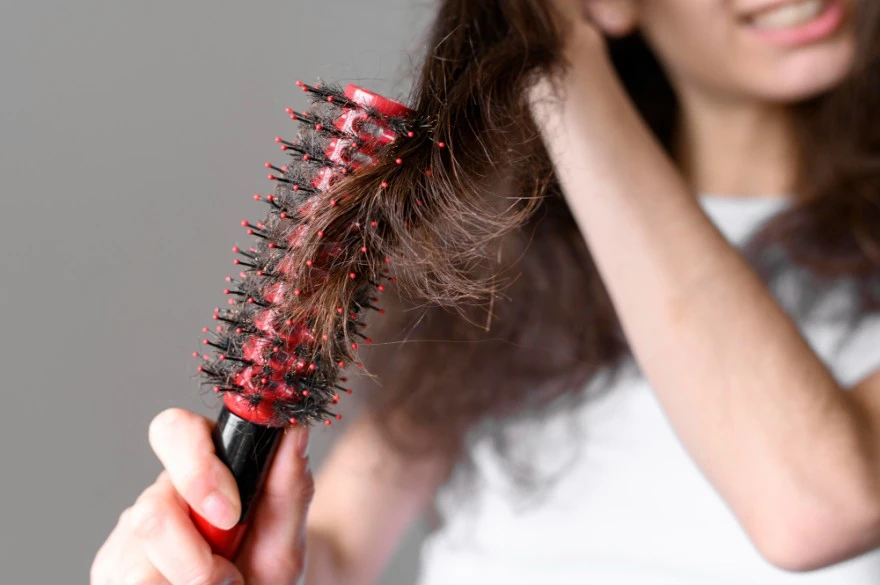
Table of Contents
Hair Fall in Women
Hair fall in women is a common concern that can range from mild thinning to significant hair loss. According to the American Academy of Dermatology Association, it’s normal to shed about 50–100 hairs each day as part of the natural hair growth cycle. However, when this process becomes excessive or follicles are damaged, noticeable thinning occurs.
Many women experience seasonal variations, with seasonal hair fall during monsoon and winter being particularly common due to humidity changes and reduced sunlight exposure affecting hair health.
The key lies in identifying whether the causes of hair loss are hormonal, genetic, medical, or lifestyle-related. Early intervention significantly improves treatment outcomes and prevents progression.
What Causes Hair Fall in Women?
Female pattern hair loss, a genetic condition influenced by hormones, represents the most common type, affecting the crown and top of the scalp while typically preserving the frontal hairline. Telogen effluvium causes another frequent pattern, where significant physical or emotional stress pushes large numbers of hairs into the resting phase simultaneously. Major life events such as childbirth, serious illness, surgery, rapid weight loss, or intense psychological stress can trigger this type of diffuse shedding.
Medical conditions such as thyroid disorders, polycystic ovary syndrome (PCOS), iron-deficiency anemia, and autoimmune diseases can disrupt normal hair growth. Additionally, certain medications, nutritional deficiencies, and harsh hair care practices may damage follicles or interfere with healthy growth cycles.
Hormonal Links to Hair Fall
Androgens, particularly dihydrotestosterone (DHT), can miniaturise hair follicles in genetically predisposed women, leading to progressive thinning characteristic of female pattern hair loss. Oestrogen levels play a major role in maintaining hair health. During menopause, declining estrogen levels reduce protection for hair follicles, often resulting in increased shedding and thinning. Pregnancy and the postpartum period also cause hormonal fluctuations that can trigger temporary hair loss (postpartum telogen effluvium).
Both hypothyroidism and hyperthyroidism can cause diffuse hair loss, making thyroid function testing crucial when evaluating the causes of hair fall in women. Other hormones, including prolactin, growth hormone, and cortisol, also influence hair health and can contribute to various forms of alopecia.
Common Symptoms of Hair Fall in Women
- Gradual thinning on the crown and along your parting line, particularly noticeable in bright lighting or photographs.
- Widened part that reveals more scalp than previously visible.
- Excessive shedding on pillows, in shower drains, or on hairbrushes, significantly more than the normal 50-100 hairs daily.
- Sudden diffuse hair loss occurring weeks to months after major illness, surgery, childbirth, or severe stress.
- Patchy bald spots that may indicate autoimmune conditions like alopecia areata.
- Receding frontal hairline or temple thinning, which can suggest hormonal influences.
- Scalp sensitivity, including itching, burning, or tenderness, potentially indicating inflammatory conditions.
- Thinning of eyebrows or body hair alongside scalp hair loss, suggesting systemic causes.
The Role of Stress in Hair Fall
Physical stressors such as high fever, major surgery, or rapid weight loss can trigger telogen effluvium, where stress hormones push large numbers of follicles into the resting phase simultaneously. Chronic psychological stress elevates cortisol levels, disrupting normal hair growth cycles and potentially accelerating genetic hair loss patterns. The causes of hair loss often include prolonged work pressure, relationship difficulties, or financial concerns that maintain elevated stress hormones over extended periods.
Diagnostic Tests for Identifying Hair Fall in Women
- Detailed medical history, including recent illnesses, medications, menstrual patterns, and family history of hair loss.
- Physical examination of the scalp, hair pattern, and overall health assessment.
- Pull test where gentle traction on hair clusters helps identify active shedding phases.
- Dermoscopy or trichoscopy providing magnified examination of follicles and hair shafts
- Scalp biopsy in select or complex cases helps distinguish between different types of alopecia.
- Blood tests tailored to clinical findings:
- Thyroid Profile Test
- CBC (Complete Blood Count) test and Ferritin Serum test for iron deficiency
- Vitamin D test and vitamin B12 test if nutritional deficiency is suspected
- Androgen profile or PCOS screening panels (Profile-1, -2, or -3) may be recommended for women showing PCOS symptoms
- DHEA (Dehydroepiandrostenedione), serum test and Testosterone Profile to assess hormone levels
Are Genetics a Factor in Hair Fall?
Genetics play a substantial role in female pattern hair loss, the most common cause of hair thinning in women. This condition involves inherited sensitivity of hair follicles to androgens and age-related hormonal changes, leading to progressive miniaturisation of follicles over time.
A family history on either the maternal or paternal side increases your risk, though the genetic patterns are complex and polygenic. You might develop female pattern hair loss even without an obvious family history, as multiple genes contribute to susceptibility, and environmental factors also influence expression.
Treatments for Hair Fall in Women
Effective treatment depends on accurate diagnosis, severity assessment, and individual patient factors. Evidence-based approaches include both topical and oral medications that promote hair growth or reduce hormonal effects on follicles.
Addressing underlying medical conditions is a crucial component of effective treatment. Correcting thyroid dysfunction, treating iron deficiency, managing PCOS, or adjusting medications that contribute to hair loss often produces significant improvement in hair growth patterns.
Dermatologists may recommend in-office procedures, such as corticosteroid injections for inflammatory conditions, low-level laser therapy, or platelet-rich plasma (PRP) treatments. In carefully selected cases, hair transplantation can provide excellent results for women with stable pattern hair loss and adequate donor hair availability.
Medical Treatments for Hair Fall
- Topical minoxidil (2% or 5%), FDA-approved first-line treatment that prolongs growth phase.
- Oral minoxidil, a low-dose option when topical therapy proves ineffective.
- Anti-androgen medications, such as spironolactone or certain oral contraceptives for hormonal causes.
- Corticosteroids in various forms for inflammatory or autoimmune causes.
- Targeted therapies, including JAK inhibitors for severe alopecia areata in specialist settings.
- Treatment of underlying conditions such as thyroid hormone replacement, iron supplementation, PCOS management.
- Low-level laser devices, which are FDA-cleared adjunct therapies, can help improve hair density.
- Hair transplantation may be considered for selected women with stable pattern hair loss and sufficient donor hair.
Natural Remedies for Hair Fall in Women
- Gentle hair care practices: Avoiding tight hairstyles, harsh chemicals, frequent high-heat styling, and aggressive brushing that can cause breakage.
- Proper scalp hygiene: Keeping the scalp clean, treating dandruff promptly, and avoiding irritating products.
- Evidence-based supplements: Iron, vitamin D, or other nutrients should only be taken when medically confirmed deficiencies exist.
- Scalp massage: May improve circulation, though evidence for hair growth benefits remains limited.
- Stress management techniques: Regular exercise, meditation, adequate sleep, and stress reduction strategies.
- Protective styling: Using silk pillowcases, gentle hair accessories, and avoiding tight ponytails or braids.
Diet and Nutrition for Healthy Hair
Proper nutrition supports optimal hair growth, though supplements should only be used when deficiencies are confirmed through testing. Hair follicles require adequate protein, iron, zinc, and vitamins for healthy function.
Include lean proteins, leafy greens, nuts, seeds, and fish in your diet to provide essential nutrients. Iron-rich foods like spinach, lentils, and lean meats support healthy blood oxygen transport to follicles.
Crash dieting or severe calorie restriction can trigger telogen effluvium, as the body prioritizes essential functions over hair growth during nutritional stress.
When to Seek Medical Help for Hair Loss
Consult a doctor if you notice sudden, significant hair loss, patchy bald spots, or hair loss accompanied by scalp irritation, pain, or other symptoms. Early intervention usually leads to better outcomes, especially for conditions such as alopecia areata or scarring alopecias.
Seek immediate medical attention if hair loss occurs alongside symptoms suggesting underlying medical conditions, such as fatigue, weight changes, irregular periods, or skin changes. These may indicate thyroid disorders, hormonal imbalances, or other systemic conditions requiring prompt treatment.
Conclusion
Hair fall in women stems from various causes, including hormones, genetics, stress, and medical conditions. The causes of hair loss range from temporary conditions like telogen effluvium to chronic issues requiring ongoing management. Whether you're experiencing hair fall in monsoon due to humidity and fungal infections or hair fall in winter from dry conditions and reduced circulation, identifying triggers helps guide appropriate interventions.
Effective treatment combines medical therapies with lifestyle modifications, nutritional support, and stress management. Early diagnosis and intervention significantly improve outcomes, making professional consultation essential for persistent hair loss.
At Metropolis Healthcare, we understand that diagnosing hair fall in women requires comprehensive testing to identify underlying causes. Our extensive portfolio of over 4,000 tests includes hormonal panels, nutritional assessments, and specialized profiles to accurately identify the causes of hair fall in women. With our convenient home sample collection service spanning 10,000+ touchpoints across India, you can access accurate diagnostics from the comfort of your home.
FAQs
What is the most common cause of hair loss in women?
The most common cause of hair loss in women is androgenetic alopecia (female-pattern hair loss). It results from genetics and hormonal sensitivity, leading to gradual thinning on the crown and part line.
How can I prevent hair loss in women?
- Maintain gentle hair care practices and avoid harsh styling
- Manage stress through regular exercise and relaxation techniques
- Ensure adequate nutrition with proper protein and iron intake
- Address underlying health conditions promptly
- Avoid crash dieting and extreme weight loss
Is hair loss a sign of something serious in women?
Most hair loss in women results from benign causes like genetics or temporary stress. However, sudden or severe hair loss may indicate underlying medical conditions requiring evaluation.
Can hormonal changes cause hair loss in women?
Yes, hormonal fluctuations during menopause, pregnancy, thyroid disorders, and PCOS commonly trigger hair loss through effects on hair growth cycles and follicle sensitivity.
When should I see a doctor for hair loss?
Consult a doctor for sudden hair loss, patchy bald spots, scalp irritation, or hair loss accompanied by other concerning symptoms like fatigue or weight changes.
Can stress cause hair loss in women?
Yes, both physical and emotional stress can trigger telogen effluvium, leading to noticeable diffuse hair shedding two to four months after a stressful event.
References
1. https://www.aad.org/public/diseases/hair-loss/insider/shedding
2. https://www.healthdirect.gov.au/female-pattern-hair-loss
3. https://my.clevelandclinic.org/health/diseases/16921-hair-loss-in-women
4. https://pmc.ncbi.nlm.nih.gov/articles/PMC6322157/
5. https://pmc.ncbi.nlm.nih.gov/articles/PMC10379895/