Home Visit
 Upload






Preventive Healthcare
General Anaesthesia: How It Works, Risks, Benefits & Precautions
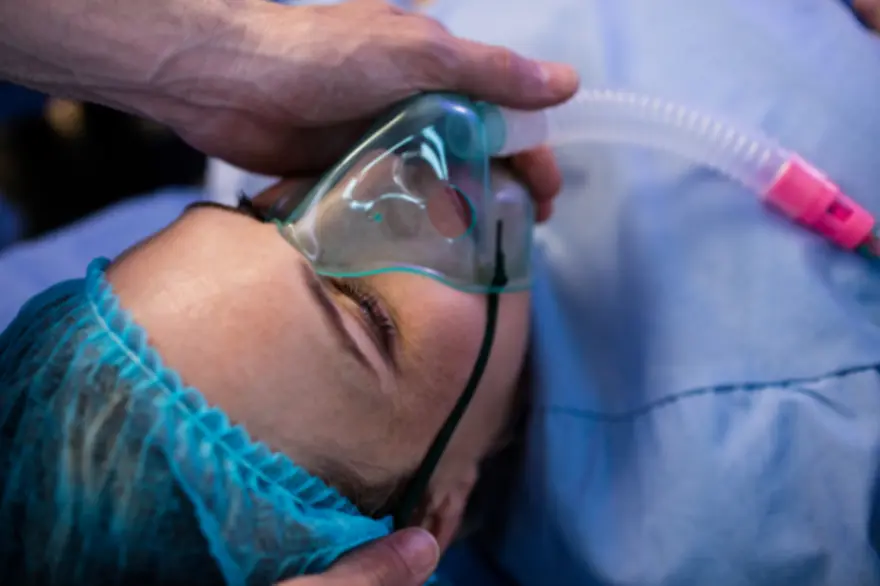
Table of Contents
- What Is General Anaesthesia?
- How Does General Anaesthesia Work?
- Types of Anaesthesia and How General Anaesthesia Differs
- Benefits of General Anaesthesia
- Risks and Side Effects of General Anaesthesia
- Who Should Avoid or Take Extra Precautions?
- Preparing for Surgery with General Anaesthesia
- Recovery After General Anaesthesia
- Conclusion: Ensuring a Safe Anaesthesia Experience
- FAQs
What Is General Anaesthesia?
General anaesthesia refers to a medically induced state in which you become completely unconscious and unresponsive to pain, even when exposed to intense stimuli. This loss of consciousness is achieved by administering a combination of medications, often intravenously or via inhalation, which temporarily block awareness, memory, sensation, and movement.
General anaesthesia is most commonly used during major surgeries or procedures that would otherwise be intolerably painful or distressing. During anaesthesia, your natural ability to breathe may be suppressed, so medical professionals carefully monitor and manage breathing, heart rate, and other vital functions to maintain safety throughout the procedure. The selection and dosing of anaesthesia drugs are tailored to you and the surgery, aiming for the optimal balance of unconsciousness, pain control, muscle relaxation, and safety.
How Does General Anaesthesia Work?
General anaesthesia works by depressing the central nervous system (CNS) to induce unconsciousness, memory loss, pain relief, and muscle relaxation. Anaesthetic agents, which may be given through inhalation or intravenous injection, act primarily on specific receptors in the brain and spinal cord.
These include:
- GABAA receptor activation: Most general anaesthetics enhance the effect of GABA, a neurotransmitter that inhibits neural activity, by binding to GABAA receptors. This results in widespread suppression of brain activity, leading to sedation and unconsciousness.
- NMDA receptor inhibition: Some agents block NMDA receptors, further reducing excitatory signals and contributing to loss of sensation and awareness.
- Multiple pathways: Rather than a single mechanism, general anaesthetics affect various ion channels and circuits, selectively disrupting the processing of sensory information and memory that defines consciousness.
- Drug combinations: Anaesthesia is usually achieved through a combination of drugs, including those for sedation, pain relief (analgesics), and muscle relaxation, tailored to the individual and procedure.
During surgery, anaesthesiologists carefully monitor and adjust medication levels to maintain the optimal depth of anaesthesia while supporting breathing and other vital functions. The goal is to tailor the drug combination to the individual patient and procedure, balancing unconsciousness, pain control, muscle relaxation, and safety.
Types of Anaesthesia and How General Anaesthesia Differs
There are several types of anaesthesia used in medical procedures, each with its own characteristics and applications:
- Local anaesthesia: It numbs a small, targeted area by blocking nerve signals. It is used for minor procedures like dental work, mole removal, or skin surgery. The patient remains fully conscious but experiences no pain in the specific area.
- Sedation (conscious or deep): Reduces anxiety and awareness; patients may feel relaxed or drowsy but can respond to verbal cues in conscious sedation. In deep sedation, responsiveness is limited, but the patient is not fully unconscious. Commonly used for procedures such as endoscopy or minor surgeries.
- Regional anaesthesia: Blocks sensation in a larger part of the body by targeting specific nerves or spinal cord regions, for example, an epidural for childbirth or a spinal block for lower limb surgeries. The patient stays awake but does not feel pain in the affected area.
- General anaesthesia: Creates total unconsciousness, along with loss of sensation, memory, and reflexes throughout the body. It is typically required for most major surgeries, including abdominal, cardiac, or neurological procedures.
Each type is chosen based on the procedure, health status, and patient preference.
General anaesthesia differs primarily in its systemic effects:
- Induces complete loss of consciousness; patients cannot be awakened, even by pain.
- Suppresses memory formation (amnesia), so patients do not recall the procedure.
- Provides total pain relief (analgesia) for the entire body.
- May require airway support, as breathing can be affected.
In contrast, local and regional anaesthesia only numb a specific area while you remain awake; sedation relaxes you but does not eliminate pain or awareness completely. General anaesthesia involves more intensive monitoring and management, as vital functions (breathing, heart rate) may need medical support during the procedure.
Benefits of General Anaesthesia
For patients facing major surgeries, general anaesthesia benefits include:
- Complete unconsciousness: You are entirely unaware of your surroundings and do not experience fear, anxiety, or pain during surgery.
- Pain-free procedures: Allow for complex and invasive surgeries that would be intolerable without total pain relief.
- Immobility: Prevents involuntary movement, enabling surgeons to perform precise and delicate operations.
- Amnesia: Ensures you have no memory of the procedure, minimising psychological distress.
- Muscle relaxation: Facilitates certain surgeries by relaxing muscles, improving surgical access and outcomes.
- Patient safety: Provides controlled and predictable conditions for surgical teams, reducing risk during critical procedures.
Additional advantages include suitability for lengthy or high-risk procedures and enabling life-saving interventions in critically ill patients who cannot cooperate or tolerate pain. For many major surgeries, the benefits of general anaesthesia far outweigh potential risks, as it enables safe, effective, and humane treatment.
Risks and Side Effects of General Anaesthesia
General anaesthesia risks include temporary confusion, sore throat, nausea, vomiting, allergic reactions, and rare complications like awareness or long-term cognitive changes. Most side effects are mild and resolve quickly after surgery.
Short-term risks
In addition to common side effects, some patients may experience short-term complications after general anaesthesia, such as:
- Nausea and vomiting: Common after surgery and often controlled with medication.
- Sore throat: May occur from airway devices used during anaesthesia.
- Confusion or drowsiness: Especially in older adults, but usually short-lived.
- Chills or shivering: Common as the body recovers.
- Muscle aches: Can result from certain anaesthetic drugs or positioning.
- Allergic reactions: Rare, but can occur; immediate medical management is available.
- Awareness: Extremely rare; you may recall some sensations or sounds during surgery.
These issues are typically managed effectively by the healthcare team and resolve as the anaesthesia wears off.
Long-term risks (rare)
While quite uncommon, general anaesthesia can potentially lead to more serious complications, particularly in older or critically ill patients:
- Postoperative cognitive dysfunction (POCD): Rare, but some older patients may experience memory or concentration problems after anaesthesia.
- Long-term memory loss: Extremely rare and usually reversible, most often in elderly or critically ill patients.
- Organ injury: Very rare complications include heart, lung, or kidney problems, especially in those with pre-existing health conditions.
- Malignant hyperthermia: A rare genetic reaction causing dangerously high body temperature and muscle breakdown.
- Nerve injury: Uncommon, may occur due to positioning or blood flow issues during surgery.
Close monitoring, thorough preoperative assessment, and personalised anaesthesia planning help minimise these risks for each patient.
Who Should Avoid or Take Extra Precautions?
While general anaesthesia is safe for most patients, some individuals may require extra caution or alternative anaesthesia options:
- Older adults: More vulnerable to postoperative confusion, memory problems, or delirium. Extra care is taken to minimise medication doses and ensure smooth recovery.
- Infants and young children: Their developing brains may be more sensitive to anaesthetic drugs, so paediatric specialists carefully monitor and adjust dosages as needed.
- Patients with heart, lung, kidney, or liver disease: These conditions can increase the risk of complications during or after general anaesthesia. A thorough preoperative assessment helps determine the safest approach and allows for closer monitoring during surgery.
- History of allergic reactions: Individuals with past allergic responses to anaesthetic agents require alternative medications and a customised anaesthesia plan to avoid adverse effects.
- Genetic conditions (e.g., malignant hyperthermia): Rare inherited disorders can trigger dangerous reactions under certain anaesthetics, so alternative drugs and emergency precautions are used.
- Obstructive sleep apnoea: This condition raises the risk of breathing issues under anaesthesia and during recovery, requiring additional airway management.
- Pregnant women: General anaesthesia is used only when necessary; regional or local anaesthesia is typically preferred for safer outcomes.
If you have any of these risk factors, be sure to inform your medical team so they can develop a personalised anaesthesia plan to optimise your safety and comfort.
Preparing for Surgery with General Anaesthesia
To ensure a safe and successful general anaesthesia procedure, your healthcare team will guide you through several essential preparation steps:
- Preoperative assessment: Your doctor will review your medical history, medications, allergies, and risk factors.
- Fasting: You'll be instructed to avoid food and drink for 6-8 hours before anaesthesia to reduce the risk of aspiration.
- Medication adjustments: Your doctor will advise which medicines to continue, stop, or adjust before surgery.
- Hygiene and clothing: You may be asked to shower, avoid certain products, and wear loose, comfortable clothing.
- Monitoring: Baseline vital signs and laboratory tests may be performed.
Following these instructions closely helps ensure your safety and reduces the chance of complications during general anaesthesia.
Recovery After General Anaesthesia
After your surgery, you'll be moved to a recovery area where you'll be closely monitored as you wake up from general anaesthesia.
Here's what you can expect:
- Observation: Your vital signs (heart rate, blood pressure, and breathing) will be carefully watched as you regain consciousness.
- Waking up: Most regain consciousness within minutes to an hour, depending on the procedure and medications used. This is the anaesthesia recovery phase.
- Common symptoms: Temporary grogginess, nausea, sore throat, or chills are normal and will be managed by your care team.
- Pain management: You'll receive medications as needed to keep you comfortable.
- Discharge: You will be discharged once your vital signs are stable and you can walk safely. Also, arrange for someone to drive you home.
- At-home care: Rest, stay hydrated, and take pain medications as prescribed. Follow your doctor's instructions for incision care and activity restrictions.
Most people recover from general anaesthesia without complications. However, contact your doctor if you experience severe pain, fever, excessive bleeding, or prolonged nausea or vomiting.
Conclusion: Ensuring a Safe Anaesthesia Experience
General anaesthesia is a safe and effective way to undergo major surgery without pain or awareness. By understanding how it works, its benefits and risks, and properly preparing for the procedure, you can have a positive experience and smooth recovery. Your anaesthesia team will carefully monitor you throughout the surgery and adjust medications as needed to maintain your safety and comfort.
By staying informed, prepared, and supported by trusted healthcare professionals, you can confidently navigate the general anaesthesia procedure and focus on a successful recovery. Don't hesitate to discuss any concerns or questions with your doctor.
At Metropolis Healthcare, we understand that undergoing surgery can be stressful. Our team of skilled phlebotomists provides convenient at-home sample collection for pre-surgery testing, ensuring you receive accurate results to guide your anaesthesia planning. With our user-friendly online reports and mobile app, you can easily access and share your test reports with your medical team.
FAQs
Is it safe to have general anaesthesia?
General anaesthesia is very safe for most people. Your anaesthesia team carefully monitors your vital signs and adjusts medications throughout the procedure to minimise risks. Complications are rare but can include temporary confusion, nausea, or allergic reactions.
What is general anaesthesia, and how is it different from local anaesthesia?
General anaesthesia is a medically induced state of complete unconsciousness, allowing complex surgeries to be performed without pain or awareness. In contrast, local anaesthesia numbs only a specific area while you remain awake.
How long does it take to recover from general anaesthesia?
Recovery times vary depending on the individual and the procedure. Most patients start to wake up within minutes to an hour after surgery. It's normal to feel groggy and tired for a day or two as the anaesthesia drugs wear off completely.
Can you eat or drink before general anaesthesia?
No, you'll be instructed to fast (avoid food and drink) for at least 6-8 hours before general anaesthesia. This helps prevent aspiration, a serious complication where stomach contents enter the lungs.
What are the most common side effects of anaesthesia?
The most common side effects of general anaesthesia are nausea, vomiting, sore throat, confusion, and drowsiness. These are usually temporary and resolve within hours to a day after surgery. Serious complications are very rare.
How do doctors monitor patients during general anaesthesia?
During general anaesthesia, your anaesthesia team continuously monitors your vital signs, including heart rate, blood pressure, breathing, and brain activity. They adjust anaesthesia drugs and provide breathing support as needed to keep you safe and maintain the right level of unconsciousness.
Are there long-term complications from general anaesthesia?
Long-term complications from general anaesthesia are extremely rare. A small percentage of older adults may experience temporary memory loss or cognitive decline. Very rarely, serious problems like organ injury or nerve damage can occur. Your doctor will discuss your individual risk factors before surgery.