Home Visit
 Upload






Preventive Healthcare
Folic Acid Foods: Top 10 Folate-Rich Foods For Pregnancy And Health
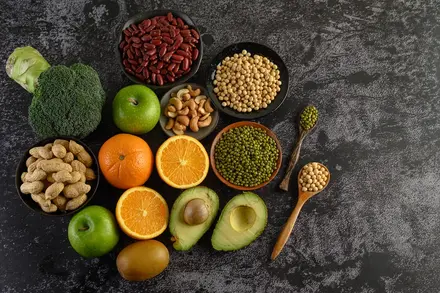
Table of Contents
- Why Folic Acid Matters for Your Health
- What Is Folic Acid, and Why Is It Important?
- Top Folic Acid-Rich Foods You Should Add to Your Diet
- Animal-Based Sources and Fortified Foods
- Daily Requirement of Folic Acid
- Health Benefits of Folic Acid-Rich Foods
- Folic Acid and Pregnancy
- Signs of Folic Acid Deficiency
- Conclusion: Add Folic Acid Foods for a Healthier Life
- FAQs
Why Folic Acid Matters for Your Health
Folic acid is a synthetic form of folate, a water-soluble B vitamin that is essential for numerous bodily functions. This nutrient plays a critical role in DNA synthesis, cell division, and the production of healthy red blood cells. Adequate folic acid intake is crucial during periods of rapid growth, such as pregnancy, infancy, and adolescence.
One of the most well-known benefits of folic acid is its ability to prevent neural tube defects in developing foetuses. These serious birth defects, which include spina bifida and anencephaly, occur when the neural tube fails to close properly during early pregnancy. By ensuring sufficient folic acid intake before conception and during the first trimester, women can significantly reduce the risk of these devastating conditions.
Beyond pregnancy, folic acid also plays a role in maintaining heart health by helping to lower homocysteine levels, an amino acid that has been linked to an increased risk of cardiovascular disease. Additionally, this nutrient supports cognitive function and may help to prevent certain types of anaemia.
What Is Folic Acid, and Why Is It Important?
Folic acid is the synthetic form of folate, a water-soluble B vitamin (B9) naturally present in many foods. Folate is essential for the body's production of new cells, making it particularly important during pregnancy and infancy.
Here are some key folic acid benefits, making them vital:
- Supports the development of DNA and RNA, the genetic material in all cells.
- Critical for proper brain and spinal cord formation in early pregnancy, reducing the risk of neural tube defects (NTDs) like spina bifida and anencephaly.
- Helps form healthy red blood cells, reducing the risk of certain anaemias.
- Essential for the growth and repair of tissues throughout life.
- May reduce the risk of other health issues, such as heart disease and certain cancers.
- Aids in the metabolism of homocysteine, an amino acid associated with cardiovascular disease at high levels.
Individuals who may be at risk of low folate status include women of childbearing age, pregnant women, people with certain digestive disorders, and those with high alcohol intake. Supplementation is often recommended because a typical diet alone may not provide enough folic acid for optimal health, particularly during pregnancy.
Top Folic Acid-Rich Foods You Should Add to Your Diet
One of the most effective ways to ensure you're getting enough folic acid is to include a variety of folate-rich foods in your diet, along with fortified products.
Here are the top 10 folic acid foods to consider:
- Legumes: Beans, lentils, and peas are among the richest in natural folic acid. A single cup of cooked lentils can provide nearly 90% of the recommended daily intake, making legumes an excellent choice for boosting your folate levels. Try incorporating a variety of legumes into your meals, such as black beans, chickpeas, and kidney beans.
- Asparagus: Asparagus is exceptionally rich in folate, with just four spears providing about 90 micrograms, over 20% of the recommended daily intake. This versatile vegetable also offers fibre and vitamins A, C, and K, making it a nutritious choice for supporting a healthy pregnancy and general well-being.
- Leafy Greens: Dark leafy greens like spinach, kale, and collard greens are packed with folate. Just one cup of raw spinach can offer 15% of the daily value, making these greens an easy and versatile food for folic acid. Add a handful of spinach to your smoothies, salads, or sandwiches for a nutrient-dense boost.
- Citrus Fruits: Oranges, grapefruits, lemons, and limes are not only high in vitamin C but also contain significant amounts of folate. One medium orange has about 29 micrograms of folate. Enjoy a glass of freshly squeezed orange juice with breakfast, or add a squeeze of lemon to your water for a refreshing and nutrient-rich beverage.
- Broccoli: This cruciferous vegetable is loaded with nutrients, including folate. A half-cup of cooked broccoli offers about 13% of the recommended daily intake and can be easily incorporated into various dishes. Try steaming broccoli as a side dish or adding it to stir-fries, pasta, or casseroles.
- Seeds and Nuts: Healthy folic acid foods include sunflower seeds, flaxseeds, and peanuts, containing good levels of folate. They provide a healthy snack option that also supports heart and brain health. Sprinkle a handful of sunflower seeds over your salad or enjoy a spoonful of natural peanut butter on whole-grain toast.
- Papaya: Papaya is a tropical fruit high in folate, delivering 27 mg per cup. In addition to folate, papaya is an excellent source of vitamin C and antioxidants. Including papaya in your diet supports immune health and provides nutrients important for foetal development.
- Banana: Bananas are an accessible, everyday fruit that supplies about 24 micrograms of folate per medium banana. While not the highest source, bananas are easy to incorporate into meals and snacks, providing quick energy, potassium, and fibre in addition to their folate content.
- Avocado: Avocados are rich in healthy fats and folate, with half an avocado supplies ~59 mcg folate. They also provide vitamins E and C and potassium. The creamy texture and nutrient profile make avocados a valuable addition to a folate-friendly diet for pregnancy and general health.
- Beets: Beetroot offers about 68 micrograms of folate per half-cup cooked. This vibrant root vegetable is also a source of fibre, manganese, and plant compounds with antioxidant properties. Regular consumption of beets can leverage various folic acid benefits, boost daily folate intake, and contribute to a healthy, balanced diet.
Animal-Based Sources and Fortified Foods
While animal-based foods naturally contain less folate than plant sources, some do provide moderate amounts.
These include:
- Eggs (especially the yolks)
- Liver (which is the highest animal source)
- Seafood (such as crab and shellfish, in small amounts)
Fortified foods are another key source of folic acid, especially in countries where fortification is mandatory.
Look for:
- Enriched breakfast cereals
- Fortified bread, pasta, and rice
- Fortified flours and cornmeal
These fortified folic acid foods are a must for individuals with increased needs (such as during pregnancy) and populations at risk for deficiency. Fortification helps ensure that most people receive sufficient folic acid even if their diet is low in natural folate.
Daily Requirement of Folic Acid
Based on the guidelines by the World Health Organisation (WHO) and the Indian Council of Medical Research (ICMR), the recommended daily intake of folic acid (including both dietary folate and synthetic folic acid) varies by age and life stage:
|
Age |
Male |
Female |
Pregnancy |
Lactation |
|
Birth to 6 months |
65 mcg DFE* |
65 mcg DFE* |
||
|
7–12 months |
80 mcg DFE* |
80 mcg DFE* |
||
|
1–3 years |
150 mcg DFE |
150 mcg DFE |
||
|
4–8 years |
200 mcg DFE |
200 mcg DFE |
||
|
9–13 years |
300 mcg DFE |
300 mcg DFE |
||
|
14–18 years |
400 mcg DFE |
400 mcg DFE |
600 mcg DFE |
500 mcg DFE |
|
19+ years |
400 mcg DFE |
400 mcg DFE |
600 mcg DFE |
500 mcg DFE |
*Dietary Folate Equivalents, DFE
Women planning pregnancy are advised to take at least 600 mcg of supplemental folic acid daily, starting before conception and continuing through the first trimester. It is often difficult to obtain enough folate from folic acid foods alone, so supplementation or fortified foods are recommended during pregnancy.
Health Benefits of Folic Acid-Rich Foods
Consuming foods high in folic acid/folate offers a wide range of health benefits:
- Supports rapid cell division and growth, especially important during infancy, adolescence, and pregnancy.
- Folic acid-rich foods significantly reduce the risk of neural tube defects, such as spina bifida and anencephaly, when consumed before and during early pregnancy.
- Helps form healthy red blood cells, preventing megaloblastic anaemia.
- Supports the production of DNA and RNA, which are essential for proper cell division and protein synthesis.
- May lower the risk of certain cancers, such as colorectal cancer, by supporting healthy cell division.
- Helps regulate homocysteine levels, which may reduce the risk of heart disease and stroke.
- Supports brain function and mental health, aiding the production of neurotransmitters, like serotonin and dopamine.
Also Read: What is Folic Acid: Benefits, Food Sources and Deficiency
Folic Acid and Pregnancy
Folic acid is crucial for a healthy pregnancy, as it plays a vital role in foetal development, particularly in the formation of the neural tube, which becomes the baby's brain and spinal cord.
Here are some key folic acid benefits for a healthy pregnancy:
- Women planning to conceive should consume at least 400 mcg of folic acid daily, starting at least one month before conception and continuing through the first trimester.
- Adequate intake of food rich in folic acid during early pregnancy can reduce the risk of neural tube defects by up to 70%.
- Folic acid also supports the growth of the placenta and helps prevent certain pregnancy complications, such as preeclampsia and preterm birth.
- Many prenatal vitamins contain folic acid to ensure sufficient intake during pregnancy.
Signs of Folic Acid Deficiency
Folate deficiency symptoms can include:
- Fatigue and weakness
- Pale skin
- Shortness of breath
- Irritability
- Difficulty concentrating
- Mouth sores or tongue swelling
- Elevated homocysteine levels
In pregnancy, folic acid deficiency increases the risk of neural tube defects in the baby. Severe deficiency can lead to megaloblastic anaemia, which is characterised by abnormally large red blood cells.
Conclusion: Add Folic Acid Foods for a Healthier Life
Including a variety of folic acid foods in your daily diet is one of the most important steps you can take for your health. From supporting healthy foetal development during pregnancy to reducing the risk of heart disease and anaemia, folic acid is essential throughout every life stage. While supplements are recommended for women of childbearing age and pregnant women, everyone will benefit from eating more legumes, leafy greens, fruits, nuts, and fortified grains, according to the folic acid foods chart.
At Metropolis Healthcare, we understand the importance of preventive health and the role of nutrition in overall well-being. As a leading chain of diagnostic labs across India, we offer accurate pathology testing and health check-up services to help you stay on top of your health. Our team of qualified blood collection technicians can make at-home visits for your convenience, and your test reports are securely shared online via email and our user-friendly Metropolis TruHealth app. With a commitment to delivering reliable results and personalised care, Metropolis Healthcare is here to empower you in prioritising your health.
FAQs
Which food is rich in folic acid?
Legumes, leafy greens, citrus fruits, and fortified cereals are particularly high in folic acid and folate. Including a variety of these foods in your diet can help ensure you are meeting your daily requirements.
How can I raise my folic acid?
To increase your folic acid intake, eat more beans, lentils, spinach, oranges, and fortified cereals. If you're pregnant or at risk of deficiency, consider taking a folic acid supplement as recommended by your doctor.
Is a banana high in folic acid?
Bananas contain moderate amounts of folate and can contribute to your daily intake. However, they are not among the very highest sources of this nutrient.
Is folic acid good for toddlers?
Yes, folic acid is vital for growth and development in toddlers. It supports cell division and red blood cell production, making it an essential nutrient for young children.
Which foods are highest in folic acid?
Lentils, spinach, asparagus, and fortified cereals are among the foods highest in folic acid. Including a variety of these folic acid-rich foods in your diet can help you meet your daily needs.
Are eggs a good source of folic acid?
Eggs, particularly the yolks, contain moderate amounts of folate. While they are not the richest source, they can contribute to your overall folic acid intake, especially for lacto-ovo vegetarians.
How much folic acid is needed daily?
The recommended daily intake of folic acid for adults is 400 mcg DFE (Dietary Folate Equivalents). Pregnant women need 600 mcg DFE, and breastfeeding women require 500 mcg DFE.
What happens if you don't get enough folic acid?
If you don't get enough folic acid, you may experience symptoms such as fatigue, weakness, and difficulty concentrating. In pregnancy, folic acid deficiency increases the risk of neural tube defects in the baby.
Can I get enough folic acid from food instead of supplements?
It is possible to get enough folic acid from food alone, especially if you regularly consume folic acid-rich foods like legumes, leafy greens, and fortified grains. However, supplements are often recommended for women of childbearing age and pregnant women to ensure adequate intake.
Which fruit is richest in folate?
Citrus fruits (especially oranges), papaya, and avocado are among the richest fruit sources of folate. Bananas also provide moderate amounts.