Home Visit
 Upload






Preventive Healthcare
Chapped Lips: Causes, Symptoms And Effective Treatment
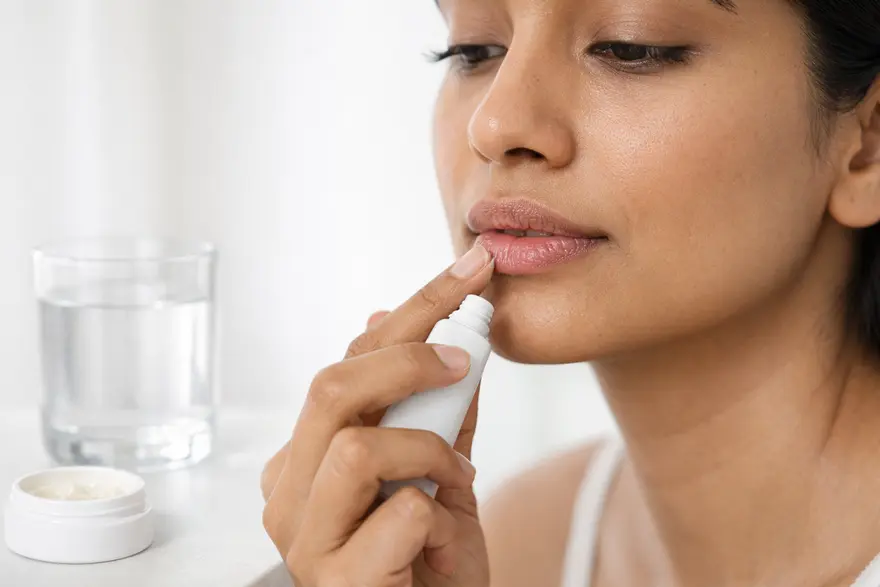
Table of Contents
- What Are Chapped Lips?
- Why Do Lips Get Chapped Easily?
- Common Causes Of Chapped Lips
- Symptoms Of Chapped Lips
- Treatment Of Chapped Lips
- Best Lip Balms For Chapped Lips
- How To Heal Severely Chapped Or Bleeding Lips
- Diagnosis Of Chapped Lips
- Chapped Lips Due To Vitamin Deficiency
- How Long Do Chapped Lips Take To Heal?
- How To Prevent Chapped Lips
- When Chapped Lips May Be More Than Simple Dryness
- When To See A Doctor
- Conclusion
- FAQs
Chapped lips are one of the most common lip problems, especially in dry, cold, windy, or sunny weather. They can feel tight, sore, flaky, and uncomfortable, and in more severe cases they may crack, sting, or even bleed.
Most cases improve with simple home care. But if your lips keep getting chapped, do not heal, or crack mainly at the corners of the mouth, it may be time to look beyond weather and lip balm alone.
What Are Chapped Lips?
Chapped lips are dry, irritated lips that may peel, crack, or feel sore. In medical terms, lip inflammation is often described as cheilitis.
Mild cases may cause only roughness or scaling. More severe cases can lead to painful fissures, bleeding, and tenderness, especially when eating salty, spicy, or acidic foods.
Why Do Lips Get Chapped Easily?
Lips are more delicate than much of the rest of your skin. They do not have oil glands like other areas of the body, so they lose moisture more easily. They are also exposed to wind, sun, dry indoor air, and saliva throughout the day.
This is why even a short period of dry weather, mouth breathing, or repeated lip licking can quickly trigger lip dryness.
Common Causes Of Chapped Lips
There are several common chapped lips causes, including:
- Cold, windy, or dry weather
- Strong sun exposure
- Frequent lip licking, biting, or picking
- Lip dehydration from not drinking enough fluids
- Dry indoor air, especially from heaters or air conditioning
- Irritating lip products, including fragranced or flavoured balms
- Certain toothpastes or mouthwashes
- Allergic reactions affecting the lips
- Medicines such as retinoids, including acne treatment medicines
- Skin conditions such as eczema
- Nutritional deficiencies, especially iron and some B vitamins
In some people, cracking mainly at the corners of the mouth may point to angular cheilitis rather than ordinary weather-related chapping. Long-term sun damage on the lips can also lead to actinic cheilitis, which needs medical attention.
Symptoms Of Chapped Lips
Common chapped lips symptoms include:
- Dryness
- Tightness
- Flaking or peeling
- Cracks or fissures
- Stinging or burning
- Mild swelling
- Tenderness
- Bleeding in more severe cases
Some people also notice soreness at the corners of the mouth, which may suggest a different type of cheilitis.
Treatment Of Chapped Lips
The main goal of chapped lips treatment is to protect the lips, reduce irritation, and seal in moisture.
A simple routine usually works best:
- Apply a bland, non-irritating lip balm or ointment several times a day
- Reapply after eating, drinking, or washing your face
- Use a thicker ointment before bed
- Drink enough fluids through the day
- Stop licking, biting, or peeling the lips
- Use a humidifier if the air at home is dry
- Protect your lips from sun and wind when outdoors
Do not assume stinging means a product is working. If a balm burns, tingles, or makes your lips feel worse, stop using it.
Best Lip Balms For Chapped Lips
When choosing a product for chapped lips, look for simple, protective ingredients such as:
- Petrolatum
- Ceramides
- Dimethicone
- Mineral oil
- Castor seed oil
- Shea butter
- Zinc oxide or titanium oxide for sun protection
A good lip balm for healing should ideally be fragrance-free and hypoallergenic.
Try to avoid products containing:
- Fragrance
- Flavouring, especially mint, citrus, cinnamon, or peppermint
- Menthol
- Camphor
- Eucalyptus
- Salicylic acid
- Lanolin if you know you are sensitive to it
For daytime use, a lip balm with SPF 30 or higher is helpful, especially if you spend time outdoors.
How To Heal Severely Chapped Or Bleeding Lips
If your lips are very dry, cracked, or bleeding, switch from a light balm to a thicker ointment. Apply it often through the day and generously before bed.
Also try to:
- Avoid peeling loose skin
- Avoid spicy, salty, or acidic foods if they sting
- Protect your lips from direct sun and cold wind
- Keep the area moisturised consistently, not just when it feels uncomfortable
Small fissures can bleed when the lips stretch during talking, smiling, or eating. With regular protection, they often settle. But if bleeding keeps returning or the pain is worsening, do not ignore it.
Diagnosis Of Chapped Lips
Most cases of chapped lips are diagnosed based on symptoms and a simple visual examination.
If the problem keeps coming back or does not improve, a doctor may look for other causes such as:
- Allergic contact cheilitis
- Angular cheilitis
- Eczema affecting the lips
- A fungal or bacterial infection
- Actinic cheilitis from sun damage
- Nutritional deficiency
In selected cases, doctors may recommend allergy testing, blood tests, or a biopsy if there is concern about chronic sun damage or another underlying condition.
Chapped Lips Due To Vitamin Deficiency
Not every case of chapped lips is caused by a deficiency, but nutritional issues can sometimes play a part, especially when cracking happens at the corners of the mouth.
Low iron and some B-vitamin deficiencies, particularly riboflavin and vitamin B12 deficiency, can contribute to lip and mouth-corner inflammation. If you also have tiredness, mouth ulcers, pale skin, or other dehydration symptoms, it may be worth discussing this with your doctor.
In some situations, a doctor may order a cbc test to look for iron deficiency anemia or other possible causes of persistent cracking.
How Long Do Chapped Lips Take To Heal?
Mild chapped lips may improve within a few days once you stop the irritation and use the right balm consistently.
More severe cases often take 2 to 3 weeks to heal fully. Healing may take longer if you keep licking your lips, keep using irritating products, or continue getting a lot of sun or wind exposure.
How To Prevent Chapped Lips
You can lower the chance of chapped lips by making lip care part of your daily routine:
- Keep a simple lip balm with you
- Apply it before going outdoors
- Use SPF lip balm during the day
- Reapply whenever your lips feel dry
- Drink enough water
- Avoid licking or biting your lips
- Use a humidifier in dry rooms
- Avoid fragranced or strongly flavoured lip products
- Do not hold metal objects against your lips
Prevention is often easier than trying to fix severe cracking later.
When Chapped Lips May Be More Than Simple Dryness
Angular Cheilitis
This causes painful cracking at the corners of the mouth and may be linked to saliva pooling, fungal infection, denture issues, or nutritional deficiency.
Allergic Contact Cheilitis
This may happen when your lips react to a lip balm, toothpaste, flavouring, fragrance, or another product.
Eczema On The Lips
People with eczema may develop recurrent lip irritation and scaling.
Actinic Cheilitis
This is caused by long-term sun damage and can appear as a rough, scaly patch that does not heal properly.
Cold Sores
These usually begin with tingling or burning and then form small fluid-filled blisters, which is different from ordinary chapping.
When To See A Doctor
See a doctor if:
- Your lips do not improve after 2 to 3 weeks of proper care
- Cracking is severe or keeps coming back
- Your lips bleed often
- You have marked swelling, crusting, or discharge
- Cracks are mostly at the corners of the mouth
- You have a rough, scaly patch that does not heal
- You suspect allergy, infection, or a deficiency
- Eating and speaking become painful
Persistent or unusual lip symptoms deserve proper evaluation rather than endless product switching.
Conclusion
Chapped lips are common, but they are not something you have to just put up with. In most cases, the best treatment is simple: a bland ointment, regular reapplication, good hydration, sun protection, and avoiding the habits and products that keep irritating the lips.
If your lips keep getting worse, do not heal, or show signs that suggest another form of cheilitis, get medical advice. A small change in routine may be enough, but sometimes the lips are pointing to a deeper issue that needs proper diagnosis.
If recurring dryness or nutritional concerns are part of a broader health picture, Metropolis Healthcare offers diagnostic support and convenient testing options that can help you follow up on your doctor’s advice more easily.
FAQs
Why Do My Lips Keep Getting Chapped?
Repeated chapping usually means something is continuing to irritate or dry the lips. Common reasons include weather, lip licking, sun exposure, dry indoor air, irritating lip products, or an underlying condition such as allergy or cheilitis.
Can Dehydration Cause Chapped Lips?
Yes, dehydration can contribute to chapped lips. If your body is not getting enough fluids, the lips may dry out more easily.
Is Lip Licking Bad For Chapped Lips?
Yes. It may feel helpful for a moment, but as saliva evaporates it leaves the lips drier and more irritated.
Which Vitamin Deficiency Causes Chapped Lips?
Iron deficiency and some B-vitamin deficiencies, especially riboflavin and vitamin B12 deficiency, can contribute to cracking or soreness, particularly at the corners of the mouth.
What Is The Fastest Way To Heal Chapped Lips?
The quickest approach is usually to stop all irritating products, apply a thick bland ointment frequently, use SPF on the lips during the day, stay hydrated, and avoid licking or picking.