Home Visit
 Upload






Preventive Healthcare
Cerebellum: Function, Balance Control, And Disorders
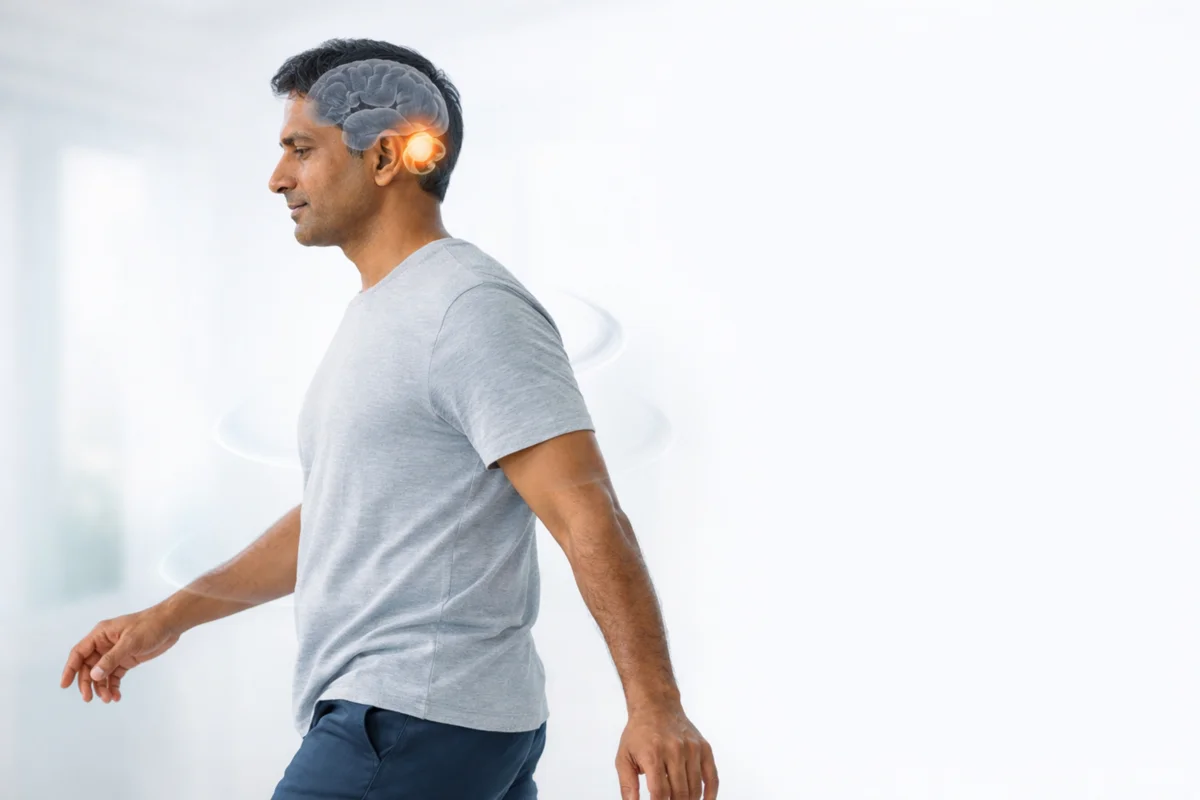
Table of Contents
- What Is The Cerebellum?
- Where Is The Cerebellum Located?
- Structure Of The Cerebellum
- How The Cerebellum Works
- Tests To Check The Health Of The Cerebellum
- Functions Of The Cerebellum
- Disorders Of The Cerebellum
- Symptoms Of Cerebellum Damage
- How Cerebellar Disorders Are Diagnosed
- Treatment Options For Cerebellum Disorders
- Role Of Physiotherapy And Rehabilitation
- Can Cerebellum Damage Be Reversed?
- When To See A Doctor
- Key Takeaways
- Diagnostic Support With Metropolis Healthcare
- FAQs
- References
If you have ever felt unsteady on your feet, struggled with coordination, or noticed your speech sounding slightly slurred when you are tired or unwell, it is normal to feel concerned. These symptoms can have many causes, and they do not automatically mean something is wrong with your brain. Still, it helps to understand the part of the brain that fine-tunes balance and movement: the cerebellum.
Your cerebellum does not start your movements. Instead, it helps make movements smooth, accurate, and well-timed. It also supports posture, balance control, and motor learning, which is how you improve with practice. (Manto M., Bower J. M., Conforto A. B., et al. 2012. PMID: 22161499)
What Is The Cerebellum?
The cerebellum is a compact structure at the back of your brain. The name comes from Latin and means “little brain.” Despite its small size, it contains a very large share of the brain’s neurons, which reflects how much information it processes. (Roostaei T., Nazeri A., Sahraian M. A., Minagar A. 2014. PMID: 25439284)
In practical terms, you can think of the cerebellum as your brain’s quality control system for movement. It helps you walk steadily, reach accurately, speak clearly, and keep your eyes stable when you turn your head.
Where Is The Cerebellum Located?
Your cerebellum sits at the back of your head, below the cerebrum and behind the brainstem. Because of this location, problems affecting the cerebellum often show up as issues with balance, coordination, and eye control, rather than weakness alone. (Roostaei T., Nazeri A., Sahraian M. A., Minagar A. 2014. PMID: 25439284)
Structure Of The Cerebellum
The cerebellum has:
- Two hemispheres, one on each side
- A central region called the vermis
- Three main lobes: anterior, posterior, and flocculonodular
It connects to the brainstem through bundles of nerve fibres called the cerebellar peduncles, which carry information between the cerebellum, the rest of the brain, and the spinal cord. This connectivity helps explain why symptoms can involve posture, walking pattern, eye movements, and speech clarity. (Roostaei T., Nazeri A., Sahraian M. A., Minagar A. 2014. PMID: 25439284)
How The Cerebellum Works
Your cerebellum constantly receives information from several sources, including:
- Your muscles and joints (to track body position)
- Your inner ear (to support balance)
- Your eyes (to stabilise gaze and guide movement)
- Other brain regions (to understand the movement you intend to make)
It then integrates these inputs and helps fine-tune motor commands so your movements become fluid and precise. It also supports error correction. If you misjudge the position of a cup, for example, your cerebellum helps adjust your reach, and it helps your brain learn to do better next time. This is one reason the cerebellum is strongly linked to motor learning and adaptation. (Manto M., Bower J. M., Conforto A. B., et al. 2012. PMID: 22161499)
Tests To Check The Health Of The Cerebellum
There is no single “cerebellum test.” In practice, doctors assess your cerebellum through a combination of clinical examination, imaging, and laboratory tests that look for treatable causes.
Common approaches include:
Neurological examination
- Coordination checks such as finger-to-nose and heel-to-shin tests
- Gait assessment, including whether your steps become wide-based or unsteady
- Rapid alternating movement testing to check timing and control
Imaging
- MRI is often the most informative scan for cerebellar conditions
- CT may be used in urgent situations, especially if bleeding is a concern
Blood tests
- These help identify causes such as vitamin deficiencies, inflammation, metabolic problems, or toxin exposure
- Tests are tailored to your symptoms and medical history
Additional tests when appropriate
- Genetic testing if an inherited ataxia is suspected
- Lumbar puncture if infection or inflammatory disease is a concern
Clinical assessment remains central, because the pattern of symptoms often points to the most likely cause. (Javalkar V., Khan M., Davis D. E. 2014. PMID: 25439285)
Functions Of The Cerebellum
Cerebellum And Balance Control
Balance is not controlled by one structure alone, but the cerebellum plays a key role in keeping you upright and steady. It helps coordinate signals from the inner ear and your eyes, allowing you to maintain equilibrium when you walk, turn, or stand on uneven ground. (Roostaei T., Nazeri A., Sahraian M. A., Minagar A. 2014. PMID: 25439284)
Cerebellum And Muscle Coordination
Your cerebellum helps you time and scale your movements. It supports:
- Smooth walking and controlled turning
- Accurate reaching and grasping
- Fine movements such as writing, buttoning clothing, or using cutlery
When cerebellar control is disrupted, you may notice overshooting or undershooting targets, or shakiness as you approach an object. Doctors often call this an intention tremor. (Javalkar V., Khan M., Davis D. E. 2014. PMID: 25439285)
Cerebellum And Eye Movements
The cerebellum contributes to gaze stability. This helps keep your vision clear while you move your head. If this system is affected, you may develop abnormal eye movements such as nystagmus, or feel that your vision “bounces” when you walk. (Javalkar V., Khan M., Davis D. E. 2014. PMID: 25439285)
Cerebellum And Cognitive Functions
Research suggests the cerebellum may contribute to some non-motor functions, including aspects of attention and perception. This is an active area of study, and experts describe the cerebellum as influencing broader brain networks beyond movement. (Witter L., De Zeeuw C. I. 2015. PMID: 25884963) (Baumann O., Borra R. J., Bower J. M., et al. 2015. PMID: 25479821)
Disorders Of The Cerebellum
Many conditions can affect the cerebellum. Some are sudden and require urgent evaluation, while others develop gradually.
Common categories include:
- Stroke affecting cerebellar blood supply
- Head injury, especially injury to the back of the skull
- Tumours in or near the posterior part of the brain
- Inflammatory and immune conditions, such as multiple sclerosis
- Infections that involve the brain
- Genetic or degenerative ataxias
- Metabolic or nutritional problems, including vitamin B12 deficiency
- Toxin exposure, including alcohol-related cerebellar damage
- Congenital conditions, such as developmental differences present from birth
If your symptoms progress slowly, your doctor will often focus on identifying treatable contributors first, such as vitamin deficiency, thyroid disease, diabetes-related complications, or medication effects. (Marsden J. F. 2018. PMID: 30482319)
Symptoms Of Cerebellum Damage
Cerebellar symptoms often cluster around coordination, balance, and timing. Common symptoms include:
Ataxia
- Unsteady, wide-based walking
- Difficulty turning or walking in a straight line
- Clumsiness with daily tasks
Dysmetria
- Difficulty judging distance, such as missing an object when reaching
Intention tremor
- Shaking that becomes more obvious as you approach a target
Dysarthria
- Slurred or scanning speech, where words sound uneven or broken into parts
Nystagmus and visual instability
- Jerky eye movements or blurred vision with head movement
Dysdiadochokinesia
- Difficulty with rapid alternating movements, such as flipping your hand back and forth quickly
Symptoms often appear on the same side of the body as the affected cerebellar hemisphere. (Javalkar V., Khan M., Davis D. E. 2014. PMID: 25439285)
How Cerebellar Disorders Are Diagnosed
Diagnosis usually includes:
A careful history
- When symptoms began and how they progressed
- Recent infections, head injuries, alcohol intake, medication changes, and family history
A focused neurological examination
- Gait, coordination, eye movement, speech, and reflexes
Imaging
- MRI is commonly used to identify stroke, inflammation, tumour, or cerebellar shrinkage patterns
Laboratory testing
- Blood tests help identify treatable causes or contributing factors
- Testing is chosen based on your clinical picture
This step-by-step approach matters because treatment depends heavily on the underlying cause. (Marsden J. F. 2018. PMID: 30482319)
Treatment Options For Cerebellum Disorders
Treatment varies widely, but it often includes a mix of cause-specific care and supportive rehabilitation.
Treating the underlying cause
- Vitamin replacement for nutritional deficiencies
- Targeted therapies for immune or inflammatory disease
- Appropriate management for stroke, infection, or tumours under specialist care
- Medication review if drugs are contributing to symptoms
Managing symptoms and improving safety
- Fall prevention strategies at home
- Mobility aids when needed
- Vision assessment if visual instability is present
- Support for speech and swallowing if affected
Early recognition and tailored rehabilitation can significantly improve function and independence. (Marsden J. F. 2018. PMID: 30482319)
Role Of Physiotherapy And Rehabilitation
- Rehabilitation is often central to cerebellar recovery and long-term management.
- Physiotherapy helps improve gait stability, strength, and balance confidence.
- Occupational therapy helps you adapt daily tasks, reduce fall risk, and support independence.
- Speech and language therapy can help if you have dysarthria or swallowing difficulties.
Rehabilitation also supports motor learning, which aligns with the cerebellum’s role in adapting movements through practice. (Marsden J. F. 2018. PMID: 30482319)
Can Cerebellum Damage Be Reversed?
It depends on the cause. Some causes can improve substantially, especially when treated early. Examples include vitamin deficiencies, medication-related effects, or certain inflammatory conditions.
Some causes may partially improve with time and rehabilitation, such as recovery after stroke or head injury, although residual symptoms may remain.
Progressive degenerative or genetic ataxias are often managed rather than reversed. In these cases, treatment focuses on function, safety, and quality of life.
Even when full reversal is not possible, targeted support can make daily life easier and reduce complications such as falls. (Marsden J. F. 2018. PMID: 30482319)
When To See A Doctor
You should seek urgent medical evaluation if you or someone with you develops sudden onset:
- Severe dizziness with inability to walk steadily
- New slurred speech
- New double vision or major visual changes
- Sudden severe headache
- Sudden vomiting with severe imbalance
- New weakness, numbness, or collapse
You should book a medical appointment if you notice:
- Gradually worsening unsteadiness
- Repeated falls or near-falls
- Persistent clumsiness or difficulty with fine hand movements
- Speech changes that persist
- Ongoing dizziness that affects daily life
If you are supporting a loved one, it can help to note when symptoms began, how they change through the day, and whether there were triggers such as infection, alcohol intake, or medication changes.
Key Takeaways
- Your cerebellum fine-tunes movement, balance, posture, and motor learning.
- Cerebellar problems often cause unsteadiness, coordination issues, abnormal eye movements, and changes in speech clarity.
- Many different conditions can affect the cerebellum, including stroke, inflammation, infection, injury, nutritional deficiency, and genetic causes.
- Diagnosis usually combines neurological examination, MRI imaging, and blood tests to identify treatable contributors.
- Treatment depends on the cause and often includes physiotherapy, occupational therapy, and speech therapy.
- Early assessment helps you access the right treatment and improve safety, especially if falls are a risk.
Diagnostic Support With Metropolis Healthcare
If you have balance or coordination symptoms, your doctor may recommend blood tests to check for treatable contributors such as vitamin deficiencies, thyroid dysfunction, diabetes-related issues, inflammation, or metabolic imbalance. Metropolis Healthcare supports this diagnostic work-up with NABL and CAP-accredited quality processes and a comprehensive test menu of 4,000 plus tests, including wellness testing and full body check-ups.
For added convenience, you can book through the website, app, call, or WhatsApp, and opt for home sample collection backed by 10,000 touchpoints. Accurate reporting and quick turnaround can help your doctor make timely decisions about next steps. You can also explore more health and wellness articles on Metropolis Healthcare for practical guidance on prevention and early detection.
FAQs
What Happens If The Cerebellum Is Damaged?
You may develop problems with coordination, balance, posture, eye movements, and speech clarity. Many people notice unsteady walking (ataxia), clumsiness with hand tasks, or shakiness during precise movements. (Javalkar V., Khan M., Davis D. E. 2014. PMID: 25439285)
Does The Cerebellum Control Balance Only?
No. The cerebellum supports balance, but it also helps coordinate voluntary movements, stabilise eye movements, and support motor learning. Research also suggests it influences some broader brain networks related to perception and cognition. (Manto M., Bower J. M., Conforto A. B., et al. 2012. PMID: 22161499) (Witter L., De Zeeuw C. I. 2015. PMID: 25884963)
Can Cerebellum Problems Affect Speech?
Yes. Cerebellar dysfunction can cause dysarthria, where speech becomes slurred or uneven in rhythm and emphasis. Speech therapy can help many people improve clarity and confidence. (Javalkar V., Khan M., Davis D. E. 2014. PMID: 25439285)
What Is The Difference Between Cerebrum And Cerebellum?
Your cerebrum is the largest part of your brain and supports thinking, sensation, and initiating voluntary movement. Your cerebellum is smaller and sits at the back of the brain. It fine-tunes and coordinates movement and supports balance and motor learning. (Roostaei T., Nazeri A., Sahraian M. A., Minagar A. 2014. PMID: 25439284)
How Is Cerebellar Damage Detected?
Doctors usually combine symptom history, neurological examination, and brain imaging, often MRI. Blood tests can help identify treatable causes such as vitamin deficiency or metabolic issues. (Marsden J. F. 2018. PMID: 30482319)
References
- Baumann O., Borra R. J., Bower J. M., Cullen K. E., Habas C., Ivry R. B., et al. (2015). Consensus paper: The role of the cerebellum in perceptual processes. Cerebellum, 14(2), 197–220. PMID: 25479821
- Javalkar V., Khan M., Davis D. E. (2014). Clinical manifestations of cerebellar disease. Neurologic Clinics, 32(4), 871–879. PMID: 25439285
- Marsden J. F. (2018). Cerebellar ataxia. Handbook of Clinical Neurology, 159, 261–281. PMID: 30482319
- Manto M., Bower J. M., Conforto A. B., Delgado-García J. M., da Guarda S. N., Gerwig M., et al. (2012). Consensus paper: Roles of the cerebellum in motor control, the diversity of ideas on cerebellar involvement in movement. Cerebellum, 11(2), 457–487. PMID: 22161499
- Roostaei T., Nazeri A., Sahraian M. A., Minagar A. (2014). The human cerebellum: A review of physiologic neuroanatomy. Neurologic Clinics, 32(4), 859–869. PMID: 25439284
- Witter L., De Zeeuw C. I. (2015). Regional functionality of the cerebellum. Current Opinion in Neurobiology, 33, 150–155. PMID: 25884963