Home Visit
 Upload






Preventive Healthcare
CABG Surgery: Why It’s Performed And What To Expect
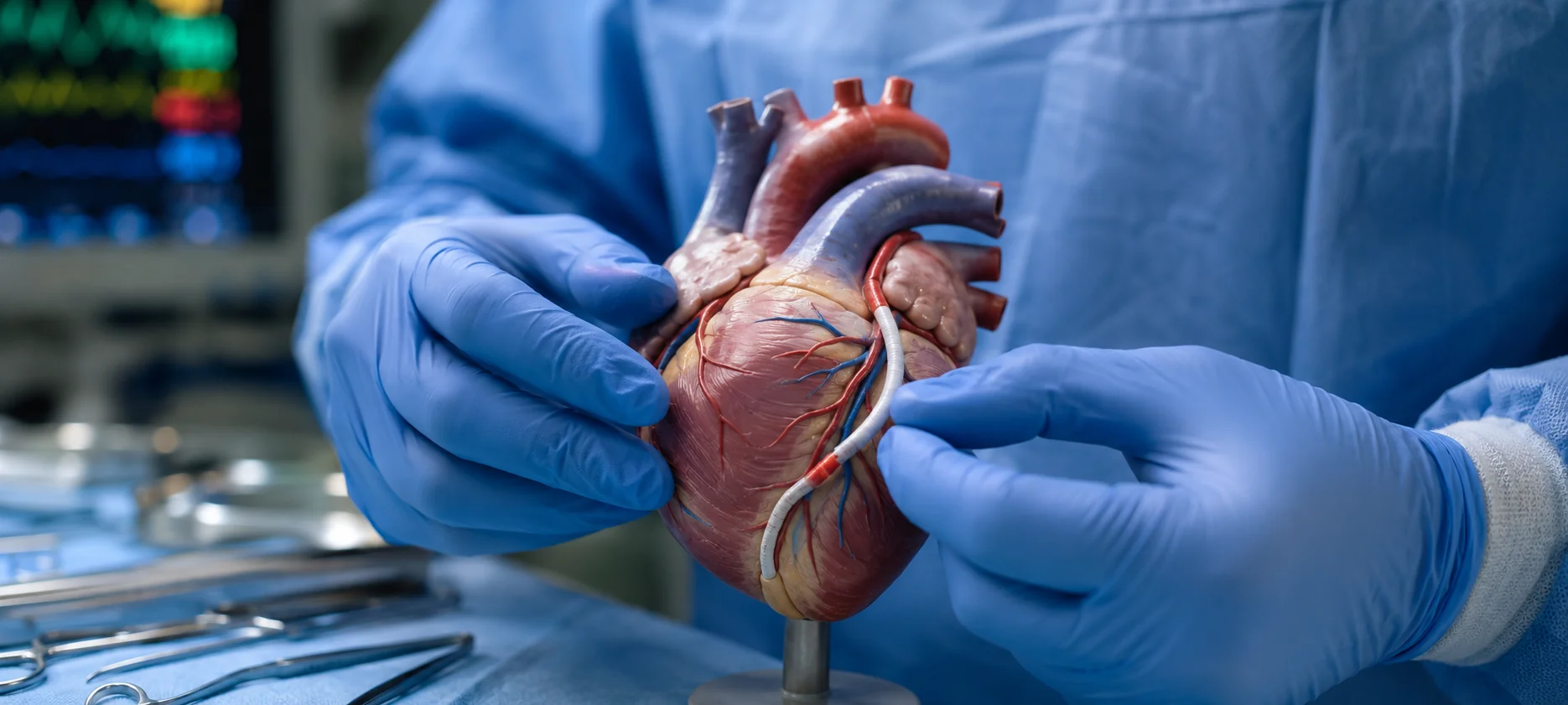
Table of Contents
- What Is CABG Surgery?
- Why Is CABG Surgery Performed?
- How Is CABG Surgery Performed?
- What Are The Types Of CABG Surgery?
- What Are The Alternatives To CABG Surgery?
- How Long Does CABG Surgery Take?
- How To Prepare For CABG Surgery?
- How To Manage CABG Surgery Pain?
- What To Expect Before CABG Surgery?
- What Are The Long-Term Benefits Of CABG Surgery?
- How Is A Heart-Healthy Diet Important After CABG?
- How Does CABG Surgery Improve Heart Function?
- Recovery After CABG Surgery
- When Should You Follow Up After CABG Surgery?
- What Are The Risks And Complications Of CABG Surgery?
- What Is The Cardiac Bypass Machine?
- How Is CABG Surgery Different From Angioplasty?
- When Should You Consider CABG Surgery?
- What Are The Psychological Effects Of CABG Surgery?
- Conclusion
- FAQs
- References
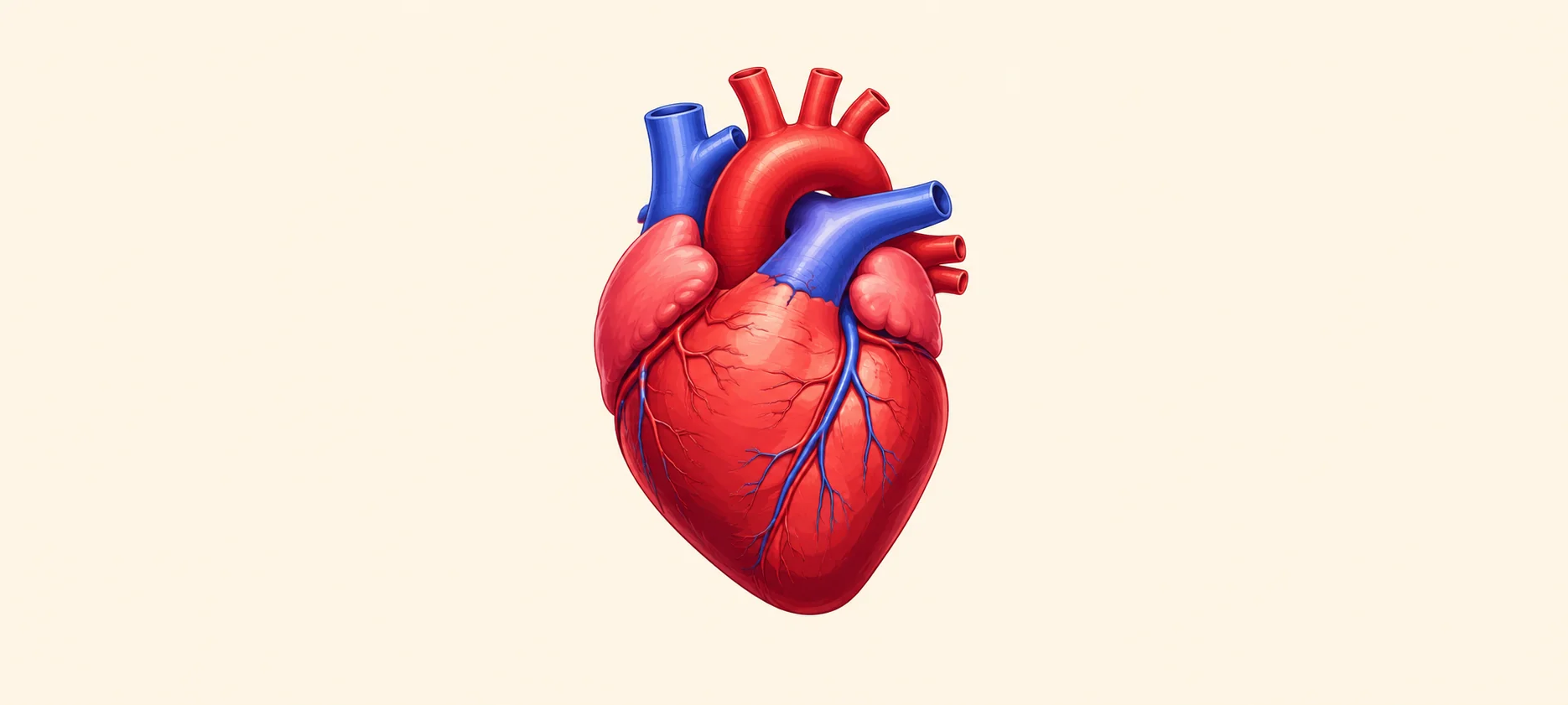
CABG surgery is a major heart procedure used to improve blood flow to the heart. CABG stands for coronary artery bypass graft. It is also called heart bypass surgery or coronary artery bypass surgery.
Your doctor may recommend CABG when one or more coronary arteries are severely narrowed or blocked. These arteries are the blood vessels that supply oxygen-rich blood to the heart muscle. When blood flow is reduced, you may develop chest pain, breathlessness, fatigue or even a Heart Attack.
CABG does not remove the blockage. Instead, it creates a new path for blood to flow around the blocked artery. This helps the heart muscle receive better oxygen supply and can improve symptoms, heart function and long-term outcomes in selected patients.
What Is CABG Surgery?
CABG surgery is a procedure in which a surgeon uses a healthy blood vessel from another part of your body to create a bypass around a blocked coronary artery.
The graft may be taken from:
- An artery inside the chest
- A vein from the leg
- An artery from the arm
One end of the graft is attached above the blockage and the other end is attached below it. This allows blood to flow through the new route and reach the heart muscle.
CABG is commonly used to treat severe coronary heart disease, especially when multiple arteries are blocked or when other treatments may not be suitable.
Why Is CABG Surgery Performed?
CABG surgery is performed to restore blood flow to the heart muscle. It may be recommended when coronary artery disease is severe or when medicines and angioplasty are not enough.
Your doctor may consider CABG if you have:
- Severe chest pain, also called angina
- Blockage in the left main coronary artery
- Blockages in multiple coronary arteries
- Diabetes with multiple artery disease
- Reduced heart pumping function due to blocked arteries
- Failed angioplasty or stent treatment
- Coronary artery disease after a Heart Attack
- Recurrent symptoms despite medicines
- High risk of future heart damage without surgery
The aim is to improve blood supply, reduce symptoms, support heart function and lower the risk of serious cardiac events in suitable patients.
How Is CABG Surgery Performed?
CABG surgery is usually performed under general anaesthesia, which means you are asleep during the procedure.
In traditional CABG, the surgeon makes an incision in the centre of the chest and opens the breastbone to reach the heart. A healthy blood vessel is removed from the chest, leg or arm and used as a graft.
In many cases, a cardiac bypass machine, also called a heart-lung machine, temporarily takes over the work of the heart and lungs. This allows the surgeon to operate while the heart is still.
Once the grafts are attached and blood flow is checked, the surgeon closes the breastbone with wires and closes the skin incision. You are then shifted to the intensive care unit for close monitoring.
What Are The Types Of CABG Surgery?
Common types of CABG surgery include:
- Traditional On-Pump CABG: The heart is temporarily stopped, and a heart-lung machine pumps blood and oxygen through the body during surgery.
- Off-Pump CABG: The surgery is done while the heart is still beating. A heart-lung machine may not be used.
- Minimally Invasive CABG: The surgeon uses smaller cuts instead of opening the full breastbone. This may be suitable only for selected patients.
- Robotic-Assisted CABG: The surgeon uses robotic instruments through small incisions. It is available only in specialised centres and selected cases.
- Single, Double, Triple Or Quadruple Bypass: These terms refer to the number of arteries bypassed during the procedure.
Your cardiac surgeon decides the best approach based on your artery blockages, heart function, age, overall health and surgical risk.
What Are The Alternatives To CABG Surgery?
CABG is not the only treatment for coronary heart disease. Alternatives may include medicines, angioplasty, stent placement and lifestyle changes.
Medicines may help control chest pain, blood pressure, cholesterol and clotting risk. Angioplasty uses a balloon to open a narrowed artery, often followed by placing a stent to keep the artery open.
However, CABG may be preferred when there are multiple blockages, left main artery disease, complex artery disease, diabetes with severe coronary disease or reduced heart function. Your cardiologist and cardiac surgeon will discuss the safest and most effective option for you.
How Long Does CABG Surgery Take?
CABG surgery usually takes about 3 to 6 hours. The exact time depends on the number of grafts, the complexity of blockages, your heart function and whether any additional procedure is needed.
After surgery, you are monitored in the ICU. Most people spend 1 to 2 days in ICU, though some may need longer if they have complications or other health conditions.
How To Prepare For CABG Surgery?
Your healthcare team will guide you before surgery. Preparation may include:
Medical Evaluation
Your doctor will review your symptoms, medical history, medicines, allergies and previous heart tests.
Diagnostic Tests
You may need blood tests, chest X-ray, Electrocardiogram, echocardiogram, coronary angiography and other tests to assess your heart and overall health.
Medicine Review
Tell your doctor about all prescription medicines, over-the-counter medicines, supplements and blood thinners. Some medicines may need to be stopped before surgery.
Fasting Instructions
You may be asked not to eat or drink for several hours before surgery.
Smoking Cessation
If you smoke, stopping before surgery can improve healing and reduce lung complications.
Skin Preparation
You may be asked to bathe with a special antiseptic solution before surgery.
Consent And Counselling
Your doctor will explain the procedure, risks, benefits and expected recovery. Ask questions if anything is unclear.
Family Planning For Recovery
Arrange support for hospital stay, discharge, transport, home care and follow-up visits.
How To Manage CABG Surgery Pain?
Pain after CABG is expected, especially around the chest incision, graft site, shoulders and upper back. Your healthcare team will prescribe pain medicines to keep you comfortable and help you breathe deeply, cough and move safely.
You may be asked to hold a pillow against your chest while coughing or changing position. This supports the chest and reduces discomfort. Do not self-medicate or take extra painkillers without medical advice, as some medicines can increase bleeding risk.
What To Expect Before CABG Surgery?
Before CABG surgery, you can expect:
Hospital Admission
You may be admitted a day before surgery or on the day of surgery, depending on your condition.
Pre-Surgery Checks
Your blood pressure, pulse, oxygen level and temperature will be checked.
Blood Tests And Imaging
Your team may repeat tests to ensure you are ready for surgery.
Anaesthesia Review
The anaesthesia team will assess you and explain how you will be kept asleep and monitored.
IV Line Placement
An intravenous line will be placed to give fluids and medicines.
Surgical Site Preparation
Hair may be removed from the chest, leg or arm if needed.
Final Consent
The team will confirm the procedure, surgical plan and any known risks.
Transfer To Operation Theatre
You will be taken to the operation theatre and connected to monitoring equipment.
What Are The Long-Term Benefits Of CABG Surgery?
CABG can offer important long-term benefits for selected patients. It may reduce angina, improve exercise capacity, improve quality of life and lower the risk of serious heart events in certain high-risk groups.
The benefits are strongest when surgery is followed by regular medicines, cardiac rehabilitation and heart-healthy lifestyle changes. CABG improves blood flow, but it does not cure the underlying tendency for plaque buildup. Long-term care is essential.
How Is A Heart-Healthy Diet Important After CABG?
A heart-healthy diet helps protect your grafts, control cholesterol, support healing and lower the risk of future blockages.
After CABG, your diet may include:
- Plenty of vegetables and fruits
- Whole grains such as oats, brown rice and whole wheat
- Pulses, beans and lentils
- Low-fat dairy or suitable alternatives
- Nuts and seeds in moderate amounts
- Fish or lean protein, if you eat non-vegetarian foods
- Healthy oils in limited quantities
- Less fried food
- Less refined sugar
- Less processed food
- Limited salt intake
- Adequate water, as advised by your doctor
If you have diabetes, high blood pressure, kidney disease or Congestive Heart Failure, follow the diet plan given by your doctor or dietitian.
How Does CABG Surgery Improve Heart Function?
CABG improves heart function by restoring blood flow to areas of the heart muscle that were receiving too little oxygen. Better blood supply can reduce chest pain, improve stamina and help the heart work more efficiently.
In some people, CABG may also help protect areas of the heart that are still alive but weakened due to poor blood flow. However, the improvement depends on how much heart muscle is healthy, how severe the blockages are and how well you follow post-surgery care.
Recovery After CABG Surgery
Recovery after CABG happens in stages. You may spend the first few days in the ICU and cardiac ward. During this time, your heart rhythm, blood pressure, breathing, wound healing and fluid balance are monitored closely.
You may have tubes, wires and drains after surgery. These are removed as you improve. Nurses and physiotherapists will help you sit, stand, cough, breathe deeply and walk short distances.
After going home, full recovery often takes 6 to 12 weeks. Some people recover faster, while others need more time. You may be advised to join a cardiac rehabilitation programme, which includes supervised exercise, diet guidance, education and emotional support.
When Should You Follow Up After CABG Surgery?
Follow-up after CABG is important for safe recovery and long-term heart health.
You may need follow-up for:
Wound Check
Your doctor will check the chest, leg or arm incision for healing and signs of infection.
Medicine Review
Your medicines may be adjusted for blood pressure, cholesterol, pain, clot prevention and heart function.
Heart Rhythm Monitoring
Your doctor may check for abnormal heart rhythms after surgery.
Cardiac Rehabilitation Planning
You may be guided on safe exercise and gradual activity.
Risk Factor Control
Blood sugar, cholesterol, blood pressure and weight may be monitored.
Return To Work Advice
Your doctor will guide when you can drive, work, travel and resume normal activities.
Long-Term Heart Checks
Regular follow-up helps detect issues early and supports ongoing heart health.
What Are The Risks And Complications Of CABG Surgery?
CABG is a major surgery. Most people recover well, but complications can occur.
Possible risks include:
- Bleeding
- Infection at the incision site
- Irregular heart rhythm
- Heart Attack
- Stroke
- Kidney problems
- Lung infection or breathing difficulty
- Blood clots
- Graft blockage
- Memory or concentration issues in some people
- Poor wound healing
- Chest pain or stiffness
- Reaction to anaesthesia
- Death in rare cases
Your risk depends on age, heart function, diabetes, kidney health, lung disease, previous stroke, smoking history and overall medical condition.
What Is The Cardiac Bypass Machine?
A cardiac bypass machine is also called a heart-lung machine. During on-pump CABG, it temporarily takes over the work of the heart and lungs.
It adds oxygen to the blood and pumps it through the body while the surgeon operates on the heart. Once the grafts are completed and the heart is ready to pump again, the machine is gradually stopped.
How Is CABG Surgery Different From Angioplasty?
CABG and angioplasty both improve blood flow to the heart, but they work differently.
- CABG: Uses a healthy blood vessel to create a new route around a blocked artery.
- Angioplasty: Uses a balloon to widen the narrowed artery from inside.
- CABG: Is a major surgery and usually needs a longer recovery.
- Angioplasty: Is less invasive and usually has a shorter recovery.
- CABG: May be preferred for complex blockages, left main disease, multiple blocked arteries or diabetes with severe coronary disease.
- Angioplasty: May be suitable for fewer or less complex blockages.
- CABG: May offer longer-lasting relief in selected patients.
- Angioplasty: May need repeat procedures in some cases.
Your heart team will decide based on your angiography findings, symptoms, heart function and overall risk.
When Should You Consider CABG Surgery?
CABG may be considered if you have:
- Severe coronary artery disease
- Left main coronary artery blockage
- Blockages in several coronary arteries
- Angina that continues despite medicines
- Diabetes with multiple artery disease
- Reduced heart pumping function due to poor blood supply
- Failed stent or angioplasty
- High-risk anatomy on coronary angiography
- Heart Attack where other treatments are not suitable
- Symptoms that affect daily life despite treatment
The decision should always be made after detailed evaluation by a cardiologist and cardiac surgeon.
What Are The Psychological Effects Of CABG Surgery?
It is common to feel anxious, low, emotional or uncertain before and after CABG surgery. Some people worry about pain, recovery, future heart problems, work, finances or family responsibilities.
After surgery, sleep changes, mood swings, fear of activity and reduced confidence may occur. These feelings often improve with time, support and rehabilitation.
Speak to your doctor if you feel persistently sad, anxious, irritable or unable to sleep. Counselling, cardiac rehabilitation, family support and gradual return to activity can help you recover emotionally as well as physically.
Conclusion
CABG surgery is an important treatment for severe coronary artery disease. It helps create a new path for blood to reach the heart muscle when coronary arteries are blocked. For the right patient, it can reduce chest pain, improve activity levels and support better long-term heart health.
Recovery takes time and requires medicines, wound care, cardiac rehabilitation, a heart-healthy diet and regular follow-up. Long-term success also depends on controlling blood pressure, cholesterol, diabetes, weight and smoking.
Preventive monitoring remains important before and after heart procedures. Metropolis Healthcare supports heart health with accurate diagnostic testing, Heart Disease risk assessment, Heart Attack related tests, full body checkups, home sample collection, quick turnaround time and easy booking through the website, app, call and WhatsApp. With 4,000 plus tests, expert pathologists, NABL and CAP accredited labs, and a strong home collection network, Metropolis Healthcare helps you stay informed about your health markers and take timely action.
FAQs
Can CABG Surgery Be Done Without A Bypass Machine?
Yes, CABG can sometimes be done without a bypass machine. This is called off-pump CABG or beating heart surgery. The heart continues to beat while the surgeon creates the bypass. It may not be suitable for everyone. Your surgeon will decide based on your heart condition, artery blockages and overall health.
How Long Does It Take To Recover From CABG Surgery?
Most people need about 6 to 12 weeks to recover after CABG surgery. Recovery may be faster or slower depending on age, overall health, complications, number of grafts and participation in cardiac rehabilitation. Your doctor will guide when you can drive, work, exercise and resume normal activities.
Can You Live 20 Years After Bypass Surgery?
Yes, many people can live for many years after bypass surgery, including 20 years or more, especially when they follow medicines, maintain a heart-healthy lifestyle and attend regular follow-ups. Long-term outcome depends on age, heart function, diabetes, cholesterol, blood pressure, smoking, kidney health and lifestyle habits.
How Many Days In ICU After CABG?
Many people stay in the ICU for 1 to 2 days after CABG surgery. Some may need a longer ICU stay if there are complications or other health conditions. After ICU, patients are usually moved to a cardiac ward for continued recovery.
References
- Johns Hopkins Medicine. Coronary Artery Bypass Graft Surgery.
- National Heart, Lung, and Blood Institute. Coronary Artery Bypass Grafting.
- Mayo Clinic. Coronary Artery Bypass Surgery. Updated 2024.
- Bachar BJ, Manna B. Coronary Artery Bypass Graft. StatPearls. Updated 2023. PMID: 29939559.
- Lawton JS, Tamis-Holland JE, Bangalore S, Bates ER, Beckie TM, Bischoff JM, et al. 2021 ACC/AHA/SCAI Guideline for Coronary Artery Revascularization. Circulation. 2022;145(3):e18-e114. PMID: 34882435.
- Neumann FJ, Sousa-Uva M, Ahlsson A, Alfonso F, Banning AP, Benedetto U, et al. 2018 ESC/EACTS Guidelines on myocardial revascularization. Eur Heart J. 2019;40(2):87-165. PMID: 30165437.