Home Visit
 Upload






Preventive Healthcare
Buccal Mucosa Cancer: Meaning, Symptoms, Causes & Treatment
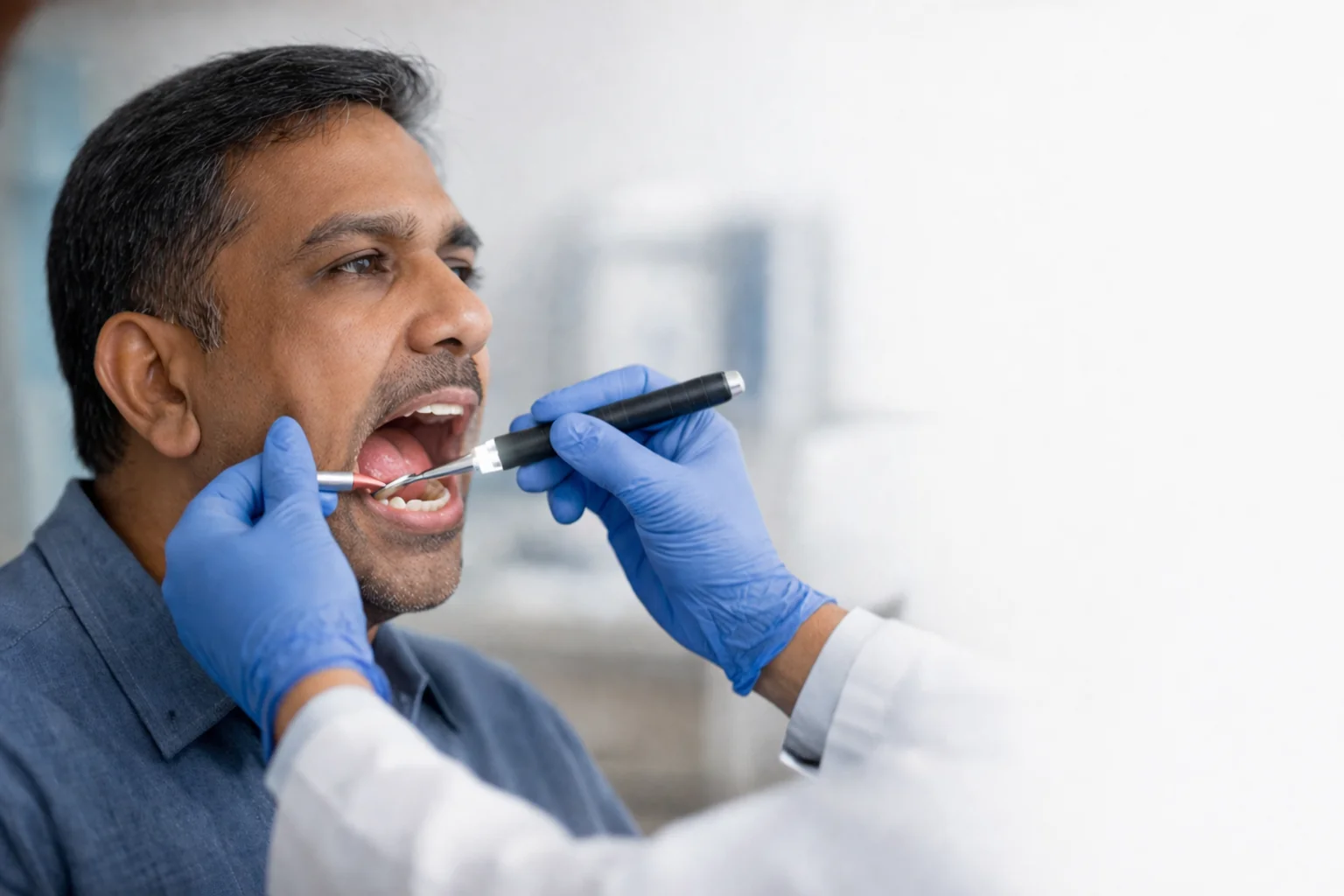
Table of Contents
- What Is Buccal Mucosa?
- What Is Buccal Mucosa Cancer?
- Buccal Mucosa Cancer Symptoms
- Common Causes And Risk Factors For Buccal Mucosa Cancer
- Buccal Mucosa Lesion Vs Cancer: When Should You Worry?
- Diagnosis Of Buccal Mucosa Cancer
- Buccal Mucosa Biopsy And Other Diagnostic Tests
- Buccal Mucosa Cancer Staging
- Buccal Mucosa Cancer Treatment Options
- Buccal Mucosa Cancer Survival Rate And Prognosis
- Recovery And Living With Buccal Mucosa Cancer
- Can Buccal Mucosa Cancer Be Prevented?
- When Should You See A Doctor?
- Conclusion
- FAQs
- References
Your buccal mucosa is the inner lining of your cheeks. It is part of the oral cavity, which also includes structures such as your lips, gums, tongue, floor of mouth, and the openings of the salivary glands.
Buccal mucosa cancer is a type of mouth cancer that starts in this inner cheek lining. It is not one of the most common oral cancers, but it is important because early changes can look mild at first. A sore, patch, or thickened area may seem minor, yet it should not be ignored if it does not heal.
The good news is that early diagnosis can make treatment more effective. If you notice a mouth ulcer, bleeding, or a persistent patch inside your cheek, timely medical advice can help you get the right care sooner.
What Is Buccal Mucosa?
The buccal mucosa is the soft, moist tissue that lines the inside of your cheeks. It helps protect deeper tissues from irritation during chewing, speaking, and swallowing.
It sits close to other important oral structures, including the tongue, gums, teeth, and the ducts that drain saliva into your mouth. When the normal buccal mucosa develops a persistent ulcer, thickened area, or discoloured patch, it needs attention.
What Is Buccal Mucosa Cancer?
Buccal mucosa cancer is a cancer that begins in the inner cheek lining. It is a type of oral cavity cancer and is usually a form of squamous cell carcinoma, which starts in the thin surface cells of the mouth lining.
In the earliest stage, abnormal cells may remain only in the surface layer. Over time, untreated cancer can grow deeper into nearby tissues and may spread to lymph nodes or other parts of the body.
Not every buccal mucosa lesion is cancer. Some lesions are linked to irritation, infections, or inflammatory conditions. Still, a lesion that lasts, grows, bleeds, or becomes painful should be assessed without delay.
Buccal Mucosa Cancer Symptoms
Buccal mucosa cancer symptoms can be easy to miss in the early stage. You should watch for mouth changes that last more than 2 weeks.
Common symptoms include:
- A sore or ulcer inside the cheek that does not heal
- A red patch, white patch, or mixed red and white area
- A thickened or raised buccal mucosa lesion
- Pain, burning, or tenderness inside the mouth
- Bleeding while brushing, eating, or touching the area
- Difficulty chewing or swallowing
- Difficulty opening your mouth fully
- Numbness in the cheek, lip, or tongue
- Bad breath
- Loose teeth or poorly fitting dentures
- A lump in the neck
Some mouth sores are not cancer. For example, cheek biting, a sharp tooth edge, poor-fitting dentures, and HSV infections can also cause ulcers or irritation. Even so, symptoms that do not settle need review.
Common Causes And Risk Factors For Buccal Mucosa Cancer
Buccal mucosa cancer develops when cells in the inner cheek lining grow abnormally. The exact trigger may not always be clear, but certain risk factors are well known.
These include:
- Tobacco use, including cigarettes, bidis, cigars, pipes, and smokeless tobacco
- Heavy alcohol use
- Betel nut or areca nut chewing
- Poor oral hygiene
- Long-term irritation inside the mouth
- An unhealthy diet low in fruits and vegetables
HPV is strongly linked with many cancers of the oropharynx, but it appears to play a smaller role in oral cavity cancers, including buccal mucosa cancer. This means tobacco, alcohol, and betel nut remain the more important risk factors in most cases.
Buccal Mucosa Lesion Vs Cancer: When Should You Worry?
A buccal mucosa lesion does not always mean cancer. It may be caused by trauma, ulcers, dental irritation, fungal infection, HSV, or inflammatory conditions.
You should be more concerned if the lesion:
- Lasts longer than 2 weeks
- Keeps coming back in the same spot
- Bleeds easily
- Feels hard or thickened
- Causes pain while chewing
- Is associated with a neck lump
- Makes it hard to open your mouth
An inflamed buccal mucosa can happen with local irritation or infection. However, an inflamed buccal mucosa that does not improve needs careful assessment so that cancer or a precancerous change is not missed.
Diagnosis Of Buccal Mucosa Cancer
Diagnosis usually begins with a medical or dental examination. In many cases, a dentist may be the first person to notice a suspicious change inside your cheek.
Your doctor or dentist may check:
- The size and appearance of the lesion
- Whether it is ulcerated, raised, or fixed to deeper tissue
- Whether you have pain, bleeding, or reduced mouth opening
- Whether there are swollen lymph nodes in your neck
- Whether the lesion extends towards nearby areas such as the gums, floor of mouth, or tongue
This first assessment helps decide whether you need a biopsy and imaging tests.
Buccal Mucosa Biopsy And Other Diagnostic Tests
A buccal mucosa biopsy is the key test used to confirm cancer. During this procedure, your doctor removes a small sample of tissue and sends it to a laboratory for microscopic examination.
Depending on the lesion, your doctor may use:
- An incisional biopsy
- A punch biopsy
- A brush-based sampling method in selected cases
- A needle test for a suspicious lymph node, if needed
Imaging tests may also be advised. These can include CT, MRI, or PET-CT scans. Imaging helps show the size of the tumour, whether nearby structures are involved, and whether the cancer has spread.
Your care team may also advise blood tests before treatment. These do not diagnose buccal mucosa cancer by themselves, but they help assess your general health before surgery, radiation, or medicines.
Buccal Mucosa Cancer Staging
Staging describes how far the cancer has spread. Doctors usually use the TNM system:
- T refers to the size and depth of the primary tumour
- N refers to whether lymph nodes are involved
- M refers to whether the cancer has spread to distant parts of the body
In simple terms:
- Stage 1 usually means a small, localised cancer
- Stage 2 means a larger local cancer
- Stage 3 and Stage 4 may involve deeper invasion, lymph nodes, or spread to nearby or distant sites
Staging is important because it guides treatment and helps your doctor discuss prognosis more clearly.
Buccal Mucosa Cancer Treatment Options
Treatment depends on the stage, exact location, tumour size, lymph node involvement, and your overall health. A head and neck cancer team usually plans treatment.
Surgery
Surgery is often the main treatment for buccal mucosa cancer, especially when the disease is localised. The surgeon removes the tumour along with a margin of healthy tissue.
If there is concern about spread to lymph nodes, surgery may also include treatment of nodes in the neck. Some people may need reconstructive surgery to help restore the shape and function of the mouth after tumour removal.
Radiation Therapy
Radiation therapy may be used after surgery to reduce the risk of cancer coming back. In some situations, it may be used as a primary treatment when surgery is not suitable.
Radiation can affect nearby healthy tissue as well, so your care team will explain side effects such as mouth soreness, dryness, and difficulty eating.
Chemotherapy, Targeted Therapy, Or Immunotherapy
These treatments are more often used in advanced, recurrent, or metastatic disease, or alongside radiation in selected cases.
Chemotherapy uses anti-cancer drugs to destroy cancer cells. Targeted therapy and immunotherapy may be considered in some people, depending on the stage and clinical setting. Your oncologist will decide whether these are appropriate for you.
Buccal Mucosa Cancer Survival Rate And Prognosis
There is no single universal buccal mucosa cancer survival rate that applies to everyone. Prognosis depends on several factors, including:
- Stage at diagnosis
- Tumour size and depth
- Lymph node involvement
- Surgical margins
- Your general health
- Whether treatment can be completed as planned
In general, cancers found early have a better outlook than cancers diagnosed after they have spread. Broader survival data for oral cavity and pharyngeal cancers also show better outcomes when disease is localised.
This is why you should not delay evaluation of a persistent mouth sore or cheek lesion.
Recovery And Living With Buccal Mucosa Cancer
Recovery can take time, especially if treatment affects chewing, swallowing, speech, or mouth opening.
After treatment, you may need:
- Regular follow-up visits
- Pain relief and mouth care advice
- Nutrition support
- Speech or swallowing therapy
- Help with emotional wellbeing
Some people develop dry mouth or discomfort because treatment affects the mouth lining or nearby saliva-producing tissues. Good oral care, hydration, and regular follow-up are important during this phase.
Living with buccal mucosa cancer can also feel emotionally heavy. It is normal to need support from your doctor, family, counsellor, or a patient support group.
Can Buccal Mucosa Cancer Be Prevented?
You cannot prevent every case, but you can lower your risk.
Helpful steps include:
- Do not smoke or use smokeless tobacco
- Limit or avoid alcohol
- Avoid betel nut or areca nut chewing
- Maintain good oral hygiene
- Get regular dental check-ups
- Do not ignore a sore, patch, or inflamed buccal mucosa that does not heal
Early detection matters. A quick check can make a major difference.
When Should You See A Doctor?
You should see a doctor or dentist if you have:
- A mouth ulcer that lasts more than 2 weeks
- A red or white patch inside your cheek
- Ongoing bleeding in the mouth
- A hard or raised buccal mucosa lesion
- Trouble chewing, swallowing, or opening the mouth
- Numbness or pain in the cheek or tongue
- A lump in your neck
- Repeated mouth sores that you think may be HSV, but are not healing as expected
It is always better to get a persistent change checked than to wait.
Conclusion
Buccal mucosa cancer starts in the inner lining of your cheek, but it can affect speech, eating, comfort, and overall health if diagnosis is delayed. The symptoms may begin as a simple-looking ulcer, patch, or inflamed buccal mucosa, which is why persistent mouth changes should never be ignored.
The encouraging part is that early diagnosis improves the chances of timely and effective treatment. If you or a loved one has a suspicious mouth lesion, speak to a doctor or dentist promptly.
For doctor-advised diagnostic tests and routine health monitoring during your care journey, Metropolis Healthcare can support you with reliable testing, expert pathology oversight, and convenient home sample collection where applicable. You can also explore more health articles on Metropolis Healthcare to stay informed and take confident steps towards better health.
FAQs
Can Buccal Mucosa Cancer Spread To Other Areas?
Yes. Buccal mucosa cancer can spread to nearby tissues, lymph nodes in the neck, and in advanced cases, to distant parts of the body. Early diagnosis lowers this risk.
What Is The Survival Rate For Buccal Mucosa Cancer?
There is no single fixed survival figure for every person. The buccal mucosa cancer survival rate depends mainly on stage, tumour size, lymph node spread, and treatment response. Early-stage disease usually has a better prognosis than advanced disease.
Are There Any Support Resources For Buccal Mucosa Cancer Patients?
Yes. Support can come from your treating hospital, oncology nurses, dietitians, speech and swallowing therapists, counsellors, and cancer support groups. These resources can help with both physical recovery and emotional wellbeing.
How Does Smoking Affect The Risk Of Buccal Mucosa Cancer?
Smoking and other forms of tobacco are major risk factors. Tobacco exposes the mouth lining to harmful chemicals that increase the chance of cancer developing.
Is Buccal Mucosa Cancer Hereditary?
Most cases are not directly hereditary. Lifestyle and environmental risk factors play a larger role. A family history of cancer may still matter in some people, but it is not the main cause in most cases.
What Is A Buccal Mucosa Biopsy?
A buccal mucosa biopsy is a procedure in which your doctor removes a small sample from a suspicious cheek lesion to check for cancer under a microscope. It is the main test used to confirm the diagnosis.
Can An Inflamed Buccal Mucosa Mean Cancer?
Not always. An inflamed buccal mucosa may be caused by trauma, irritation, ulcers, or infections such as HSV. But if the area does not heal, keeps bleeding, or becomes thickened, it should be checked.
References
- National Cancer Institute. Definition of Buccal Mucosa. National Cancer Institute Dictionary of Cancer Terms.
- National Cancer Institute. Definition of Oral Cavity. National Cancer Institute Dictionary of Cancer Terms.
- Cleveland Clinic. Buccal Mucosa Cancer (Inner Cheek Cancer): Symptoms, Causes & Treatment. Last reviewed June 28, 2022.
- American Cancer Society. Risk Factors for Oral Cavity and Oropharyngeal Cancers. Updated March 23, 2021, with current ACS oral cavity risk guidance.
- NHS. Symptoms of Mouth Cancer.
- National Cancer Institute. Lip and Oral Cavity Cancer Treatment (PDQ®): Diagnosis, Staging, and Treatment Overview. Updated May 16, 2025.
- American Cancer Society. Tests for Oral Cavity and Oropharyngeal Cancers. Imaging and diagnostic overview.
- Mayo Clinic. Mouth Cancer: Diagnosis and Treatment. Imaging tests and biopsy overview.
- American Cancer Society. Oral Cavity Cancer Treatment Options, by Stage and related treatment resources on chemotherapy and immunotherapy for oral cavity cancer.
- American Cancer Society. Survival Rates for Oral Cavity and Oropharyngeal Cancer and Cancer Facts & Figures 2024. Prognosis and broader survival context.
- American Cancer Society. How to Recover After Oral & Oropharyngeal Cancer. Follow-up, nutrition, speech therapy, and rehabilitation.
- National Cancer Institute. Oral Cavity and Nasopharyngeal Cancers Screening (PDQ®). Visual examination and oral lesion detection.