Home Visit
 Upload






Preventive Healthcare
Quadriplegia: Medical Definition & Clinical Significance
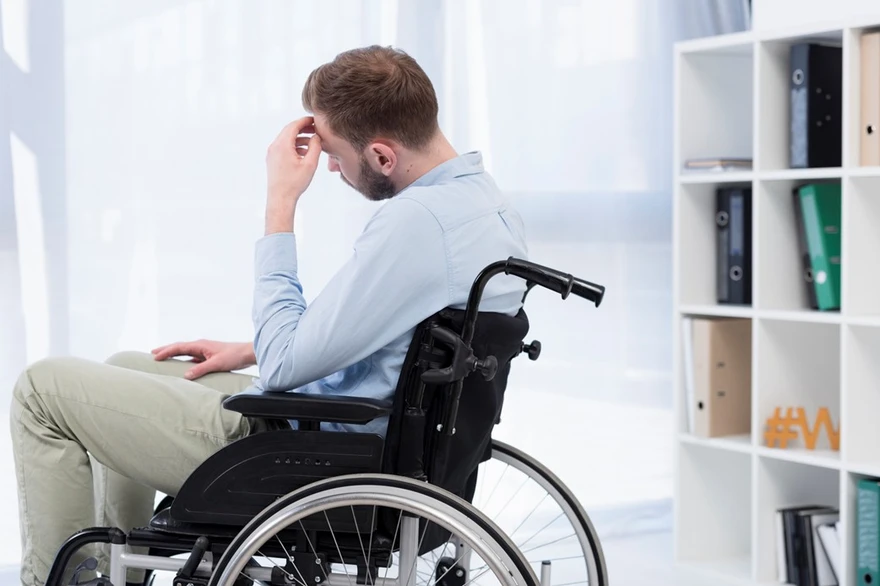
Table of Contents
- What is Quadriplegia?
- Quadriplegia Definition
- What Causes Quadriplegia?
- Symptoms of Quadriplegia
- How is Quadriplegia Diagnosed?
- Imaging & Diagnostic Tests to Identify Quadriplegia
- Treatment for Quadriplegia
- Life Expectancy with Quadriplegia
- Quadriplegia Rehabilitation
- Quadriplegia and Emotional Health
- How Quadriplegia Affects Daily Life
- Conclusion
- FAQs
What is Quadriplegia?
Quadriplegia is a form of paralysis that affects all four limbs, both arms and legs, along with the trunk, typically affecting the body from the neck downward. Quadriplegia involves the complete or partial loss of motor function and sensation below the level of injury, most commonly resulting from damage to the cervical spinal cord.
Unlike other forms of paralysis, such as hemiplegia (affecting one side of the body) or paraplegia (affecting the lower limbs), quadriplegia represents the most extensive type of paralysis. The condition occurs when nerve pathways between the brain and muscles are disrupted, preventing normal communication that controls voluntary movement.
The severity of quadriplegia varies significantly between individuals. Complete quadriplegia means total loss of movement and sensation below the injury site, while incomplete quadriplegia allows for some preserved function. Because presentation varies widely, each case requires an individualised medical and rehabilitation approach.
Quadriplegia Definition
The quadriplegia medical definition refers to partial or complete paralysis, and often sensory loss, in all four limbs, usually due to damage involving the brain, cervical spinal cord, or peripheral nerves. Clinicians classify it by the level of neurological injury and whether it is complete or incomplete, which determines how much movement and sensation remain.
Tetraplegia is the preferred medical term in international clinical literature. According to the National Institute of Neurological Disorders and Stroke (NINDS, NIH), quadriplegia (tetraplegia) occurs when cervical spinal cord injury disrupts signals between the brain and body, causing four-limb paralysis and sensory loss, and may involve complications such as breathing difficulty and bladder/bowel dysfunction.
What Causes Quadriplegia?
The causes of quadriplegia are broadly classified as traumatic or non-traumatic: traumatic and non-traumatic origins. Understanding these causes helps in prevention strategies and treatment planning.
Traumatic Causes:
• Motor vehicle accidents (leading cause, accounting for 38% of cases)
• Falls from significant heights (particularly in elderly populations)
• Sports-related injuries (diving, rugby, gymnastics)
• Violence, including gunshot wounds and assaults
• Industrial or workplace accidents
Non-traumatic Causes:
• Multiple sclerosis affects spinal cord function
• Transverse myelitis, causing inflammation
• Amyotrophic lateral sclerosis (ALS), also known as motor neuron disease
• Brain diseases, including strokes and tumours
• Guillain-Barré syndrome affecting peripheral nerves
• Spinal cord tumours or infections
Other Contributing Factors:
• Congenital disorders affecting spinal development
• Severe cervical spondylosis or arthritis leading to spinal canal narrowing
• Vascular malformations disrupting blood flow
• Infectious diseases affecting the nervous system
Most cases result from injury to the cervical spinal cord between the C1 and C8 vertebral levels. Higher injuries (C1-C4) typically result in more severe symptoms, including potential respiratory complications requiring ventilator support.
Symptoms of Quadriplegia
Quadriplegia symptoms vary depending on the level and completeness of injury, but several key manifestations characterise this condition:
- Complete loss of voluntary movement in arms, hands, legs, and feet
- Absence of sensation below the level of injury, including touch, temperature, and pain
- Respiratory difficulties, especially in high cervical injuries (C1–C4) that impair diaphragmatic control
- Muscle spasticity results in involuntary contractions and rigid limb positioning
- Autonomic dysfunction leading to fluctuations in blood pressure, heart rate, and body temperature regulation
- Bladder and bowel incontinence due to loss of voluntary control
- Sexual dysfunction impacting intimate relationships and reproductive function
- Chronic pain, including neuropathic pain below the injury level
Secondary Complications:
• Pressure sores from prolonged positioning
• Deep vein thrombosis and pulmonary embolism due to prolonged immobility
• Respiratory infections from reduced lung function
• Osteoporosis from lack of weight-bearing activity
• Depression and anxiety related to lifestyle changes
How is Quadriplegia Diagnosed?
Diagnosis of quadriplegia involves a comprehensive neurological examination supported by advanced imaging. Medical professionals begin with detailed history-taking, focusing on the mechanism of injury, onset of symptoms, and functional limitations.
The clinical examination involves systematic testing of motor function, sensory perception, and reflexes throughout the body. Clinicians assess motor strength using the ASIA Impairment Scale and sensory mapping techniques, evaluate sensation through pinprick and light touch testing, and examine reflexes to determine the level and completeness of injury.
The diagnostic process also includes assessment of autonomic function, respiratory capacity, and potential complications. Medical teams evaluate cardiovascular stability, bladder function, and psychological status to develop comprehensive treatment plans addressing all aspects of the condition.
Imaging & Diagnostic Tests to Identify Quadriplegia
Several sophisticated diagnostic tests help confirm a quadriplegia diagnosis and guide treatment decisions:
Primary Imaging Studies:
• Magnetic Resonance Imaging (MRI) provides detailed visualisation of spinal cord damage, swelling, and compression
• Computed Tomography (CT) scans detect bone fractures, dislocations, and bleeding
• X-rays identify vertebral alignment problems and instability
• CT myelography offers enhanced spinal cord visualisation when MRI is contraindicated
Neurophysiological Testing:
• Electromyography (EMG) measures electrical activity in muscles
• Nerve conduction studies assess peripheral nerve function
• Somatosensory evoked potentials evaluate sensory pathway integrity
• Motor evoked potentials test motor pathway function
Additional Diagnostic Procedures:
• Lumbar puncture may assist in identifying infection, inflammation, or demyelination
• Blood tests rule out metabolic or autoimmune causes
• Pulmonary function tests assess respiratory capacity
• Urodynamic studies evaluate bladder function
Treatment for Quadriplegia
Quadriplegia treatment involves multidisciplinary approaches addressing immediate medical needs and long-term rehabilitation goals. Treatment strategies vary significantly based on injury level, cause, and individual circumstances.
Acute Medical Management:
• Spinal stabilisation through surgical fusion or external fixation
• High-dose corticosteroids, such as methylprednisolone, may be used early to limit inflammation (though clinical use remains controversial)
• Respiratory support, including mechanical ventilation for high cervical injuries
• Blood pressure management and cardiovascular monitoring
• Prevention of secondary complications through positioning and medication
Pharmacological Interventions:
• Muscle relaxants (baclofen, tizanidine) for spasticity management
• Pain medications, including neuropathic pain treatments
• Medications for bladder dysfunction and autonomic dysreflexia
• Anticoagulant therapy to prevent thromboembolic events
• Antibiotics for infection prevention and treatment
Surgical Options:
• Decompressive surgery to relieve spinal cord pressure
• Spinal fusion with hardware placement for stability
• Tendon transfer procedures to improve arm function
• Implantable devices for pain management or functional electrical stimulation
Life Expectancy with Quadriplegia
Life expectancy among individuals with quadriplegia has improved markedly over the past few decades due to advances in medical care and rehabilitation techniques. However, prognosis varies considerably based on several factors, including injury level, age at onset, and access to quality healthcare.
Individuals with high cervical injuries (C1-C4) requiring ventilator support face greater challenges, with mortality rates highest in the first year following injury. Current data indicate that approximately 80–90% of individuals survive the first year post-injury, with many living for decades when receiving appropriate medical care and support.
Lower cervical injuries (C5-C8) generally carry better prognoses, with life expectancy approaching that of the general population in some cases. The key factors influencing longevity include respiratory function, cardiovascular health, infection prevention, and psychological well-being.
Research indicates that people with incomplete quadriplegia typically have better survival rates than those with complete injuries. Access to specialised spinal cord injury centres, comprehensive rehabilitation services, and ongoing medical management significantly impacts long-term outcomes and quality of life.
Quadriplegia Rehabilitation
Rehabilitation following quadriplegia is a lifelong, multidisciplinary process aimed at maximising independence and function focusing on maximising independence, preventing complications, and enhancing quality of life. Rehabilitation begins in the acute hospital setting and continues through various stages of recovery and adaptation.
The rehabilitation team includes physiotherapists, occupational therapists, speech therapists, psychologists, social workers, and peer counsellors. This multidisciplinary approach addresses physical, emotional, social, and vocational aspects of recovery, ensuring comprehensive support for individuals and their families.
Early rehabilitation focuses on preventing secondary complications such as pressure sores, contractures, and respiratory problems. As individuals stabilise medically, the emphasis shifts towards functional training, adaptive equipment use, and community reintegration skills.
Quadriplegia and Emotional Health
The psychological and emotional impact of quadriplegia often extends beyond physical disability, influencing mood, relationships, and overall quality of life, affecting mental health, relationships, and overall well-being. Understanding and addressing emotional challenges represents a crucial component of comprehensive care.
Common Emotional Challenges:
• Depression affects up to 30% of individuals with quadriplegia
• Anxiety related to health concerns and future uncertainties
• Grief over loss of previous lifestyle and capabilities
• Post-traumatic stress disorder following traumatic injuries
• Social isolation due to accessibility barriers and changed circumstances
Psychological Adaptation Factors:
• Personal resilience and coping strategies
• Quality of social support systems
• Access to mental health services
• Participation in peer support groups
• Engagement in meaningful activities and relationships
How Quadriplegia Affects Daily Life
Living with quadriplegia requires significant adaptations across all aspects of daily life, from basic personal care to complex social and professional activities. Understanding these challenges helps individuals and families prepare for the adjustment process.
Personal Care Challenges:
• Daily tasks such as bathing, dressing, and grooming often require caregiver support or adaptive devices
• Eating and drinking modifications, including specialised utensils
• Toileting and personal hygiene management
• Medication administration and health monitoring
• Temperature regulation and skin care
Mobility and Transportation:
• Wheelchair use for all mobility needs
• Vehicle modifications for driving or transport
• Home accessibility modifications, including ramps and lifts
• Public transport accessibility considerations
• Travel planning requiring specialised equipment and support
Communication and Technology:
• Computer access through voice recognition or eye-tracking systems
• Telephone use with hands-free devices
• Environmental controls for lighting, television, and appliances
• Emergency communication systems for safety
Quadriplegia and Assistive Devices
Modern assistive technology has revolutionised possibilities for individuals with quadriplegia, enabling greater independence and improved quality of life across multiple domains.
Mobility Equipment:
• Powered wheelchairs equipped with custom controls—such as joystick, head-movement, or sip-and-puff mechanisms—provide mobility independence
• Vehicle modifications, including hand controls and wheelchair lifts
• Standing frames and mobility aids for therapeutic positioning
• Transfer boards and mechanical lifts for movement assistance
Communication Technology:
• Voice recognition software for computer operation
• Eye-gaze systems for hands-free device control
• Environmental control units for home automation
• Emergency alert systems for safety and security
Daily Living Aids:
• Adaptive eating utensils and drinking systems
• Dressing aids and modified clothing
• Bathroom safety equipment and transfer systems
• Bed positioning devices and pressure relief systems
Quadriplegia Surgery Options
Surgical interventions for quadriplegia serve various purposes, including spinal stabilisation, function restoration, and complication management. The timing and type of surgery depend on multiple factors, including injury characteristics and individual goals.
Emergency surgical procedures focus on spinal cord decompression and stabilisation to prevent further damage. Decompressive laminectomy removes bone fragments or herniated disc material compressing the spinal cord, whilst spinal fusion with hardware provides long-term stability.
Reconstructive surgeries may restore some arm and hand function in individuals with incomplete injuries. Tendon transfer procedures can improve grip strength and functional reach, whilst nerve transfer surgeries may restore specific movements. These procedures require careful patient selection and realistic expectation setting.
Advanced surgical options include implantable stimulation devices for pain management, bladder control, or even experimental approaches for function restoration. Surgical candidacy depends on factors including injury stability, overall health status, and rehabilitation potential.
Quadriplegia: Key Clinical and Rehabilitation Takeaways
Understanding quadriplegia involves recognising its complex nature as a life-altering condition affecting multiple body systems. Several key points emerge from a comprehensive examination of this condition:
Essential Understanding Points:
• Quadriplegia primarily results from cervical spinal cord injury, disrupting nerve pathways
• The condition affects motor function, sensation, and autonomic systems throughout the body
• Early medical intervention and comprehensive rehabilitation significantly impact outcomes
• Emotional and psychological support represents a crucial component of comprehensive care
• Modern assistive technology and adaptive strategies enable meaningful life participation
Recovery and Adaptation Insights:
• Recovery potential varies widely based on injury characteristics and individual factors
• Rehabilitation is a lifelong process requiring ongoing support and adaptation
• Family involvement and social support systems play vital roles in successful adjustment
• Many individuals with quadriplegia lead fulfilling lives through appropriate support and adaptations
Living with quadriplegia challenges individuals and families to redefine independence, resilience, and purpose, supported by innovation and compassionate care to develop new perspectives on independence, success, and quality of life while maintaining hope for continued improvement and adaptation.
Conclusion
Quadriplegia is a life-altering neurological condition that demands timely diagnosis, precise evaluation, and long-term, multidisciplinary care. Early identification of the underlying cause—whether spinal cord injury, nerve disorders, or brain diseases—plays a critical role in preventing complications and improving functional outcomes. With advances in medical management, rehabilitation, and assistive technologies, many individuals with quadriplegia are now able to achieve better health stability, enhanced independence, and an improved quality of life through personalised treatment and sustained support.
Accurate diagnosis and ongoing monitoring are central to effective quadriplegia management. Metropolis Healthcare supports this journey with a comprehensive diagnostic ecosystem, offering over 4,000 advanced laboratory tests, full body health check-ups, and speciality testing for neurological and systemic conditions. With home sample collection across 10,000+ touchpoints, quick turnaround times, and highly accurate results, patients can access reliable testing from the comfort of home. Convenient booking through the website, mobile app, call centre, or WhatsApp ensures seamless access to care, enabling informed clinical decisions and continuity of treatment at every stage.
FAQs
Can quadriplegia be cured?
Currently, there is no definitive cure for quadriplegia. However, treatment and rehabilitation can significantly improve function, independence, and quality of life.
What is the survival rate for quadriplegia?
Survival rates depend on injury severity, age, and access to medical care. With modern healthcare, many individuals live decades after injury.
What are the long-term effects of quadriplegia?
Long-term effects may include chronic pain, muscle spasticity, respiratory issues, and increased susceptibility to infections, alongside psychological impacts.
Can quadriplegics live independently?
Many people with quadriplegia live independently or semi-independently using assistive devices, home modifications, and caregiver support.